Your EV's range drops overnight: What's really happening?

It's a common surprise for electric vehicle owners: you park your EV with ample range, only to find fewer miles displayed the next morning. This phenomenon, often called 'phantom drain,' is a normal part of EV ownership, stemming from features like security systems, internal battery maintenance, and thermal management. Understanding these factors and knowing simple tips can help manage your EV's charge effectively, ensuring reliability and maximizing the environmental benefits of choosing electric transport.
Many EV drivers notice their displayed range decreasing even when their car hasn't moved. This isn't always actual battery drain; sometimes, it's just the car's estimate adjusting. Electric vehicles predict range based on various factors, including recent driving behavior and upcoming weather. So, if a cold snap hits overnight, your car might show fewer miles because it anticipates using more energy for heating.
However, there's also real electricity usage, often called 'vampire' or 'phantom' drain. EVs don't fully shut down when parked; they continually perform system checks and recharge their 12-volt accessory battery. Features like advanced security systems, which use cameras to monitor surroundings, or even frequently checking your car's status via a phone app, can actively consume power.
Temperature extremes also play a role. To protect the battery, an EV's thermal management system might run fans or heaters to keep the battery within a safe operating temperature range, especially in very hot or very cold conditions.
While some manufacturers suggest a daily loss of around 1% of charge, real-world experiences often show much less. For instance, some drivers have reported minimal drops—as little as 1-2% over several weeks—when features like security modes are turned off. This efficiency is a testament to how far electric vehicle technology has come, making them a consistently reliable and environmentally friendly choice.
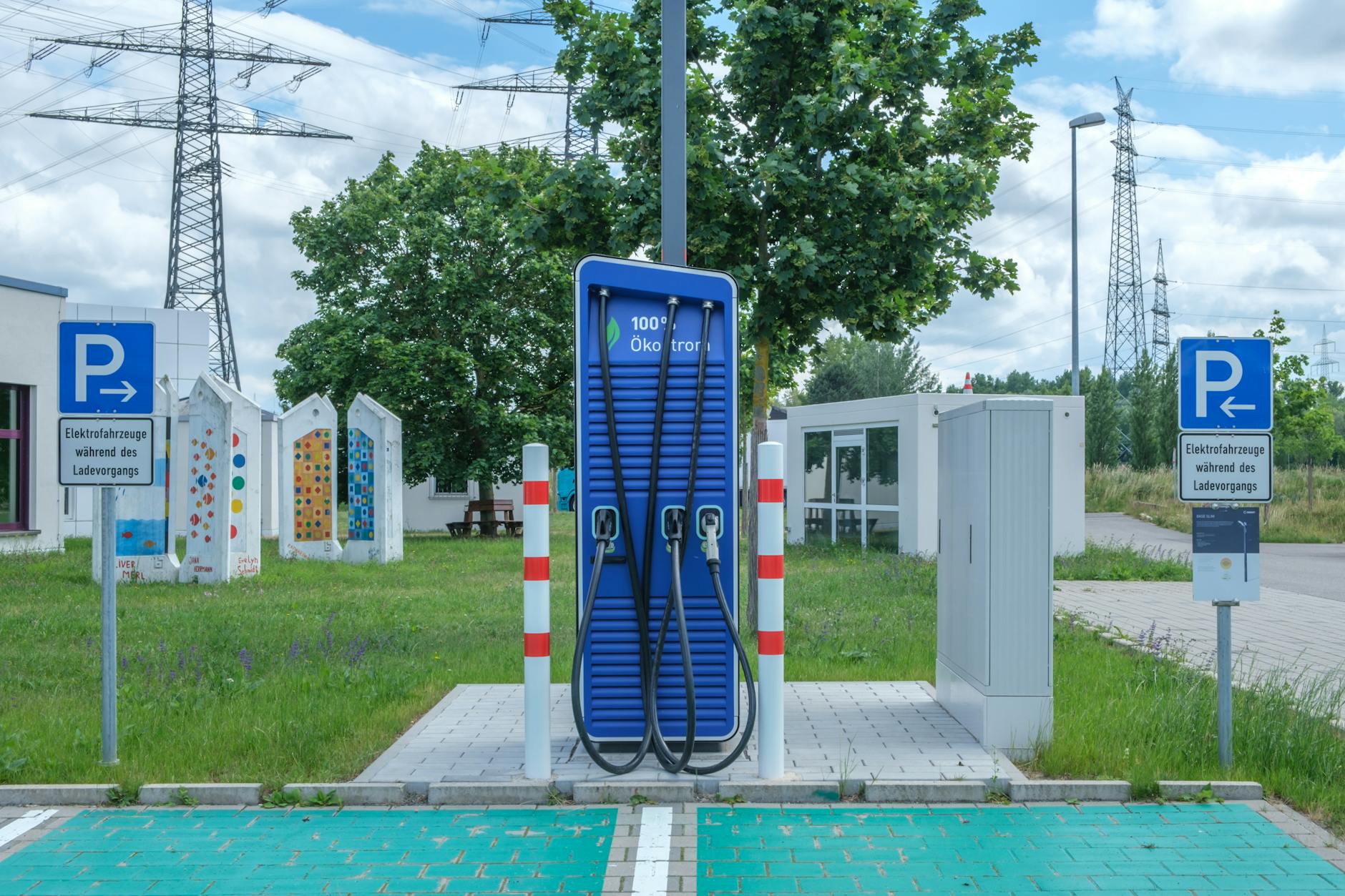
To minimize this drain, especially when parking for an extended period, try turning off non-essential features like advanced security systems. The most effective strategy, however, is to keep your EV plugged in. This simple step ensures your battery stays topped up, ready for your next journey, and helps maintain the long-term health of your vehicle, supporting the broader shift towards cleaner, electric transportation.