Your Food Scraps Could Be a Climate Game-Changer. Here's How.

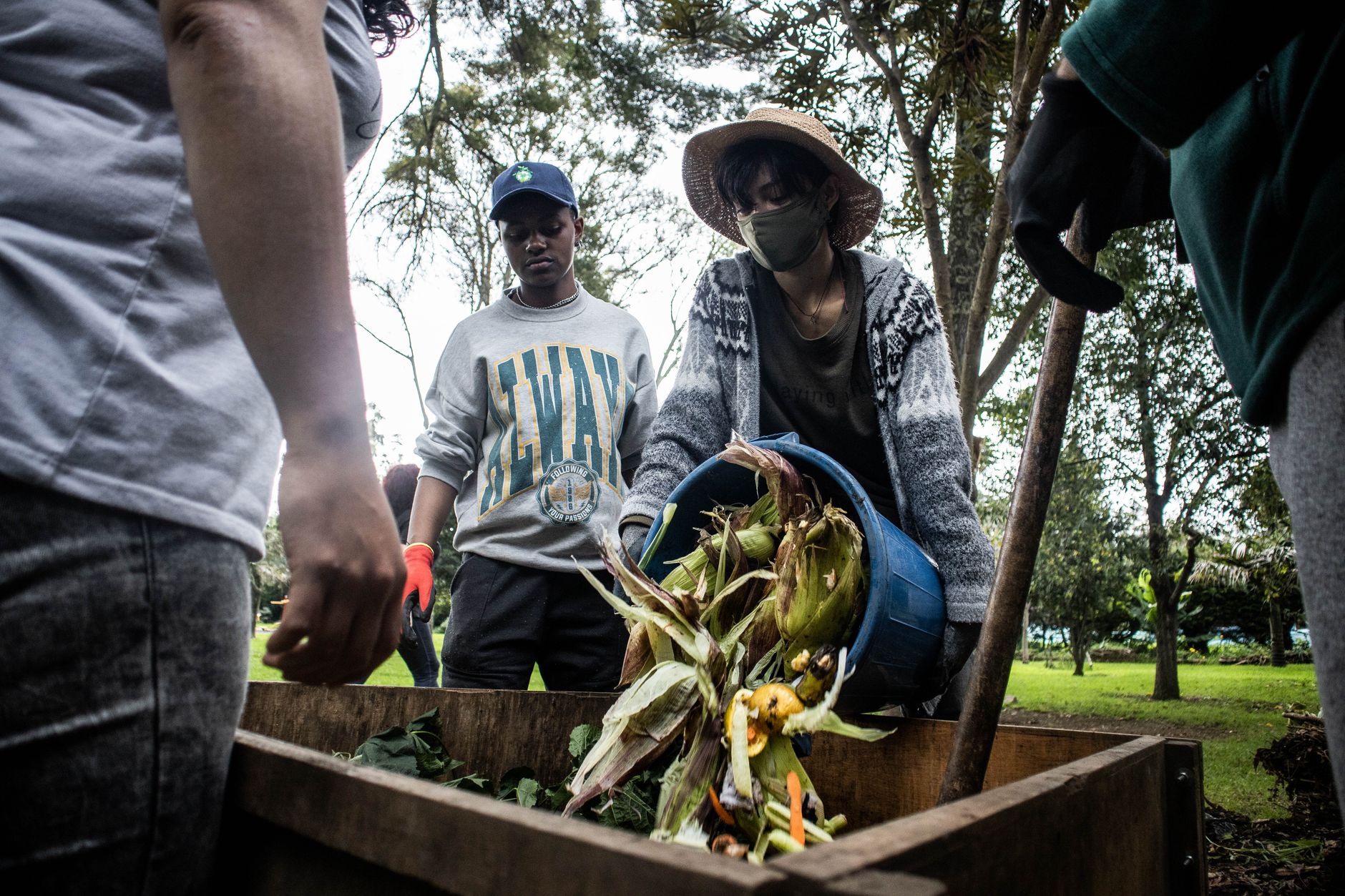
Food scrap collection services are blooming across the country, tackling the urgent problem of food waste. Companies like Detroit's Scrap Soils are making it easier for homes and businesses to compost, diverting organic material from landfills. This crucial effort helps reduce potent methane emissions, a short-term but powerful greenhouse gas, thereby acting as an "emergency brake on climate change." Beyond cutting emissions, composting also enriches soil, boosting local food production and returning vital nutrients to the earth for a healthier planet.
Ricky Blanding, CEO of Scrap Soils, drives a weekly route in Detroit, collecting food scraps like coffee grounds and eggshells from local homes and restaurants. His service, and others like it nationwide, fills a critical gap for those unable to compost at home or access city drop-off sites. These efforts are vital for cleaning up our food ecosystem and combating climate change.
When food waste rots in landfills, it releases methane, a greenhouse gas significantly more potent than carbon dioxide in the short term. Climate experts, such as Emily Cassidy from Project Drawdown, emphasize that reducing methane acts like "pulling the emergency brake on climate change." Composting not only cuts these harmful emissions but also creates nutrient-rich soil, benefiting gardens and urban farms and supporting local food production.
Scrap Soils, co-launched by Blanding in 2020, addresses Michigan's vast food waste problem, which contributes millions of metric tons of carbon dioxide equivalent emissions. Over 70 Detroit homes and businesses now rely on their convenient weekly pickups. The collected scraps are transformed into a valuable soil additive at partner sites like Sanctuary Farms, available for purchase, demonstrating how food waste can be "the solution to so many issues in climate change."
Despite challenges like skepticism and the need for public education on proper composting, these independent services are expanding. Examples include the Denver Compost Collective, Nashville’s Compost Co., and Compost Now in multiple cities. This growth complements the hundreds of municipal food waste programs, though much room for expansion remains, as noted in a 2023 report by BioCycle.
Cities like Detroit are integrating composting into ambitious climate plans, aiming for 100% reduction in municipal greenhouse gas emissions by 2050. Detroit's first municipal food scrap drop-off initiative launched recently, with plans to expand. As Detroit’s Director of Sustainability, Tepfirah Rushdan, highlights, composting offers an accessible entry point for individuals to support broader city and planetary sustainability goals. This collective action is essential for our transition to cleaner, greener systems.