Your Gas Bill is Soaring, But Not for Why You Think [Data]

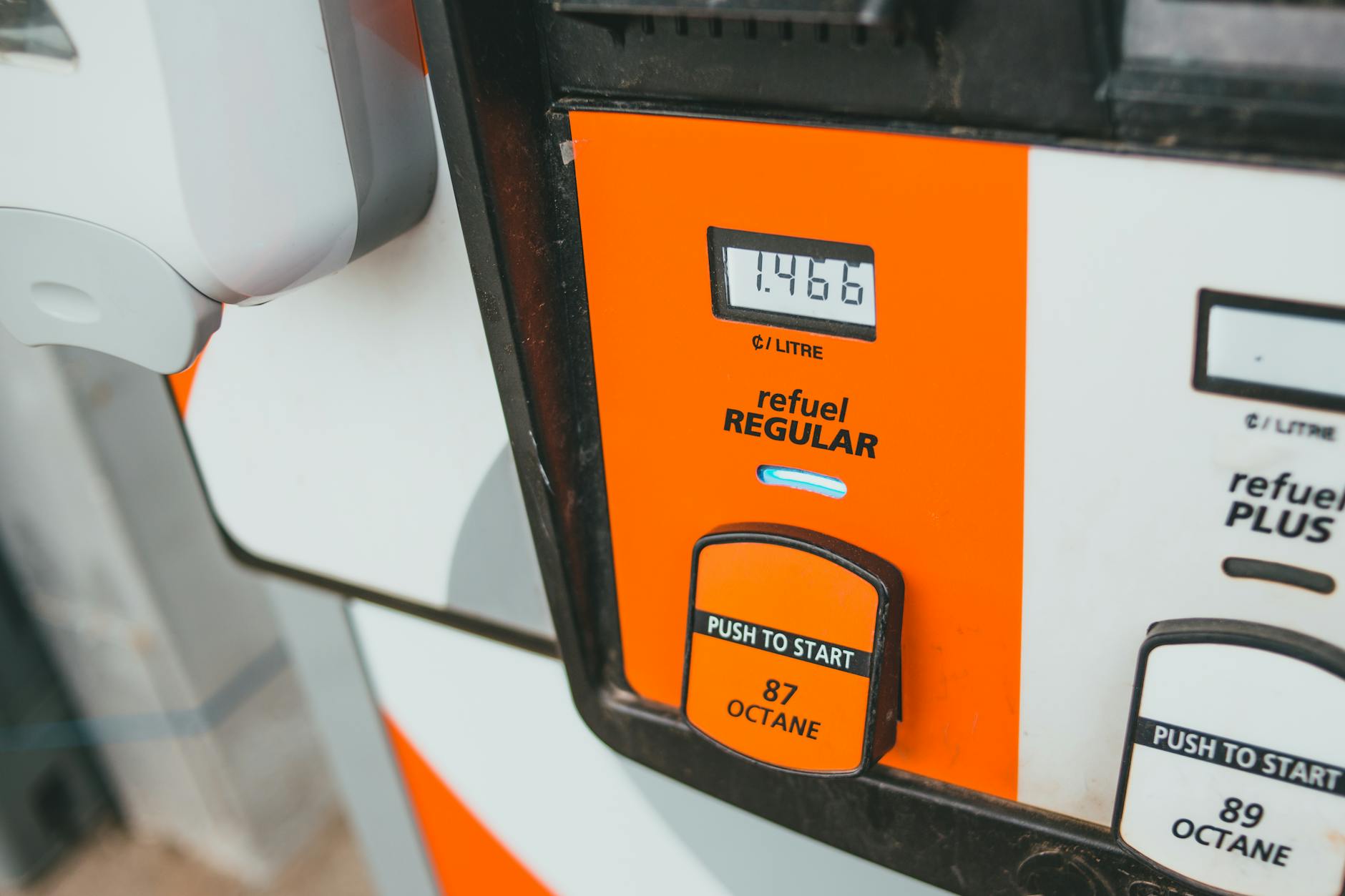
Gas utility bills are climbing sharply across the U.S., outpacing electric costs and inflation. While many assume rising gas prices are to blame, a new report reveals the real culprit: aging infrastructure. The increasing cost of maintaining and replacing outdated gas pipelines now accounts for the majority of customer charges. This growing financial burden on consumers highlights the urgent need to transition towards cleaner, more sustainable energy solutions like electrification, aligning with crucial climate goals and offering a path to more stable energy costs.
For decades, the cost of the gas itself was the primary factor driving utility bills. However, a significant shift has occurred. A new report by the Building Decarbonization Coalition (BDC) reveals that gas system infrastructure, particularly pipeline replacements, accounted for roughly 70 percent of customer bills in 2024, while the price of gas made up just 30 percent. Experts note that this infrastructure has become the "sleeper culprit" behind continuously rising costs, far outpacing electric bill increases.
Over the last decade, gas utility spending on pipes and delivery tripled, reaching an alarming $28 billion in 2023. This acceleration, driven by aging, corroding pipelines, was enabled by policies in at least 42 states that allowed utilities to recover these costs more quickly, directly impacting consumer rates. Despite massive infrastructure investment, the gas customer base has grown minimally, and residential gas demand has been flat for decades. This means consumers are paying more for an "underutilized and more expensive" system.
As states strive to meet ambitious climate goals, continued heavy investment in the gas system makes little sense. Instead of simply replacing old pipes, cleaner, more modern alternatives offer significant benefits for both finances and the environment. These "non-pipe alternatives" include developing geothermal energy networks, implementing demand-response programs, and embracing full electrification of homes. Such solutions modernize infrastructure and significantly reduce reliance on fossil fuels.
Momentum for this transition is building. Since 2020, utility regulators in 13 states and Washington, D.C., have opened proceedings to explore moving away from natural gas heating. For example, Minnesota is considering a bill to allow gas utilities to build geothermal energy networks, a move with strong support. California is also debating the Heat Pump Access Act to streamline heat pump installations, vital for reaching carbon neutrality by 2045.
The shift to electrification is already visible: heat pumps outsold gas furnaces for the fourth consecutive year in 2025. These modern electric appliances offer more comfortable and efficient solutions for homes. As the gas system becomes increasingly expensive, clean-heat solutions are becoming more attractive and affordable, paving the way for a sustainable future and a cleaner environment for everyone.