Your Grocery Bill Just Got Higher, And This Is Why [Climate Data]

Extreme weather events, supercharged by climate change, are making everyday groceries significantly more expensive worldwide. A new study by Zero Carbon Analytics reveals that nearly all recent global food price spikes, from beef to tomatoes and seaweed, can be traced back to unprecedented temperatures, droughts, or heavy rainfall. This phenomenon, dubbed "climateflation," is transforming temporary weather-related cost increases into a persistent burden on household budgets. The findings underscore the urgent need for sustainable solutions to protect our food systems and economies.
Our dinner plates are getting pricier, and a new study points the finger at climate change. Researchers from Zero Carbon Analytics have mapped food price jumps globally between 2022 and 2026, finding that extreme weather like record heatwaves, intense droughts, and unusual rainfall are pushing up costs for staples worldwide. These aren't just one-off events; they're becoming a consistent force driving up what we pay at the grocery store.
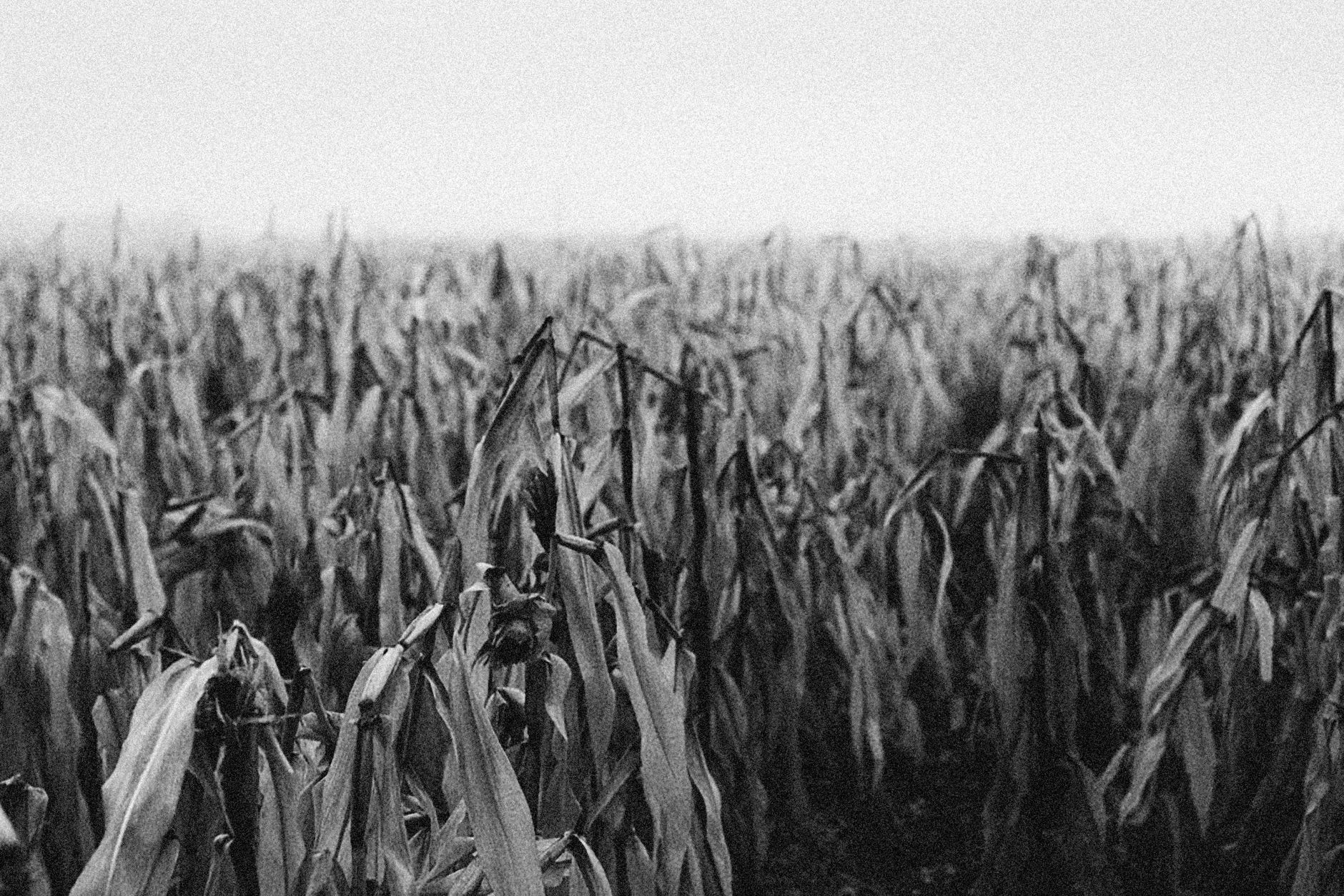
The impact is clear across continents. In Europe, unprecedented summer temperatures led to severe soil drought, making crops like corn, courgettes, and tomatoes significantly more expensive for consumers in France. Similarly, American beef prices hit record highs as scorching heat and drought shrunk cattle herds, leaving ranchers with difficult choices. Even seafood is affected, with rising ocean temperatures around Japan impacting seaweed harvests and driving up prices for this key ingredient.
These rising costs, termed "climateflation," represent a permanent increase in living expenses directly linked to our reliance on fossil fuels and the resulting extreme weather. It means more than just a higher bill; it threatens the quality and variety of our diets, making healthy foods less accessible. Experts warn that by 2035, projected warming could add several percentage points annually to food inflation, straining household budgets further. Addressing climate change is not just about protecting the planet; it's about safeguarding our wallets and ensuring access to affordable, nutritious food for everyone. We must prioritize sustainable practices and cleaner energy to secure a stable future for our food supply.