Your Home Could Soon Produce Its Own Power – Here's Why

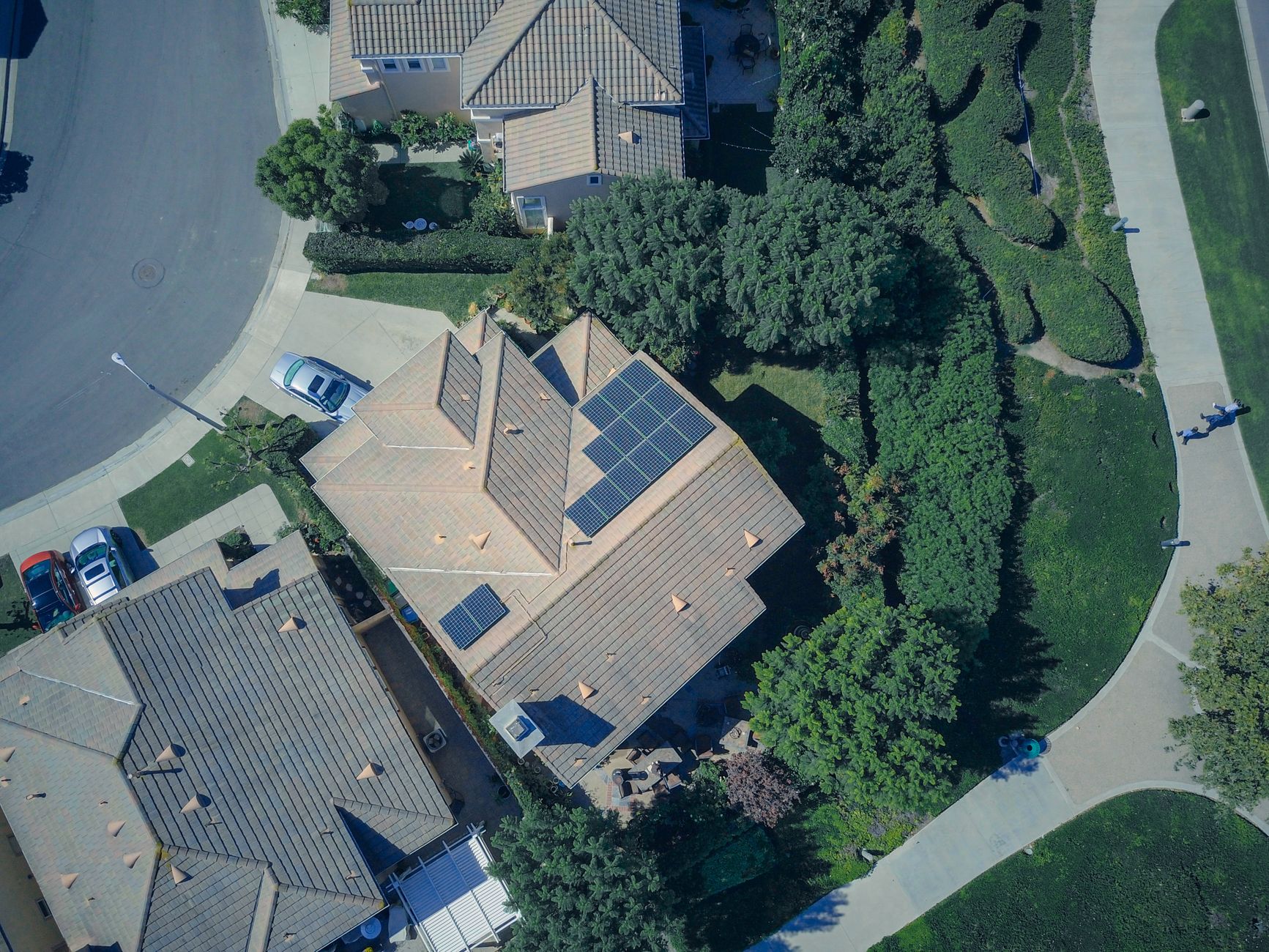
Home battery systems are quickly becoming a game-changer for households, transforming how we power our lives. As prices drop, these systems allow homeowners to store electricity from rooftop solar or the grid, ensuring power during outages and reducing strain on the overall electrical network. This shift is crucial in an era of more frequent extreme weather and growing energy demands, offering both financial savings and a powerful step towards a more resilient, clean energy future. Integrating these batteries is key to tackling climate challenges and promoting sustainable living.
Home batteries are not just about backup power; they're fundamentally changing the role of our homes in the energy system. Traditionally, homes have only consumed energy, but with solar panels and batteries, they can produce and store their own electricity. This means you can power your home at night with solar energy collected during the day or even sell excess power back to the grid when demand is high, turning your home into a valuable 'prosumer' – a producer and consumer.
Beyond daily energy management, these systems provide critical resilience. When the power goes out, perhaps due to increasingly common severe weather events, batteries can seamlessly switch your home to an independent 'microgrid.' This ensures you maintain power for essential needs, potentially for days, helping you ride through multi-day outages caused by storms or wildfires.
The demand for electricity is soaring, driven by the electrification of homes with technologies like heat pumps and electric vehicles (EVs), alongside massive data centers. By storing and managing power at home, these batteries help ease the burden on the central grid, contributing to a more stable and reliable energy supply for everyone. Interestingly, your electric car can also act as a large battery for your home, providing power during outages or even supporting the grid itself.
This trend aligns with a broader shift towards decentralized energy, moving away from large, central power plants to a network of smart homes that produce, store, and intelligently use their own energy. This approach not only makes the entire system more robust but also helps combat climate change by maximizing renewable energy use and reducing reliance on fossil fuels.
For homeowners, investing in these systems offers significant financial advantages. They can help hedge against rising energy prices and lead to substantial savings on utility bills, with payback periods often ranging from four to eight years. After this, your energy costs are drastically reduced, as you're primarily powering your home with your own system. To accelerate this transition and make it accessible to more people, stable government policies that support these technologies are essential, ensuring a clear path for investment and growth in sustainable home energy solutions.