Your old e-bike battery isn't dead yet. See its new life.

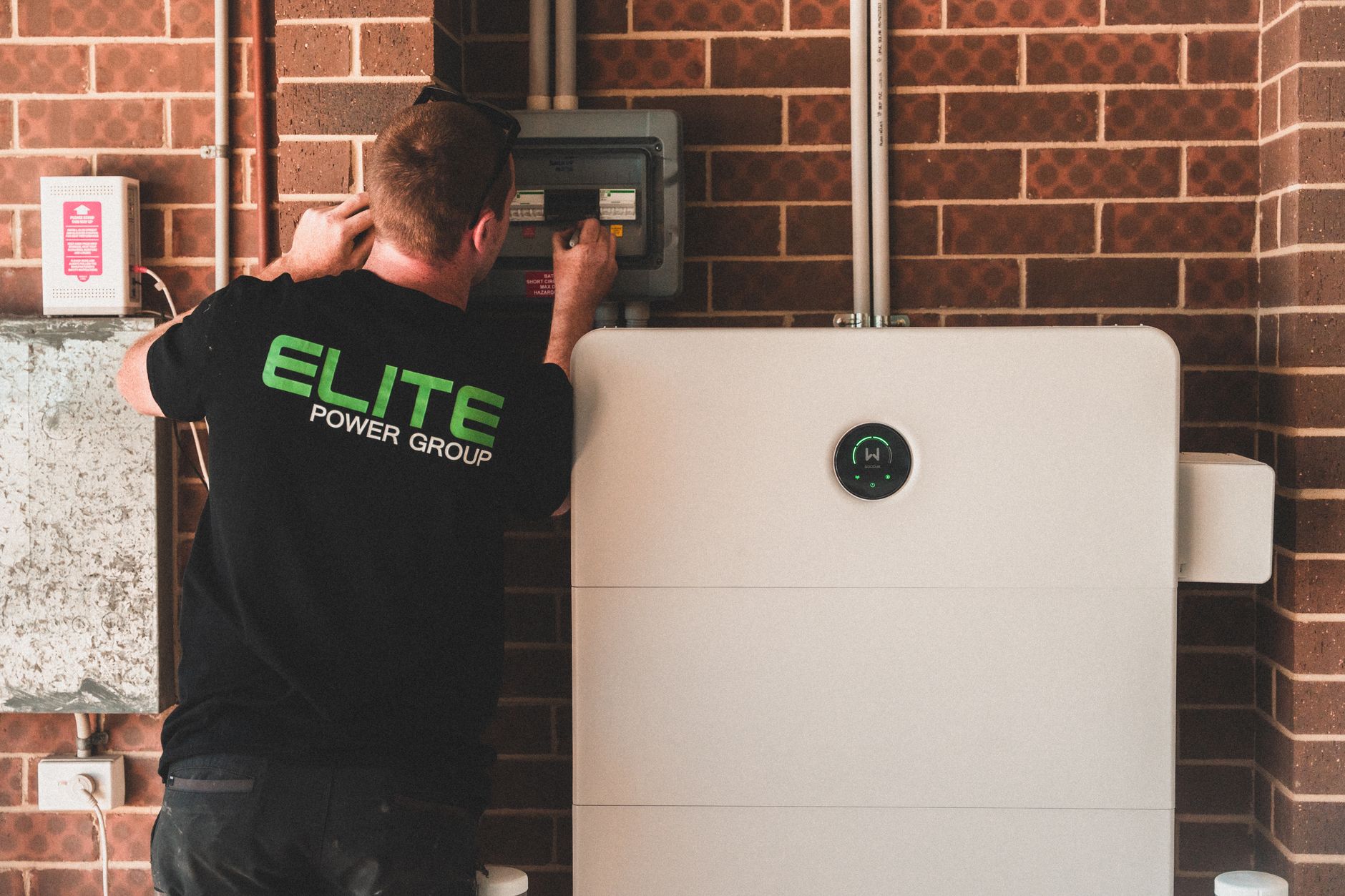
Millions of e-bike and e-scooter batteries are discarded annually, often retaining significant capacity. This widespread waste presents a growing environmental challenge. A German startup, EDENenergy, is tackling this issue head-on by giving these 'second-life' batteries a crucial role in stationary energy storage systems. Their innovative approach not only reduces landfill waste but also makes clean energy storage more affordable and accessible, marking a vital step toward a more sustainable future.
Millions of e-bike and e-scooter batteries are discarded each year, despite often retaining a lot of life. This growing waste problem is being tackled by EDENenergy, a German startup that gives these batteries a crucial second chance. They’ve launched their first commercial 70-kilowatt-hour energy storage system using 112 repurposed e-scooter batteries, proving that these once-discarded power sources can still contribute significantly to our energy needs.
Tests showed these used batteries actually held onto about 90% of their original capacity, even better than the expected 80%. In their new role within static storage systems, these batteries face none of the tough conditions (like vibrations or extreme temperatures) they endured in vehicles, allowing them to last even longer. Should a module eventually wear out, it can be swapped out easily without shutting down the entire system, a major benefit for businesses needing constant power.
This innovative system is perfect for companies with solar panels looking to store their clean energy, making green power more reliable. EDENenergy isn't stopping there; they're working on systems that can accept different types of batteries from various manufacturers, greatly expanding their ability to reuse. Larger systems, up to 300 kWh using around 500 second-life modules, are also in development. Ultimately, when these batteries finally reach the end of their second life, they're sent for recycling, ensuring valuable materials are recovered and truly closing the loop on waste. This effort highlights a crucial step in building a more sustainable future and underscores the importance of electrification and responsible resource management.