Your Power Company Sells Surveillance? What it Means for You.

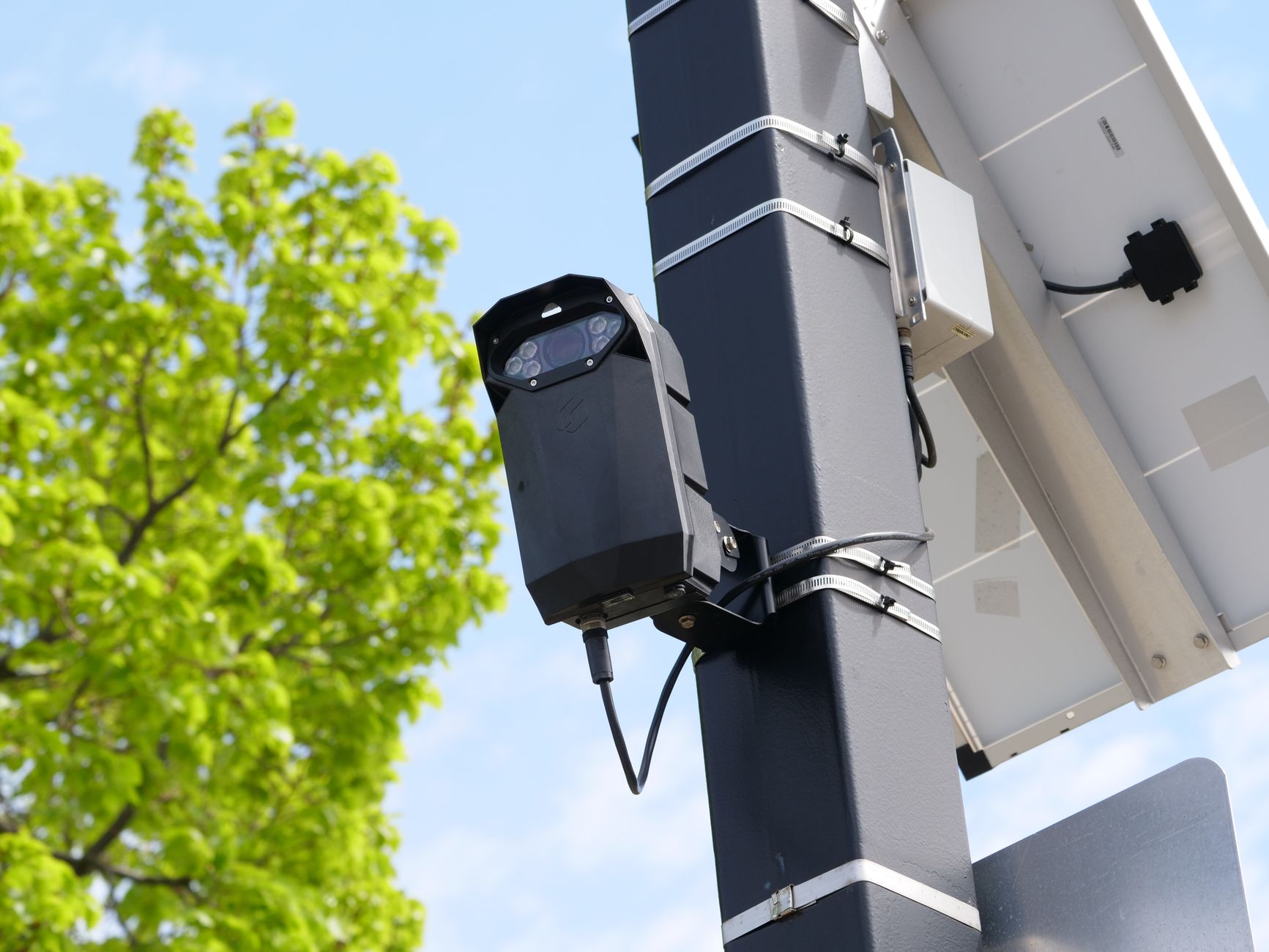
In Alabama, a surprising partnership has unfolded: Alabama Power, the state's largest utility, has become a key player in expanding surveillance. Partnering with companies like Flock Safety, the utility resells and installs license plate readers and cameras on its power poles across more than 80 municipalities. While supporters tout enhanced public safety, residents and experts are increasingly concerned about privacy, potential data misuse, and the alarming lack of transparency surrounding these powerful surveillance networks. This unique arrangement raises serious questions about who is watching and what happens to the collected information.
Across Alabama, residents like Darrell Nance, founder of DeFlock Birmingham, are noticing more and more surveillance cameras on power poles, often in plain sight. These aren't just simple security cameras; they're advanced systems, including automated license plate readers (ALPRs), capable of collecting vast amounts of location and vehicle data. What's surprising is the central role Alabama Power, the state's largest electric utility, plays in this expanding network.
Since at least 2019, Alabama Power has acted as a reseller for companies like Flock Safety, marketing these surveillance systems to local governments. The utility handles the installation on its existing power poles, provides electricity and internet connectivity, and then adds the costs directly to the municipality's power bill. This convenient arrangement, detailed on the company’s website, has led to over 80 cities and counties partnering with Alabama Power for these services, enabling the rapid spread of surveillance infrastructure.
Law enforcement agencies praise the technology, calling it a vital tool for solving crimes and locating individuals. However, the benefits come with significant concerns about privacy and accountability. Experts, like Elizabeth Joh, a professor of law at the University of California, Davis, find the arrangement "interesting and troubling," highlighting how it obscures relationships, costs, and data access. There are worries about sensitive location data being collected and shared in ways residents don't realize.
Indeed, instances of misuse have already garnered headlines, with officers from two police departments in Alabama and elsewhere allegedly using surveillance data improperly. A Washington Post investigation found 50 similar incidents nationwide. Despite Flock Safety introducing policy changes, in its announcement, critics like Mark Linn believe law enforcement cannot be fully trusted with such powerful tools. Senator Arthur Orr of Alabama has even said he believes there should be "significant guardrails" on this technology, citing worries about illicit snooping.
Research on the efficacy of automated license plate readers has shown a limited, if any, deterrent effect on crime. The scale of data collection is immense; records from the sheriff’s office in Morgan County, for instance, showed over 100,000 vehicles scanned in 30 days, with access granted to over 1,000 law enforcement agencies nationwide, including the FBI. Many contracts between cities and Alabama Power are not publicly disclosed, and some, like one between Moody and Alabama Power, suggest the utility "may authorize the disclosure" of captured content to third parties. This opaque system makes it difficult for citizens to understand who has access to their information and how it's being used, raising fundamental questions about privacy in the digital age.