Your 'Recyclable' Coffee Cup Isn't Going Where You Think

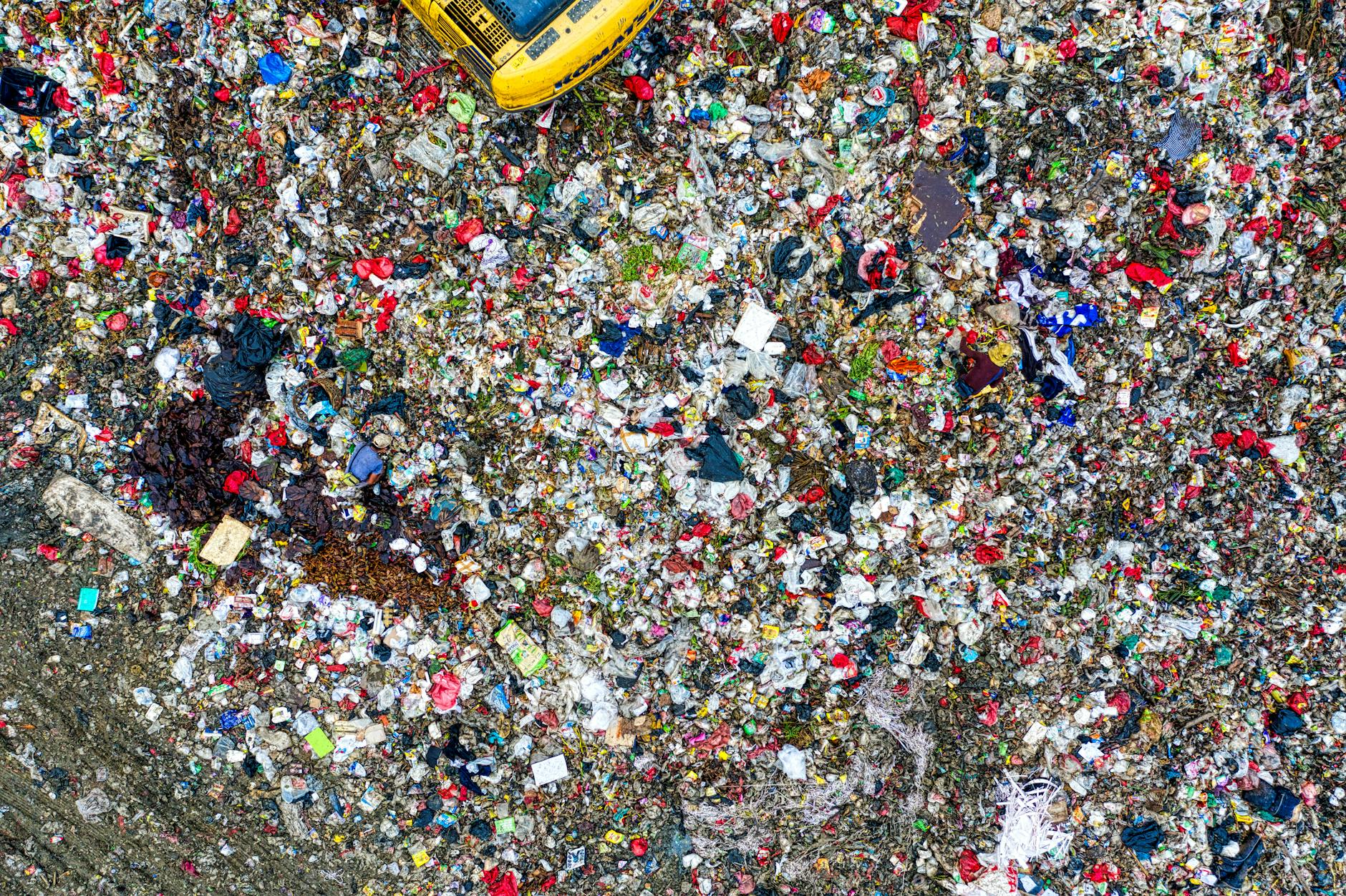
Starbucks recently announced that its plastic to-go cups are now "widely recyclable" across over 60 percent of U.S. households. This sounds like good news for the environment, but experts say there's a significant catch. Just because a cup can be collected for recycling doesn't mean it actually gets recycled; the real recycling rate for these plastic cups remains alarmingly low, often just 1 or 2 percent. This disparity highlights a crucial challenge in waste management, emphasizing the urgency of effective climate action and genuine sustainability efforts.
The claim of "widely recyclable" for polypropylene (PP) plastic cups, like those used by Starbucks, means that a significant portion of the population has access to curbside collection for these items. However, experts, including plastics researcher Alex Jordan, point out that this "access rate" is often confused with the "real recycling rate"—the amount of plastic actually turned into new products. The unfortunate reality is that even when placed in recycling bins, most of these cups are likely to end up in landfills or incinerators, undermining environmental goals.
Polypropylene is a challenging material for recycling facilities. It's frequently contaminated with food or other plastics, difficult to sort efficiently, and expensive to process. As a result, many recyclers simply don't want it, leading to a critical lack of buyers or "end markets" for this type of plastic. Without robust demand for recycled PP, the material collected often has nowhere to go but the trash.
This push for the "widely recyclable" label has been championed by industry groups like The Recycling Partnership (TRP) and GreenBlue, which receive funding from major plastic producers. These organizations have focused on increasing collection access, but critics argue they obscure the actual recycling success. States like Oregon, Washington, and California are recognizing this issue, implementing or evaluating laws that demand proof of responsible end markets and actual recycling, rather than just collection, before products can be labeled recyclable. For instance, Oregon explicitly excludes single-use PP cups from its accepted recycling list.
The environmental stakes are high. Misleading labels can lull consumers into a false sense of security, believing they are contributing to a circular economy when, in fact, their efforts might be in vain. This diversion of plastic to landfills and incinerators contributes to pollution and resource depletion. While Starbucks has publicly committed to making all its packaging reusable, recyclable, or compostable by 2030, the reliance on potentially deceptive labels suggests that broader, more impactful changes, such as a significant reduction in single-use materials, are still urgently needed.
Ultimately, the situation underscores that true environmental protection requires moving beyond superficial claims to tangible solutions. It's a clear call for collective action from companies, governments, and individuals to prioritize genuine waste reduction and reuse over recycling initiatives that don't deliver on their environmental promise.