Your Tesla Learns Home: What Maps Can’t Capture

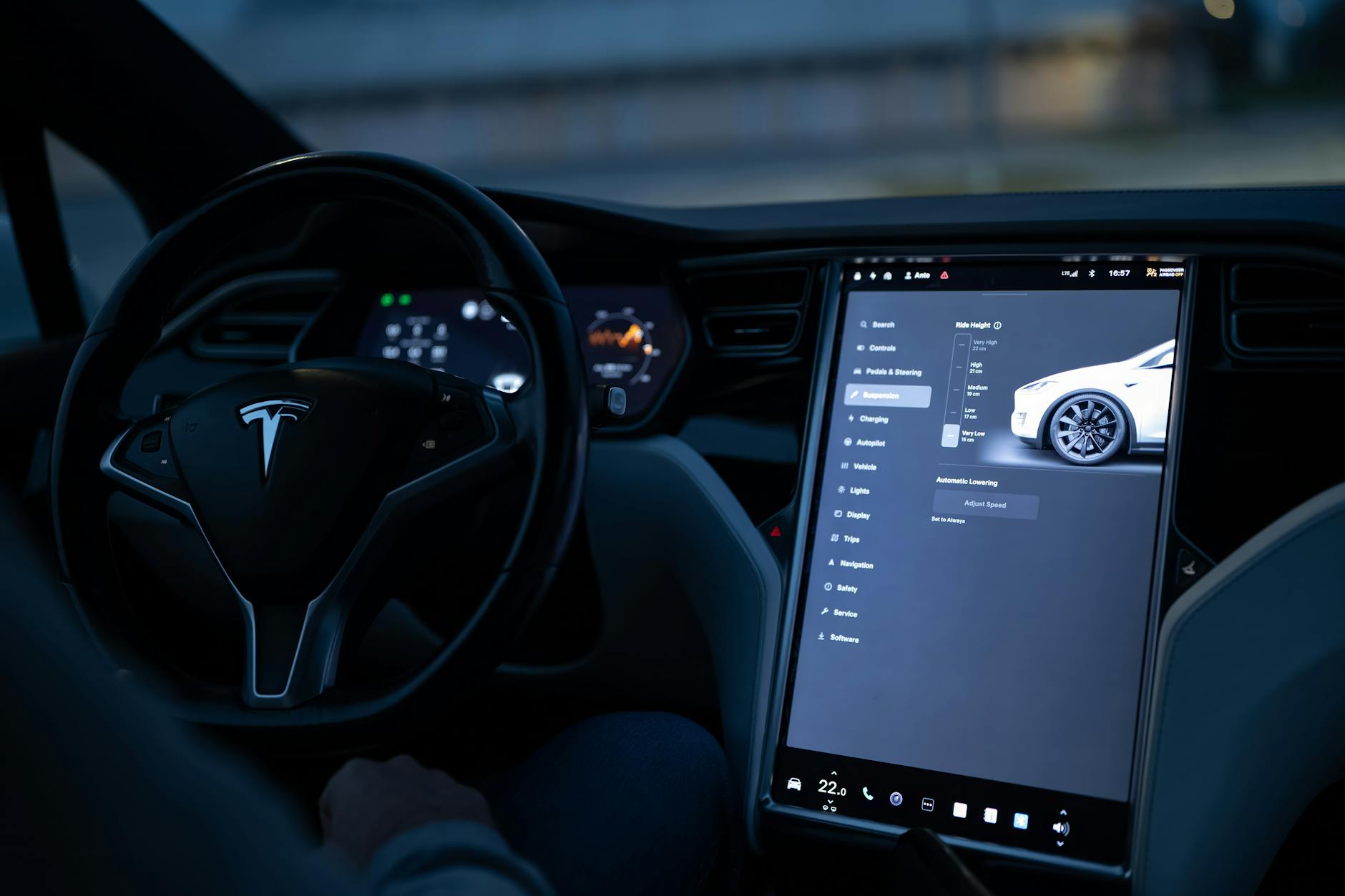
Tesla is preparing a groundbreaking update for its Full Self-Driving (FSD) system, set to arrive by September 2026. This new feature will allow drivers to verbally teach their electric vehicle specific, hyper-local instructions, like which driveway to use or the exact house to pull up to. Unlike traditional maps, the car will remember these personalized commands for future trips, making autonomous driving far more intuitive and reliable in residential areas. This advancement significantly pushes the boundaries of smart electric transportation, enhancing convenience and efficiency for sustainable vehicles.
Tesla is developing a significant upgrade for its Full Self-Driving (FSD) system, allowing owners to teach their electric vehicles using simple voice commands. This means you'll soon be able to tell your car precisely which driveway to pull into or which specific house is yours, and the vehicle will remember it for every future journey. This new capability was confirmed by Tesla VP of AI Software Ashok Elluswamy on X and is expected by September 2026. It aims to overcome common frustrations with mapping systems that often misplace pins or lack specific context in neighborhoods.
This advanced voice control integrates Tesla's AI, Grok, directly into FSD's decision-making. Until now, Grok could assist with navigation and reminders, but FSD made all the driving choices. With this update, Grok will act as a supervisor, translating your spoken wishes directly into how the car drives, making your electric vehicle truly responsive to your unique needs.
The real power of this feature lies in its ability to accelerate AI learning. Every time a driver gives a specific instruction and the car successfully learns it, that interaction provides invaluable data. This crowdsourcing of hyper-local information from millions of Tesla electric vehicles worldwide will create a detailed understanding of neighborhoods that no traditional map or simulation could replicate. This commitment to continuous learning makes electric vehicles not just cleaner, but also smarter and more adaptable, paving the way for truly intelligent transportation.
Looking ahead, this personalized learning will be crucial for Tesla's expanding robotaxi services. Imagine a future where a Cybercab already knows your preferred entrance or waiting spot because you (or a previous rider) taught it. This constant refinement through real-world input underscores how innovative electric solutions are not only transforming personal mobility but also improving urban travel, contributing to more efficient and sustainable cities.