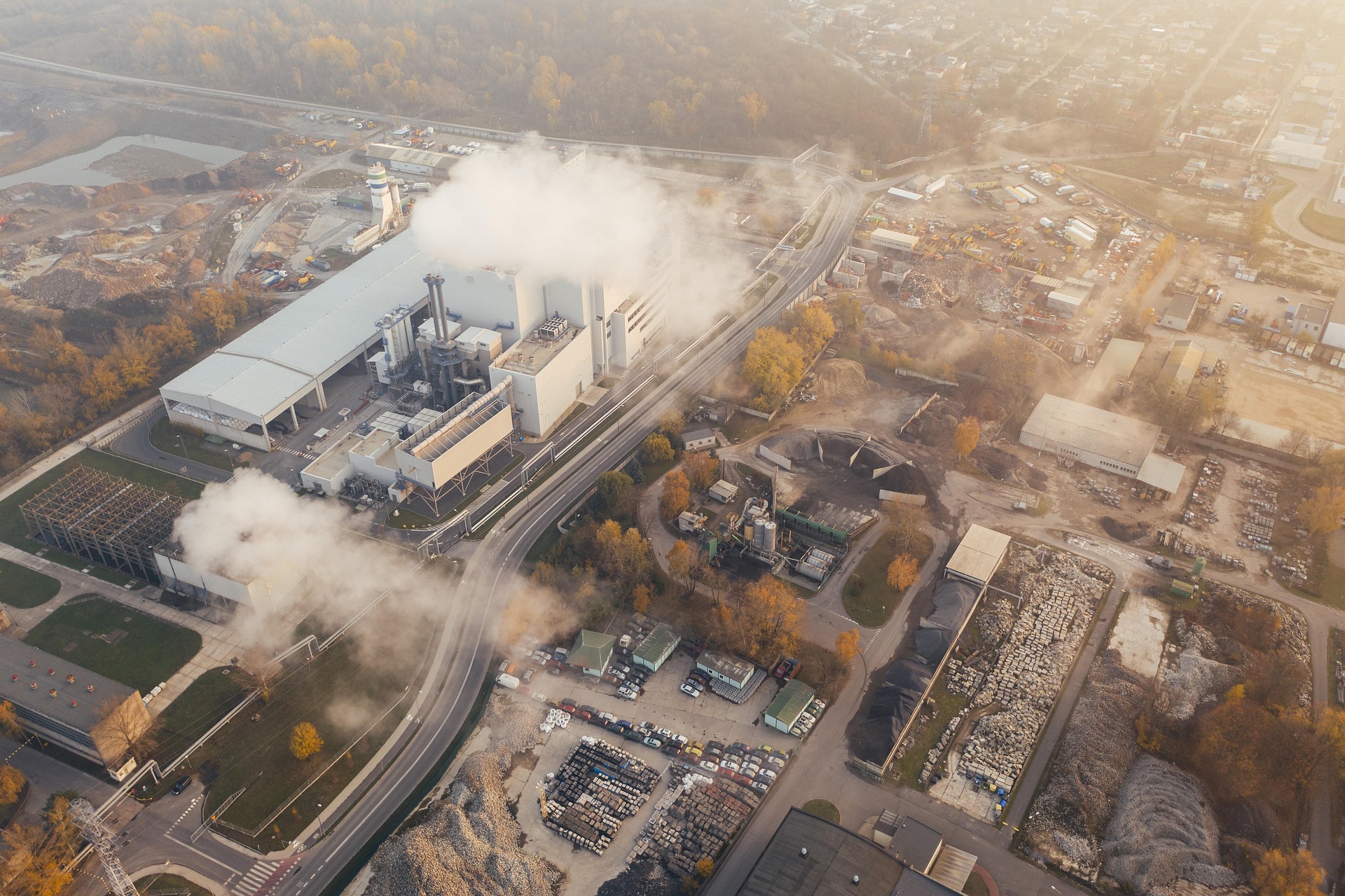
A new analysis extends the classic DICE climate–economy model to directly account for heat-related mortality—and puts a stark number on carbon’s human cost. The study introduces a “mortality cost of carbon” (MCC): in 2020, each additional metric ton of CO₂ is linked to 2.26×10⁻⁴ expected deaths, implying roughly one excess death per 4,434 tons emitted between 2020 and 2100. Incorporating these mortality damages boosts the 2020 social cost of carbon from $37 to $258 per ton and flips the “optimal” policy from slow cuts to full decarbonization by 2050. Under that path, the model projects warming near 2.4 °C and 74 million fewer deaths this century.
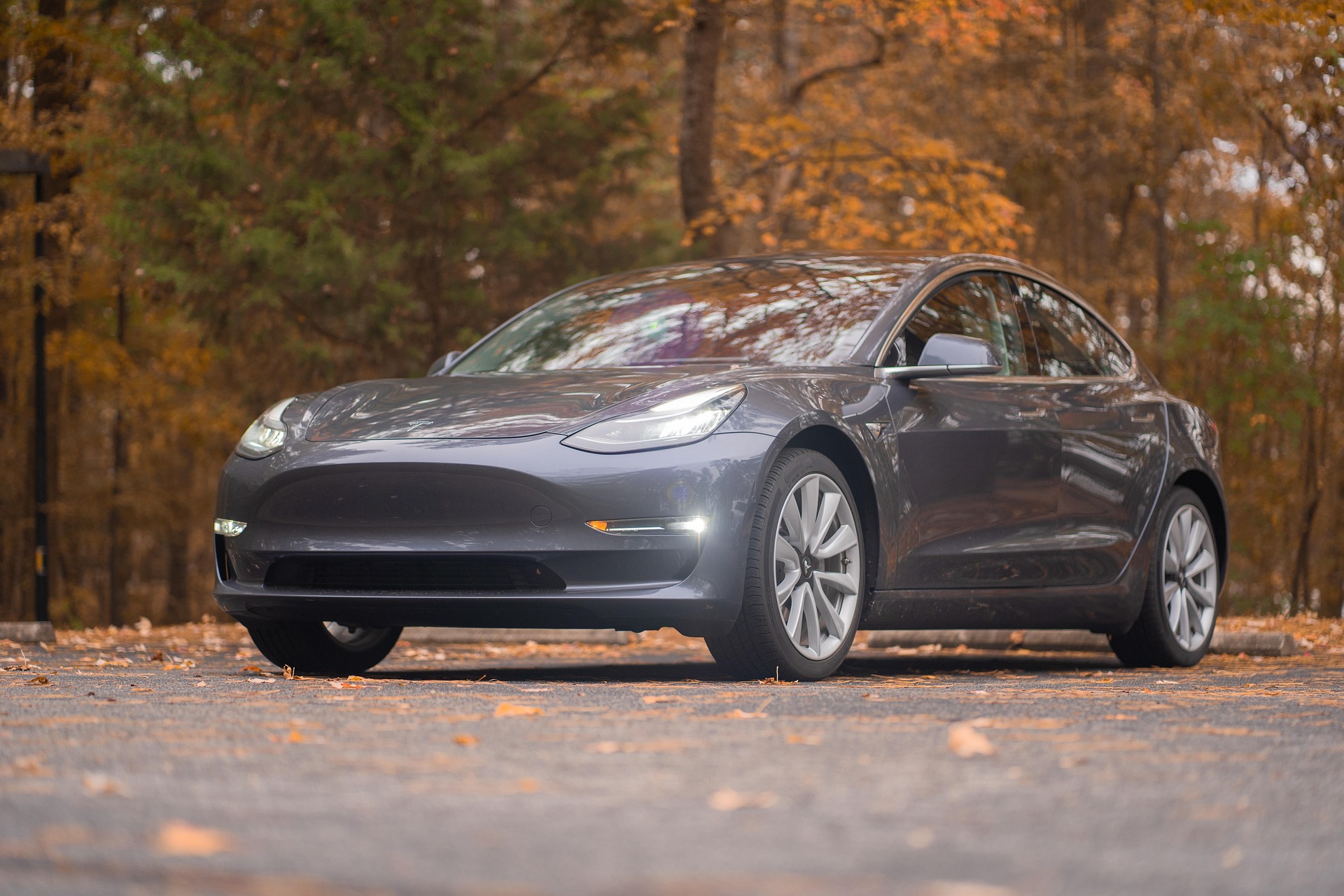
Uber Freight has launched a Dedicated EV Fleet Accelerator Program with Tesla to speed up adoption of electric Class 8 trucks. The scheme pairs purchase subsidies with guaranteed freight and route planning, lowering carriers’ risk while giving them operational guidance from Tesla on total cost of ownership. In a two-month pilot across Uber Freight’s network, Tesla Semis ran 12,377 miles with an average 1.72 kWh per mile, reinforcing the economics behind battery-electric long-haul freight, according to Uber Freight. The push aligns with Tesla’s plan to ramp Semi production in Nevada, where the first factory-built units are targeted by late 2025. Earlier pilots real-world runs have already highlighted durability and potential fuel and maintenance savings.
A growing body of research suggests the world passed “peak agricultural land” in the early 2000s, with total farmland slowly shrinking as yields rise and some pastures are abandoned. Efficiency gains and crop substitutions have spared vast areas: higher yields alone may have kept over a billion hectares from cultivation, while synthetic fibres and flavours have eased pressure on land-intensive staples like wool and vanilla. Not all freed acres revert to wild nature—plantation forests often replace them and support less biodiversity. Climate impacts, dietary shifts, and policy choices will determine what happens next. From lab-grown feed and food to greenhouse and vertical farming, technology could accelerate land release—but biofuels, urban growth, or policy rollbacks could reverse the trend according to peak agricultural land research.
Tesla’s Gigafactory Berlin-Brandenburg has been awarded the European Ecolabel (EMAS), recognizing its progress in sustainability. The certification highlights extensive reforestation, reduced water use, solar expansion, and energy efficiency improvements. Officials describe Tesla’s factory as a model for how advanced industry and ambitious climate goals can work hand in hand.
A Nature Climate Change study links tropical deforestation to about 28,000 additional heat-related deaths annually (95% CI: 23,610–33,560). From 2001–2020, 345 million people were exposed to deforestation-driven warming; affected areas saw 0.27°C average daytime warming, with 0.45°C directly attributable to forest loss. Mortality is highest in Southeast Asia, then Africa, then the Americas.