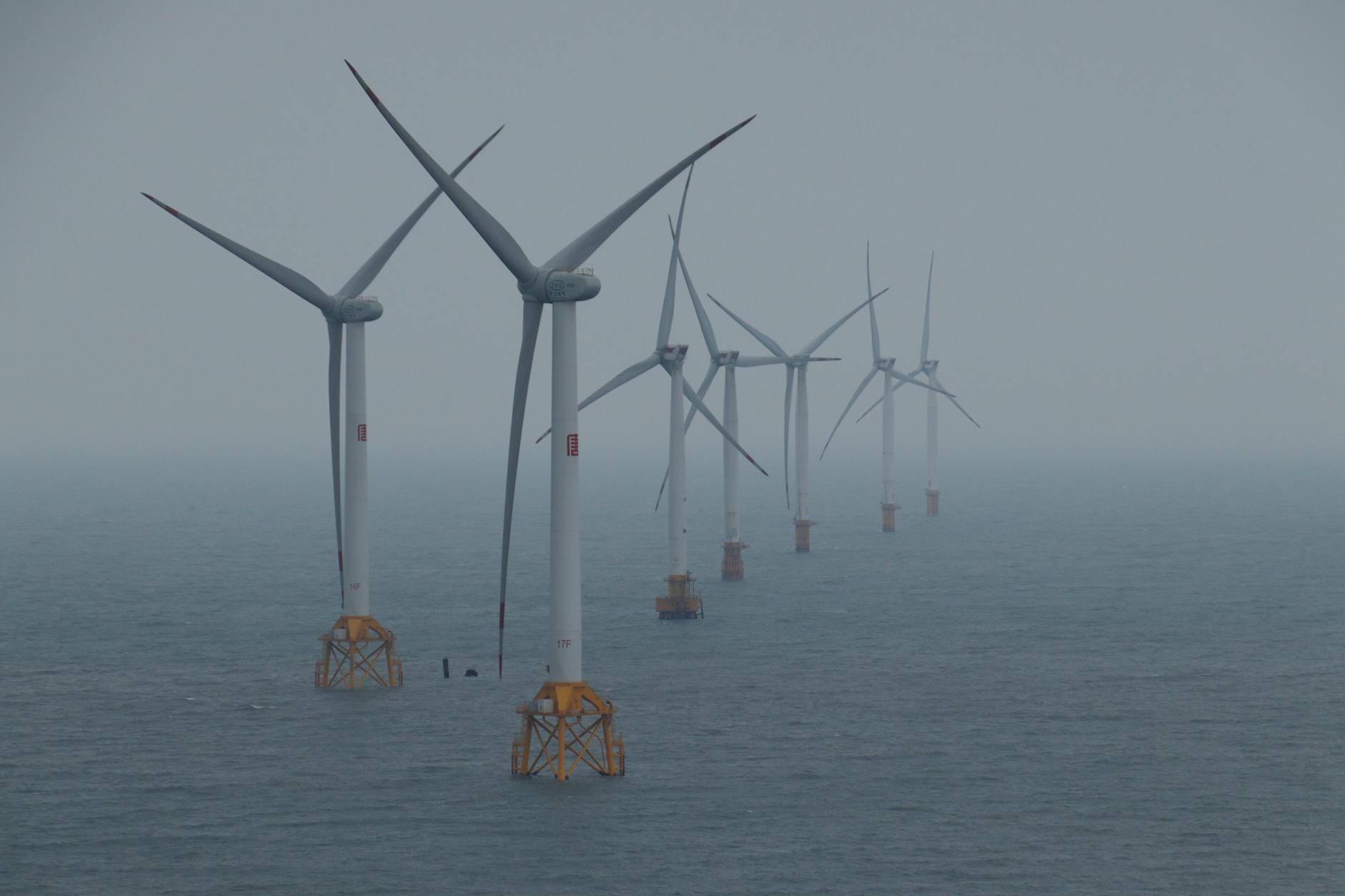
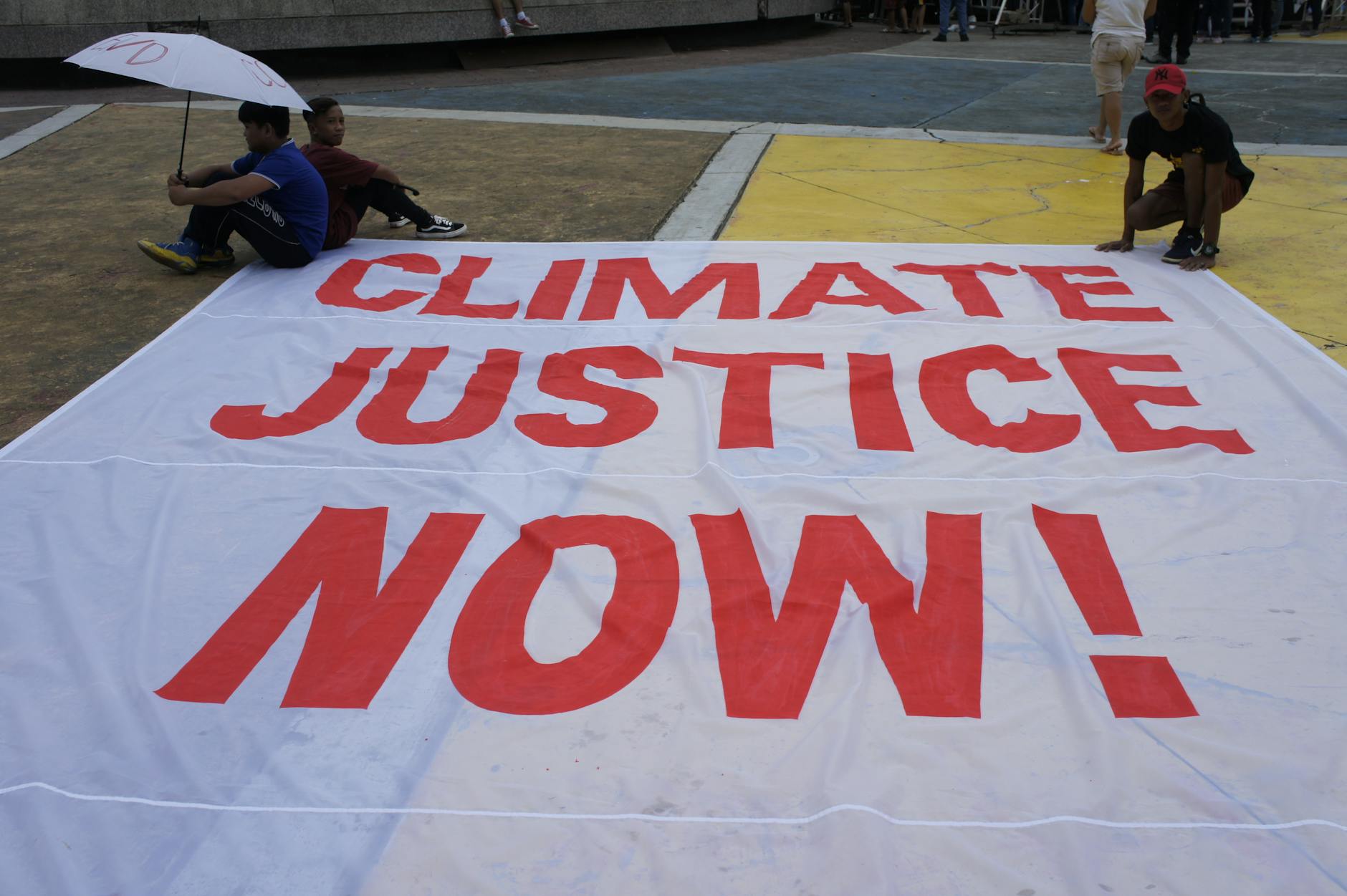
Virginia's highly competitive second congressional district is at a crossroads, with incumbent Republican Jen Kiggans facing off against former U.S. Rep. Elaine Luria. This coastal region, encompassing Virginia Beach and Hampton Roads, is acutely vulnerable to climate change, experiencing frequent blue-sky flooding and land subsidence. The election is set to be a crucial referendum on how to address these environmental challenges, with voters keenly focused on issues like offshore wind energy, coastal protection, and the economic impacts of a changing climate.
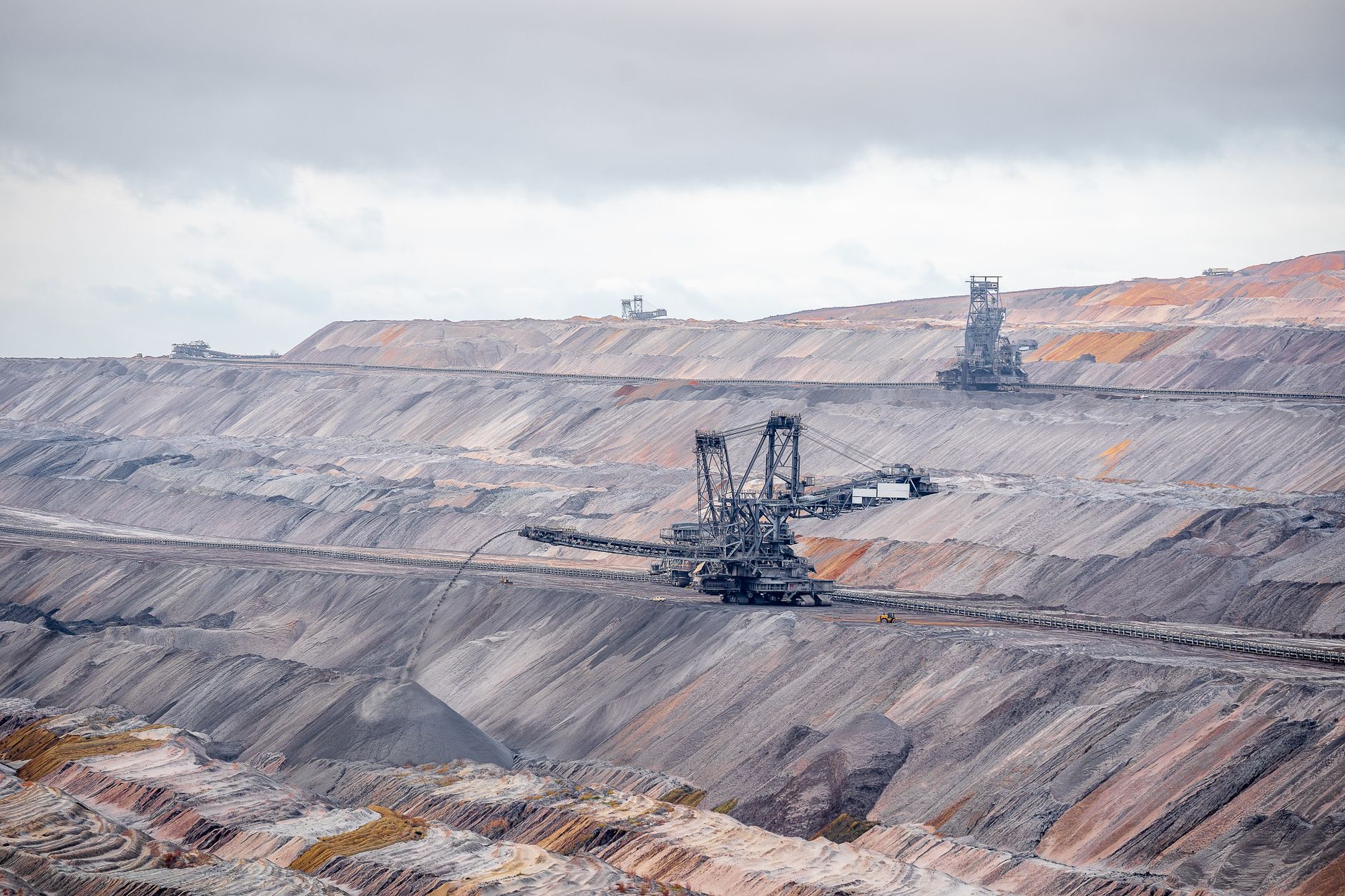
The market for lithium, a critical mineral for electric vehicle batteries and renewable energy storage, is experiencing a strong recovery. Despite recent price fluctuations, lithium remains significantly higher than a year ago. This resurgence is evident in the latest earnings report from a major producer, Albemarle, whose profits have dramatically increased. Experts agree that the long-term demand for this essential element, crucial for accelerating the global shift to clean energy, continues to look robust thanks to the growing adoption of electric vehicles and battery storage solutions.
On a day when wildfire smoke choked the Michigan skies, the Bay Mills Indian Community faced a stark paradox: state approval for oil pipeline expansion. While President Whitney Gravelle distributed air purifiers due to climate-fueled fires, Michigan greenlit permits for Enbridge's Line 5 tunnel, potentially locking in fossil fuel infrastructure for another century. This decision clashes with Michigan's clean energy goals and deeply concerns Indigenous communities, who warn of catastrophic oil spill risks to the sacred Great Lakes and call for urgent climate action.
The ambitious plan to complete the Los Angeles River bike path, creating a continuous route from the San Fernando Valley to Long Beach, faces major hurdles. An 8-mile gap through downtown L.A. remains unfinished, with costs ballooning to over $1 billion – nearly triple initial estimates. This delay postpones a crucial step toward sustainable urban living, denying residents a vital, eco-friendly transportation option and much-needed green space. Completing the path would dramatically boost electrification efforts by encouraging cycling over car use, contributing significantly to cleaner air and a healthier community.
New York City is launching a pilot program to explore a groundbreaking solution for its notoriously hot subway stations: thermal energy networks. With temperatures often turning platforms into "underground saunas," this $800,000 study aims to harness the Earth's stable underground temperatures for cooling. This innovative approach not only promises relief for commuters but also highlights a critical step towards more sustainable infrastructure. Addressing this challenge is increasingly urgent as climate change continues to bring hotter summers to the city. It’s a bold move for a century-old transit system.
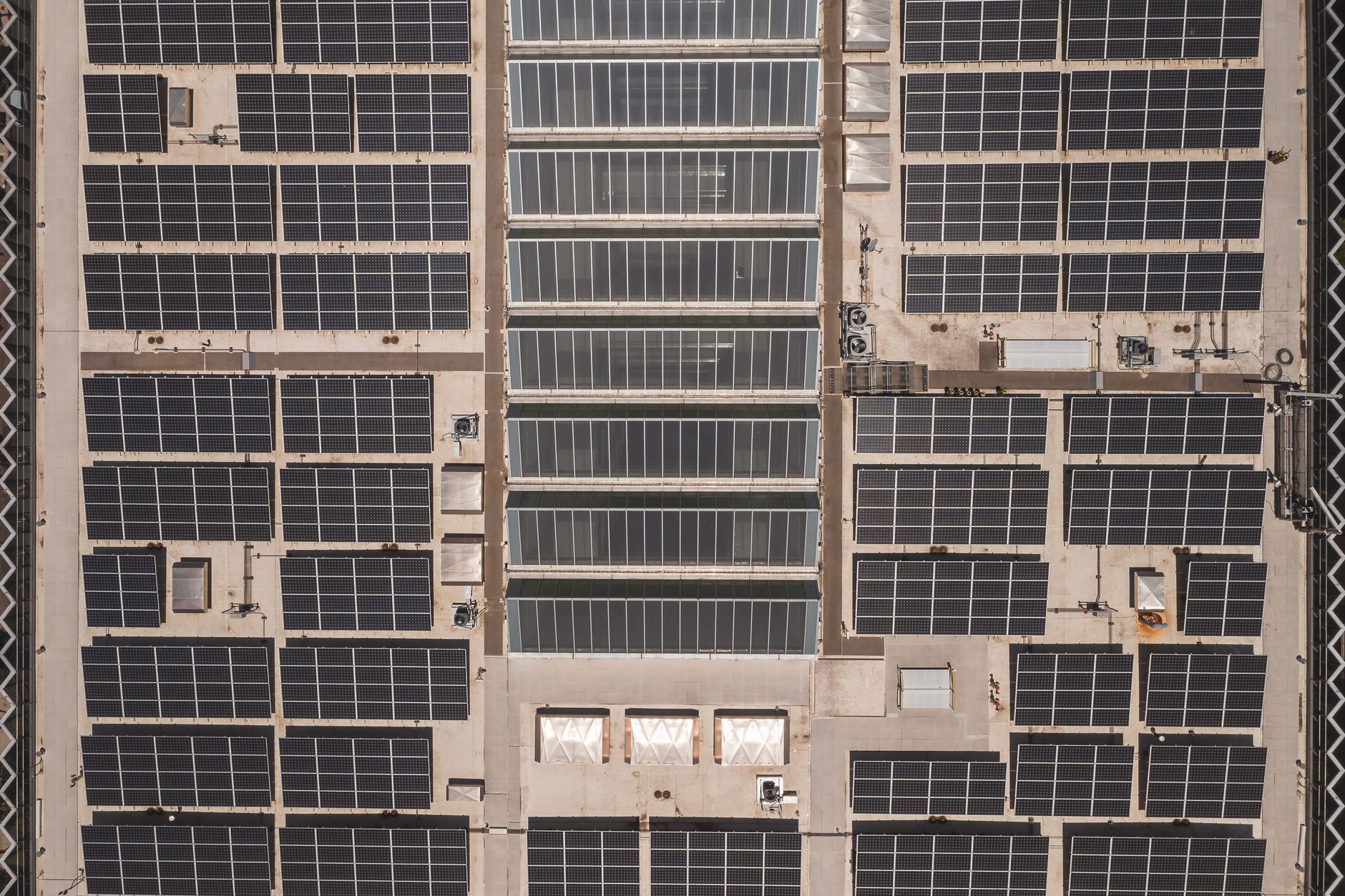
Tesla is proposing a colossal $10.1 billion solar cell manufacturing plant in Fort Bend County, Texas, signaling a significant push towards domestic clean energy production. This ambitious "Project Crystal Sun" aims to create nearly 10,000 permanent jobs, marking a major economic and environmental win for the region. The facility would produce solar cells for homes, businesses, and utilities, reducing reliance on overseas supply chains and boosting sustainable power solutions. This move underscores the critical importance of electrification and shifting away from fossil fuels, powering a cleaner future for everyone. The final decision hinges on local tax incentives, making this a pivotal moment for Texas's role in the green economy.
Tesla, in partnership with SpaceX and xAI, has revealed stunning new renders of its massive "Terafab Texas" facility, a project valued at an astounding $16.8 billion. This ambitious endeavor in Grimes County, Texas, showcases a future where advanced robotics and driverless electric vehicles work seamlessly within a strikingly designed environment. This vision highlights a significant push towards integrating sustainable transportation and automated solutions on an unprecedented scale, promising a glimpse into how future industries could operate and contribute to a cleaner planet. The project signals a major step in the ongoing global shift toward electrification and innovative manufacturing.
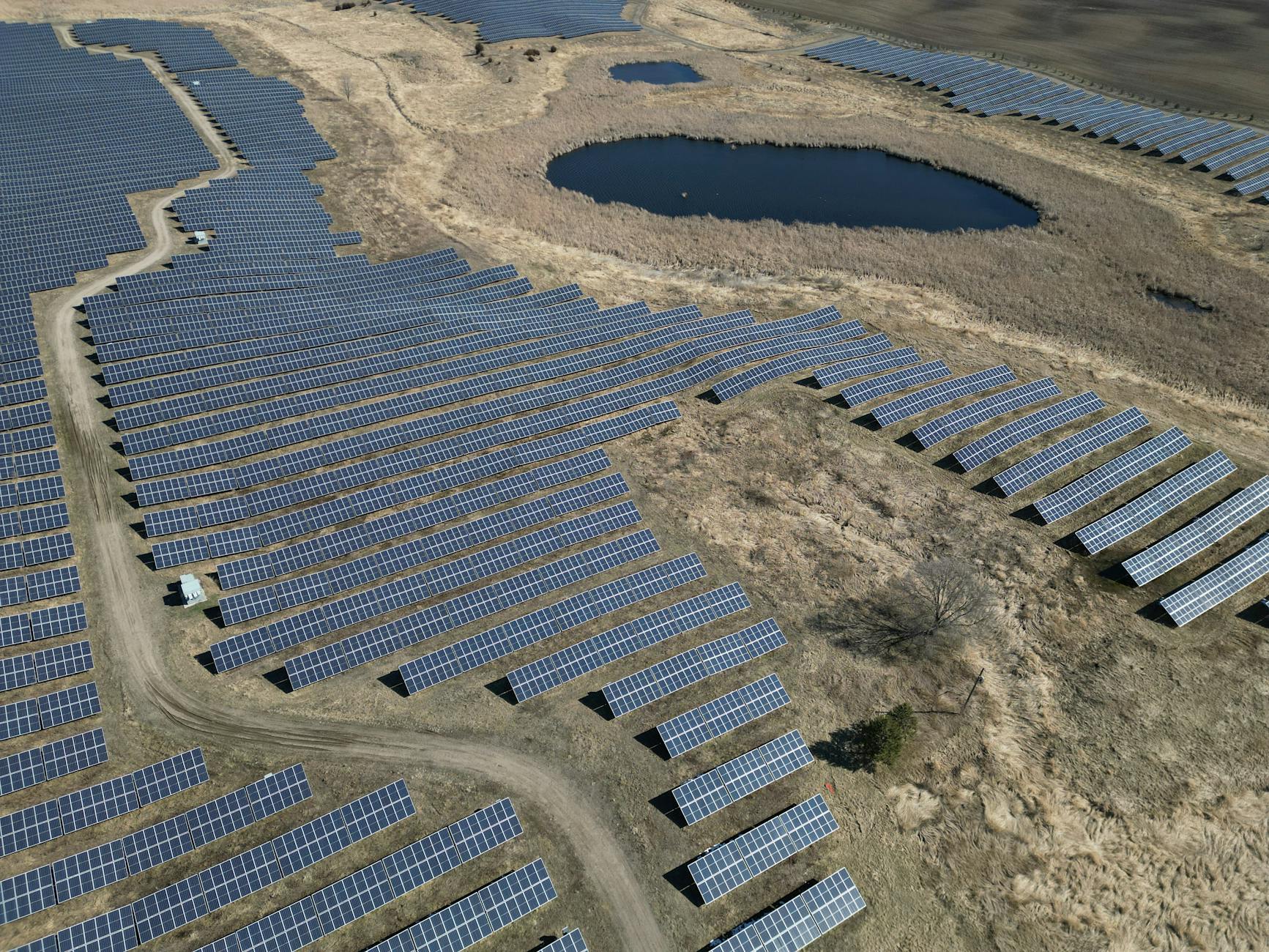
Google is significantly expanding its renewable energy footprint in Oklahoma through a new 15-year power purchase agreement with German energy company RWE. This partnership will see Google acquire all electricity from RWE’s 155-megawatt Crooked Creek Solar project, set to begin commercial operations in 2028. This move is crucial for powering Google's growing data center and AI operations, reflecting a broader commitment to clean energy and environmental action. It also promises substantial local economic benefits, including job creation and tax revenue, making it a win for both sustainability and community development.
Recent reports highlight urgent global climate challenges and varied responses. While carbon credit markets are evolving to place governments at the heart of mitigation, Europe is notably lagging, with no country on track to meet its climate action goals. Meanwhile, California is proactively addressing future climate risks in its insurance sector, a stark contrast to a new private hurricane evacuation service in Florida, underscoring growing climate inequality. Türkiye is championing resilient cities and international cooperation for COP31, demonstrating diverse global approaches to our shared environmental crisis.
The promising U.S. offshore wind industry, once poised to deliver thousands of high-paying jobs and crucial clean energy, is now in sharp decline. Recent federal policy shifts, including halted permits and canceled leases, have left many workers like Gerard Mullin, who saw their futures in this growing sector, struggling to find new employment. This sudden reversal not only devastates individual careers and local economies but also significantly delays the nation's transition to sustainable, climate-friendly power sources when urgency is paramount.
Ford is set to launch its budget-friendly electric pickup, the "Fathom," priced just under $30,000. This new vehicle, arriving in 2027, marks a crucial step for the automaker in offering an affordable electric option, designed to compete with low-cost EVs from global manufacturers. The Fathom is built on a new, efficient electric platform, aiming to make sustainable transportation accessible to more drivers. This move highlights a significant push towards accelerating the shift away from fossil fuels, offering an environmentally conscious choice at a compelling price point.
Ford is set to launch its budget-friendly electric pickup, the "Fathom," priced just under $30,000. This new vehicle, arriving in 2027, marks a crucial step for the automaker in offering an affordable electric option, designed to compete with low-cost EVs from global manufacturers. The Fathom is built on a new, efficient electric platform, aiming to make sustainable transportation accessible to more drivers. This move highlights a significant push towards accelerating the shift away from fossil fuels, offering an environmentally conscious choice at a compelling price point.