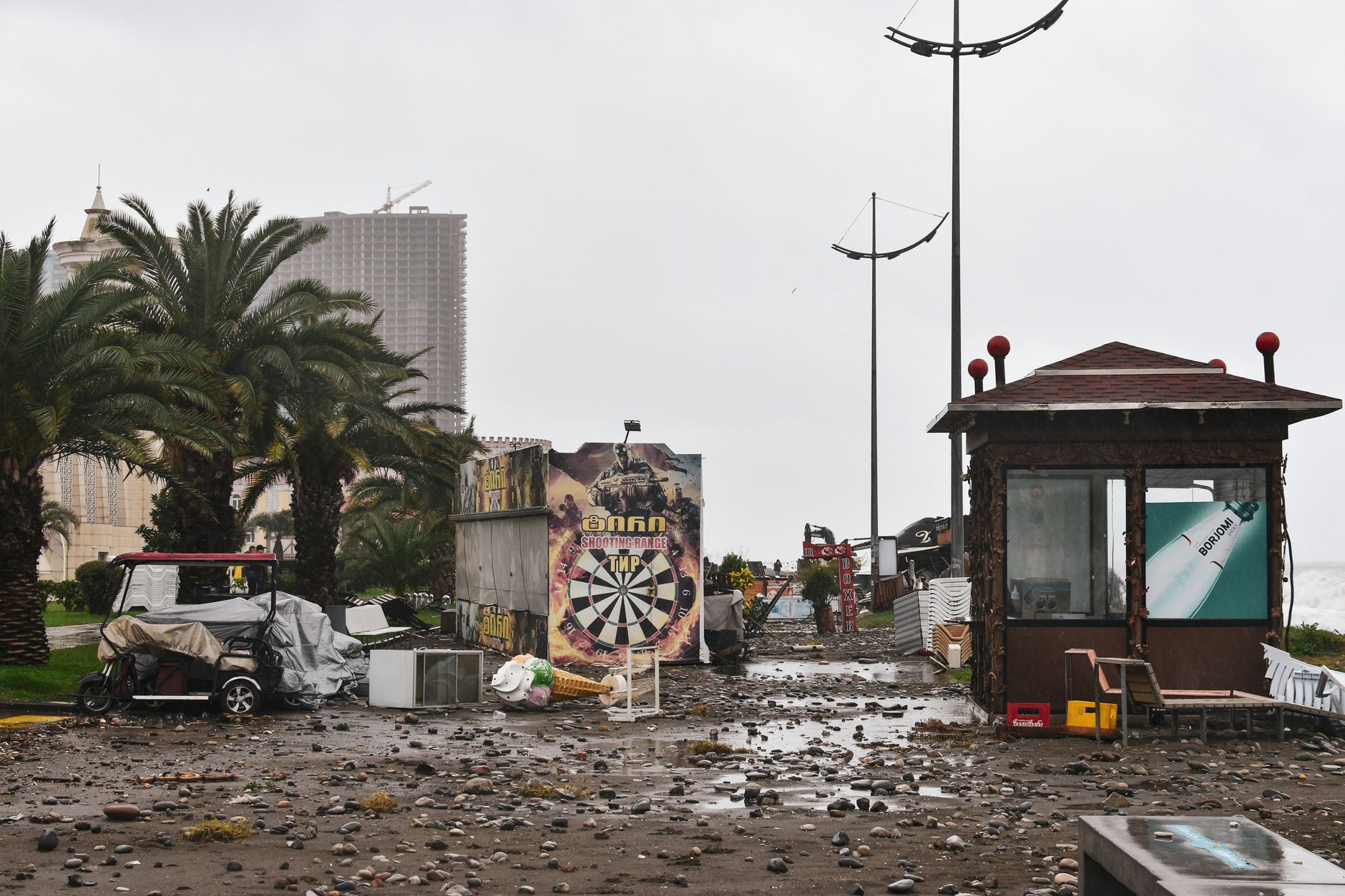
As extreme weather events become more frequent, a critical gap in disaster preparedness has emerged: many prisons and jails lack proper evacuation procedures. Across states hit by hurricanes like Milton and Harvey, incarcerated individuals have been left in danger, often without a clear plan. Experts confirm there's no nationwide standard, leading to situations where people face flooded cells, power outages, and isolation. This escalating risk, intensified by climate change, underscores the urgent need for comprehensive government plans to ensure no one is left behind during crises.
Valley fever, a serious fungal infection, is increasingly a concern in California's Central Valley, now spreading into urban areas. New research reveals a surprising link between the fungus, rodent burrows in cities, and nearby oil and gas drilling operations. This dangerous disease, which can cause severe respiratory issues and even be fatal, is exacerbated by activities that disturb the soil. Experts warn that human actions play a crucial role in the expanding footprint of this environmental health threat.
NASA's crucial GRACE-Continuity satellite mission, designed to monitor Earth's vital water systems, is navigating significant budget challenges. This next-generation mission tracks everything from melting ice sheets and rising sea levels to depleting aquifers, providing critical data for understanding global warming. Despite using most of its emergency funds due to unforeseen issues like a major wildfire and manufacturing hurdles, the project remains remarkably on track, showcasing resilience in the face of environmental and financial pressures. This mission's data is more critical than ever as our planet faces accelerating climate change impacts.
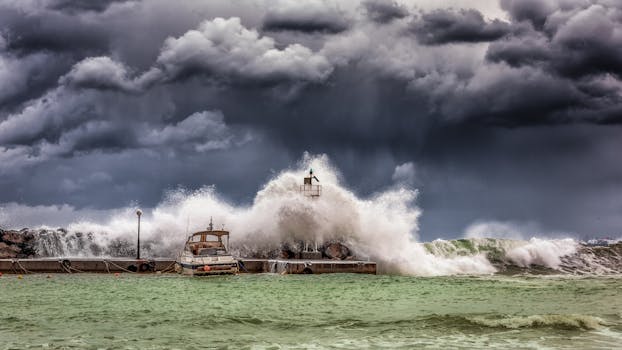
The Pacific Ocean is experiencing an unusually active hurricane season, with multiple powerful storms simultaneously threatening landmasses. Hawaii is facing its third hurricane watch this year, a record, as Tropical Storm Nolo rapidly strengthens and brings predictions of extreme rainfall. Meanwhile, Hurricane Polo, a prolonged major hurricane, is forecast to impact Mexico's Baja California Peninsula with significant force. This surge in activity underscores the urgent need to address climate change, as warmer waters often fuel more intense and frequent weather events, demanding heightened preparedness from vulnerable communities.
X (formerly Twitter) is taking a firm stance against fraudulent engagement, filing a lawsuit in England against individuals accused of faking interactions to profit from its past Creator Revenue Sharing program. The company claims the scheme netted over £207,000, prompting legal action to safeguard its platform and legitimate creators. This move coincides with X's recent overhaul of its creator compensation model, shifting focus from pure engagement to rewarding original content. The platform aims to ensure a fair ecosystem where creativity, not system gaming, is truly valued.
Tesla has rolled out Grok Bot, an advanced AI assistant designed to transform the driving experience. This new feature allows drivers to manage emails, calendars, tasks, and even complex errands using voice commands, keeping their hands on the wheel and eyes on the road. By integrating with personal accounts, Grok Bot helps make your Tesla more than just a car—it becomes a moving office or personal assistant, streamlining your daily life. This innovation highlights a significant leap towards a more intuitive and hands-free interaction with your vehicle.
Corpus Christi is grappling with a massive financial challenge, potentially owing the state of Texas $235 million, plus an additional $72 million in interest, for a seawater desalination plant that was never built. City leaders have recently declined, for the second time in a year, to proceed with the flagship water supply project due to escalating cost concerns and ongoing political division. This contentious situation unfolds amidst a growing regional water shortage, highlighting the urgent need for responsible and sustainable infrastructure development as climate impacts intensify across Texas.
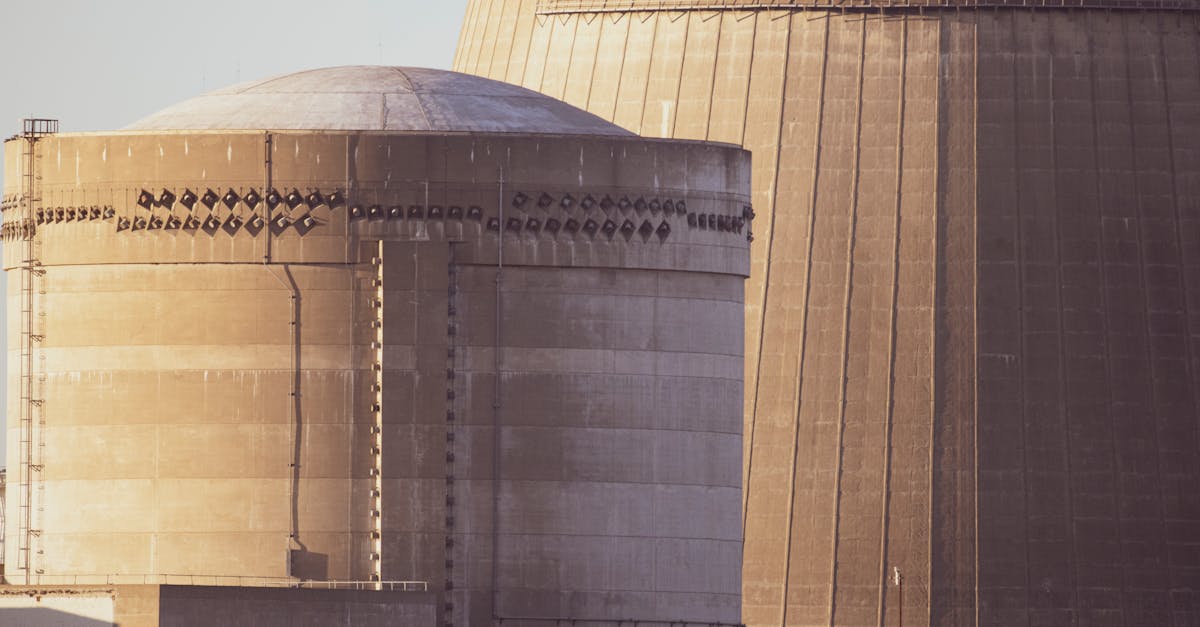
A powerful collaboration involving SGE, GE Vernova, Hitachi, and Samsung C&T is set to revolutionize Europe's energy landscape. These industry leaders have signed an agreement to explore deploying a fleet of BWRX-300 Small Modular Reactors (SMRs) across Central and Eastern Europe and the UK. This initiative aims to provide 4.2 GW of reliable, low-carbon electricity, a crucial step toward meeting climate goals and bolstering energy independence. By adopting advanced nuclear technology, Europe is moving decisively to reduce emissions and ensure a stable power supply for millions.
The Pacific Ocean is churning with extreme weather as two powerful hurricanes, Polo and Nolo, threaten coastal communities in Mexico and Hawaii. Hurricane Polo is expected to bring life-threatening flooding and mudslides to southwestern Mexico, while Tropical Storm Nolo, set to become a hurricane, is poised to unleash catastrophic rainfall on Hawaii's Big Island. These intensifying storms highlight the severe environmental challenges facing vulnerable regions, underscoring the urgent need for robust climate action and preparedness. Residents in both areas are rushing to protect homes and businesses from the looming danger.
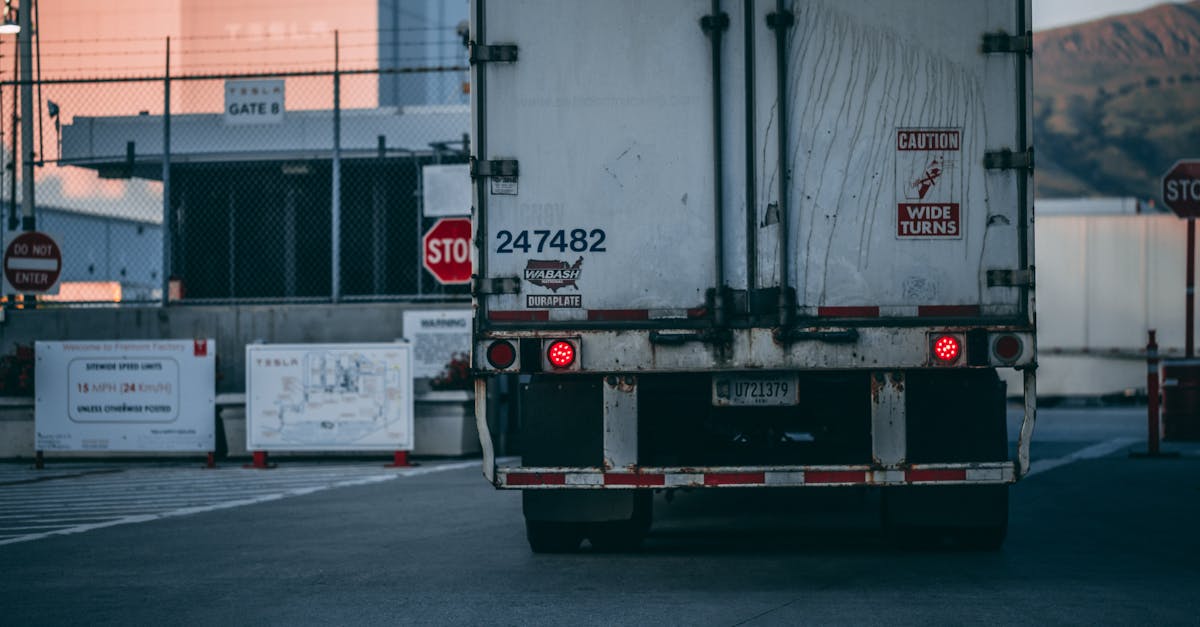
Tesla is opening its dedicated Semi factory in Sparks, Nevada, marking a significant step for electric heavy-duty transport. Ahead of the official handover event, drone footage has revealed several major companies, including PepsiCo and Einride, are already committing to integrate Tesla's electric Class 8 trucks into their fleets. This milestone event not only accelerates the adoption of sustainable logistics but also highlights a critical shift towards reducing carbon emissions in the transportation sector, offering a clearer path to cleaner air and a healthier planet.
Artificial intelligence is at a crossroads, with leaders offering wildly different views on its future and climate impact. While some tech companies at Climate Week NYC highlight AI's potential for clean energy, others, like former President Trump, dismiss concerns as a "hoax," linking them to climate change denial. Crucially, new research suggests that AI's vast energy demands and its use in boosting fossil fuel production currently outweigh its benefits for sustainable solutions. This emerging picture raises significant questions about AI's true environmental footprint and the need for immediate action.
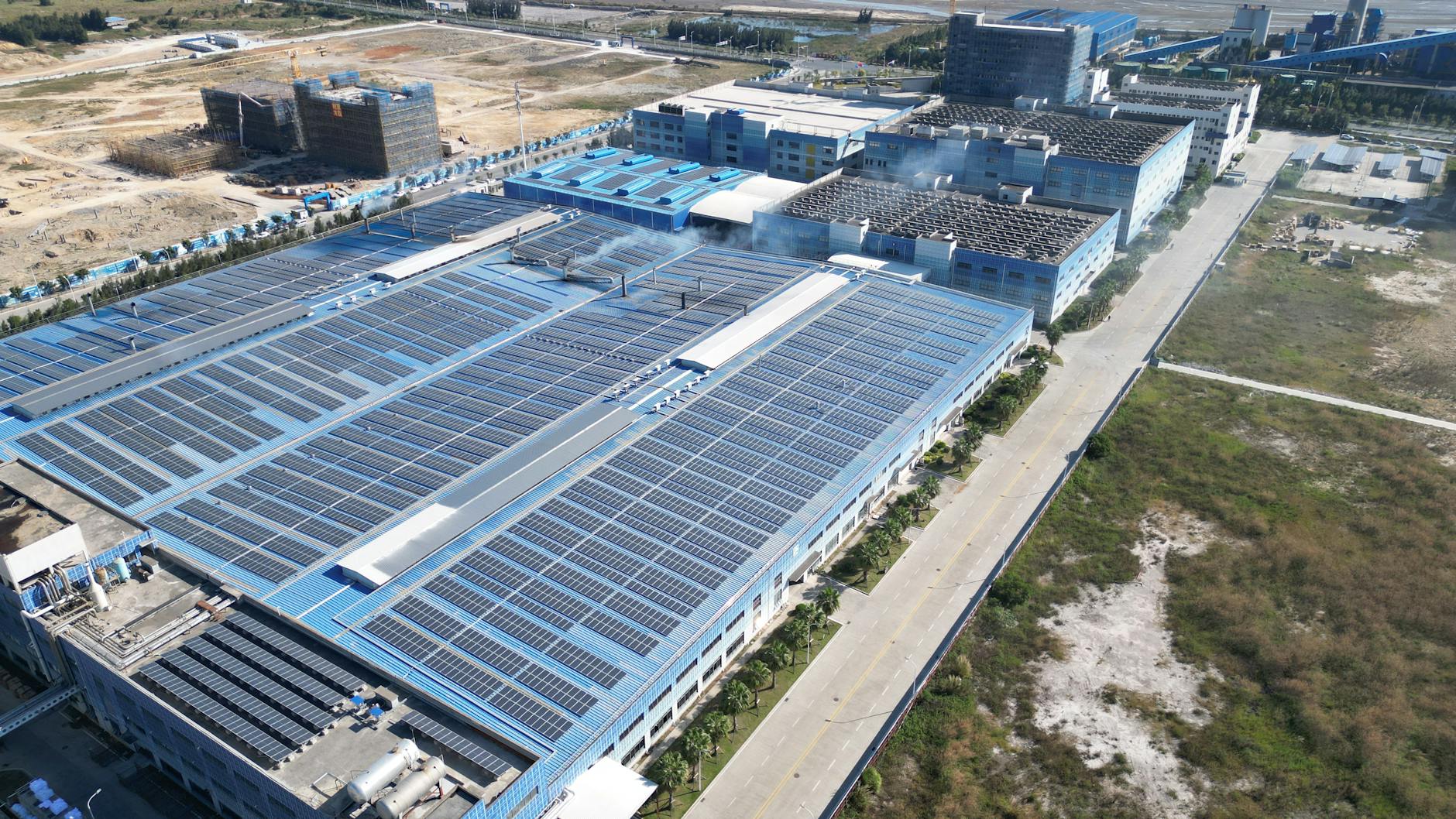
The U.S. solar industry is undergoing a monumental transformation, pivoting sharply towards domestic manufacturing. A staggering $12.2 billion is expected to be invested in U.S. solar factories by the end of 2026, marking a pivotal shift away from overseas reliance. This surge in homegrown production is crucial for building a more resilient, sustainable energy future and accelerating our progress in tackling climate change. With significant expansion in module and cell manufacturing capacity, the nation is building a robust foundation for cleaner energy independence.