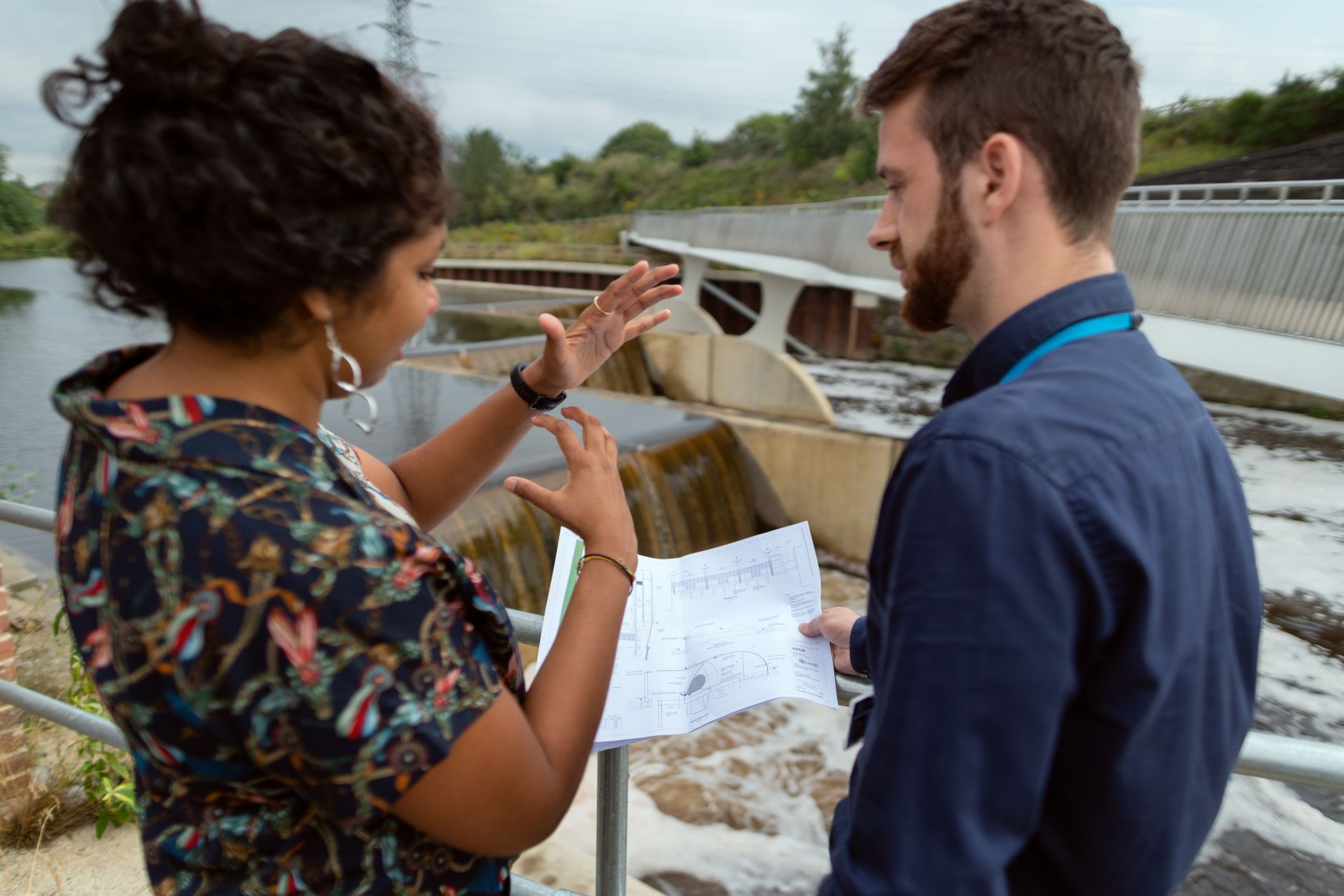
Despite decades of dire warnings and alarming images, progress on climate change remains challenging. Political polarization and public anxiety have hampered effective action, prompting experts to suggest a radical new approach to how we discuss this critical issue. Will Hackman, author of "Radically Reframing Climate Change," believes it's time to shift our focus and language. This fresh approach aims to engage new audiences and accelerate the shift towards sustainable, electrified solutions, emphasizing tangible benefits over abstract fears.
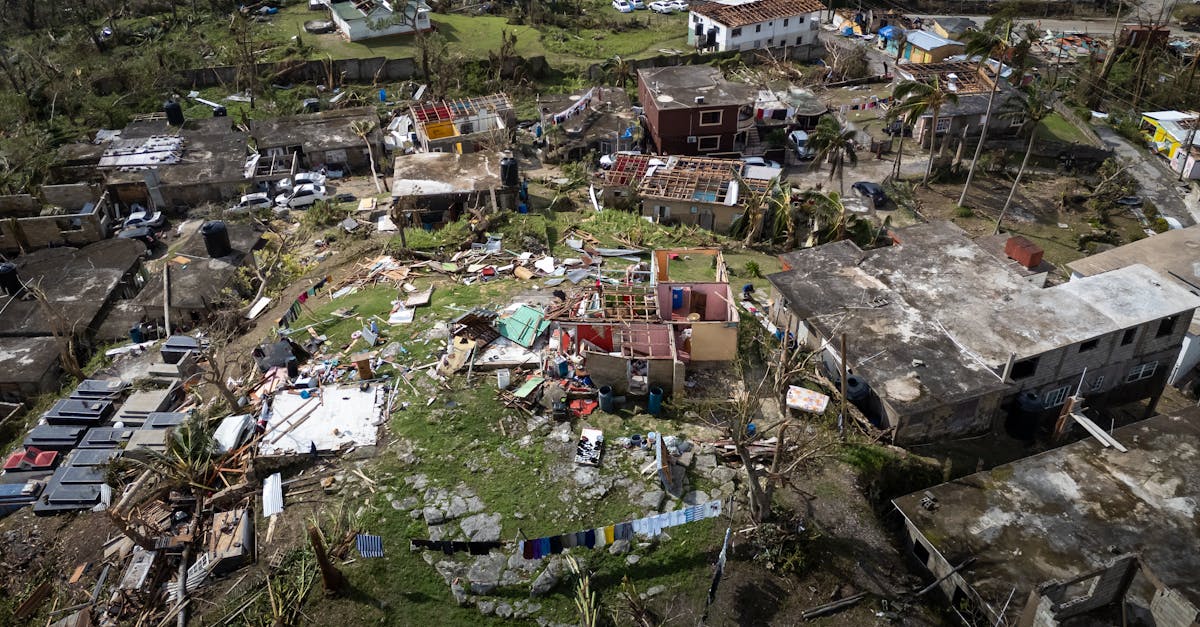
Two years after Hurricane Helene, many survivors continue to grapple with its profound mental health consequences, far beyond the initial cleanup. A recent University of Missouri study reveals a concerning prevalence of PTSD and depression among those affected by the severe storm and its flooding. This ongoing emotional toll underscores the critical need for long-term support in communities facing increasingly intense weather events, a stark reminder of the broader human costs of our changing climate.
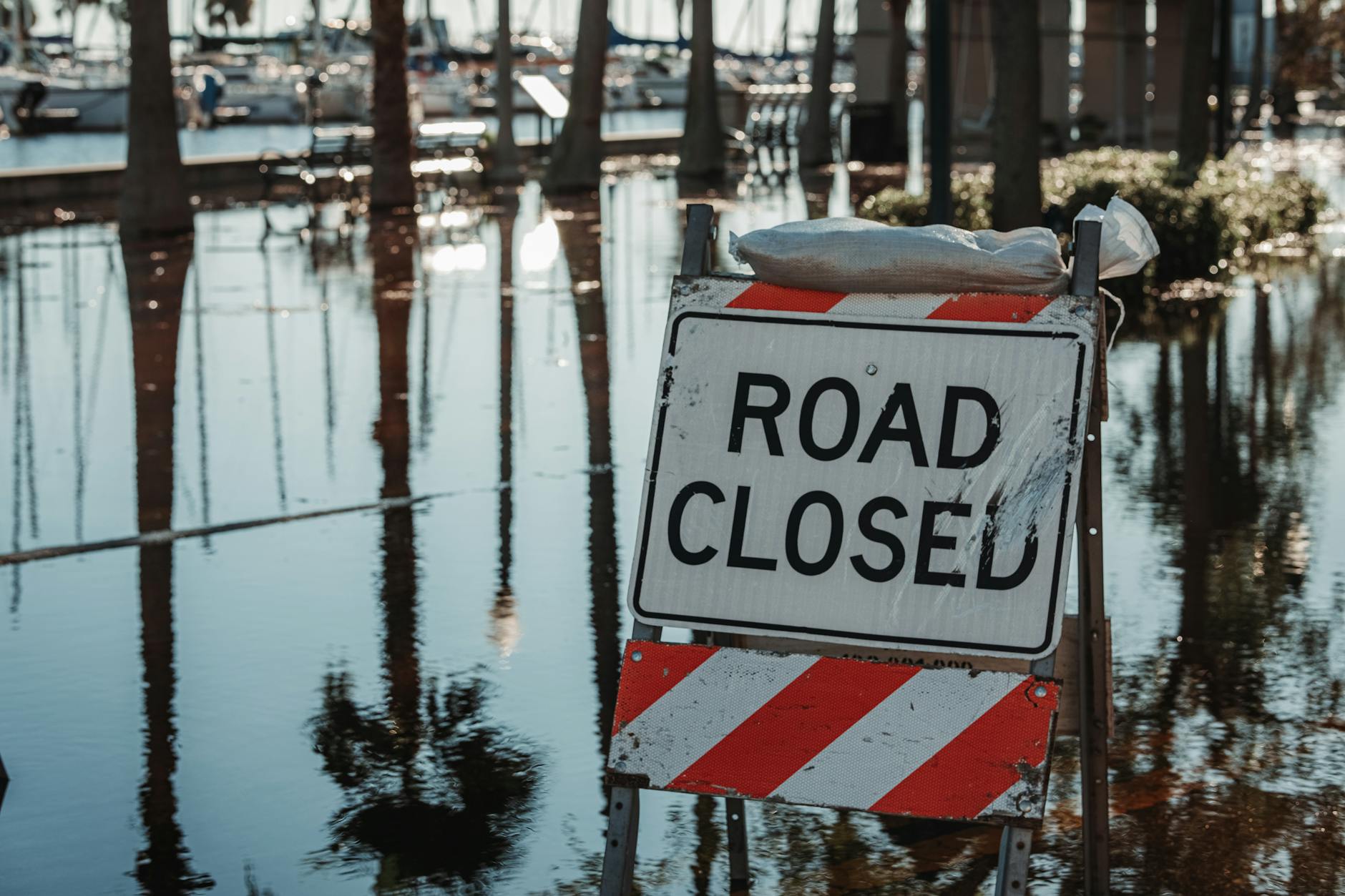
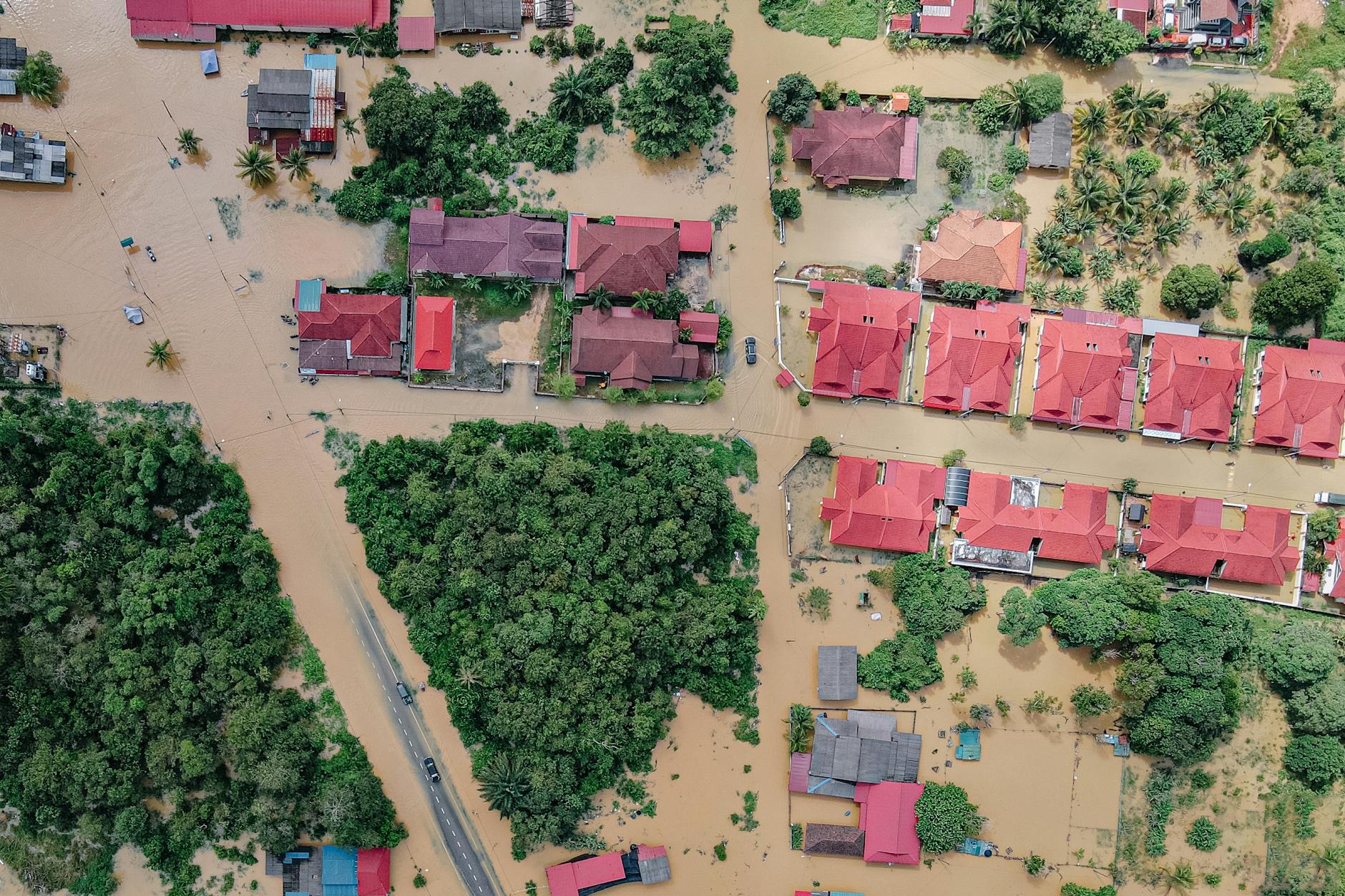
The world's oceans are churning with exceptional storm activity, posing immediate threats to communities across multiple regions. Hawaii braces for potentially catastrophic flash floods from Hurricane Nolo, while Hurricane Polo unleashes torrential rains and dangerous surf along Mexico's coast before its projected landfall. Meanwhile, an unusually early nor'easter is causing significant coastal flooding and erosion from the Outer Banks to New England, demonstrating the intense and varied challenges we face from a dynamic climate. These events underscore the urgent need for robust climate action and sustainable infrastructure to protect vulnerable areas.
The global oceans are currently experiencing an unusually high level of storm activity, with multiple hurricanes and tropical storms churning across both the Pacific and Atlantic basins. Hawaii is bracing for potentially catastrophic flash flooding from Hurricane Nolo, while Mexico's coast has already been battered by Category 5 Hurricane Polo. Additionally, a rare September nor'easter is bringing significant coastal flooding and erosion to the U.S. Northeast. This surge in powerful weather events underscores the increasing vulnerability of coastal communities and the urgent need to understand and adapt to changing climate patterns.
In a crucial move for global climate action, Germany is creating a secure backup for vital U.S. climate data at its German Climate Computing Center (DKRZ). This ambitious project, dubbed "CMIP7-ark," aims to protect essential research from potential political interference, data manipulation, or loss. With global warming intensifying, ensuring the integrity and accessibility of climate simulations and historical data is more critical than ever. This international effort highlights the urgent need for robust data resilience to support future climate assessments and guide sustainable solutions.
The UN General Assembly recently heard urgent pleas for climate action, with Secretary-General António Guterres declaring the climate crisis has shifted from a “distant warning” to a “daily reality.” Despite being overshadowed by other global crises, a critical declaration on escalating sea-level rise was adopted, highlighting severe, irreversible risks and an unprecedented 6mm rise in 2024. While the path to global climate consensus remains challenging, an unexpected boost for cleaner energy solutions has emerged from geopolitical events, underscoring the growing imperative for immediate and widespread environmental action to safeguard our planet.
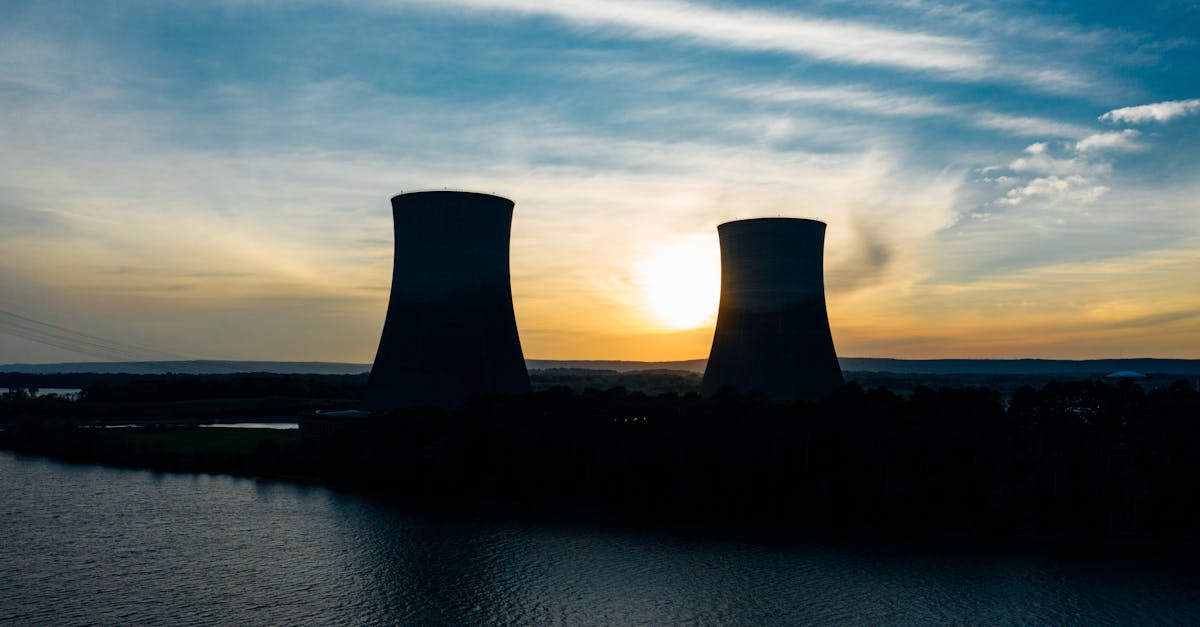
The former Indian Point nuclear power plant, just north of New York City, is at the heart of a significant political and environmental dispute. While currently undergoing decommissioning, there's a strong push to reopen it, raising serious concerns among residents and activists about public health and ecological risks. This debate is unfolding in a crucial congressional race, where candidates are split on whether nuclear power offers a clean energy solution or poses a potential hazard. The plant's history of environmental incidents and rising energy emissions since its closure highlight the complex challenges of moving towards a truly sustainable, carbon-free future.
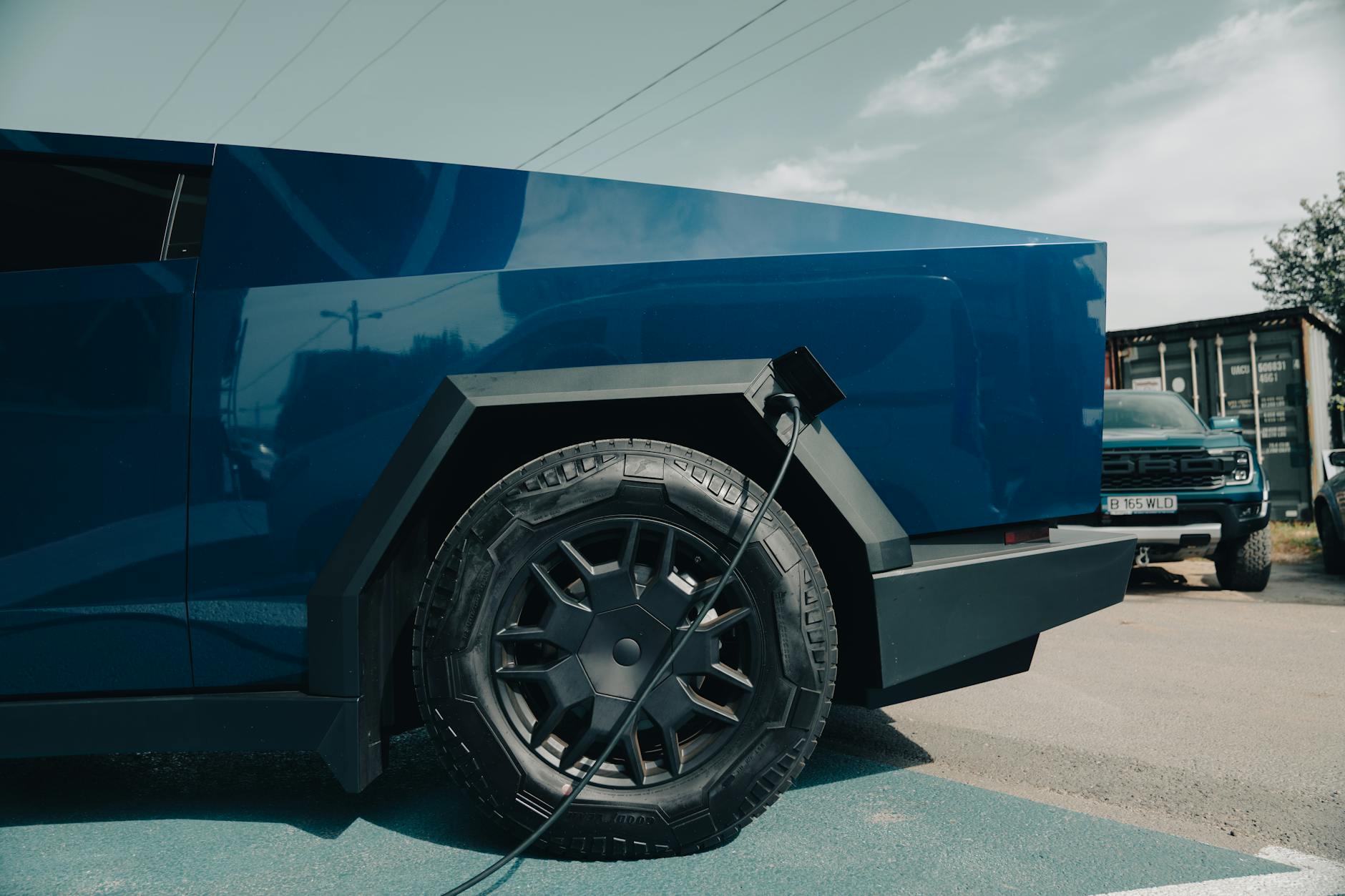
The U.S. trucking industry is making a monumental leap toward a greener future with the largest order of electric Class 8 trucks to date. This ambitious initiative, spearheaded by the ZET SCALE program with support from major companies like Microsoft and PepsiCo, aims to deploy 2,500 battery-electric trucks, potentially doubling the nation's existing heavy-duty electric fleet. This move is crucial for significantly reducing emissions from the transportation sector, a leading source of greenhouse gases, and highlights the urgent shift towards sustainable solutions.
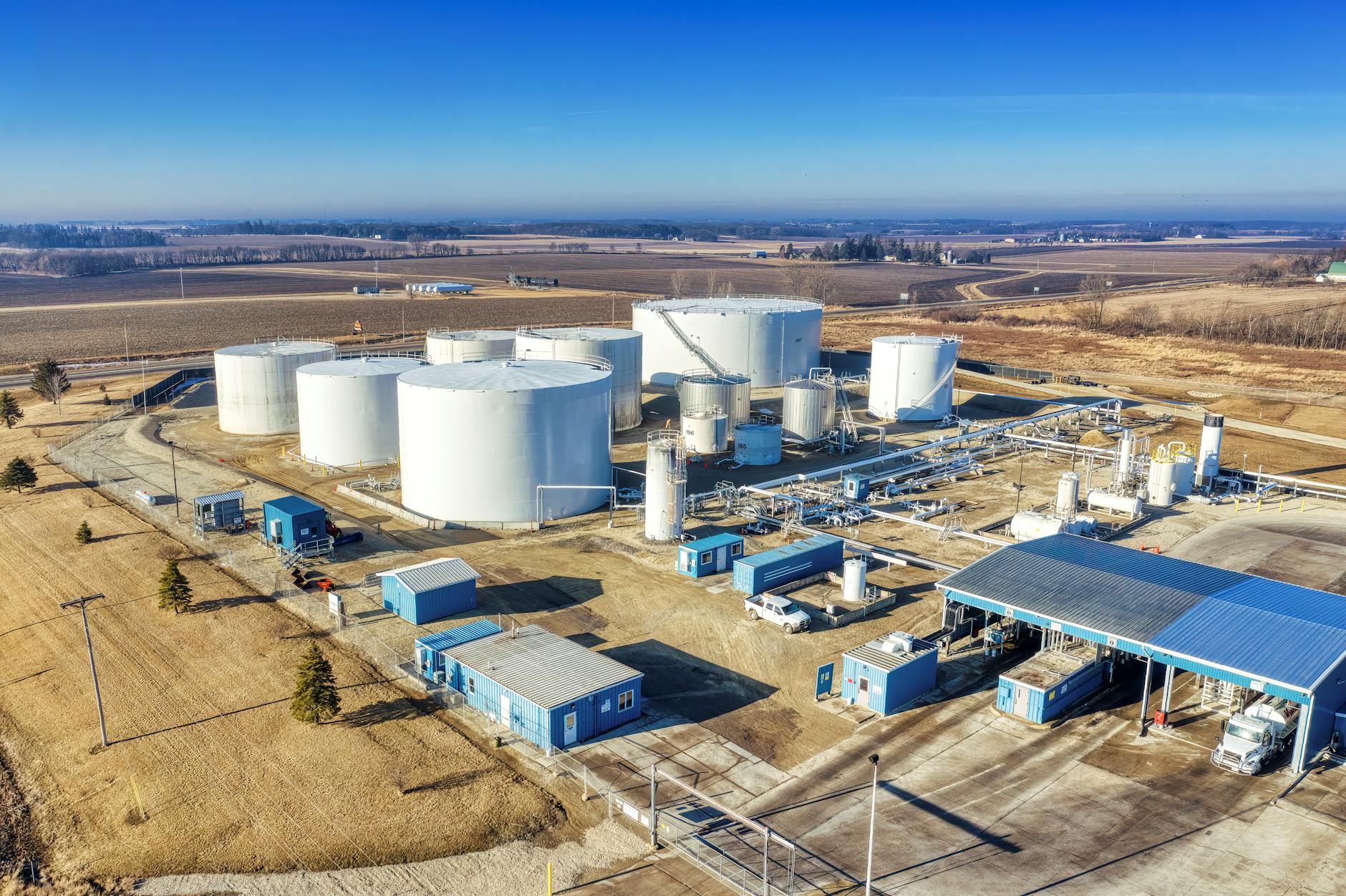
The U.S. Strategic Petroleum Reserve (SPR), a vital government oil stockpile, has dropped to its lowest levels since the 1980s. Frequent drawdowns, spurred by global conflicts and efforts to control high fuel prices, have significantly depleted this critical resource. This situation not only threatens the physical integrity of the storage facilities but also weakens the nation's ability to respond to future energy crises. Addressing this vulnerability requires urgent reevaluation of our energy strategies, pointing toward sustainable solutions.
X, formerly Twitter, has taken legal action against individuals accused of manipulating its creator payment system. The lawsuit targets an alleged network of Bitcoin-focused accounts that faked engagement to claim significant payouts. This move coincides with X’s overhaul of its creator rewards program, shifting focus from sheer engagement to original content. The company aims to protect its platform and ensure fair earnings for genuine creators, highlighting a new era for how online influence is valued.
Brazilian company Mombak is accelerating its mission to restore the Amazon rainforest, launching a new $150 million fund. This significant effort is backed by a fresh multi-year agreement with tech giant Salesforce, adding to a growing list of major corporate partners. By reforesting degraded land, Mombak helps remove harmful carbon dioxide from the atmosphere, crucial for combating global warming. This initiative showcases a powerful blend of private investment and nature-based solutions working to protect our planet's vital ecosystems.
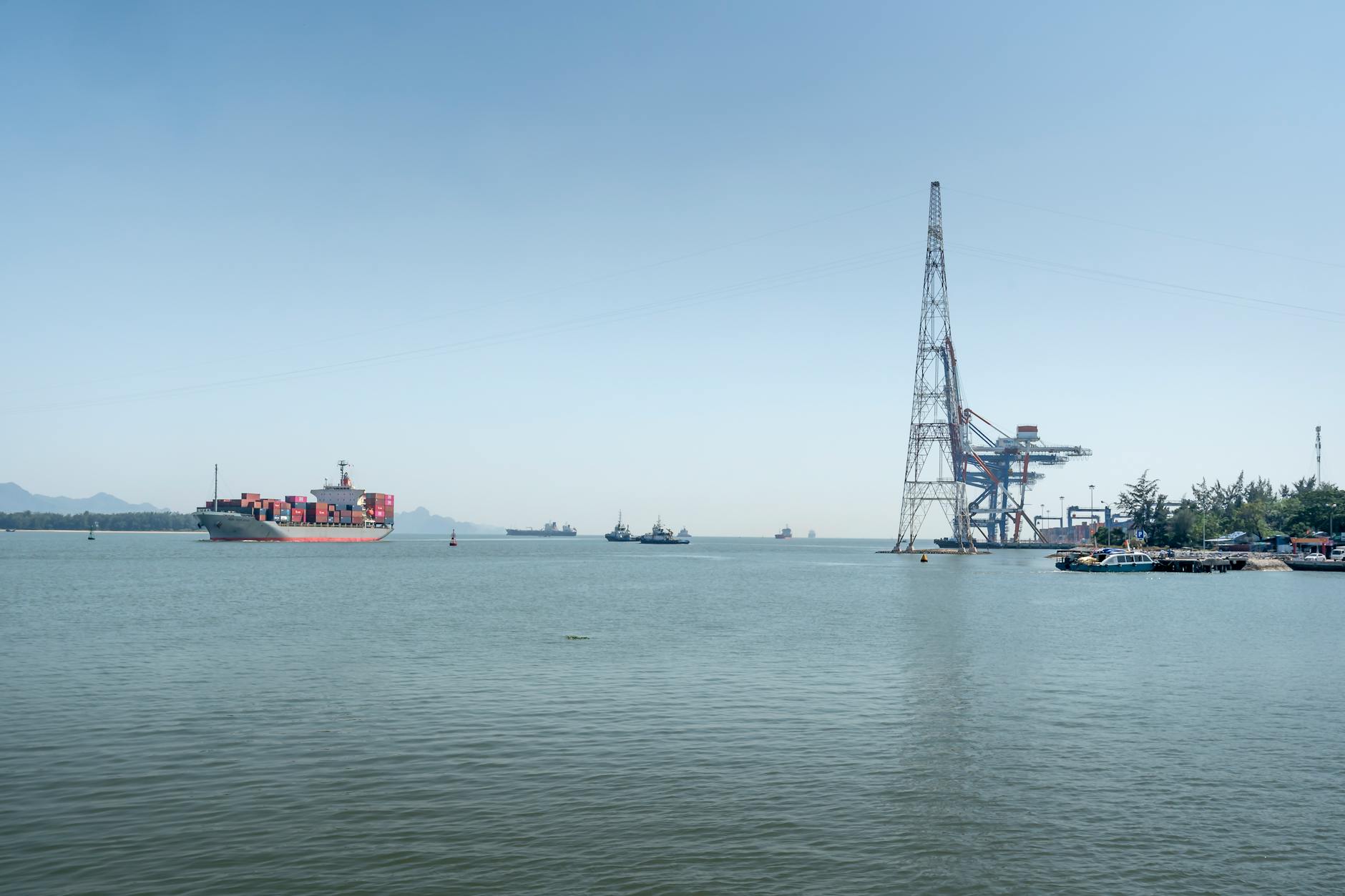
California's efforts to curb air pollution from massive cargo ships in its ports are facing a significant challenge from the U.S. House of Representatives. Recent votes aim to strip the state's authority to mandate cleaner solutions, like requiring ships to use electricity instead of diesel engines while docked. This move threatens to worsen air quality in communities near harbors, which already bear the brunt of smog and harmful emissions. The situation unfolds amidst a legal battle, with a federal judge already questioning the legality of the administration's deregulation attempts.