Just days after hosting the COP30 climate summit and pledging to protect the Amazon, Brazil's National Congress weakened crucial environmental safeguards. A powerful agribusiness bloc overturned presidential vetoes, reinstating provisions that allow projects to bypass full environmental assessments. This controversial move risks accelerating deforestation, harming Indigenous communities, and undermining global efforts to combat climate change. Experts warn it reflects a dangerous global trend of deregulation, threatening our planet's most vital ecosystems when environmental protection is more urgent than ever.
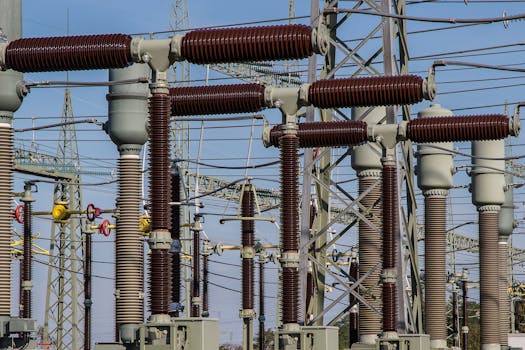
New Jersey has unveiled an updated Energy Master Plan aiming for 100 percent clean electricity by 2035, a crucial step in its climate strategy. However, this ambitious blueprint faces significant hurdles, including soaring electricity demand from new artificial intelligence data centers straining the regional grid. Federal policy shifts, particularly under a potential second Trump administration, threaten to roll back clean energy support and impose new tariffs. These challenges, coupled with recent spikes in electricity bills, are making it increasingly difficult to achieve reliable, affordable, and clean power, emphasizing the urgency of the state's clean energy transition.
Peru, home to most of the world's tropical glaciers, is facing a severe crisis as these vital ice masses rapidly disappear. Between 2000 and 2016, the country lost nearly a third of its glacial area, with projections suggesting they could vanish entirely by 2056. This dramatic melt, driven by rising global temperatures, not only threatens the water supply for millions but also disrupts the delicate balance of ecosystems, from local farms to the vast Amazon Basin. Communities, especially those relying on agriculture, are struggling with erratic weather, crop failures, and increasingly contaminated water sources, highlighting the urgent need for climate action and sustainable solutions.
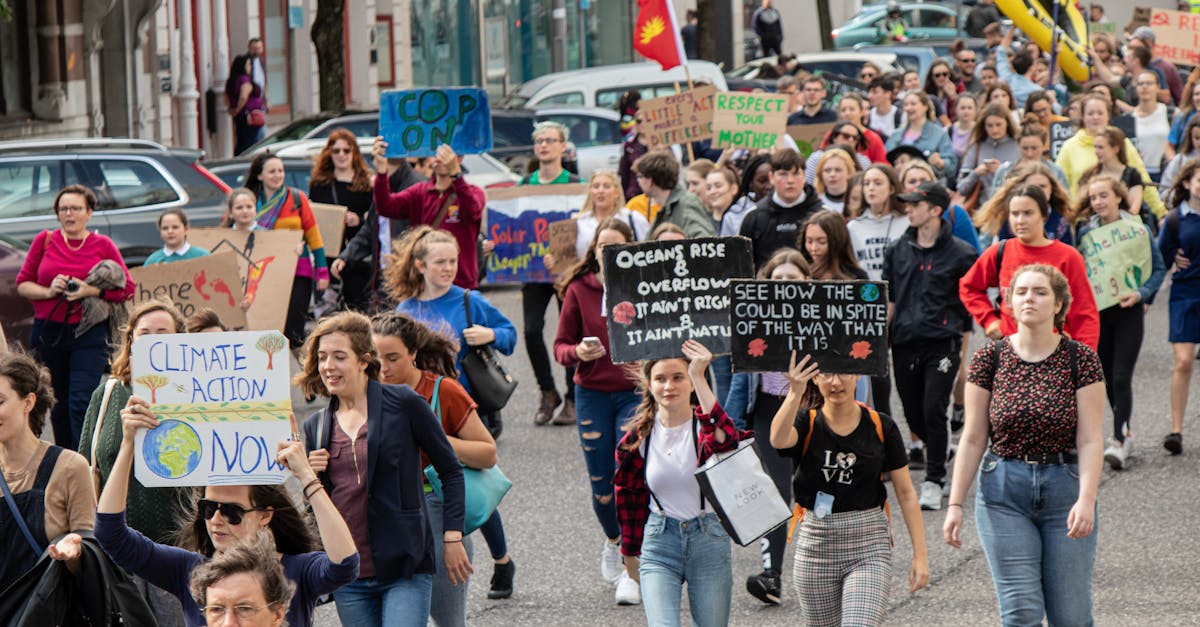
Over 100,000 people in western Washington State have been ordered to evacuate as rivers swell to record levels from days of relentless rain fueled by an atmospheric river. The Skagit and Snohomish Rivers are expected to crest dangerously high, threatening homes and lives in floodplains between Tacoma and the Canadian border. National Guard troops are racing to stack sandbags, but officials warn the worst is yet to come. These extreme weather events underscore the growing urgency of climate change, which intensifies such deluges and demands faster action on emissions reductions for safer futures.
Google Cloud and NextEra Energy are teaming up to build massive gigawatt-scale data centers across the US, each with its own clean power generation and battery storage. This move tackles the exploding electricity demand from AI while keeping energy clean and reliable, avoiding strain on local grids. As data center power needs could triple by 2030 according to S&P Global, this partnership pushes forward sustainable solutions. It highlights the urgency of scaling renewables and storage to fight climate change, showing how tech giants can lead the shift to carbon-free energy.
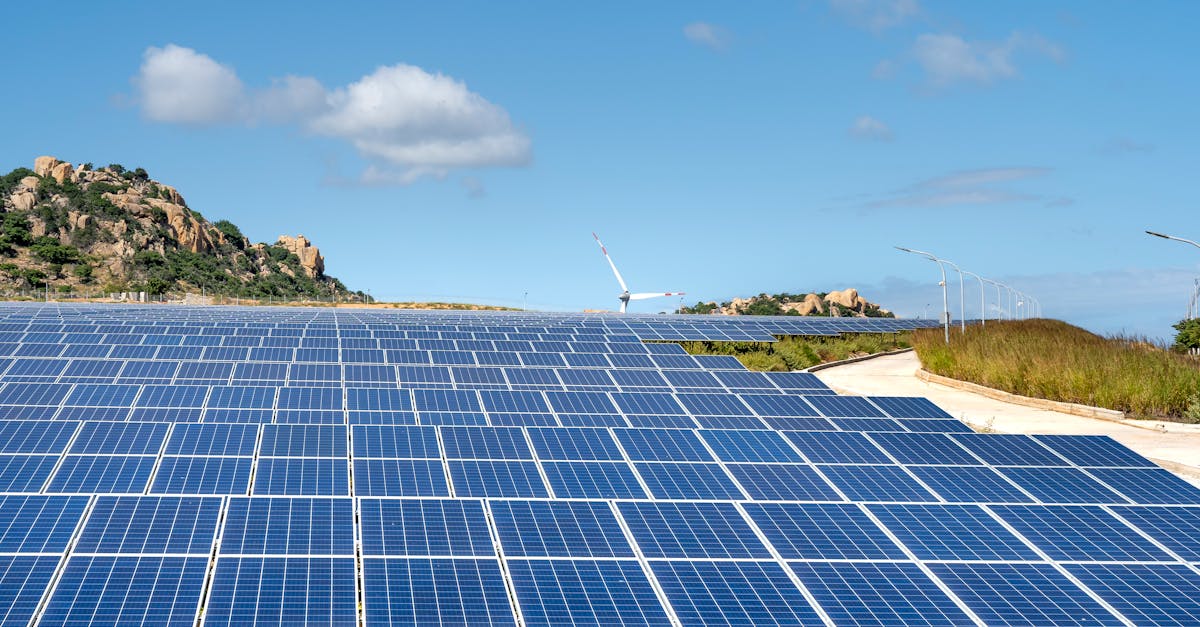
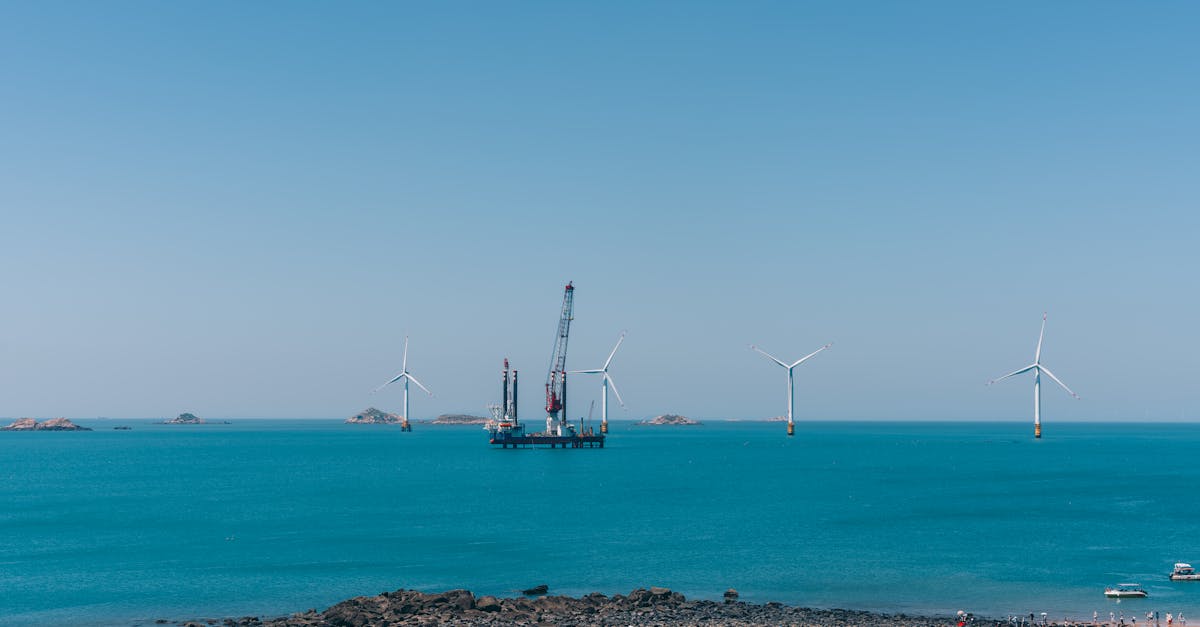
The United States is taking a stark U-turn on renewable energy, with the Trump administration canceling over $426 million in federal grants for a vital offshore wind project in California. This move signals a wider rollback of federal support for clean energy, hindering job creation and climate action. Meanwhile, across the Pacific, China has cemented its position as the global leader in renewables, building more solar capacity than the rest of the world combined and deriving significant economic growth from green technologies. This dramatic divergence puts China at the forefront of the international fight against global warming, raising critical questions about America's commitment to a sustainable future.
Los Angeles County is taking a stand against four major oil and gas companies, suing them for allegedly neglecting hundreds of idle oil wells in the Inglewood Oil Field. These unplugged wells, located near over a million residents, are accused of leaking harmful pollutants into the air, land, and water. The lawsuit filed Wednesday highlights a critical environmental justice issue, aiming to protect communities disproportionately affected by the fossil fuel industry's legacy and ensure operators clean up their own mess, rather than leaving taxpayers to foot the bill. This action underscores the urgent need to address lingering environmental hazards from past drilling.
You don't need a fancy title to be a leader in the fight against climate change right where you work. A new perspective suggests that anyone, in any role, can drive meaningful climate action within their company. The nonprofit Work for Climate offers training and resources to empower employees to push for more sustainable practices. From switching to clean energy to advocating for climate-safe investments, everyday actions can make a big difference, showing that collective effort is vital for our planet's future.
Forestry carbon credit programs, designed to help combat climate change by funding forest preservation, are facing strong criticism. Many programs have a poor track record, failing to ensure that the carbon reductions they claim are "additional" – meaning they wouldn't have happened without the program. This raises serious questions about their effectiveness in the urgent fight against global warming. A new initiative, the Family Forest Carbon Program (FFCP), is attempting a more refined approach to ensure real climate benefits. However, even this "state-of-the-art" program is sparking debate among experts, highlighting the complex challenges in making carbon offsets truly work.
A new study reveals a concerning shift: Africa's forests, once vital carbon sinks, are now releasing more carbon dioxide than they absorb. This unprecedented change, largely due to widespread deforestation and forest degradation, marks the first time in modern history these ecosystems have become a net carbon source. The findings, published in Scientific Reports, have serious implications for global climate goals and underscore the urgent need for action to protect these crucial natural buffers against global warming.
A new study highlights a surprising source of indoor air pollution: gas stoves. For many Americans, these common kitchen appliances are responsible for over half of their total exposure to nitrogen dioxide (NO2), a harmful toxin. NO2 can irritate airways, worsen respiratory illnesses like asthma, and contribute to outdoor smog, making this a significant public health concern. The research suggests that switching to electric cooking could considerably reduce this exposure and offers a clear path toward healthier homes and cleaner air for everyone. This discovery underscores the urgent need for sustainable household solutions.
The Trump administration joined forces with Saudi Arabia, Russia, and Iran to block a key summary from a major UN environment report that urged phasing out fossil fuels and switching to clean energy. This summary, drawn from the Global Environment Outlook 7, a massive review by 300 experts, was meant to guide world leaders on tackling the planet's worsening state—from climate chaos to plastic pollution. It's the first time since 1997 that no such policymaker summary has been issued, signaling a dangerous setback as global warming accelerates and demands urgent action on sustainable solutions.