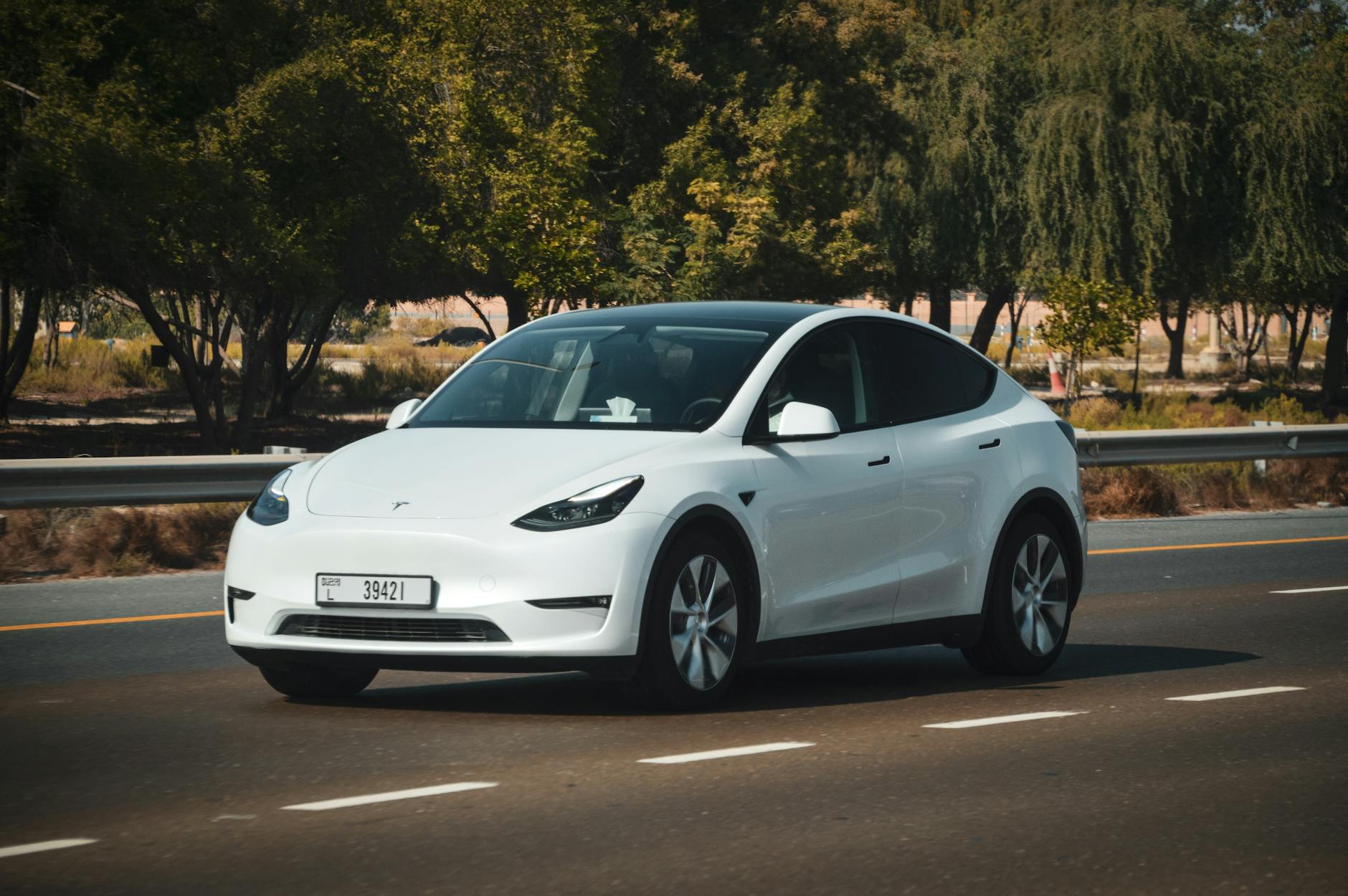
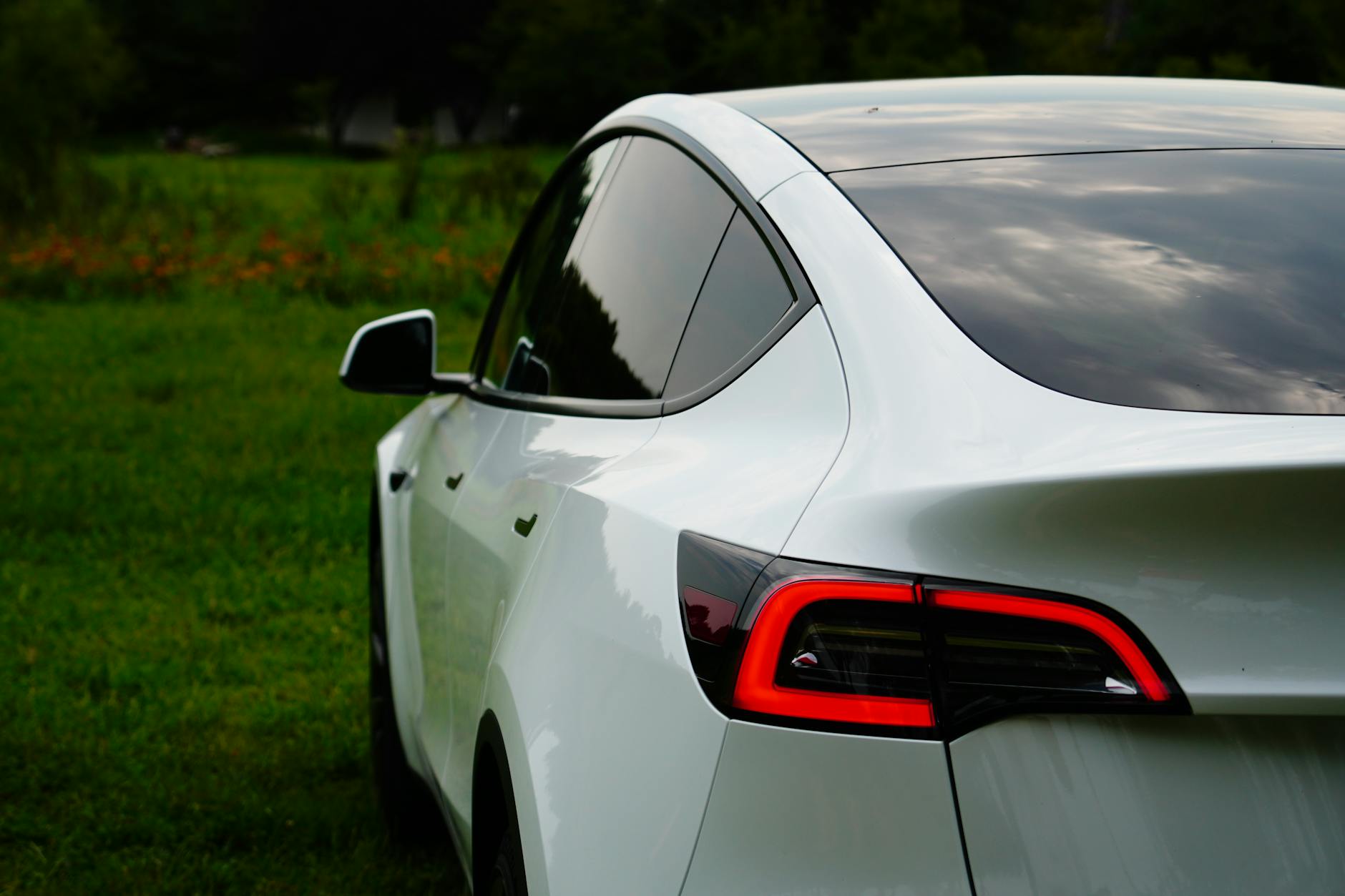
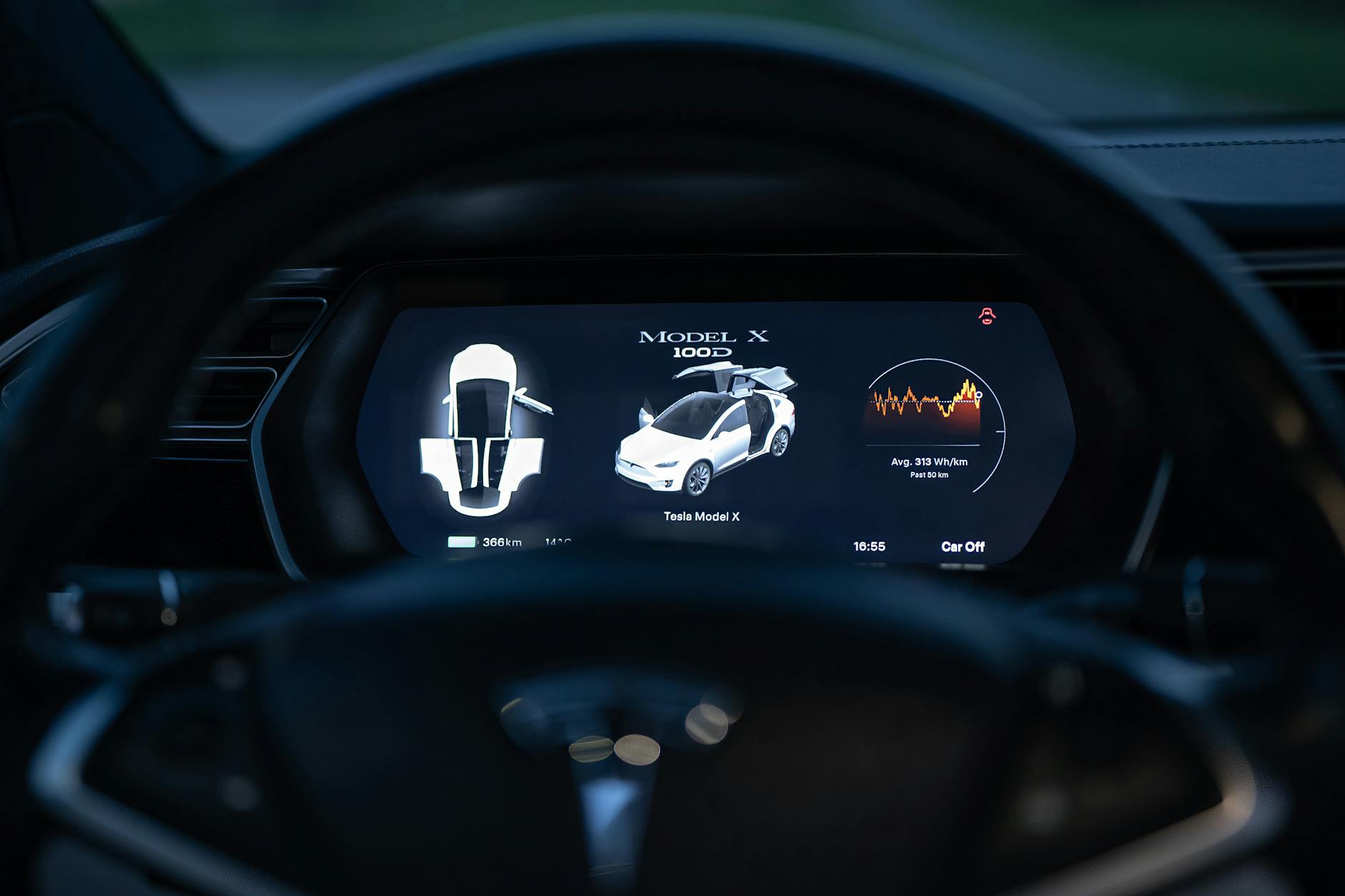
After a year and over 16,000 miles, one Tesla Model Y owner shares a compelling review, highlighting the transformative power of electric vehicles (EVs). The experience goes beyond just driving, deeply impacting daily routines and reducing stress. This personal account underscores the growing shift towards electrification, showcasing how advanced EV technology and sustainable solutions offer superior performance, lower costs, and a more enjoyable journey compared to traditional fossil-fuel vehicles, making a strong case for urgent climate action through vehicle choice.
After years of anticipation, Tesla has finally announced an official demonstration date for its next-generation Roadster. On October 1, the electric supercar is set to unveil its groundbreaking features, including a much-talked-about SpaceX-developed thruster package. This event marks a significant moment for electric vehicle technology, showcasing how sustainable solutions can push the boundaries of performance and engineering. The Roadster aims to redefine what's possible, promising speeds and capabilities far beyond traditional cars, emphasizing the exciting potential of electrification.
California has successfully navigated its hottest August on record without the inconvenience of rolling power outages or widespread energy reduction calls. This achievement marks a significant turnaround, driven by the state's strategic investment in grid resiliency. Crucially, a massive expansion of battery energy storage, coupled with an increase in renewable energy sources, has fortified the electrical system. This progress is vital as extreme heat events become more frequent due to global warming, underscoring the urgent need for sustainable infrastructure.
A federal appeals court has delivered a significant blow to efforts to keep old coal plants running, ruling against a Trump administration order for a Michigan facility. The court found that the Department of Energy overstepped its authority by using emergency powers, typically reserved for critical wartime situations, to force the J.H. Campbell coal plant to stay open. This decision underscores the urgency of transitioning to cleaner energy, challenging costly and polluting fossil fuel operations that hinder progress toward a sustainable future. It’s a win for environmental advocates and for Michigan residents seeking healthier air and water.
Tesla has unveiled a clever, cost-free upgrade for its Cybertruck, addressing a common issue with its side repeater cameras. Previously, wet weather could obscure these crucial cameras, impacting driver-assistance features. The new design uses passive airflow to keep lenses clear, enhancing both everyday usability and safety. This smart update highlights Tesla's commitment to continuous vehicle refinement, ensuring its electric pickup performs reliably in all conditions without adding complexity or cost.
Our planet just experienced its hottest August ever recorded, a stark reminder of the accelerating climate crisis. This grim milestone follows a series of unprecedented temperature highs throughout the year, underscoring the urgent need for global action. Scientists confirm these rising temperatures are directly linked to human-caused climate change, impacting ecosystems, human health, and economies worldwide. It's a clear signal that the time for decisive environmental action is now, emphasizing the critical role of sustainable solutions in shaping our future.
Los Angeles is facing a significant legal challenge over its ambitious plan to modernize the Scattergood Generating Station, the city's largest natural-gas-fired power plant. Environmental groups have filed lawsuits, arguing that the $800 million project, intended to shift to cleaner fuels like hydrogen, could actually prolong the city's reliance on fossil fuels. They claim the plan lacks crucial details about where this 'clean' hydrogen will come from, raising concerns that the plant may continue to run on natural gas, undermining L.A.'s commitment to 100% clean energy by 2035 and delaying urgent climate action.
After a year of owning a Tesla Model Y, one driver shares a glowing review, calling it the best car they've ever had. This personal account highlights significant benefits like dramatic cost savings on maintenance and fuel, alongside a newfound driving tranquility thanks to advanced features. The experience underscores the practical and emotional advantages of electric vehicles, demonstrating their capacity to reshape daily commutes into cleaner, more enjoyable, and ultimately more sustainable journeys for a greener future.
California is rapidly moving away from natural gas for electricity, a significant step in the fight against climate change. Since hitting its gas-fired power peak in 2014, the state has seen an accelerating decline, with a substantial 26 percent drop in the first half of this year alone compared to last. This swift transition highlights a successful blueprint for environmental action, demonstrating how focused policies and innovative clean energy solutions can drastically reduce reliance on fossil fuels. This shift proves that a cleaner, more sustainable energy future is not just a distant goal, but a present reality.
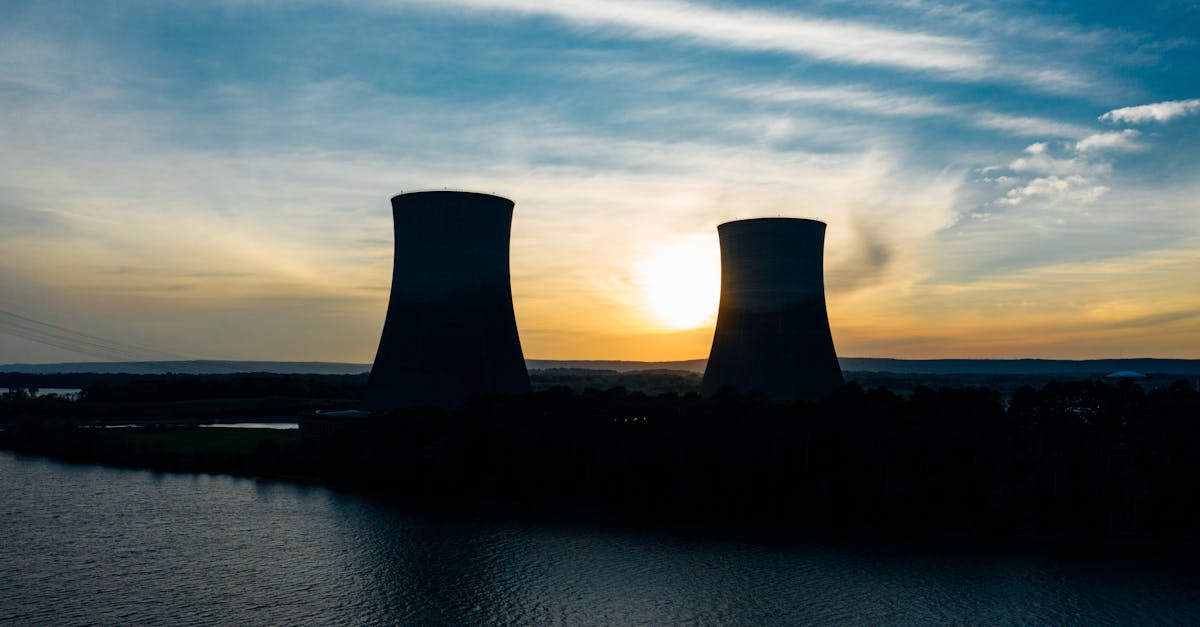
A new report predicts a significant expansion for nuclear power, a vital low-carbon energy source. The World Nuclear Association’s World Nuclear Outlook Report 2026 reveals that global nuclear capacity could triple by 2050. This surge is crucial for meeting rising energy demands while drastically cutting carbon emissions. Since 1970, nuclear generation has already prevented an estimated 43.6 billion tonnes of CO₂ emissions, underscoring its historical and future importance in the fight against climate change. Achieving this ambitious goal, however, hinges on a much faster pace of reactor construction.
China's Belt and Road Initiative has poured over $1.5 trillion into global infrastructure, dramatically reshaping development in many countries since 2013. While fostering economic growth, an investigation reveals a darker side: these massive projects often come with severe environmental devastation and human rights concerns. From threatened wildlife to melting glaciers and toxic spills, the urgency of safeguarding our planet is clearer than ever, highlighting the need for more responsible global investment. This global push also includes both beneficial clean energy technologies and harmful fossil fuel developments, creating a complex impact.
Good news for owners of older Tesla Model S and Model X vehicles: a significant software upgrade is finally on its way. Tesla's Head of AI, Ashok Elluswamy, has indicated that these pre-refresh models, equipped with Hardware 3, will soon receive the Full Self-Driving (FSD) v14 Lite suite. This highly anticipated update promises to bring a range of advanced driving capabilities to these enduring electric vehicles, enhancing their functionality and bringing them closer to the experience of newer models. It's a testament to how software can extend the life and utility of existing technology, supporting a more sustainable approach to vehicle ownership.