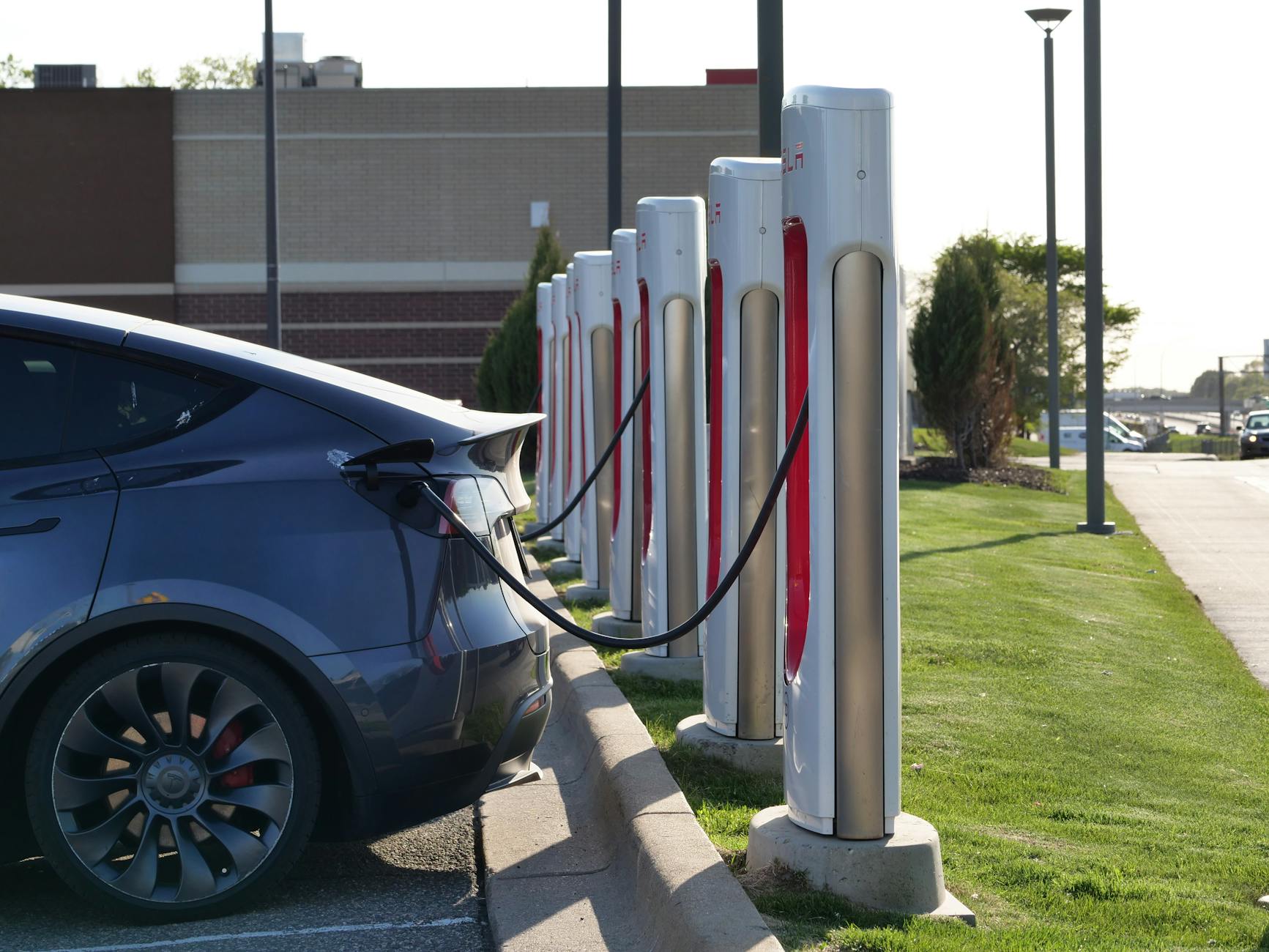
Tesla's Full Self-Driving (Supervised) system recently received an update to v14.3.5, aiming to refine the autonomous driving experience in its cutting-edge electric vehicles. Early reviews suggest that while the software is evolving with more courteous road manners and improved awareness, some challenges persist. This continuous development highlights the complex journey toward truly autonomous and sustainable transportation, demonstrating both the exciting progress and the intricate hurdles involved in advanced EV technology. Users are keen to see how these intelligent systems continue to shape the future of driving.
The UK's scorching heatwaves are already taking a heavy toll on the economy. A recent study reveals that the record-breaking June 2026 heatwave alone cost the nation at least £2.4 billion in lost output due to reduced productivity. Experts warn these financial impacts are just the beginning, with projections showing losses could reach a staggering £25 billion by 2030 if urgent action isn't taken. This highlights the critical need for climate adaptation and sustainable solutions to protect both our planet and our prosperity.
Kent Carpenter, a revered 73-year-old American marine biologist, was tragically shot dead in his home in the central Philippines by masked intruders. His decades of groundbreaking research focused on protecting vital marine ecosystems, particularly in the Coral Triangle, and warned of the severe consequences of global warming on coral reefs. This devastating loss not only marks a personal tragedy but also silences a passionate voice for ocean conservation at a critical time for our planet's health. His commitment to understanding and preserving marine biodiversity has left an indelible mark on global environmental efforts.
A vast expanse of unusually warm water has been observed in the Pacific Ocean, coinciding with a powerful El Niño event. This significant oceanic heating could spell serious trouble for global weather patterns, particularly in the United States, by fueling more extreme weather events. Scientists warn that this combination also poses a risk for elevated sea level rise, underscoring the urgent need to address the broader challenges of climate change. This situation highlights how ocean health is deeply connected to our future and the urgency of environmental action.
The global effort to remove carbon dioxide from our atmosphere is gaining momentum, yet its dedicated workforce remains surprisingly small. While tackling one of humanity's most urgent climate challenges, the entire pure-play carbon removal (CDR) sector globally employs roughly the same number of people as a single large hospital. This nascent stage presents both vulnerabilities and unparalleled opportunities for those looking to make a significant impact on our planet's future. It underscores the critical need for accelerated action and investment in sustainable solutions.
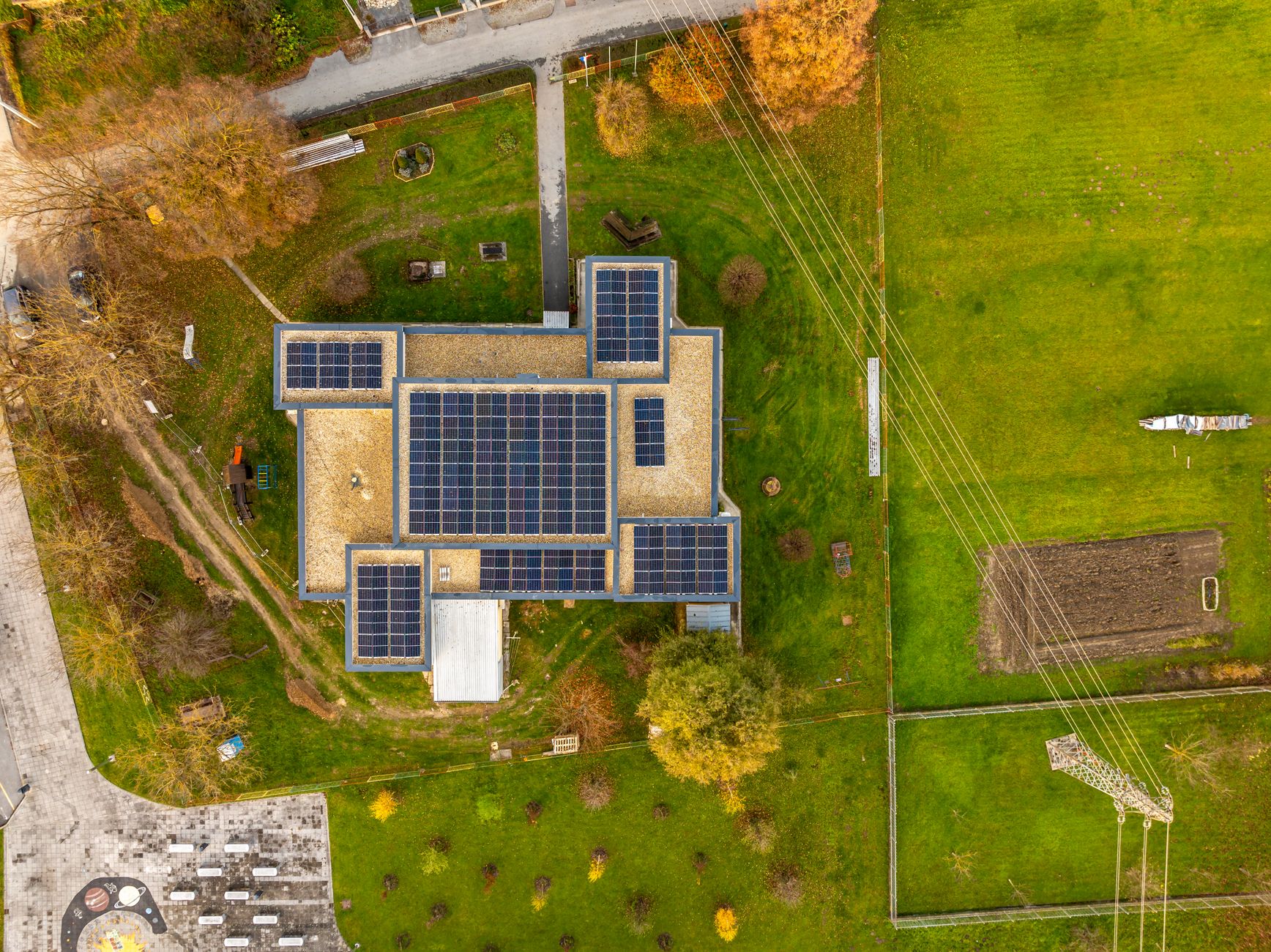
Buildings are major contributors to global warming, responsible for over a third of energy-related carbon emissions. While technologies exist to make them greener, many crucial upgrades are held back by a lack of upfront funding. A new partnership between BEClimate, Xpansiv, and Quidos aims to change this with the launch of the BEVerify registry. This innovative platform will transform building decarbonization projects into valuable carbon credits, unlocking much-needed investment and accelerating our progress toward a cleaner, more sustainable future.
Tesla recently received a significant price target upgrade from analysts, following an exceptionally strong second quarter for its automotive division. The company reportedly delivered 480,000 vehicles, far exceeding Wall Street's expectations. This success highlights the growing demand for electric vehicles and signals Tesla's continued leadership in the shift towards sustainable transportation. Beyond impressive sales, ongoing developments like the expansion of its Robotaxi service are positioning the company for further impact in the coming years.
While billions are invested in climate action globally, Indigenous communities, often stewards of crucial ecological knowledge, receive a tiny fraction. This imbalance hinders effective, localized climate solutions. To bridge this gap, the Decolonizing Wealth Project established the Indigenous Earth Fund. This fund has distributed over $5 million since 2021 to Indigenous-led projects, empowering those with deep connections to the land to drive vital clean energy and forest management initiatives. It's a crucial step towards recognizing and funding the best solutions for our planet.
While billions are invested in climate action globally, Indigenous communities, often stewards of crucial ecological knowledge, receive a tiny fraction. This imbalance hinders effective, localized climate solutions. To bridge this gap, the Decolonizing Wealth Project established the Indigenous Earth Fund. This fund has distributed over $5 million since 2021 to Indigenous-led projects, empowering those with deep connections to the land to drive vital clean energy and forest management initiatives. It's a crucial step towards recognizing and funding the best solutions for our planet.
While billions are invested in climate action globally, Indigenous communities, often stewards of crucial ecological knowledge, receive a tiny fraction. This imbalance hinders effective, localized climate solutions. To bridge this gap, the Decolonizing Wealth Project established the Indigenous Earth Fund. This fund has distributed over $5 million since 2021 to Indigenous-led projects, empowering those with deep connections to the land to drive vital clean energy and forest management initiatives. It's a crucial step towards recognizing and funding the best solutions for our planet.
Across Asia, garment factories supplying top fashion brands are battling a hidden crisis: extreme heat. Soaring temperatures, intensified by global warming, are causing significant productivity losses, increased worker absences, and widespread heat-related illnesses among millions of employees, primarily women. These brutal conditions highlight the urgent need for climate action and sustainable solutions in the industry. While many factories struggle, some, like Epic Group in India, are pioneering innovative cooling designs and electrification to protect workers and maintain production, showcasing a path forward for a more resilient and humane fashion supply chain.
The global aviation industry's primary carbon offset program, CORSIA, is facing a major challenge. A new report from Sylvera warns of a significant shortage of eligible carbon credits, potentially reaching 125 million units by the 2028 compliance deadline. This scarcity could lead to much higher carbon prices and increased financial risks for airlines, threatening their efforts to meet climate targets. As the world pushes for urgent climate action, the success of such programs is crucial for mitigating aviation's environmental impact.