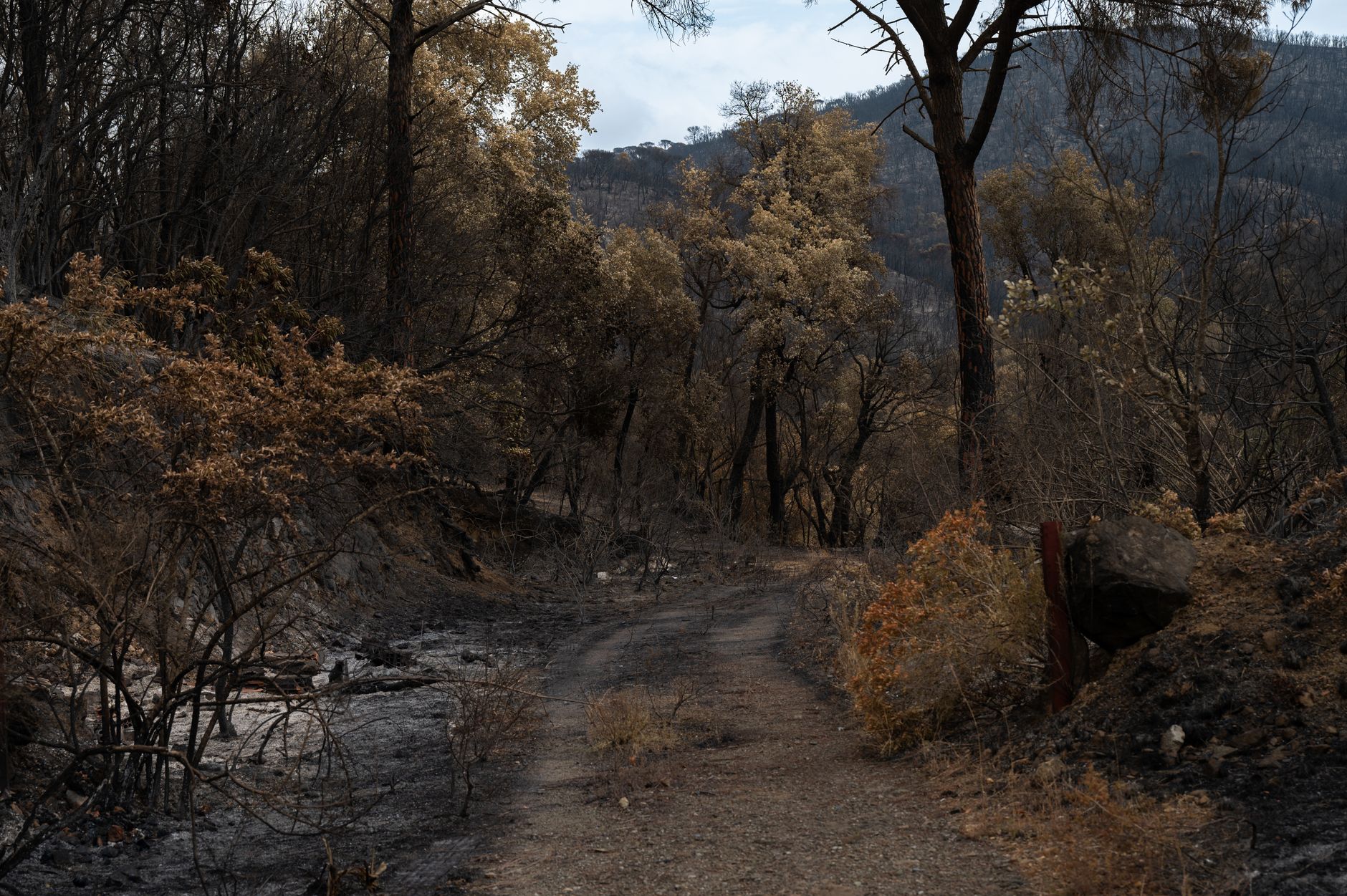
Los Angeles County has filed a lawsuit against insurance giant State Farm General, alleging widespread misconduct in handling wildfire claims. Hundreds of victims from last year’s devastating Palisades and Eaton fires reported delayed, denied, or underpaid claims, leaving families struggling to rebuild their lives and homes. This bold action by the county highlights a critical issue: ensuring that insurance providers uphold their promises to communities, especially as climate change intensifies wildfire risks across the region. Fair and timely recovery is not just a policy matter; it's essential for the wellbeing of those who have lost everything.
The former site of Philadelphia's largest oil refinery, now known as the Bellwether District, is at the heart of a new debate. City planners recently identified the 1,300-acre industrial zone as a potential location for a large data center, reigniting concerns among environmental justice advocates. This possibility adds another layer of complexity to a site still undergoing extensive clean-up from over a century of refining pollution. The district's future hinges on choices that could either continue a legacy of heavy industry or pave the way for a truly sustainable future.
OpenAI has announced it will end its partnership with Cursor, a popular AI coding tool, effective November 12. This move comes just weeks after Elon Musk's SpaceX completed a massive $60 billion acquisition of Cursor's parent company. OpenAI stated its decision was due to a lack of confidence in SpaceX's ability to adhere to its terms of service, referencing past contract violations by Musk's companies. This development intensifies the ongoing rivalry and legal battles between OpenAI and its co-founder, Elon Musk, reshaping the competitive landscape of AI development. Cursor will now rely more heavily on Anthropic's Claude and its own in-house models.
In a bold move to rescue the American elm, scientists are deliberately infecting 6,000 young trees with Dutch elm disease. This experimental approach aims to identify and breed a new generation of disease-resistant elms, crucial for restoring these iconic trees. Decimated over the last century, American elms are vital for healthy ecosystems, playing a key role in managing water and preventing floods, a benefit becoming increasingly important in our changing climate. This effort offers a beacon of hope for environmental restoration and resilience.
California lawmakers have passed two significant bills aimed at making solar energy more accessible, especially for renters and those without rooftop access. These initiatives, Assembly Bill 1813 and Senate Bill 868, seek to create more robust community solar programs and legalize 'balcony solar' systems. The goal is to empower more residents to generate their own clean electricity, reduce their energy bills, and advance the state's environmental goals. This legislative push underscores the urgent need for sustainable solutions and collective action against climate change, despite facing opposition from utility companies.
Arizona is facing significant water cuts from the Colorado River, a critical resource depleted by decades of drought and climate change. While cities like Phoenix assure residents their taps won't run dry thanks to years of proactive planning and robust infrastructure, these solutions come at a steep price. The new federal plan mandates significant reductions, highlighting the urgent need for sustainable water management and adaptation strategies across the region. This evolving situation means residents will likely see higher water bills as the cost of securing a reliable future.
Citigroup has made significant strides in sustainable finance, committing an estimated $647.2 billion since 2020 and moving past the halfway point towards its ambitious $1 trillion goal by 2030. This massive financial injection supports a global shift towards greener solutions and emphasizes the crucial role of banks in combating climate change. Beyond external funding, Citi also announced new, more stringent targets to cut its own operational emissions and energy use through 2030, building on its success in exceeding previous climate goals. This dual approach highlights a serious commitment to environmental progress.
Iceland recently voted against rejoining talks to enter the European Union, with fishing rights emerging as the core issue. More than half of voters chose to maintain Iceland's independent control over its vital marine resources. This decision underscores global tensions over dwindling fish stocks, intensifying due to warming waters and a stark contrast in sustainable management practices between Iceland and its European neighbors. The vote highlights how climate change is reshaping geopolitical decisions and resource allocation.
New research reveals that thousands more Americans die from heat each year than official records show. A two-year investigation by NPR and Boston University estimates around 9,000 annual heat-related deaths, a figure five times higher than the federal average. This vast undercount, intensified by human-driven climate change, obscures the true danger of rising temperatures. Failing to acknowledge this silent killer hinders efforts to develop vital solutions and protect vulnerable communities across the nation.
The global carbon credit market is undergoing significant changes, with experts pushing for faster development, greater integrity, and seamless integration across national and international systems. Discussions highlight the urgent need for automation and modern certification to build trust and accelerate climate action. A notable trend sees increased preference for technological solutions over some nature-based projects, primarily due to concerns about long-term risks. These developments are crucial for effectively tackling global warming and steering investment towards sustainable outcomes.
The Trump administration recently announced a major agreement with Venezuela to develop vast oil reserves, claiming it as the 'biggest oil deal in the world.' However, energy experts are voicing strong skepticism about its feasibility and immediate impact. Questions arise over how the U.S. government, which lacks a national oil company, will manage its stake, and whether private firms will find the terms attractive. Crucially, analysts warn this deal is unlikely to lower gas prices anytime soon, highlighting the complex global energy landscape at a time when sustainable solutions are increasingly vital for our planet's future.
Two relentless wildfires are currently devastating over 33,000 acres near Big Sur in Monterey County, California, forcing more than 600 residents to evacuate. Firefighters face incredibly difficult terrain and a 55-year-old fuel bed, making containment a prolonged challenge. Officials warn these blazes will be measured in weeks, possibly months, highlighting the growing intensity and duration of fire seasons. The ongoing fires underscore the urgent need for climate action and robust environmental protection.