Super Typhoon Champi has intensified to a formidable Category 5 storm, just hours after lashing Guam as a Category 4. While Guam largely avoided catastrophic damage, the storm's surge to 165 mph winds highlights a troubling trend. Champi marks the ninth Category 5 tropical cyclone globally so far in 2026, a number well above the historical average. This alarming frequency of powerful storms underscores the growing urgency of global warming and the need for stronger climate action.
A proposed large data center in Sunbury, Ohio, has ignited fierce local opposition, turning a community issue into a major flashpoint in a crucial U.S. Senate race. Residents are concerned about the environmental impact, including massive electricity demand and the transformation of rural landscapes, pointing to nearby areas already 'decimated' by tech development. This unexpected 'pitchfork populism' is challenging established politicians and could significantly influence whether Democrats gain control of the Senate.
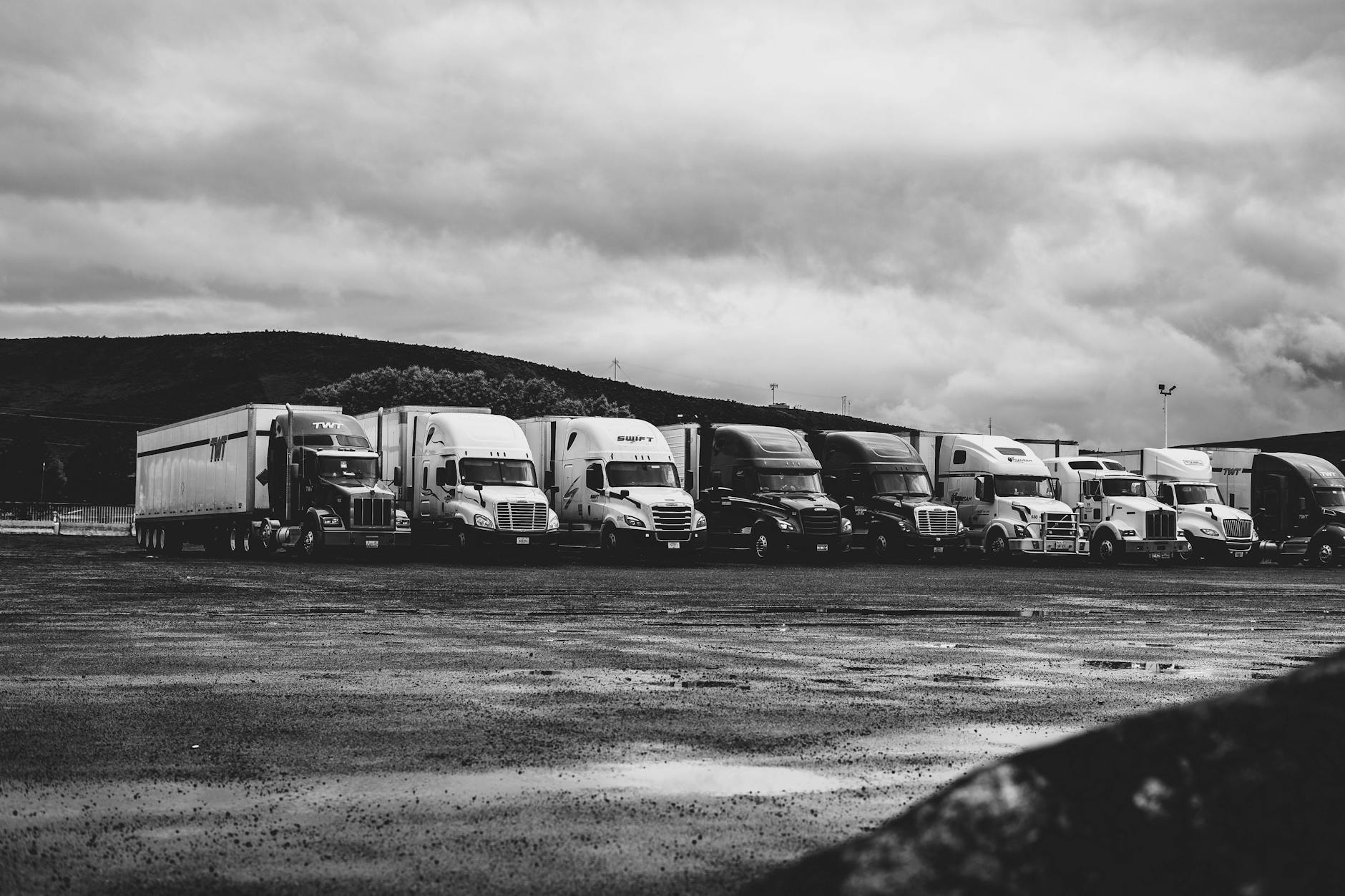
California's ambitious $1 billion program to boost zero-emission trucks and buses aimed to clean the air in vulnerable communities and fight climate change. However, a recent investigation has uncovered serious allegations of fraud, waste, and poor oversight within this crucial environmental initiative. The findings suggest that state claims of pollution reduction and climate benefits are based on assumptions, not concrete data. This raises significant concerns about public funds and the actual progress toward a cleaner, greener transportation future.
California’s ambitious Clean Truck and Bus Voucher Incentive Project, designed to accelerate the adoption of zero-emission vehicles and combat pollution, allocated over $50 million to Nikola Corp. for electric and hydrogen-powered semis. This funding occurred even after Nikola's founder and former CEO, Trevor Milton, was criminally indicted for fraud related to the company's false claims about its technology. Despite the state's efforts to advance electrification, Nikola later went bankrupt, leaving customers with unreliable trucks and raising serious questions about the oversight of public funds in critical environmental initiatives. The incident underscores the importance of stringent vetting in programs vital for climate action.
California launched its Clean Truck and Bus Voucher Program (HVIP) to accelerate the adoption of zero-emission vehicles and drastically cut air pollution. However, the Los Angeles Times is investigating the initiative amidst serious allegations. Our reporting indicates the program, designed to bring cleaner air to communities, has been troubled by fraud, waste, and a concerning lack of oversight. These issues threaten to undermine crucial efforts to combat climate change and transition to sustainable transportation.
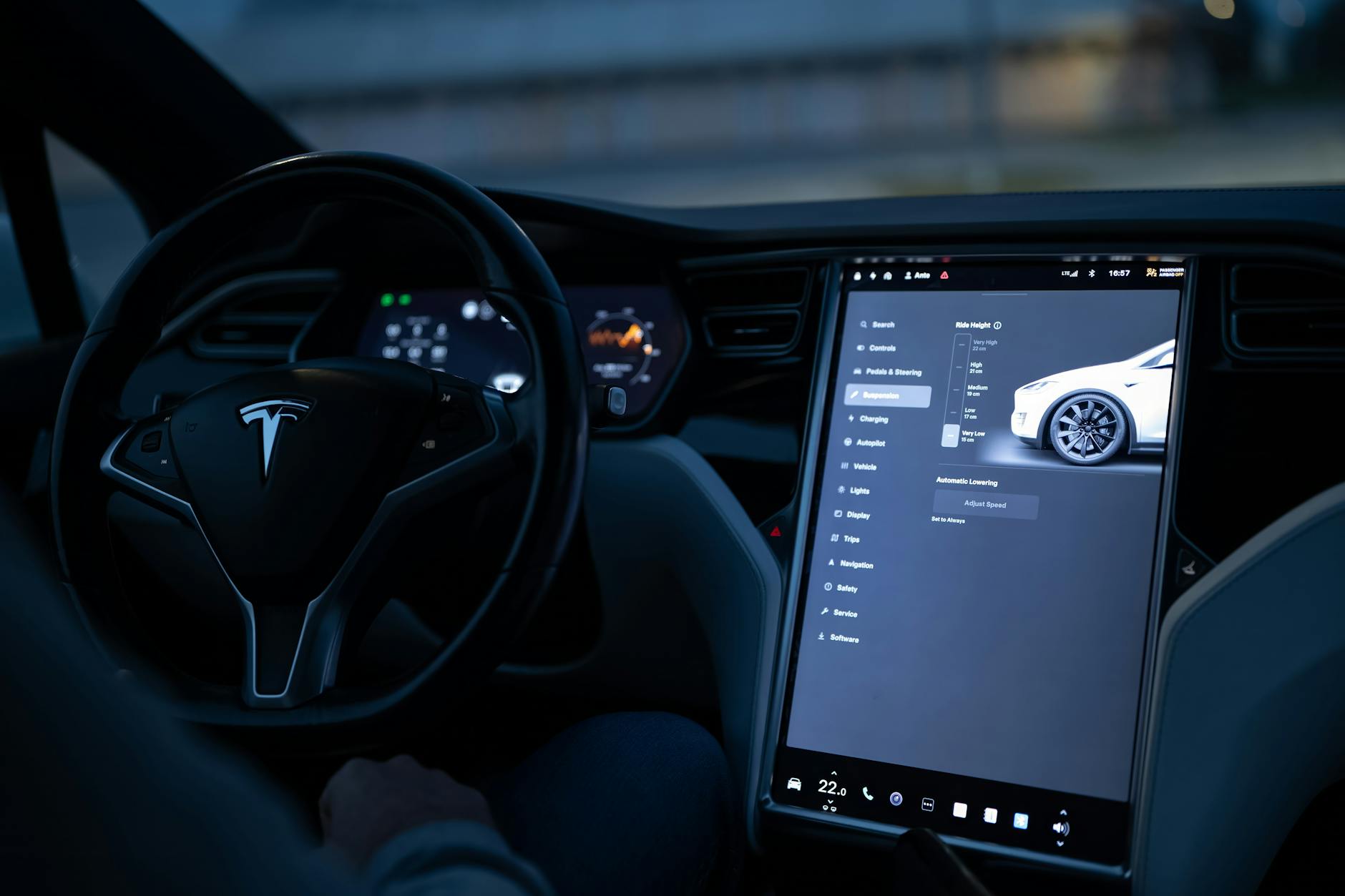
Elon Musk recently revealed surprising details about the new Tesla Roadster, hinting at a future where the car can perform its own incredible stunts. Following an event showcasing the Roadster flying and hovering, Musk stated owners will be able to ask the vehicle to execute these maneuvers autonomously, even calling the car “sentient.” This groundbreaking electric vehicle promises to push the boundaries of automotive capability, offering a glimpse into a dramatically different and exhilarating future for sustainable transportation.
The global fight against climate change is seeing mixed results, with significant progress in some areas alongside worrying setbacks. Northeastern U.S. states are strengthening their carbon market rules to drastically cut emissions, while Portugal expands its voluntary market to boost forest-based carbon capture. However, the Intergovernmental Panel on Climate Change (IPCC) faces a critical deadlock, threatening the timeline for its next major scientific report, which is vital for upcoming global climate reviews. Meanwhile, some European nations are pushing back on climate regulations, and Swiss voters rejected a key climate fund, highlighting ongoing challenges in securing unified action against global warming.
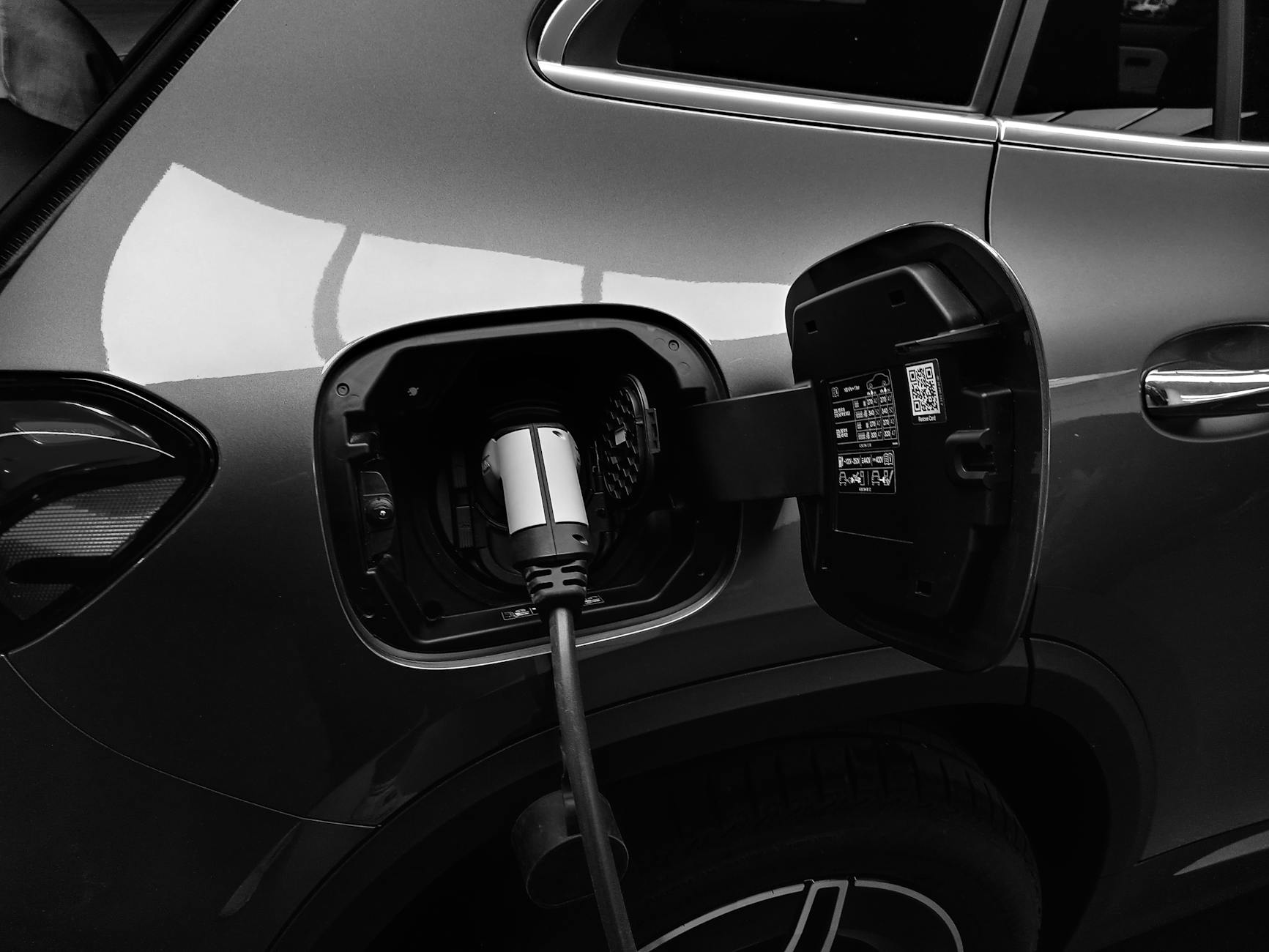
Volkswagen is implementing a temporary charging limit for thousands of its ID.4 electric vehicles in the U.S. Following an ongoing recall due to an unexplained battery fire risk, affected cars will automatically cap their charge at 80% unless owners opt out. This measure aims to reduce risk while engineers work to identify a permanent fix. While a rare issue, this highlights the critical importance of safety as we transition to electric transportation, ensuring confidence in cleaner, sustainable mobility solutions.
The global fight against climate change is facing a complex moment, marked by both promising advancements and significant setbacks. While regions like the US Northeast and Portugal are strengthening carbon markets and investing in nature-based solutions, the global scientific body on climate, the IPCC, faces a critical deadlock. Simultaneously, several European nations are questioning climate regulations for economic reasons. This creates a challenging landscape where urgent environmental action is both needed and contested, highlighting the ongoing tension between climate goals and national interests.
Southern California is getting a much-needed break from recent wildfires, as strong Santa Ana winds finally die down. However, this respite is short-lived, with an incoming storm system poised to bring widespread rain. While rain is welcome, it introduces new dangers like mudslides and debris flows, especially in areas scorched by recent blazes. This swift shift highlights the region's ongoing vulnerability to extreme and unpredictable weather patterns, making preparedness crucial for communities. It’s a stark reminder of the urgent need for climate resilience in a changing world.
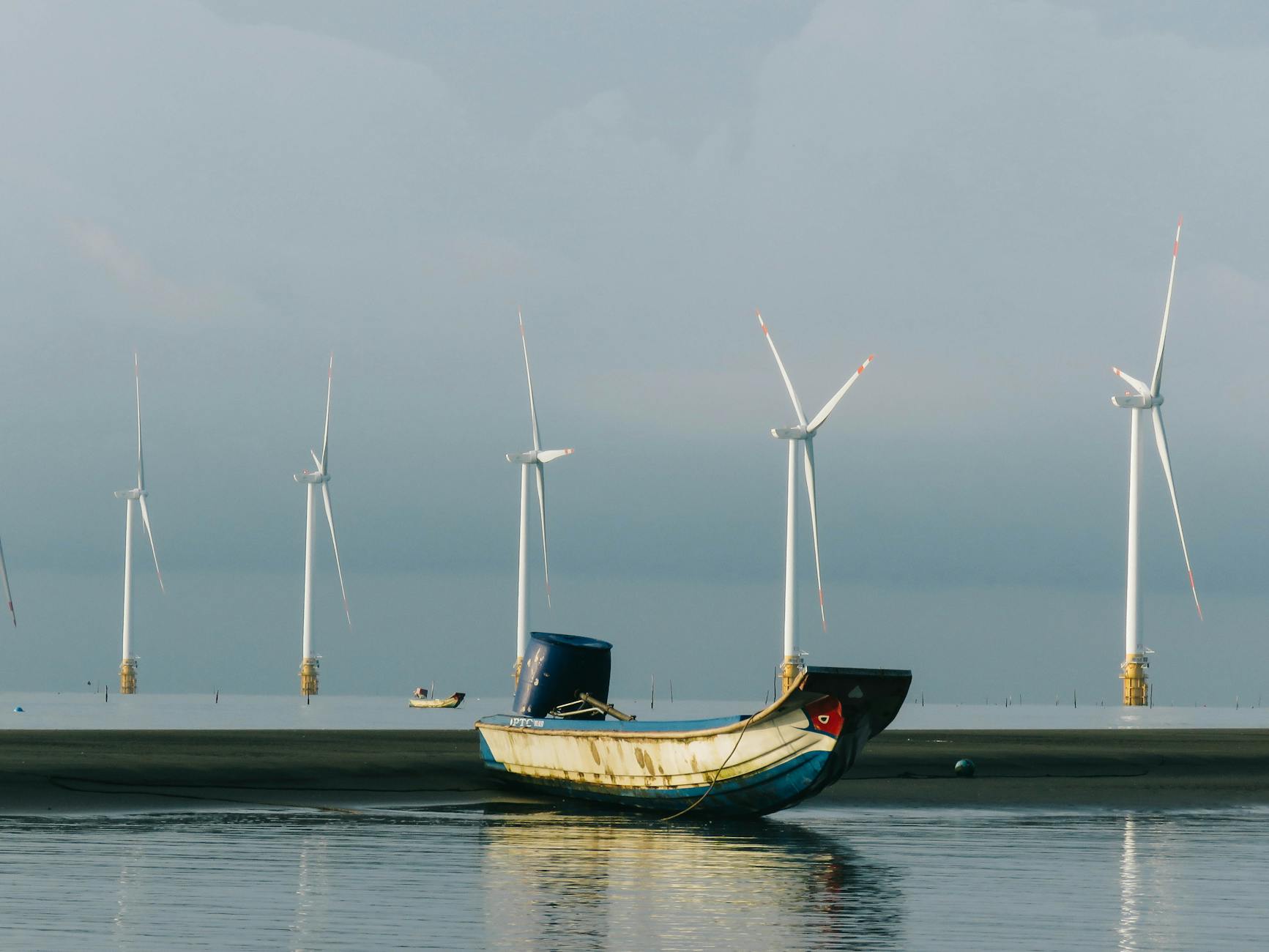
Floating offshore wind turbines, massive structures capable of powering neighborhoods, are already a reality in demonstration projects worldwide, including Maine. This innovative technology offers a powerful solution to the urgent need for clean energy by harnessing strong winds far from shore where traditional turbines can't reach. Multiple different platform designs have been field tested, showcasing the technology's promise for deep-water areas where it may be the only option. However, despite its immense potential for electrification and reducing reliance on fossil fuels, the industry faces significant hurdles, including high costs, engineering complexities, and recent political interference in the U.S. Global collaboration and dedicated research are proving crucial to overcoming these challenges and realizing the full environmental benefits of this cutting-edge sustainable energy source, a vital step in combating global warming.
Plug-in hybrid electric vehicles (PHEVs) promise a blend of electric and gas driving, but many owners aren't plugging them in, undermining their environmental benefits. A new report by Transport & Environment (T&E) reveals that European PHEVs are emitting far more CO₂ than official figures suggest. To tackle this, T&E proposes a surprising solution: give these vehicles much smaller gas tanks, alongside longer electric ranges and faster charging. This shift aims to truly make electricity the primary power source, pushing us closer to cleaner transportation goals.