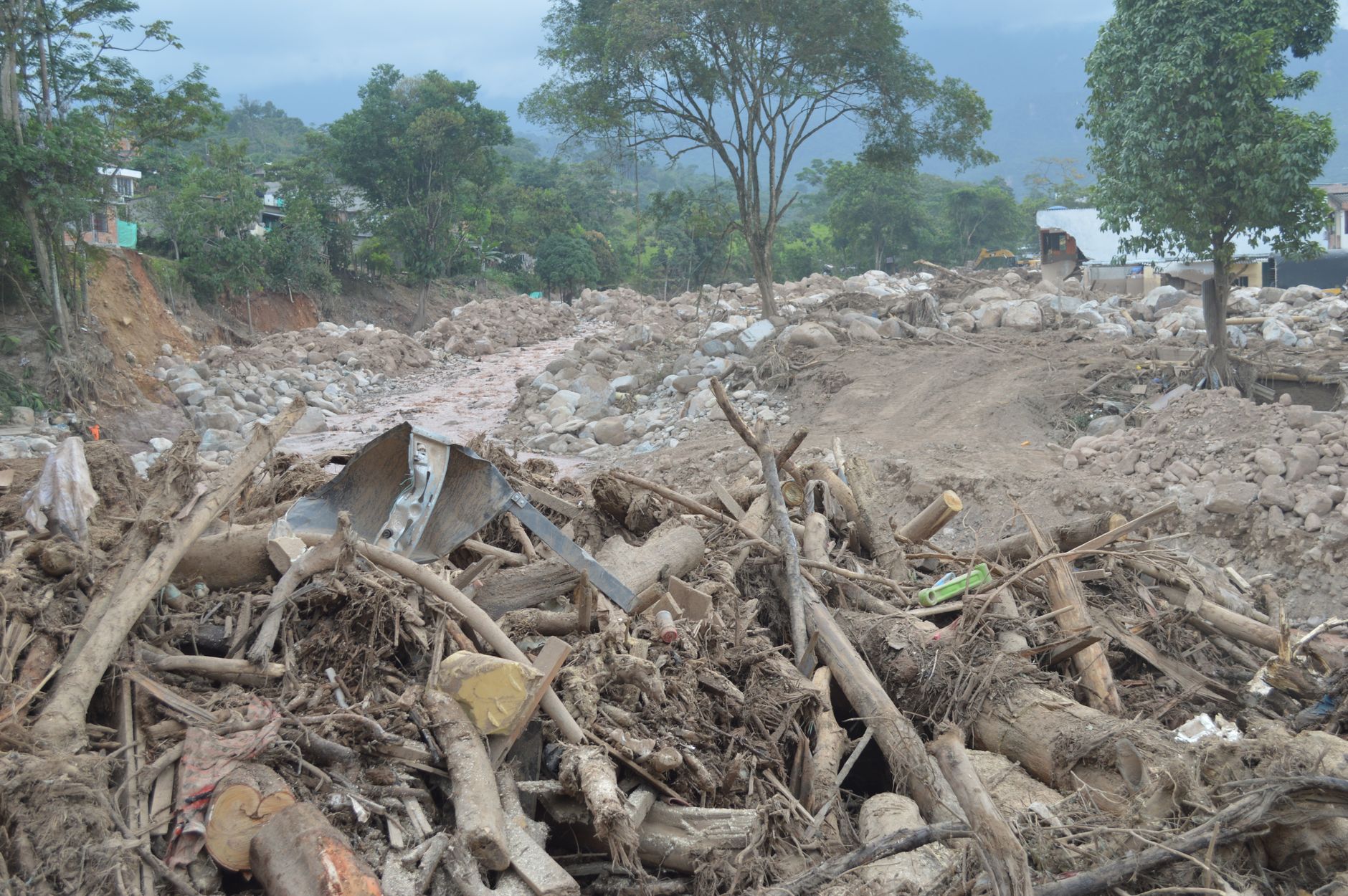
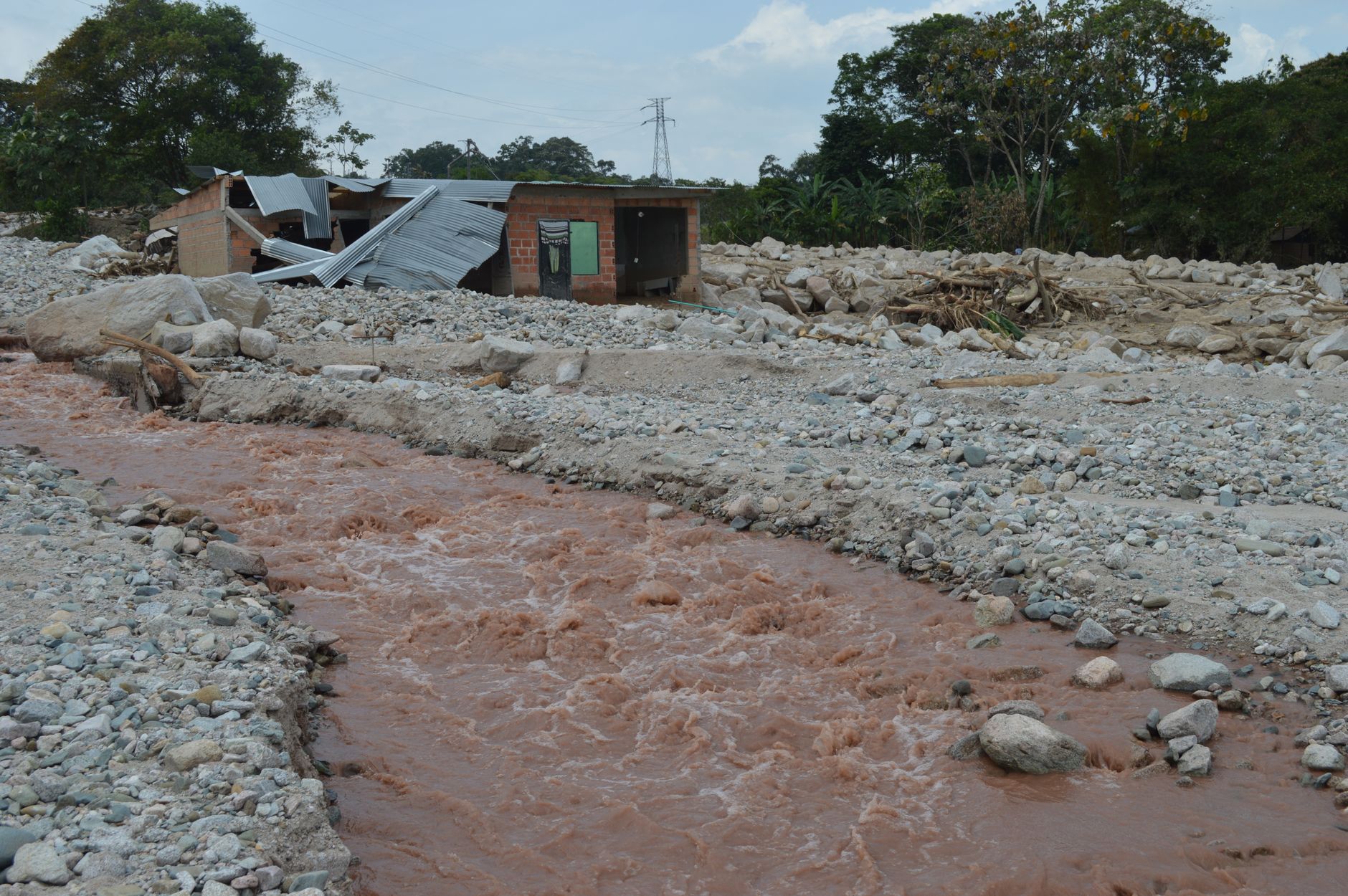
Nepal is reeling from catastrophic flash floods that have claimed over 1,000 lives and left thousands more missing along its border with China. Rescue teams are struggling with challenging conditions, including destroyed roads and unstable terrain, as they search for survivors, including hundreds of workers trapped in damaged hydropower projects. The disaster, triggered by a glacial collapse in the Himalayas, serves as a stark reminder of the escalating risks faced by vulnerable regions due to climate change, prompting urgent calls for international action.
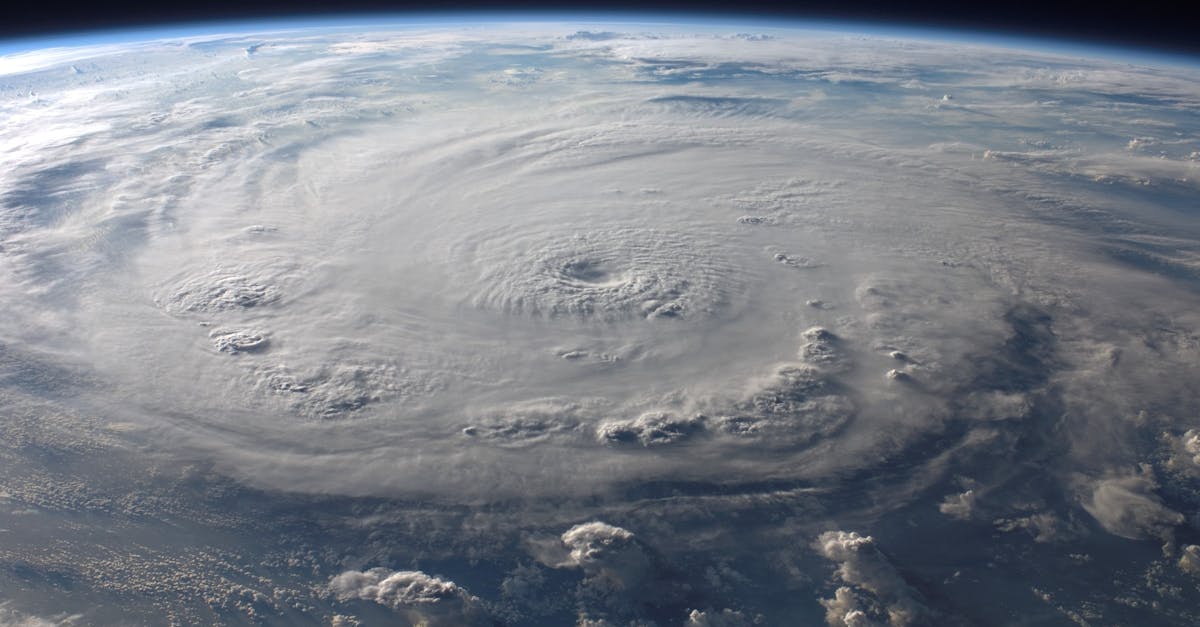
The U.S. Gulf Coast is bracing for Tropical Depression Five, expected to become Tropical Storm Edouard before hitting Texas and Louisiana by Tuesday. This comes amidst an exceptionally active hurricane season in the Eastern Pacific, with major hurricanes threatening Hawaii and potentially Southern California. Meanwhile, a deadly flash flood recently devastated parts of the Grand Canyon, and Puerto Rico continues to suffer from severe drought. These events highlight how rapidly changing weather patterns are impacting communities nationwide, underscoring the urgent need for climate resilience.
As heat waves intensify globally due to a warming climate, a silent crisis is unfolding within Texas prisons. Many incarcerated individuals are forced to endure sweltering conditions, with temperatures inside some facilities frequently soaring above 100 degrees Fahrenheit. Over half of these individuals sleep in areas without air conditioning, facing severe health risks from extreme heat exposure. Despite urgent calls from advocates and legislative efforts to mandate cooler temperatures, progress has been slow, leaving a vulnerable population at heightened risk as the planet warms.
For many, heatstroke is seen as a short-term crisis, but survivors often face health challenges years later. Rebecca Ochoa's struggle, 11 years after collapsing in Texas heat, highlights the lasting physical and mental toll. As climate change brings more intense and frequent heatwaves, understanding these long-term impacts becomes critically important. This isn't just about immediate survival; it's about a future where more people could live with chronic conditions stemming from heat exposure.
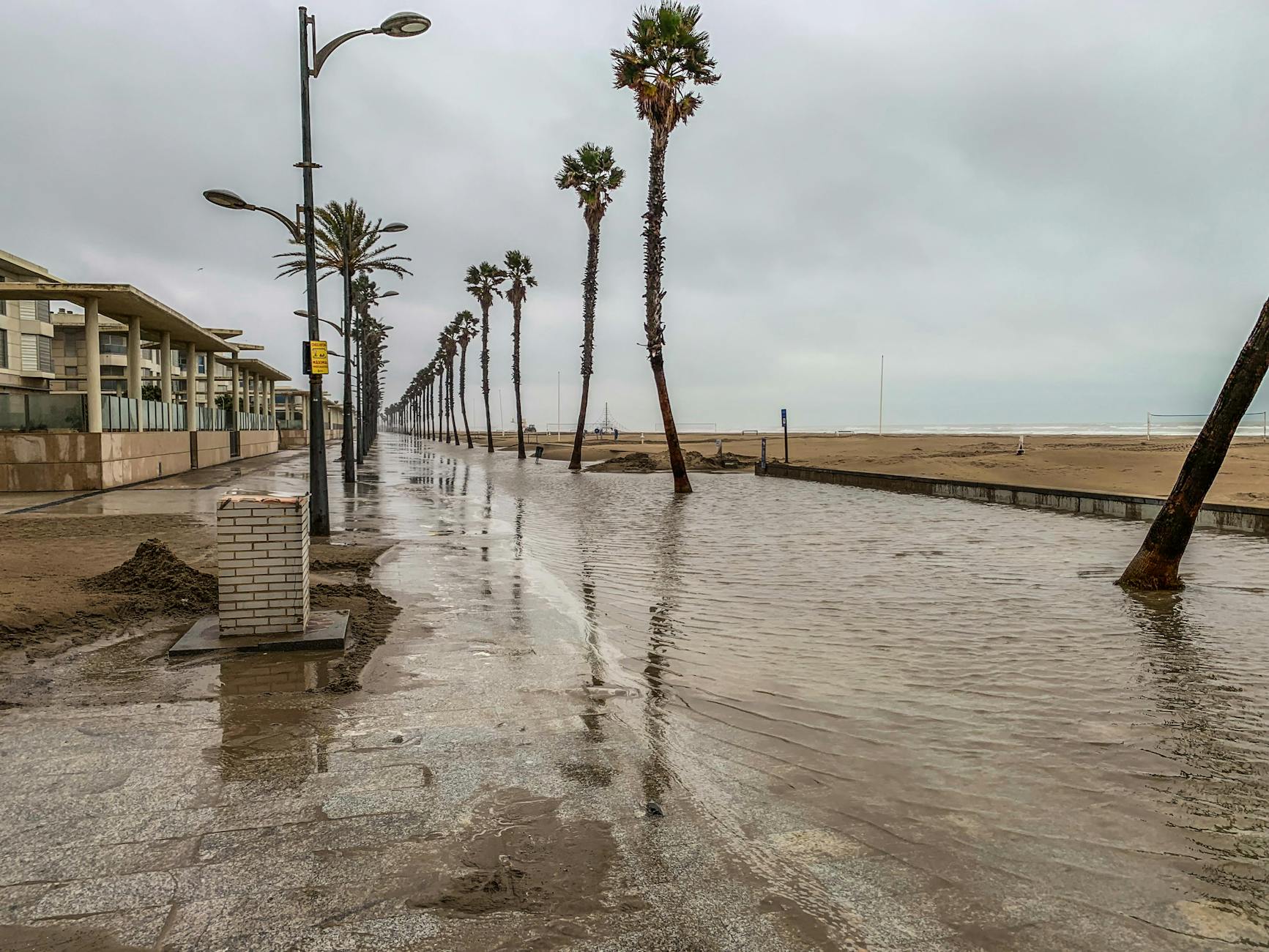
Southern California is bracing for a potential impact from a developing storm system in the eastern Pacific, with experts closely monitoring its path. This system, currently 95-E, could strengthen into Tropical Storm Marie as early as Tuesday. While the exact trajectory remains uncertain, there's a growing possibility of significant rainfall and coastal flooding over the upcoming Labor Day weekend. This situation underscores a broader trend: as our climate changes, regions like Southern California may face tropical cyclone threats more frequently, highlighting the urgent need for climate action.
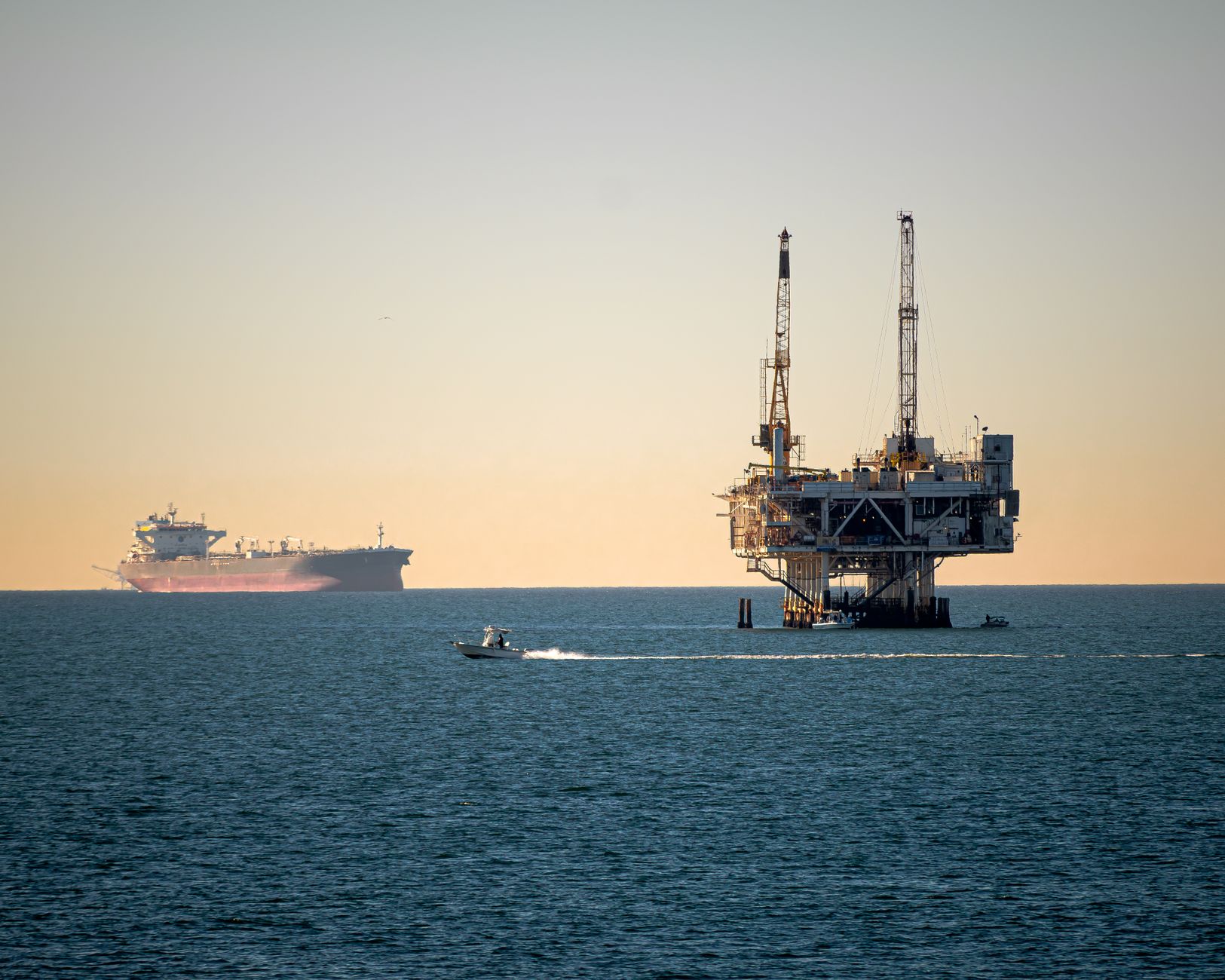
Our planet's oceans are facing immense pressures from changing policies and an escalating climate crisis. A recent opinion piece highlights how various administrative decisions, from halting clean energy projects to undermining environmental protections, are significantly impacting marine ecosystems. With record-breaking marine heatwaves and climate-linked disasters, the health of our oceans has never been more critical. The upcoming midterm elections offer a pivotal opportunity for voters to support leaders committed to safeguarding our blue world and promoting sustainable solutions.
An intense downpour recently turned Grand Canyon National Park trails into dangerous rapids, leading to at least two deaths and one person missing. The flash floods caused significant damage, wiping out footbridges and severely impacting the Transcanyon Waterline, a crucial water supply for the park. This event highlights the growing dangers of extreme weather in the Southwest, where the El Niño climate phenomenon and human-caused climate change are supercharging storms. The situation is further complicated by existing burn scars from previous wildfires, accelerating flood impact in the iconic park.
Before it became a household name, SpaceX faced a make-or-break moment with its Falcon 1 rocket. After three consecutive failures, the company was on the brink of collapse, with funds for only one more attempt. The success of that fourth launch not only saved SpaceX but also laid the foundation for the revolutionary advancements in space travel we see today. This pivotal moment determined the future of everything from reusable rockets to Starlink's global internet.
Maryland's consumer protection agency is challenging a power plan that could cost households hundreds of millions. The Office of People’s Counsel (OPC) is fighting a proposal by regional grid operator PJM Interconnection to buy additional electricity capacity, largely for data centers that may never be built. If PJM's plan proceeds as is, Maryland residents could shoulder significant new costs over 15 years, highlighting the urgent need to protect existing customers from speculative energy investments. This situation underscores the importance of careful planning to avoid unnecessary grid expansion and ensure fair energy costs for everyone.
Two persistent wildfires in southwest Montana, the Bobcat Lakes and Sand Creek Fires, have prompted an unusual but critical firefighting strategy. Facing steep and dense terrains where direct intervention is too risky, crews are intentionally burning vegetation in a tactic known as strategic firing. This method removes fuel ahead of the main fire, creating safer control lines and protecting valuable property. It highlights the escalating challenges firefighters face in an era of longer fire seasons and heavier fuel loads, a clear sign of our changing climate.
Japan and India have achieved a significant milestone in global climate action by finalizing the implementation rules for their Joint Crediting Mechanism (JCM). Operating under Article 6.2 of the Paris Agreement, this landmark agreement establishes a clear system for approving projects, rigorously verifying emission reductions, and issuing transparent carbon credits. The mechanism is designed to channel vital Japanese finance and cutting-edge low-carbon technologies into India's rapidly expanding clean energy and industrial sectors. This collaboration is crucial for accelerating India's transition to a sustainable future, offering a powerful tool for both nations to meet their ambitious climate targets and combat global warming.
Tesla is rapidly expanding its all-electric Cybercab fleet in Texas, registering a significant number of these purpose-built vehicles ahead of a major launch event. These innovative, self-driving cars, designed without steering wheels or pedals, signal a substantial shift towards sustainable urban mobility. This move to electrify ride-hailing services offers a cleaner, more efficient alternative to traditional fossil-fuel vehicles, promising reduced air pollution and noise in our cities. This development marks a concrete step in advancing emission-free transportation.