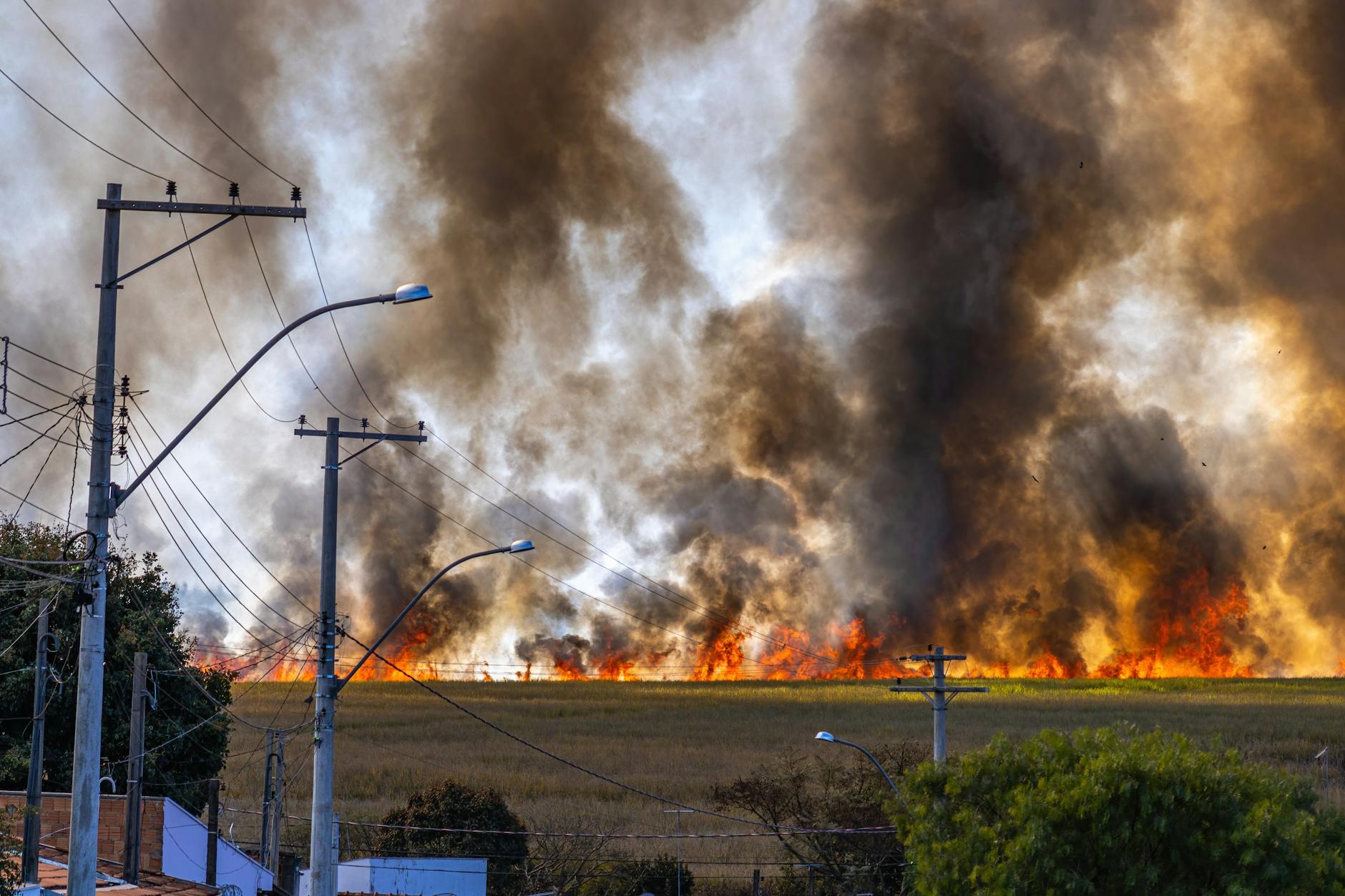
New evidence from government investigators and court filings casts fresh doubt on Southern California Edison’s safety claims before last year's devastating Eaton fire. The inferno, which tragically killed 19 people and destroyed over 9,000 structures, was ignited by electrical arcing on an out-of-service transmission line. Revelations include critical fire prevention equipment needing repair and years of unmanaged vegetation, fueling urgent questions about utility accountability. This ongoing investigation highlights the critical importance of robust fire prevention, especially in a climate increasingly prone to severe wildfires.
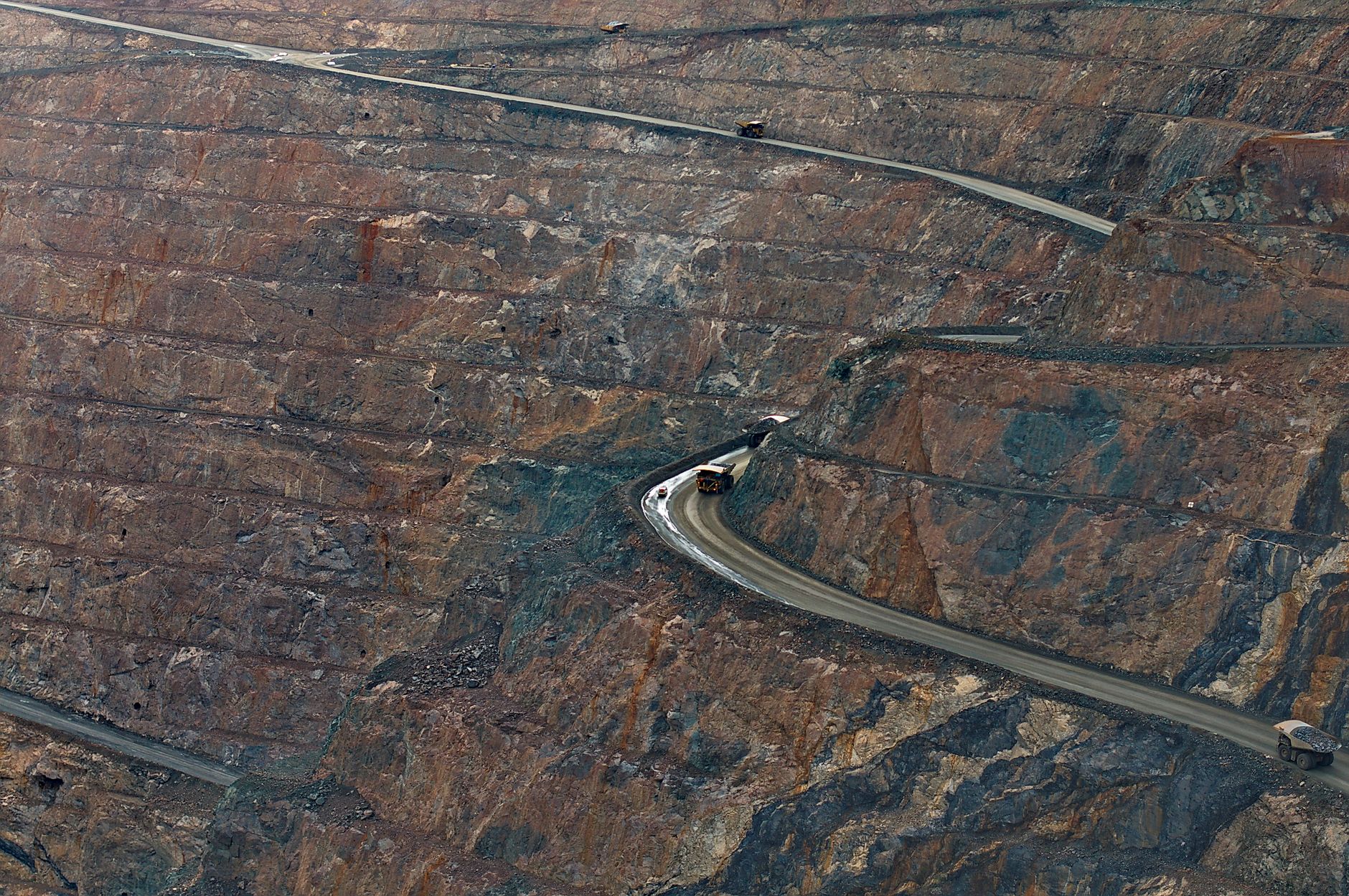
Mining giant BHP recently announced a significant 30% jump in its underlying profit for FY2026, largely powered by surging copper prices. This financial success, however, comes alongside a slight increase in its operational greenhouse gas emissions. While BHP has made strides in cutting emissions since 2020, achieving its ambitious 2050 net-zero target will require substantial efforts to tackle hard-to-eliminate sources. The company anticipates needing up to 5 million carbon credits to offset these remaining emissions, underscoring the complex balance between economic growth and urgent environmental responsibility.
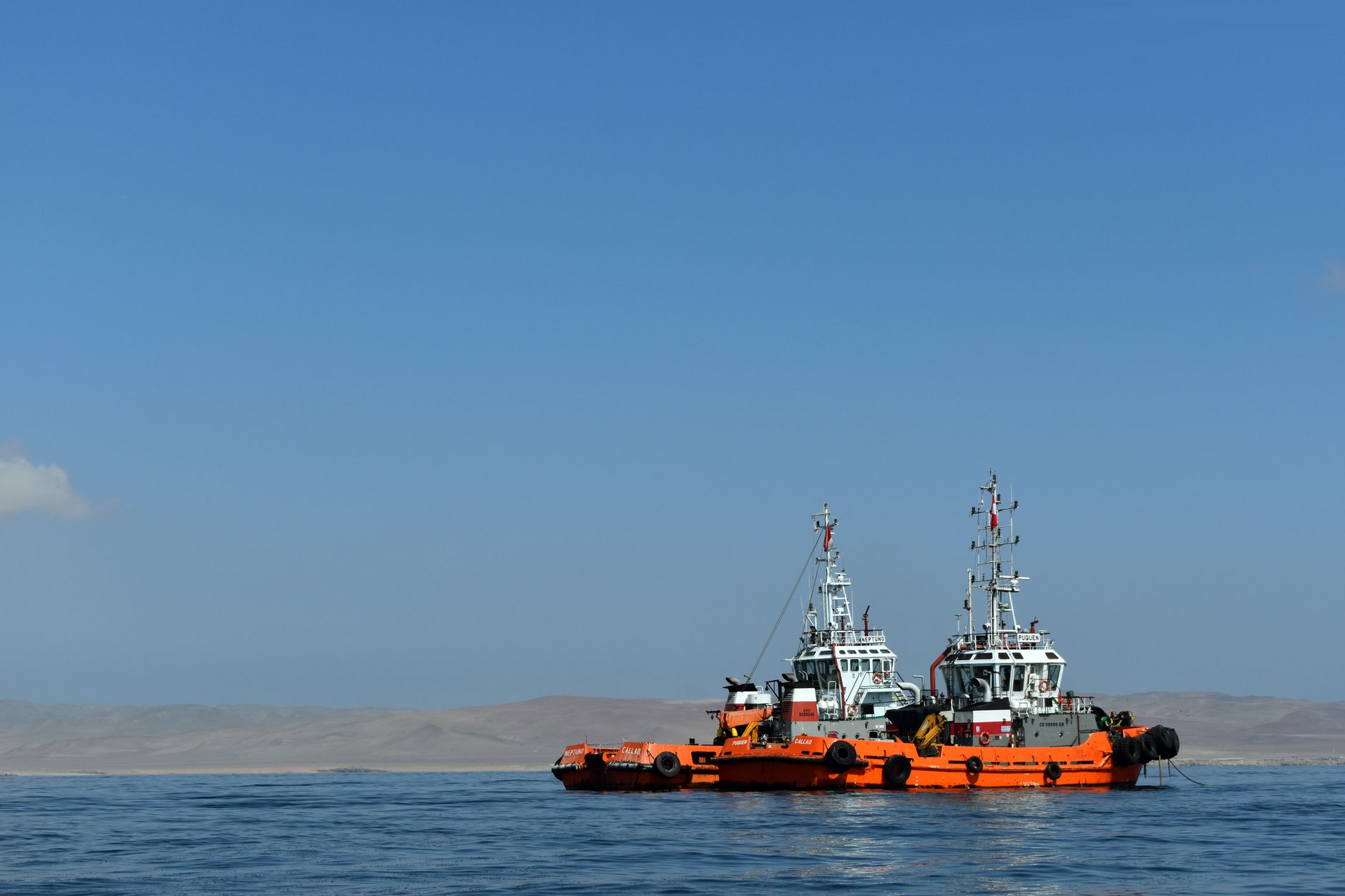
The United States is preparing to deploy a military hospital ship, the USNS Comfort, to Peru's Pacific coast early next year. This crucial aid comes as Peru braces for the expected peak of the powerful El Niño climate phenomenon in February 2027. The move is part of a broader U.S.-Peru collaboration aimed at helping the South American nation cope with potential devastating impacts, underscoring the urgent need for international cooperation against escalating climate challenges. Peru's President Keiko Fujimori has already declared addressing this potentially catastrophic climate event a top national priority.
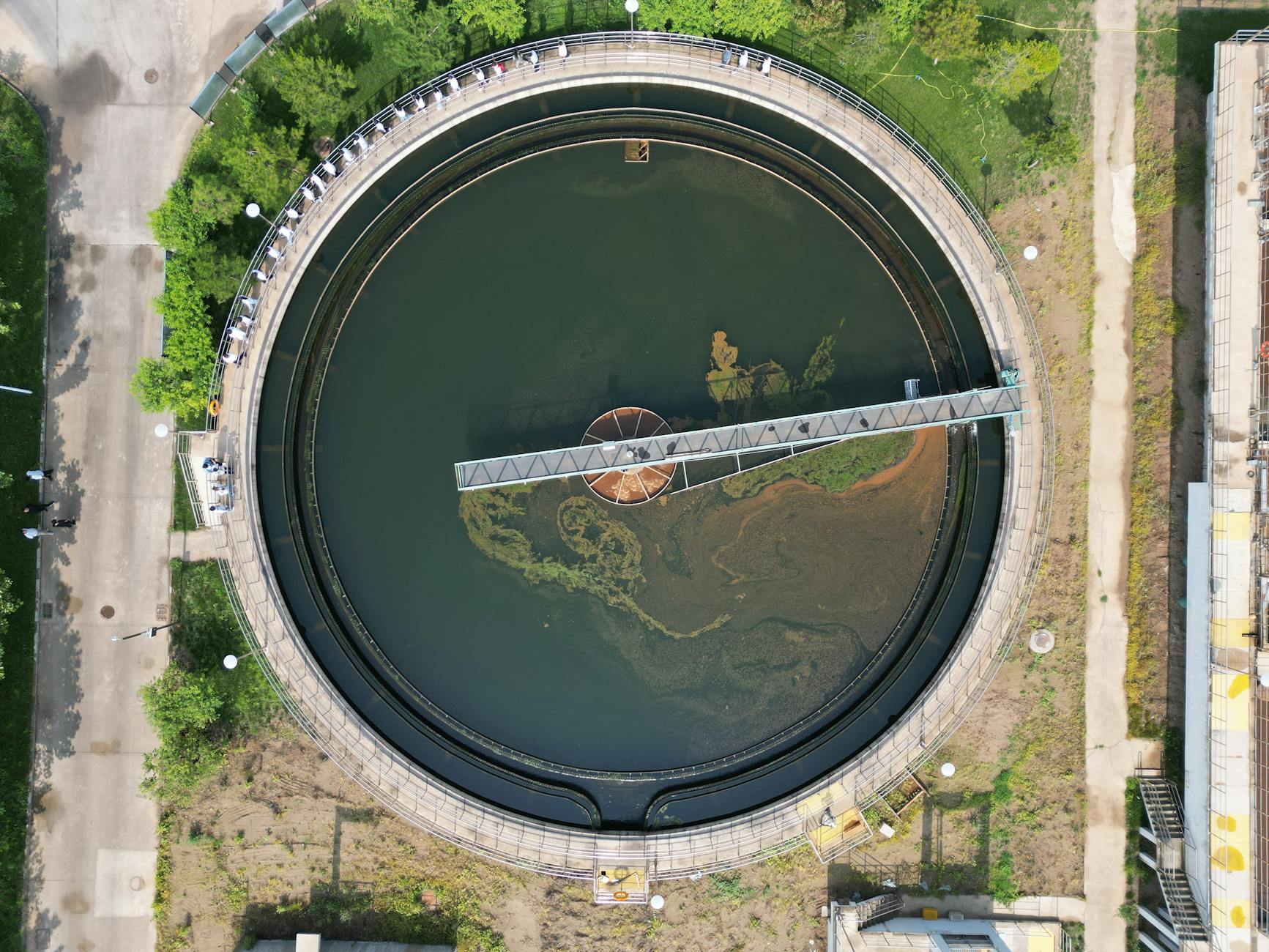
Texas's booming oil production faces a looming crisis: a shortage of space to dispose of nearly a billion gallons of toxic wastewater daily. This "produced water" is traditionally injected underground, but that practice is causing earthquakes and blowouts. Now, a controversial solution is on the table: treating this water and releasing it into rivers or applying it to land. Environmental groups and researchers are raising serious concerns about rushing these permits without conclusive data on safety. This decision could significantly impact Texas's vital waterways and ecosystems.
A federal judge has issued a significant ruling allowing a Texas oil company, Sable Offshore Corp., to resume pumping oil along California's sensitive Santa Barbara County coast. This decision, backed by an emergency order from the Trump administration, dramatically shifts regulatory power from state to federal officials, raising alarms among environmental groups and state authorities. Critics fear for pipeline safety, especially given a major oil spill in the area in 2015 and Sable’s history of environmental violations. The ruling underscores a growing tension between energy production and vital environmental protection, impacting efforts to safeguard California’s treasured coastline from further harm.
Extreme weather, from sudden heatwaves to sharp cold snaps, may be severely disrupting wasp populations. While wasps are usually resilient, these rapid, unpredictable changes could be overwhelming them, especially vulnerable young colonies. This situation is alarming because wasps play crucial roles as pollinators and natural pest controllers, roles often overlooked in favor of more popular insects. We urgently need more dedicated research to understand this developing threat, which is made worse by non-selective traps meant for invasive species.
Kazakhstan is making a significant move in the global fight against climate change, opening 5.2 million hectares of land for new carbon projects. This vast area, part of its state forest fund, could help the country attract crucial climate investment. By developing projects that reduce emissions and absorb carbon, Kazakhstan aims to create carbon credits for both its domestic market and international trade. This initiative is a vital step towards its ambitious goal of achieving carbon neutrality by 2060 and meeting its greenhouse gas reduction targets.
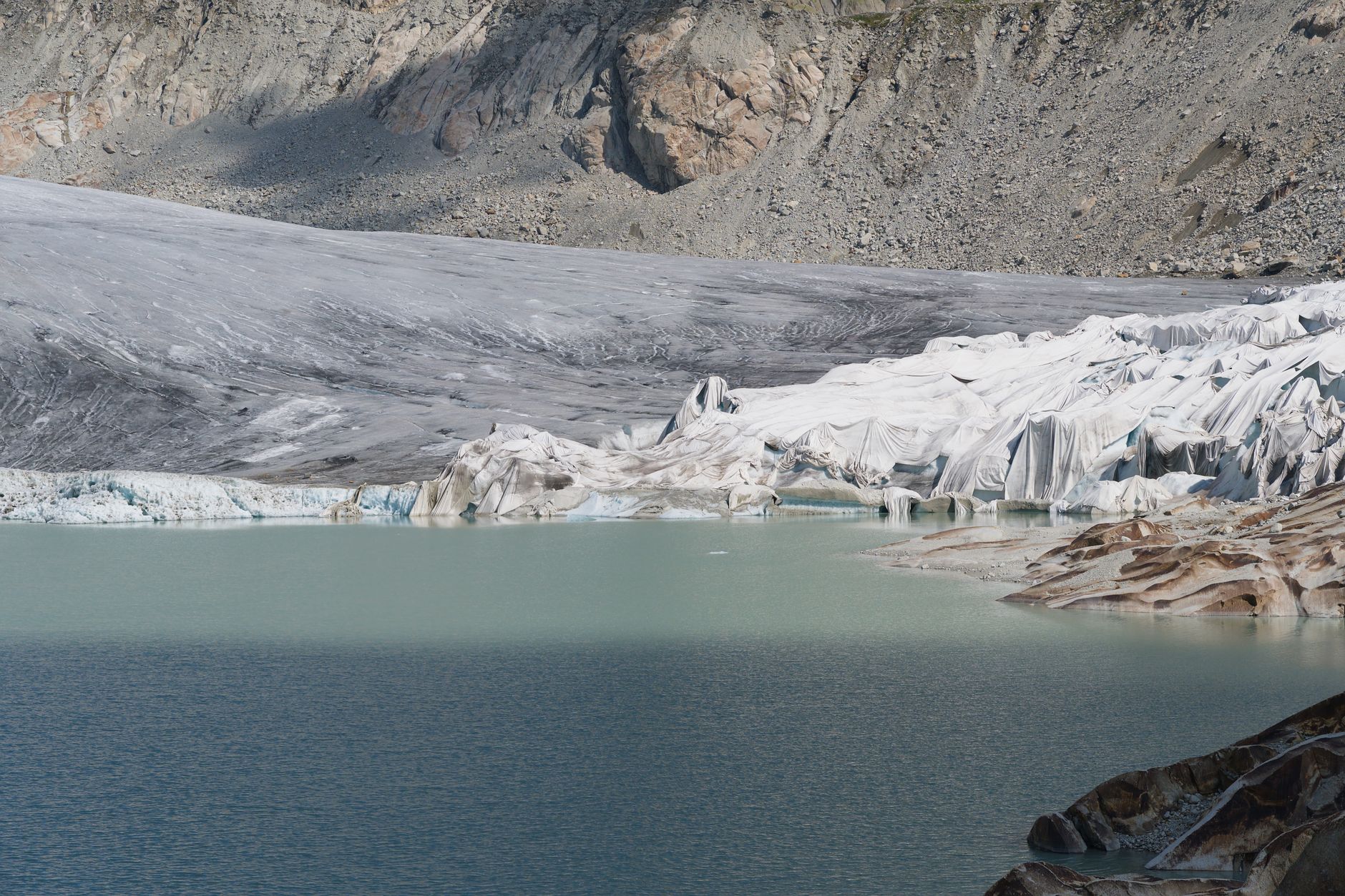
The bodies of two Belgian mountaineers, missing for over three decades in the Swiss Alps, have tragically been found as the region's glaciers continue to recede. This somber discovery underscores a growing trend where melting ice, driven by global warming, reveals long-lost individuals. It serves as a stark reminder of the profound and often heartbreaking impacts of our changing climate on even the most remote landscapes, urging us to confront the urgency of environmental action.
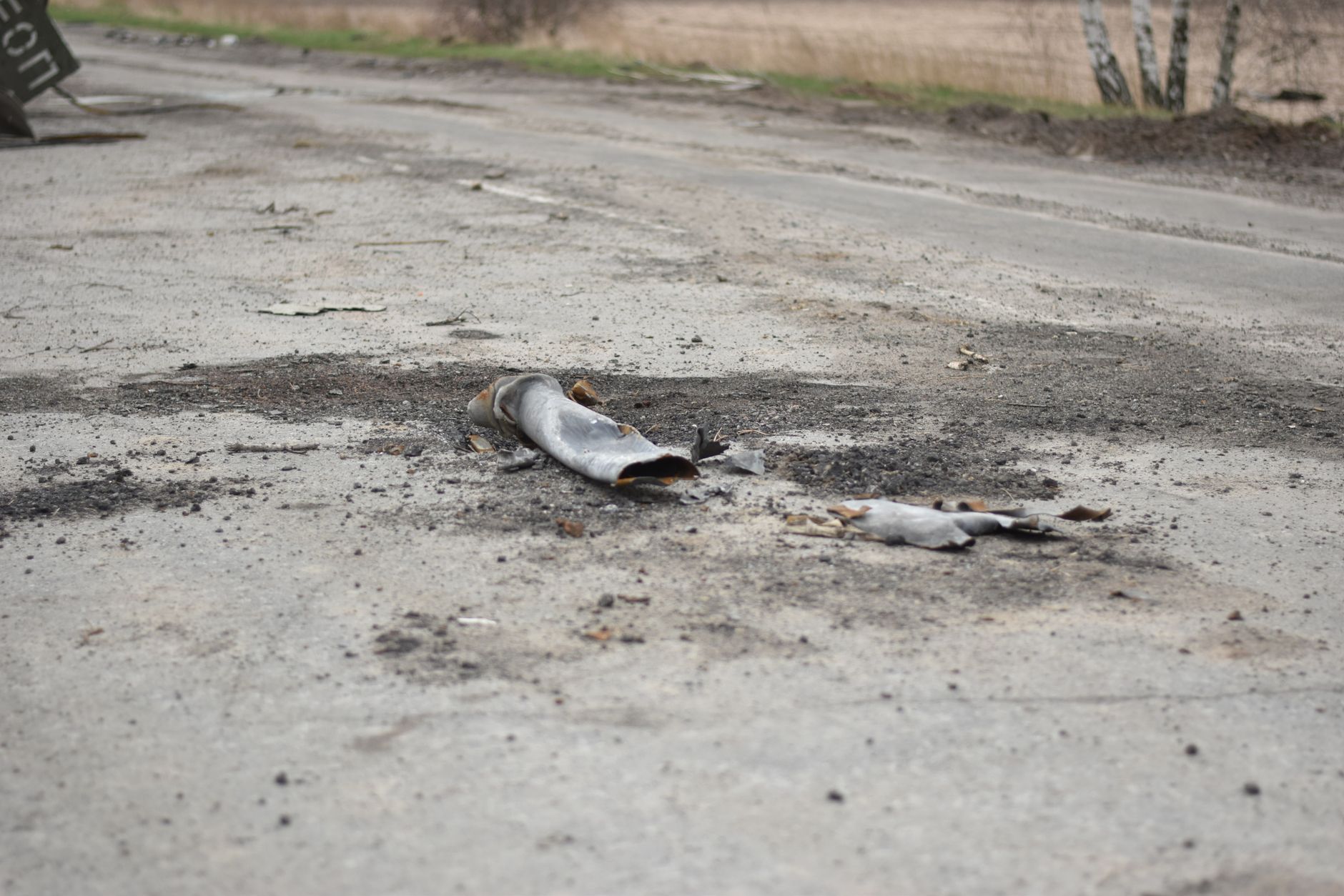
A devastating explosion at U.S. Steel's Clairton Coke Works in August 2025, which killed two workers and injured 11, was entirely preventable, according to a federal report. The U.S. Chemical Safety and Hazard Investigation Board (CSB) found that critical safety failures and a lack of formal procedures led to the catastrophic incident. This tragic event at an aging facility, known for its significant air pollution, underscores the urgent need for robust industrial safety standards and a shift toward modern, cleaner technologies to protect both workers and communities.
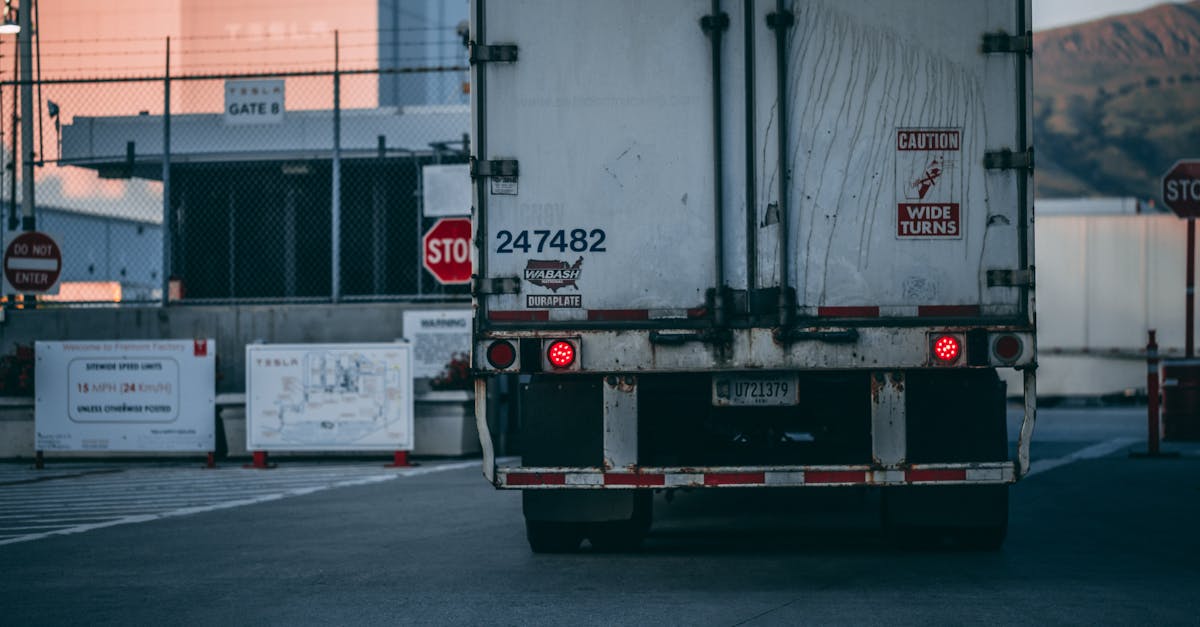
A major stride towards cleaner transportation is underway as Swedish trucking company Einride AB places a massive order for 500 Tesla Semi trucks. This significant deal marks Tesla's largest Semi order to date and will see electric trucks deployed across key logistics routes in California, New Jersey, Texas, Illinois, and Georgia. This move will support large companies like Amazon, driving the shift to sustainable freight and underscoring the urgent need for environmental action in global logistics.
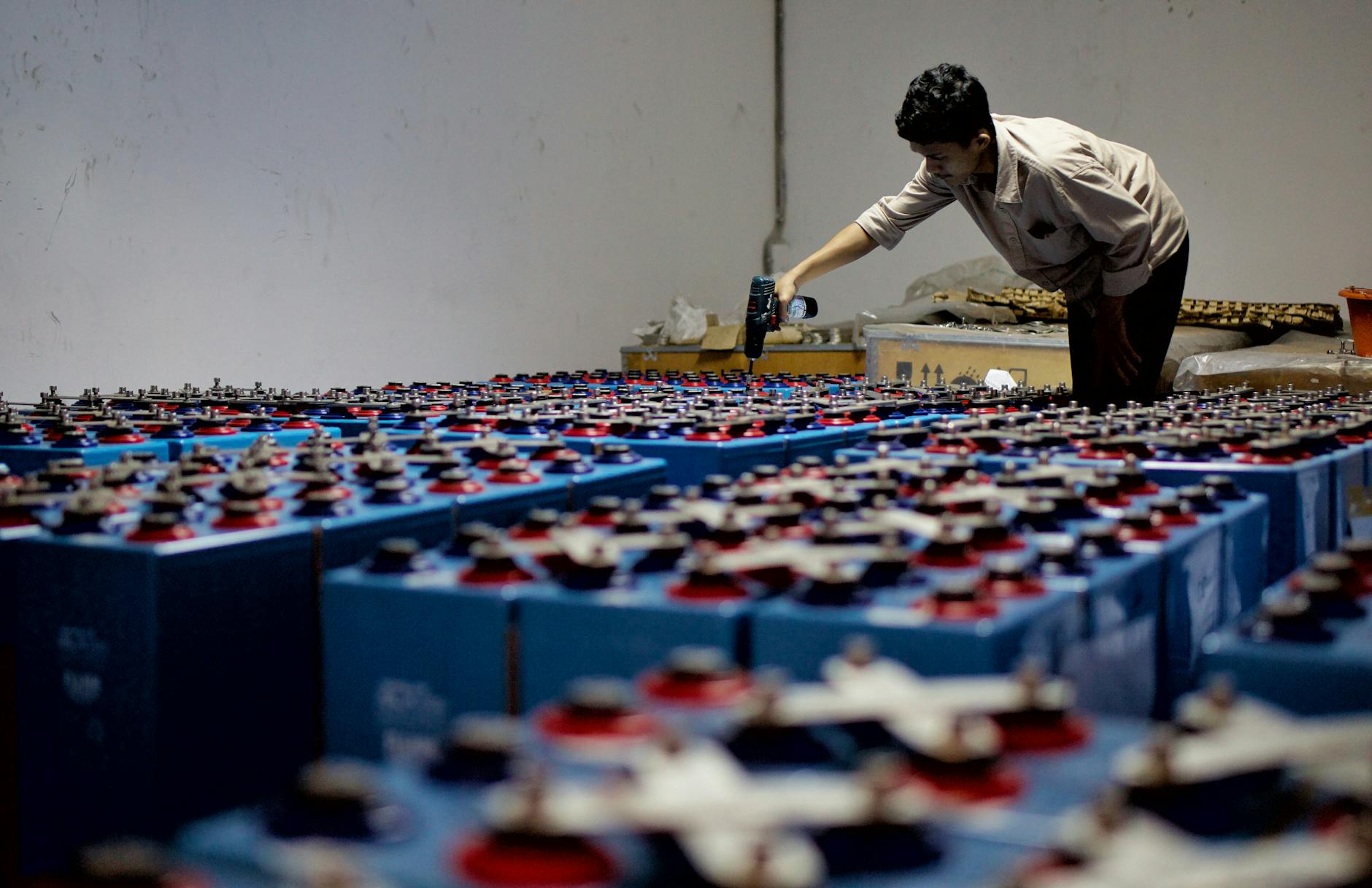
CATL, the world's leading electric vehicle battery maker, has announced a significant stride in its climate efforts, declaring all 20 of its battery plants carbon neutral by 2025—a year ahead of schedule. This milestone for the company, which powers a vast number of EVs, underscores the growing commitment to sustainable solutions in the electrification push. However, the harder journey lies ahead: CATL now aims to decarbonize its entire battery supply chain by 2035, tackling the majority of its emissions from raw materials to recycling. This ambitious goal is crucial for truly clean electric vehicles and fighting global warming.
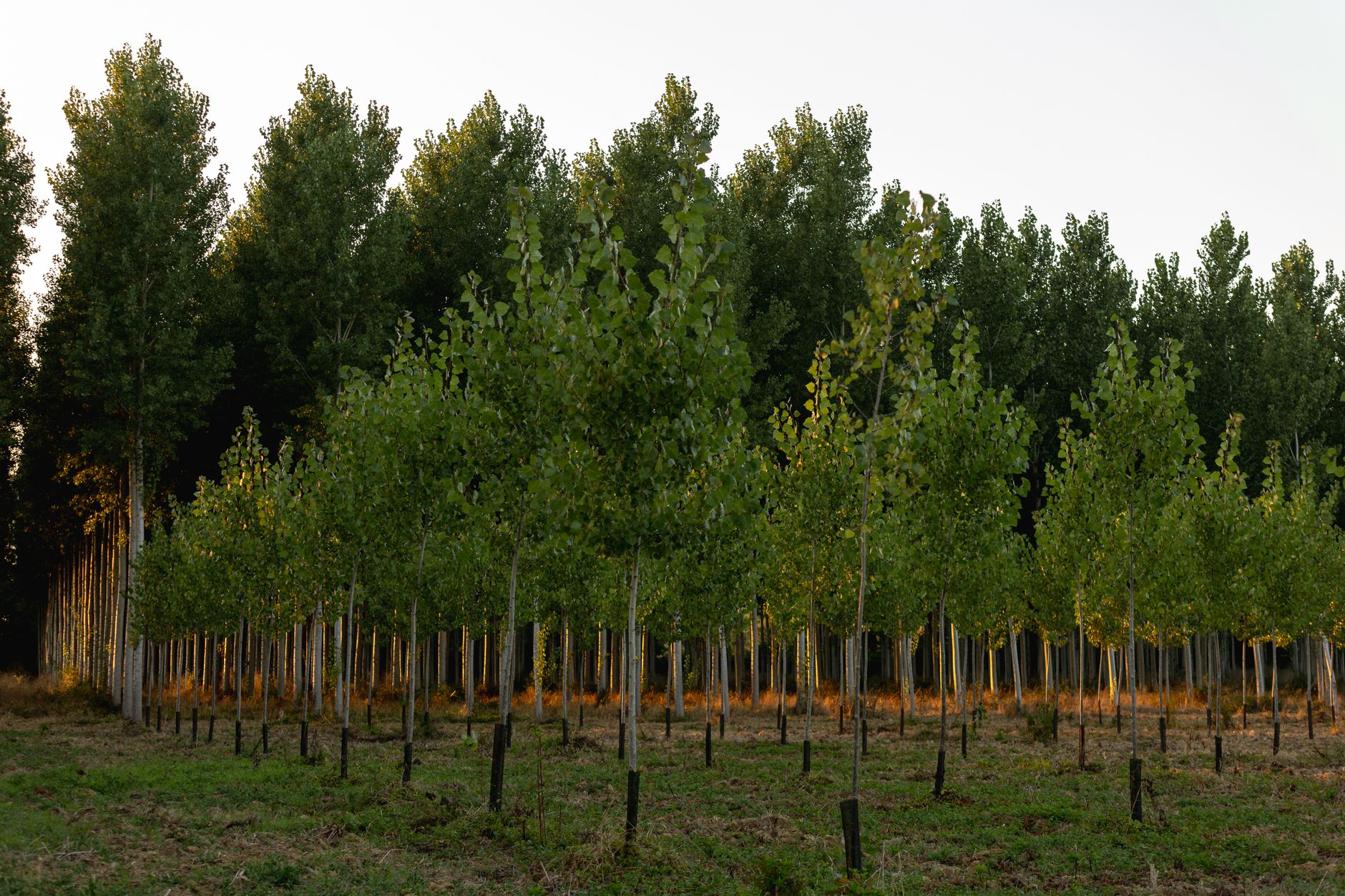
Phoenix, a city grappling with extreme heat, is launching an innovative program to cool down its most vulnerable neighborhoods while creating new job opportunities. Partnering with Unlimited Potential, Arizona State University, and the city, this initiative focuses on planting trees. The project addresses the urgent need to combat urban heat islands exacerbated by climate change, offering a sustainable solution that benefits both the environment and the local economy.