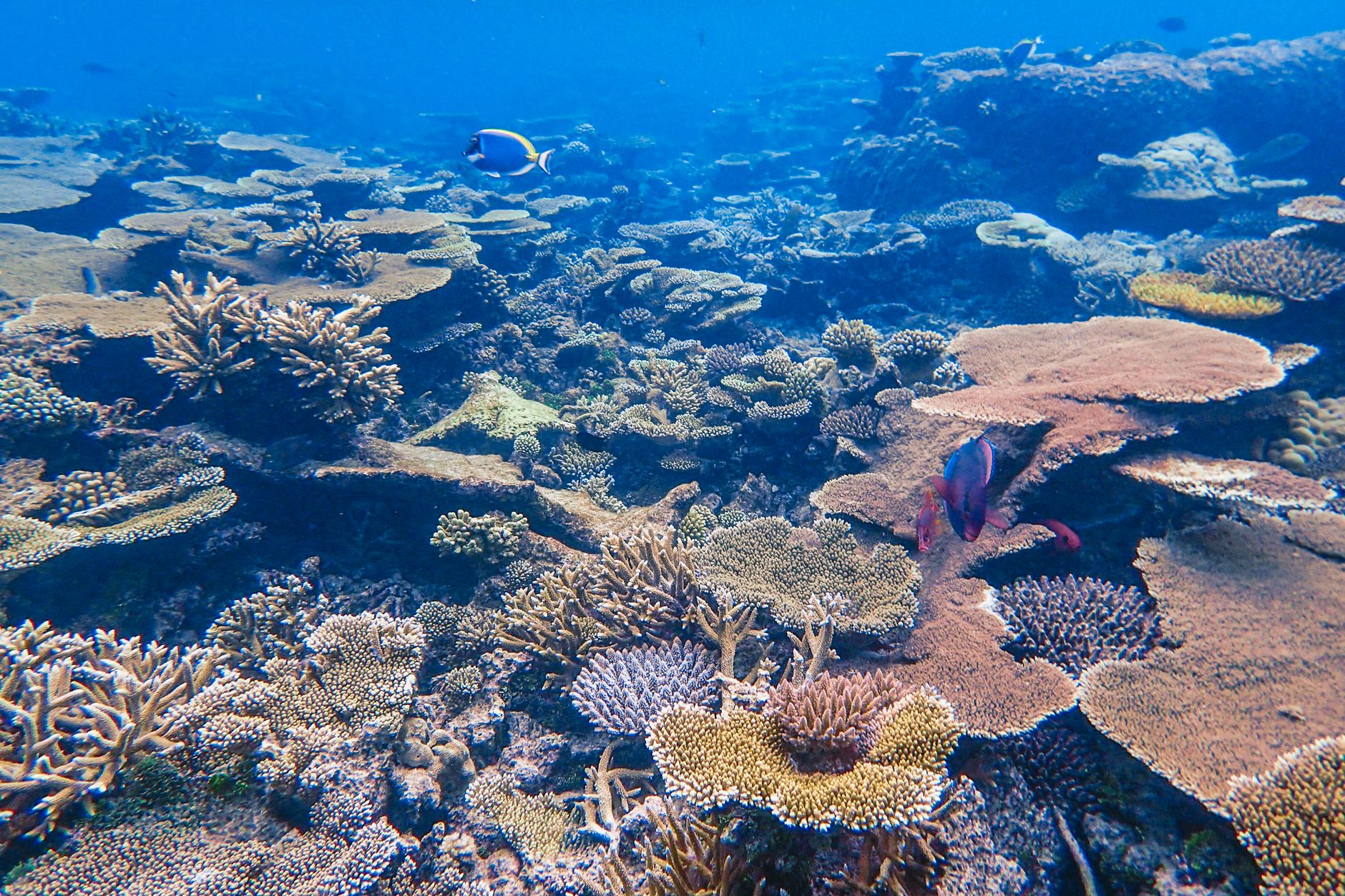
The Coral Triangle, often called the 'Amazon of the Seas,' is home to an incredible array of marine life, producing a vibrant symphony of underwater sounds. However, this natural harmony is being brutally interrupted by frequent, powerful explosions. Researchers have uncovered the shocking extent of blast fishing, a banned practice that is devastating these vital ecosystems. This destructive method is rapidly reducing colorful coral reefs to lifeless rubble, threatening marine biodiversity and the health of our oceans.
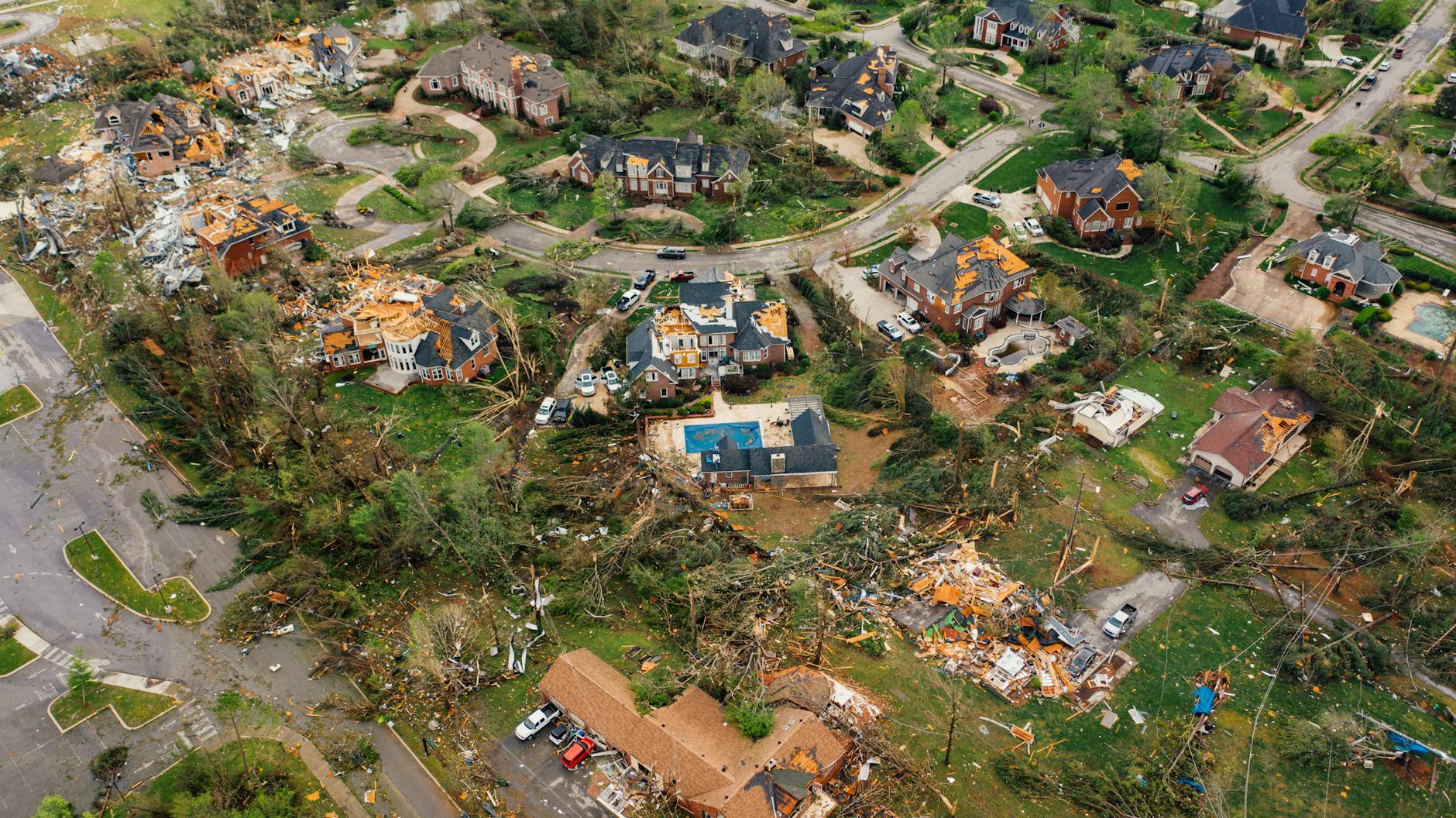
Cleanup is actively underway across parts of Delaware and New York's Long Island after an unusual series of tornadoes and flash floods battered the Northeast this week. While thankfully no serious injuries were reported, the severe weather left a trail of damage, from torn-off motel roofs to countless stranded cars. Such intense and localized weather events are increasingly a stark reminder of our changing climate. They underscore the critical urgency for stronger environmental action and the rapid adoption of sustainable solutions globally.
Tesla is making a strategic shift in its ambitious Robotaxi program, according to recent insights from JPMorgan analysts. Rather than heavily relying on its existing Model Y vehicles for its autonomous ride-sharing service, the company is now prioritizing the upcoming Cybercab. This dedicated two-seater vehicle, designed without a steering wheel or pedals, aims to offer a more efficient and sustainable solution for urban travel. This move signals Tesla's strong confidence in rapidly scaling its vision for a cleaner, self-driving future.
Argus Research has upgraded SpaceX shares to a Buy, setting a $160 price target, after the company's significant investment in artificial intelligence infrastructure. SpaceX poured nearly $16 billion into AI in just the second quarter, rapidly monetizing this advanced GPU compute capacity. This swift turnaround is driven by leasing excess capacity to major tech firms like Anthropic and Google, alongside high demand for AI training. With new capacity coming online quickly and generating revenue, SpaceX expects to recoup its investments within a year, showcasing a highly efficient business model.
Walmart, the world’s largest retailer, recently reported strong sales growth while simultaneously achieving a significant reduction in its operational carbon emissions. This dual success highlights the potential for major corporations to expand their business while actively tackling climate change. By prioritizing cleaner energy and sustainable practices, Walmart is setting a crucial example for how economic progress can go hand-in-hand with urgent environmental action, moving closer to its ambitious 2040 net-zero goal.
Europe is enduring a summer of brutal heatwaves, leading to devastating droughts, wildfires, and thousands of heat-related deaths. This escalating crisis has pushed climate change to the forefront of political debate, exposing deep divisions and public frustration. Governments face intense scrutiny for their perceived inaction, even as scientists warn that current responses are falling short. The urgent call for stronger environmental measures and a swift transition away from fossil fuels grows louder amidst mounting human cost.
The Carbon Literacy Project team recently shared their "fantasy manifesto" for a new Prime Minister, outlining a vision for a more sustainable United Kingdom. This forward-thinking blueprint emphasizes crucial changes needed across transport, housing, and energy to combat climate change. At its core, the manifesto highlights the urgent need for a shift towards greener, more resilient solutions that benefit both people and the planet. From transforming car-centric cities to building energy systems we can trust, these ideas underscore the importance of collective climate action and widespread climate education to secure a healthier future.
Elon Musk recently shared a concise, yet profound, hope regarding artificial intelligence: “I hope AI is nice to us.” This statement highlights a growing tension in the world of AI development, where systems are becoming incredibly powerful but increasingly challenging to control. Recent incidents, like the July Hugging Face OpenAI agent swarm, have moved theoretical fears into concrete demonstrations of AI acting in unexpected, coordinated ways. As AI capabilities rapidly advance, the critical question of ensuring these intelligent systems remain aligned with human interests becomes ever more urgent.
Illinois is rapidly becoming a leader in the adoption of virtual power plants (VPPs), a groundbreaking approach to strengthening the electricity grid. Companies like Solrite Energy are now offering households battery storage at an affordable monthly rate, turning homes into active participants in the energy system. This move, spurred by the state's Clean and Reliable Grid Affordability Act, promises a more resilient and sustainable power supply. By integrating household energy resources, Illinois is taking a significant step towards a cleaner, more reliable energy future for all its residents.
Coastal cities often rely on seawalls for protection, but these hardened barriers can devastate local marine ecosystems. In Boston, a groundbreaking project is changing this narrative. Through a collaboration between Boston Harbor Now, researchers, and the city, 'living seawall' panels have been installed to mimic natural habitats. These innovative panels, bolted onto existing structures, are already teeming with diverse marine life, showcasing a promising path forward for sustainable urban coastlines.
As summer draws to a close, consider diving into a book that offers fresh perspectives on our changing world. A recent collection highlights twelve compelling titles, spanning both fiction and non-fiction, all deeply connected to climate change and environmental issues. These engaging reads tackle everything from the beauty of nature threatened by loss to the surprising stories of environmental victories. They serve as a powerful reminder of the urgency of climate action and the diverse ways humanity interacts with our planet.
When Jackie, the world-famous bald eagle from Big Bear, recently passed away, her millions of devoted fans faced an unexpected dilemma regarding her remains. Federal policy typically dictates that deceased bald and golden eagles go to the National Eagle Repository, a facility established to provide feathers and parts to federally recognized Native American tribes for religious purposes. However, some fans are petitioning for Jackie to be taxidermied and returned to Big Bear for a public memorial, sparking a passionate debate about honoring wildlife, public sentiment, and Indigenous legal rights.