The highly anticipated Tesla Roadster is poised to redefine electric performance, with a recently granted patent hinting at its groundbreaking capabilities. This innovative 'Electric Car Fan' system is designed to provide unmatched grip, independent of speed, tackling a key challenge for high-torque electric vehicles. By actively pressing the car onto the pavement, this technology promises exhilarating acceleration, shorter stopping distances, and superior control. Such advancements not only push automotive limits but also underscore the immense potential of electrification in creating a cleaner, faster future for transportation.
Tesla is pushing the boundaries of electric vehicle performance with a newly granted patent for its upcoming Roadster. This innovative "Electric Car Fan" system aims to provide incredible downforce, essential for handling the instant torque of high-performance EVs. Unlike traditional aerodynamics, these fans can generate grip even at low speeds, promising to redefine acceleration, braking, and cornering capabilities. It's a glimpse into the cutting-edge engineering driving the future of sustainable, high-speed mobility.
A recent Penn State study exploring shallow groundwater near fracking sites in southwestern Pennsylvania found generally low radium levels, but the findings aren't conclusive for the whole region due to limited samples. While direct links between fracking and high radium were weak, researchers did note concerning increases in water salinity. This elevated salt content, whether from drilling, road salt, or septic systems, can corrode pipes and aquifers, potentially releasing harmful metals like lead and radium. The study adds to the ongoing debate about fracking's environmental impact on drinking water, a critical issue for many Pennsylvanians relying on private wells.
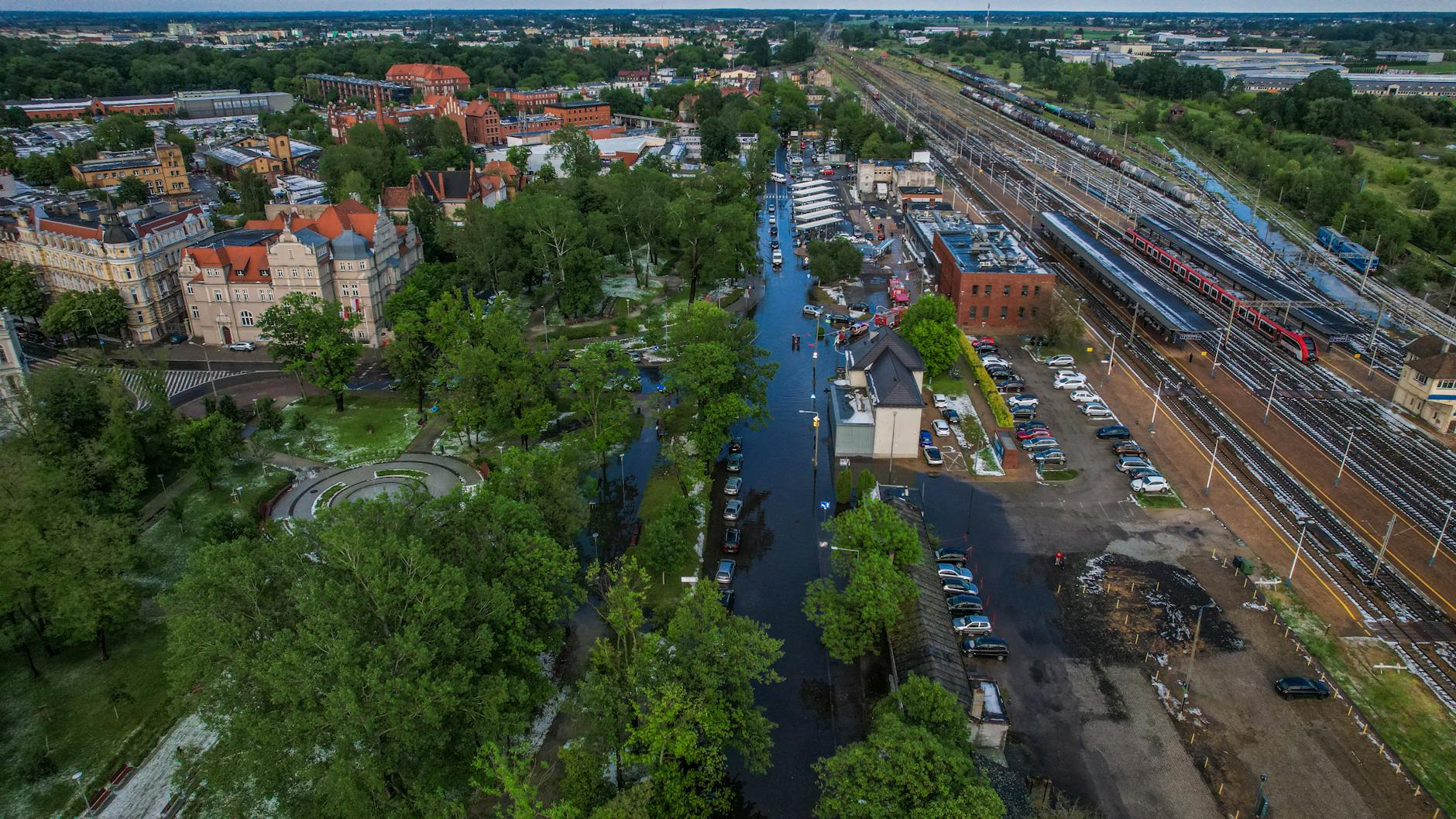
Cities worldwide are discovering effective, budget-friendly ways to bounce back swiftly from increasingly severe weather events. For instance, New York is showing remarkable resilience against heavy rainfall and flash flooding, thanks to these innovative local strategies. This shift highlights a critical pathway for urban areas to adapt to our changing climate. It underscores the urgent need for communities to embrace sustainable solutions to protect residents and infrastructure as global warming intensifies.
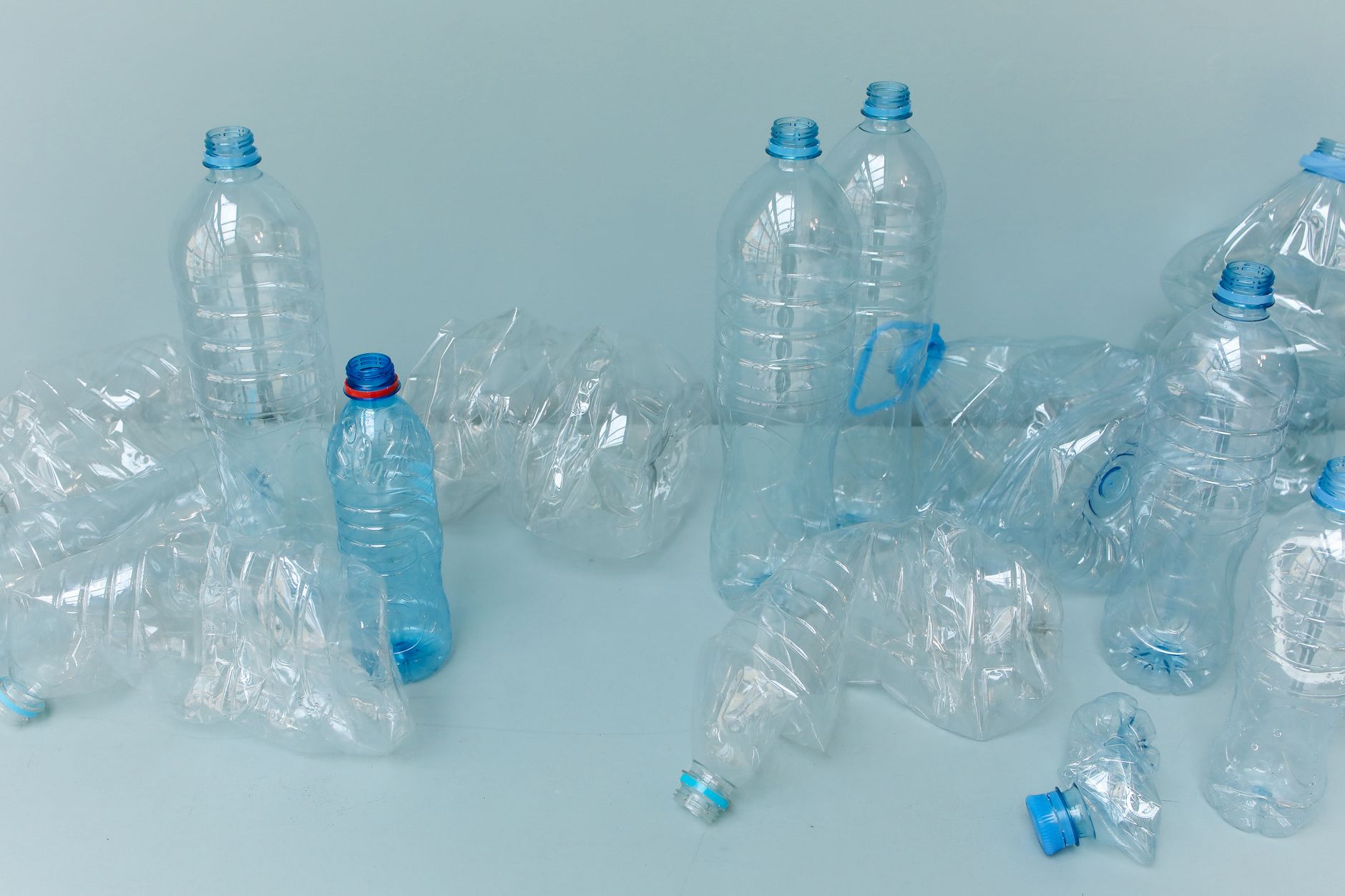
Tech giant Meta is making a significant move to tackle its supply chain emissions and the global plastic waste crisis by partnering with U.S. startup MacroCycle Technologies. Meta has committed to purchasing environmental attribute certificates from MacroCycle's first commercial plant, which will produce 5,000 tonnes of high-quality recycled PET plastic annually. This crucial agreement provides MacroCycle with the long-term demand needed to build its facility and scale its innovative recycling process, turning difficult plastic waste into valuable material. With global plastic production soaring and recycling rates struggling, this collaboration is a vital step toward creating a more circular economy and easing the environmental burden of plastic pollution.
Base Carbon's Rwanda cookstoves project just secured a significant boost in carbon credits eligible for the aviation industry's mandatory climate compliance scheme, CORSIA. These 640,000 newly approved credits, part of a larger nearly 2-million-ton inventory, are crucial as the sector faces a massive shortage of units required to offset emissions. This project not only helps airlines meet their climate obligations but also brings vital environmental benefits to rural Rwandan households by reducing deforestation and harmful indoor air pollution. It highlights how local sustainable solutions are pivotal for global climate action.
Europe experienced a devastating summer in 2026, with an estimated 40,000 heat-related deaths across the continent. Germany alone saw 16,000 fatalities, overwhelming its advanced healthcare systems. Despite accurate weather forecasts, experts at the Extreme Weather Congress in Hamburg revealed a critical disconnect: our ability to predict dangerous heat far exceeds our preparedness to protect vulnerable populations. This tragic toll underscores the urgent need to overhaul outdated infrastructure and emergency responses, acknowledging that our climate has fundamentally changed. The warming world demands immediate, comprehensive action to prevent future catastrophes.
The Pacific Northwest, often thought of as rainy, is experiencing increasingly unpredictable weather due to climate change. Winters bring heavy but inconsistent storms, while summers are growing hotter and drier, making it tough for farmers to manage water. However, the Outback Farm at Western Washington University found a clever solution. By installing soil moisture sensors, they've drastically cut down on irrigation, adapting effectively to these changing conditions and setting an example for sustainable farming practices. This innovative approach highlights the urgent need for environmental action and smart solutions in agriculture.
Hawaii's iconic North Shore beaches are rapidly eroding due to rising sea levels, posing a critical threat to both natural beauty and public access. Property owners, desperate to protect their investments, often build temporary barriers like seawalls, which inadvertently cause beaches to disappear even faster. This escalating crisis highlights a stark conflict between private property interests and the vital need to preserve Hawaii's public trust beaches for future generations. The state has responded with tough new laws, banning shoreline armoring and requiring sellers to disclose climate risks, pushing Hawaii to the forefront of climate adaptation policy. However, the future of these cherished coastlines depends on embracing more sustainable solutions and recognizing the urgency of climate action.
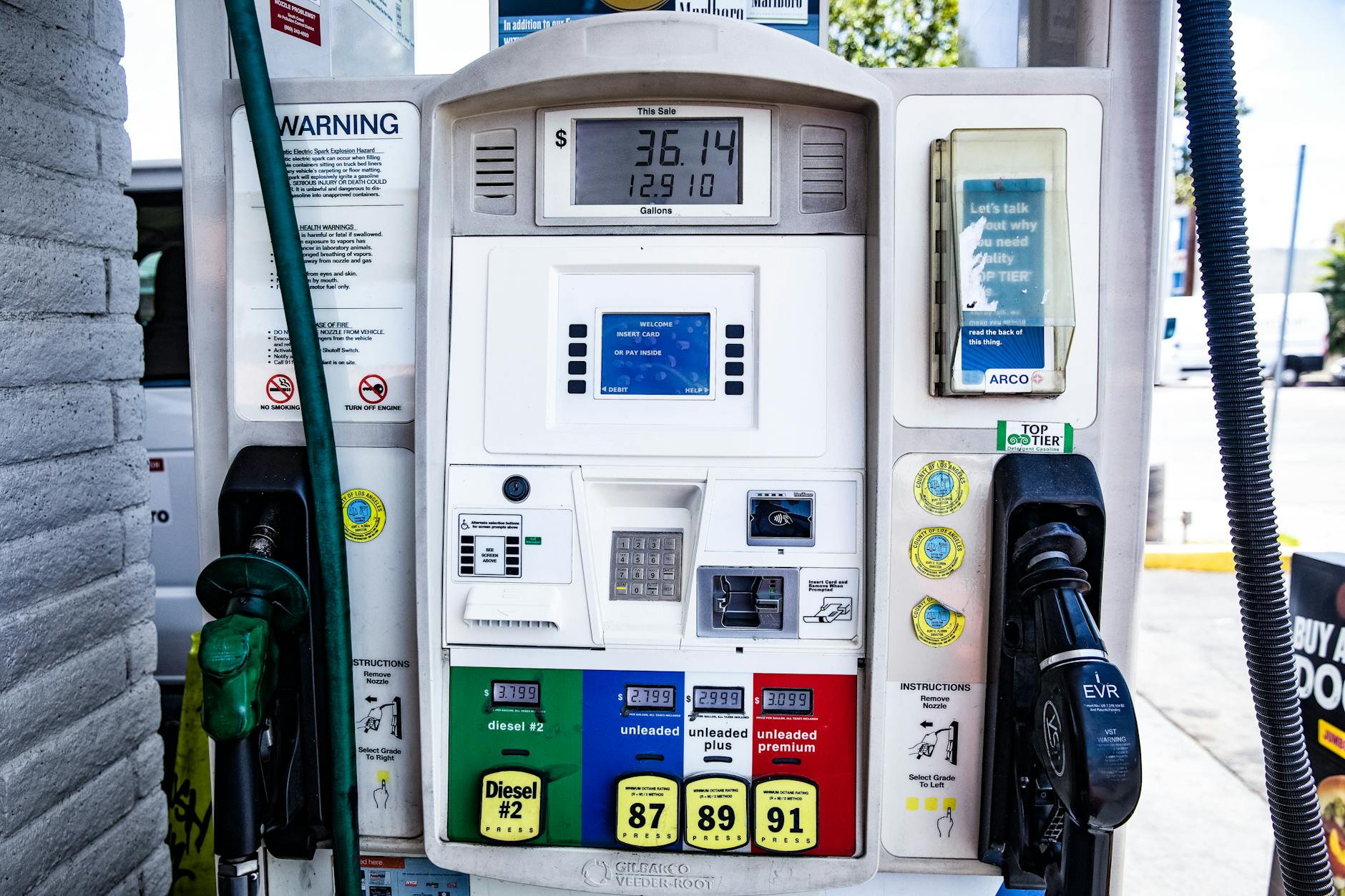
The Trump administration has finalized new fuel-efficiency rules, easing pressure on carmakers to reduce pollution from gasoline vehicles. This decision poses a significant challenge for states like California, which are striving to achieve ambitious climate and clean car objectives. Experts warn that this move could lead to higher costs at the pump for consumers and enable automakers to produce less efficient vehicles, intensifying environmental concerns. It represents a potential setback for urgent climate action and the global push towards sustainable transportation solutions.
A battle is brewing on California's Centerville Beach, where a proposal to repair a storm-battered road comes with a controversial condition: banning vehicles from the sand. This decision by the California Coastal Commission aims to protect delicate dune habitats and the federally threatened western snowy plover. However, local residents in rural Humboldt County view it as unnecessary government overreach, threatening their way of life and a unique coastal experience. The debate highlights the increasing tension between public access and vital environmental protection along California's rapidly changing shoreline.
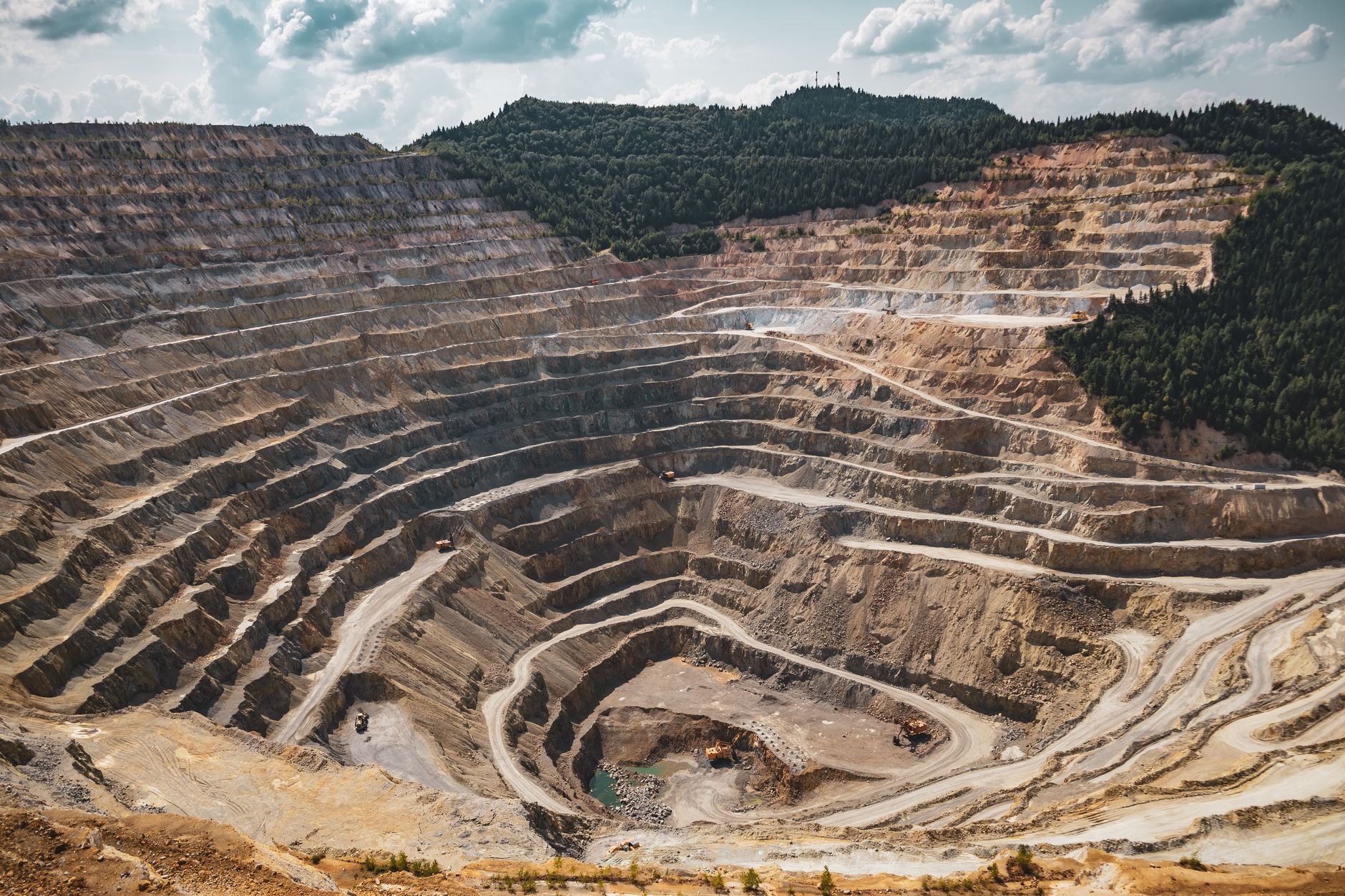
Environmental groups are taking federal agencies to court over the rapid approval of South32’s Hermosa mine in Arizona. This project, intended to extract critical minerals vital for clean energy technologies, has been fast-tracked under a federal program, drawing accusations of an illegal rush job. Conservationists argue the mine threatens endangered species like jaguars and will deplete vital water resources in the biodiverse Patagonia Mountains. The lawsuit highlights a critical tension between the push for electrification and the urgent need to protect sensitive ecosystems.