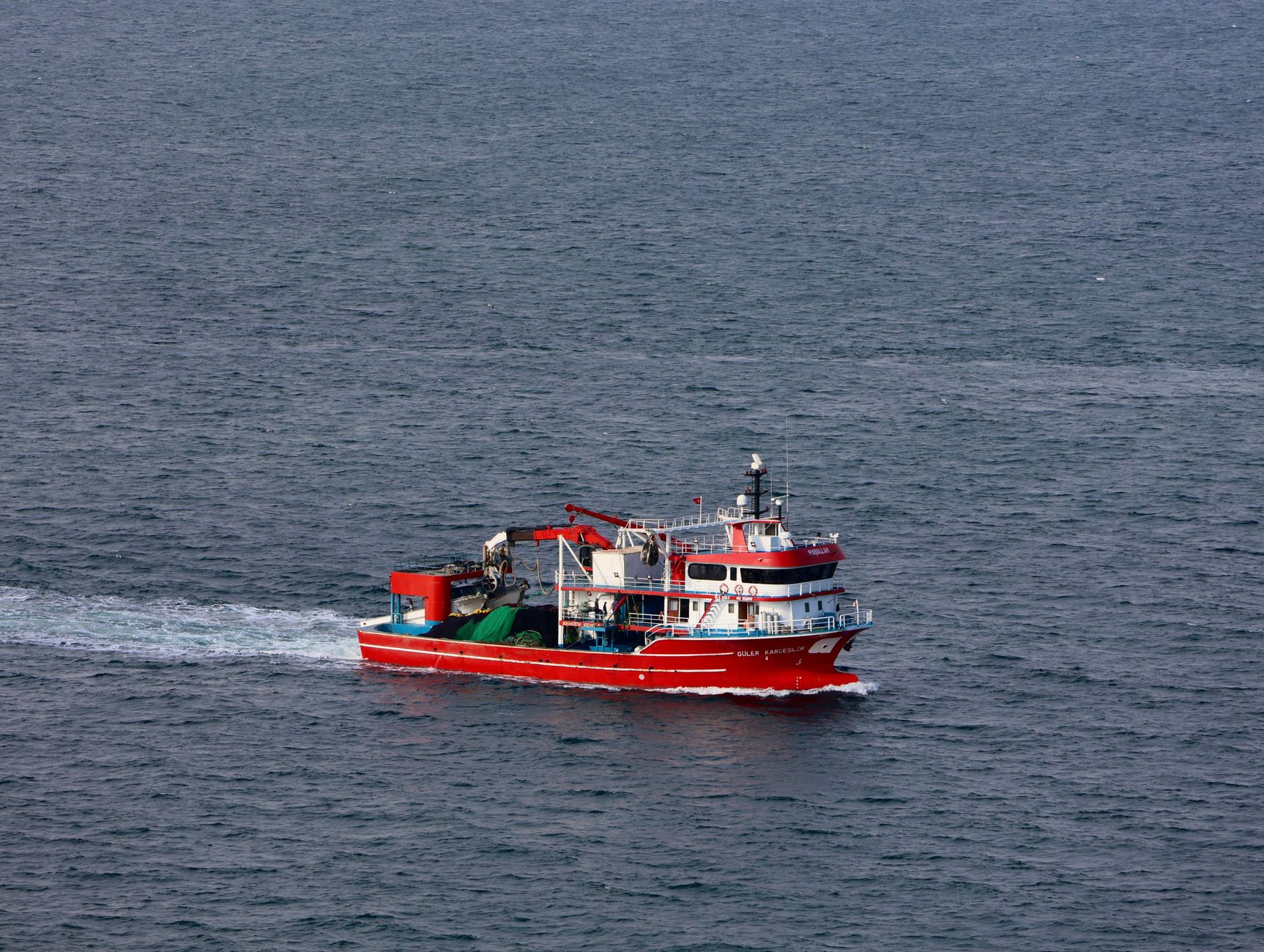
A new report from French non-profit BLOOM reveals that a tiny fraction of Europe's fishing fleet, just 638 large vessels, is responsible for the majority of damage to ocean health and marine life. These "mega-industrial" trawlers, often over 108 feet long, disproportionately deplete fish stocks and harm ecosystems. As the European Union prepares to allocate billions in fisheries funding, environmentalists are calling for urgent action to dismantle these destructive ships and safeguard our precious marine environments.
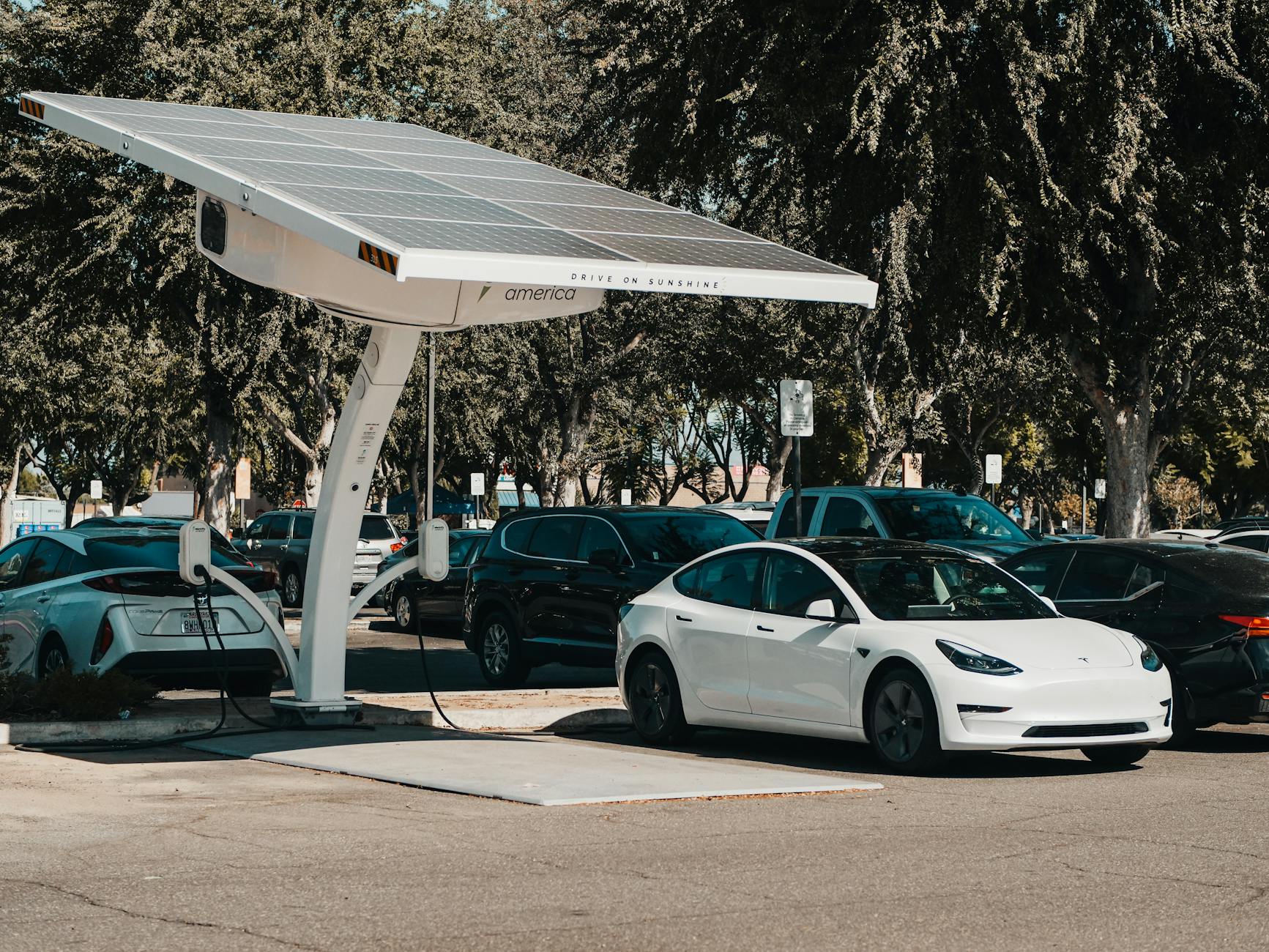
The International Energy Agency (IEA) reports an optimistic outlook on global electrification, suggesting that cost, security, and environmental benefits are aligning like never before. With electric vehicles offering nearly three times the mileage of gasoline cars for the same cost and heat pumps providing 40% more heating than gas boilers, the advantages are clear. However, while the path towards a cleaner, electrified future seems logical, leading energy researchers caution that significant political and economic hurdles remain, underscoring the urgency for collective action to combat global warming.
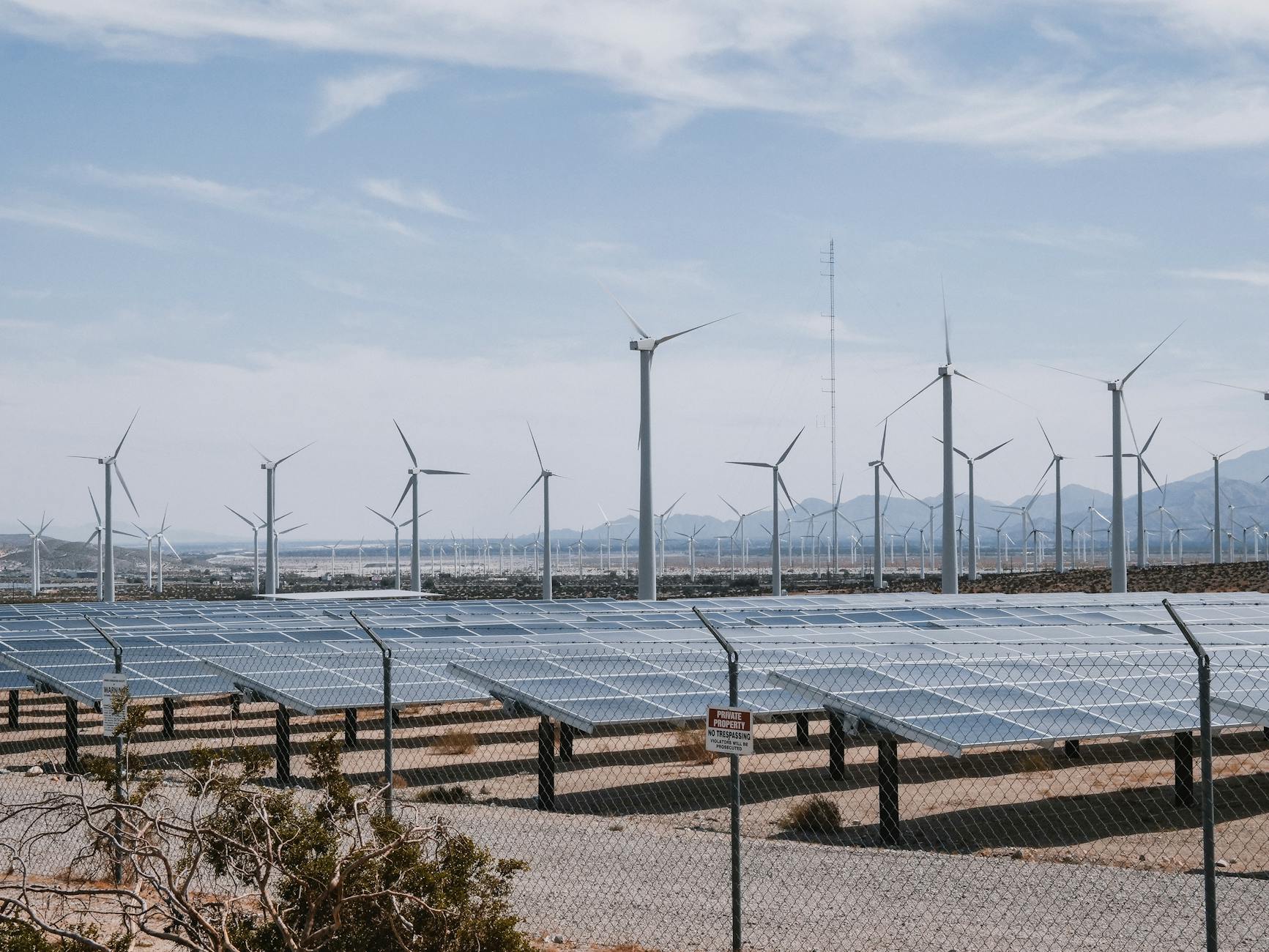
Over 700 companies worldwide are making a powerful commitment to reach net-zero carbon emissions by 2040 through The Climate Pledge. This ambitious corporate action is a significant step towards a sustainable future, with many firms already cutting their emissions, especially from purchased electricity. However, a major hurdle remains: global renewable energy growth, though record-breaking, isn't fast enough to meet the urgent goal of tripling capacity by 2030. This gap threatens to slow down climate progress, underscoring the critical need for even quicker adoption of clean energy solutions.
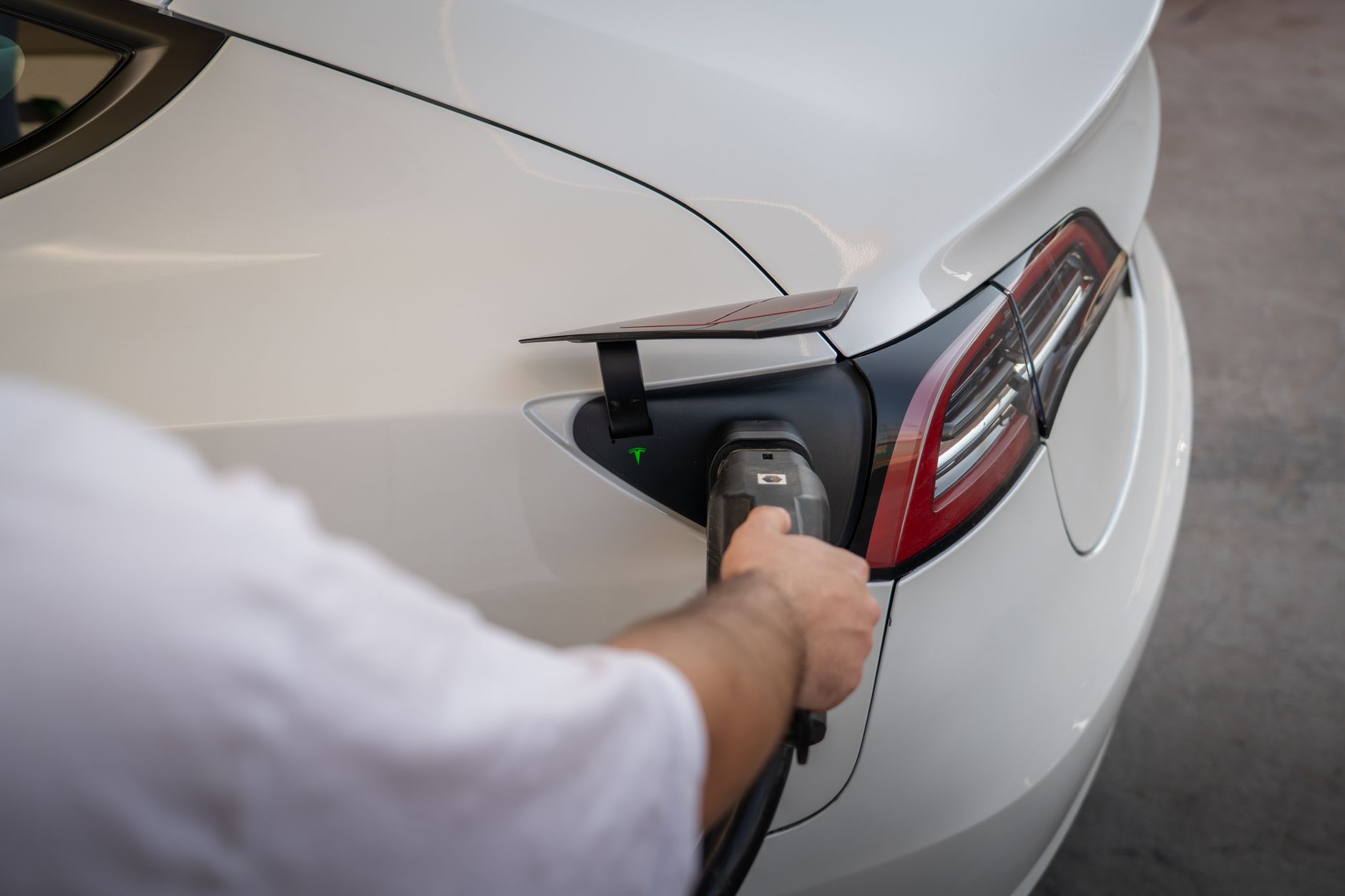
Tesla's upcoming Roadster is set to redefine electric vehicle performance with a newly granted patent. This innovation, dubbed an "Electric Car Fan," aims to provide unparalleled downforce to keep the vehicle firmly on the ground, regardless of speed. This ensures instant torque can translate into breathtaking acceleration and superior handling, overcoming a common challenge for high-powered electric cars. Such advancements not only push the boundaries of automotive engineering but also showcase the incredible potential of electric propulsion in shaping a sustainable and exhilarating future for transportation.
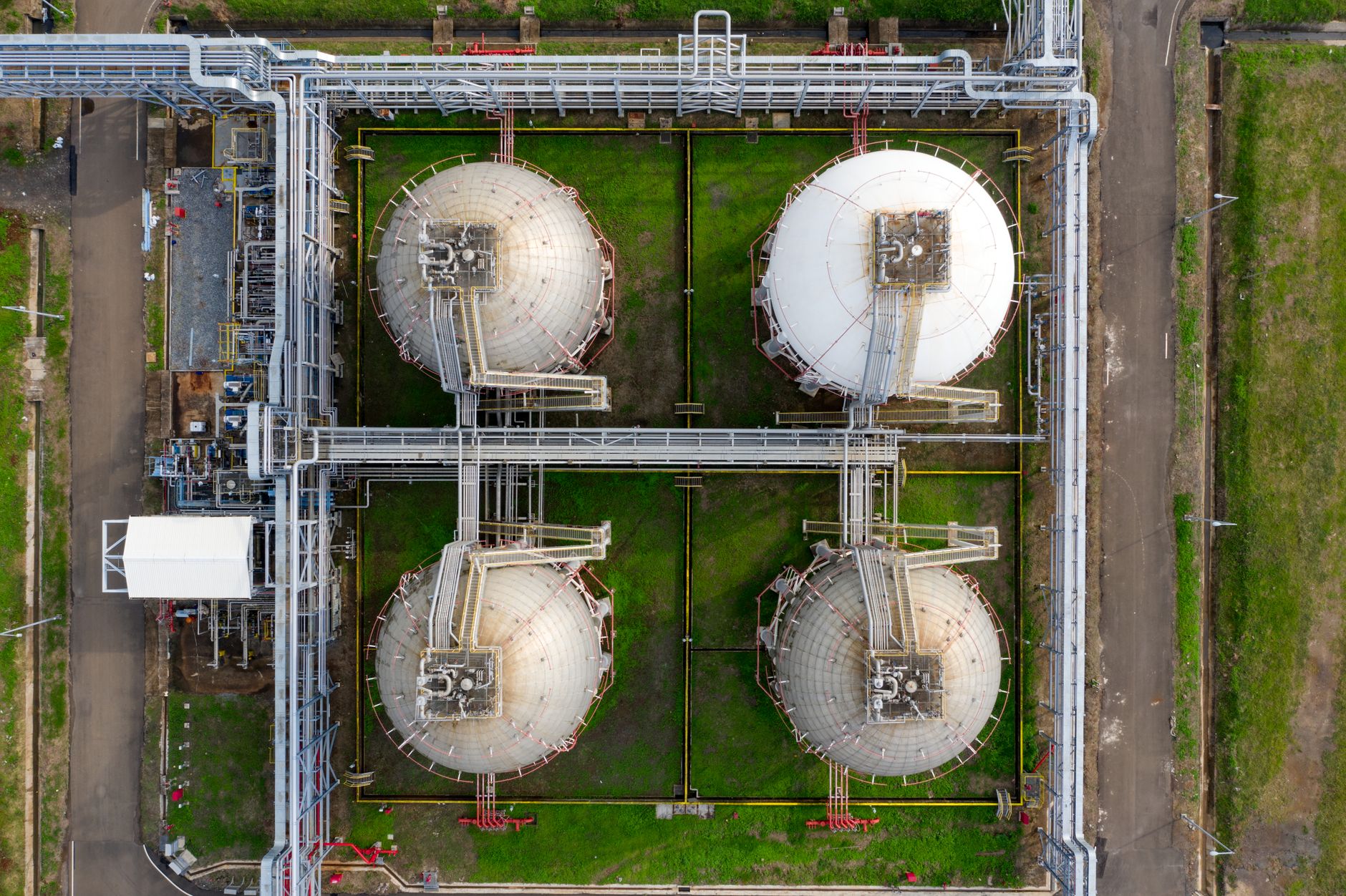
A significant step for climate action has been taken as Verra’s carbon capture and storage (CCS) method, known as VM0049, gained approval from the Integrity Council for the Voluntary Carbon Market (ICVCM). This endorsement means that projects using this method meet high-integrity standards, boosting confidence in carbon credits generated from capturing and permanently storing CO₂. Such technologies are crucial for accelerating our journey towards a net-zero future, emphasizing the urgent need for credible, sustainable solutions to global warming. This move reinforces the importance of robust frameworks in the expanding carbon removal market.
California is bringing back its crucial Wildlife Coexistence Program and enhancing support for ranchers amid a record boom in gray wolf pups. This move addresses the growing conflicts between people and various wild animals, a trend intensified by climate change and urban expansion. Governor Newsom underscored the moral importance of protecting nature, highlighting efforts to foster a more harmonious balance. The revived program aims to reduce tensions, assist livestock owners, and promote sustainable living alongside California's diverse wildlife, though initial funding remains a significant challenge.
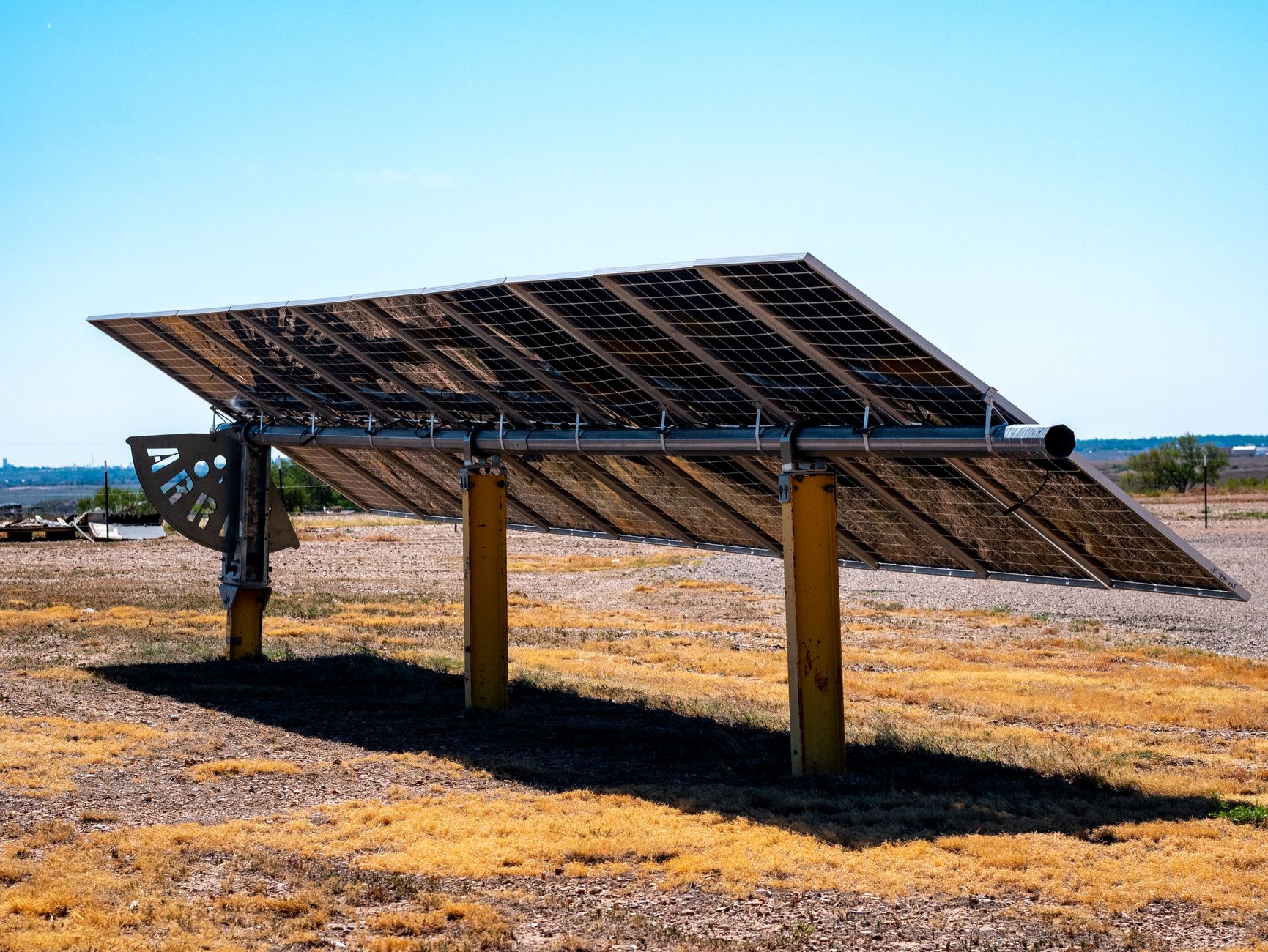
Meta recently announced a significant solar energy purchase in Texas, a move that will bring a new 144-megawatt project online. This comes as the tech giant faces scrutiny after quietly stepping away from a major corporate renewable energy initiative earlier this year. While embracing solar, Meta is also planning a large gas-fired plant to power new data centers crucial for its expanding artificial intelligence operations. This dual approach raises questions about the company's commitment to fully clean energy amidst the surging demand for power from AI, highlighting the urgent need for sustainable solutions in the tech sector.
Imagine having a severe allergy to a common sugar found in most mammals, unknowingly hidden in many foods. This is the reality for people with alpha-gal syndrome, a condition usually triggered by the bite of a lone-star tick. As our climate warms, these ticks are expanding their territory, bringing this challenging allergy to new regions. A proposed federal bill aims to make life safer by requiring clear labeling for alpha-gal, helping affected individuals avoid potentially dangerous reactions.
The European Union is grappling with a difficult decision: whether to delay a crucial part of its landmark methane regulation. Set to begin in January, these rules would require energy importers to monitor and report methane emissions. However, soaring energy prices, partly due to the Iran war, have sparked concerns about supply and affordability across Europe, leading to pressure from member states and key energy suppliers. Methane, a potent greenhouse gas, is the second-largest contributor to global warming, making this potential pause a significant moment for climate action.
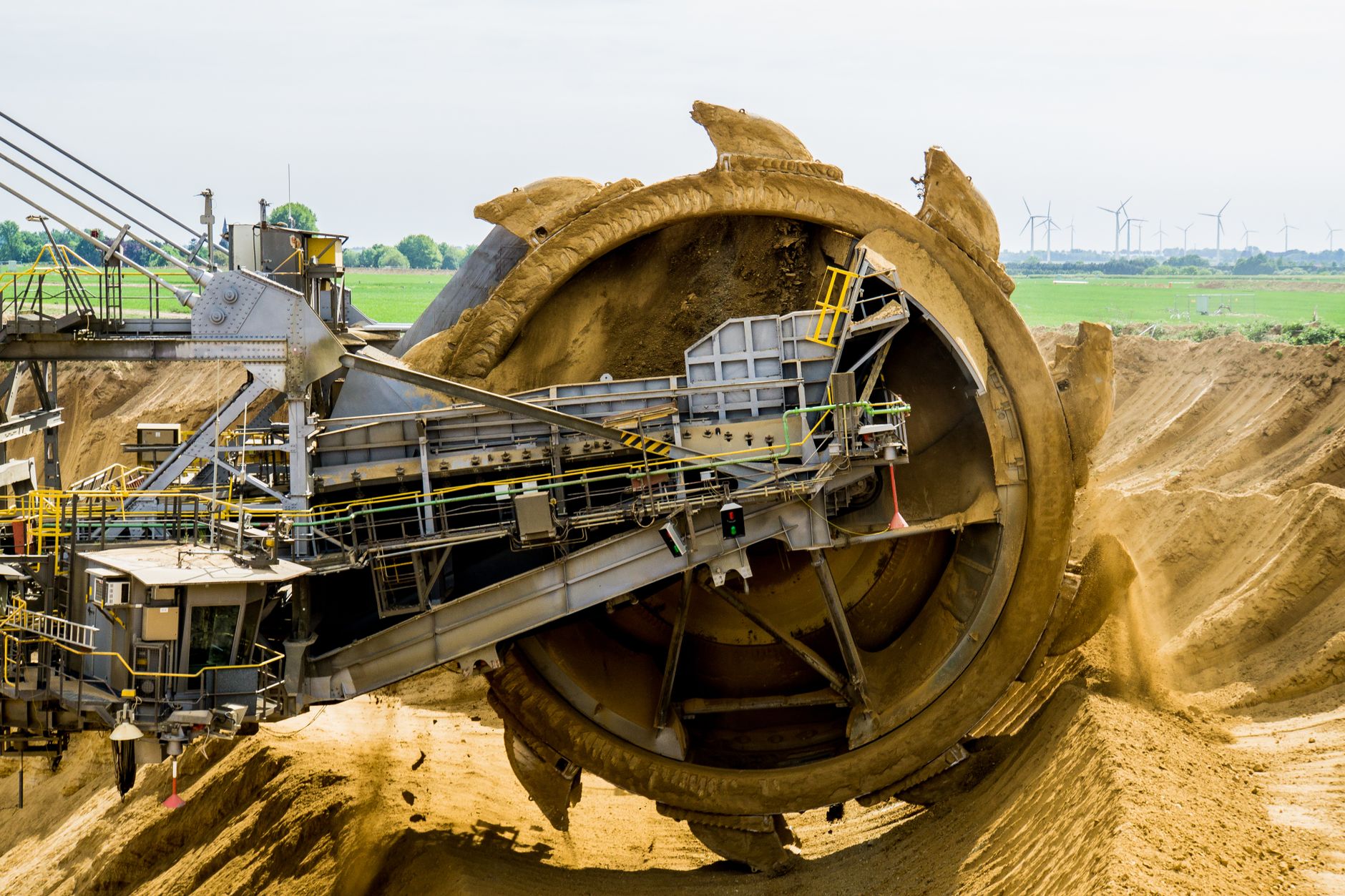
Gold miners are currently enjoying unprecedented financial success, with gold prices soaring significantly faster than their operating costs. This creates a massive cash-flow opportunity for the industry. The critical question now is how these substantial earnings are being utilized: are they being directed towards vital decarbonization efforts, renewable energy projects, and electrification initiatives? Investing in sustainable solutions is crucial for reducing the mining sector's considerable environmental impact and accelerating global progress against climate change.
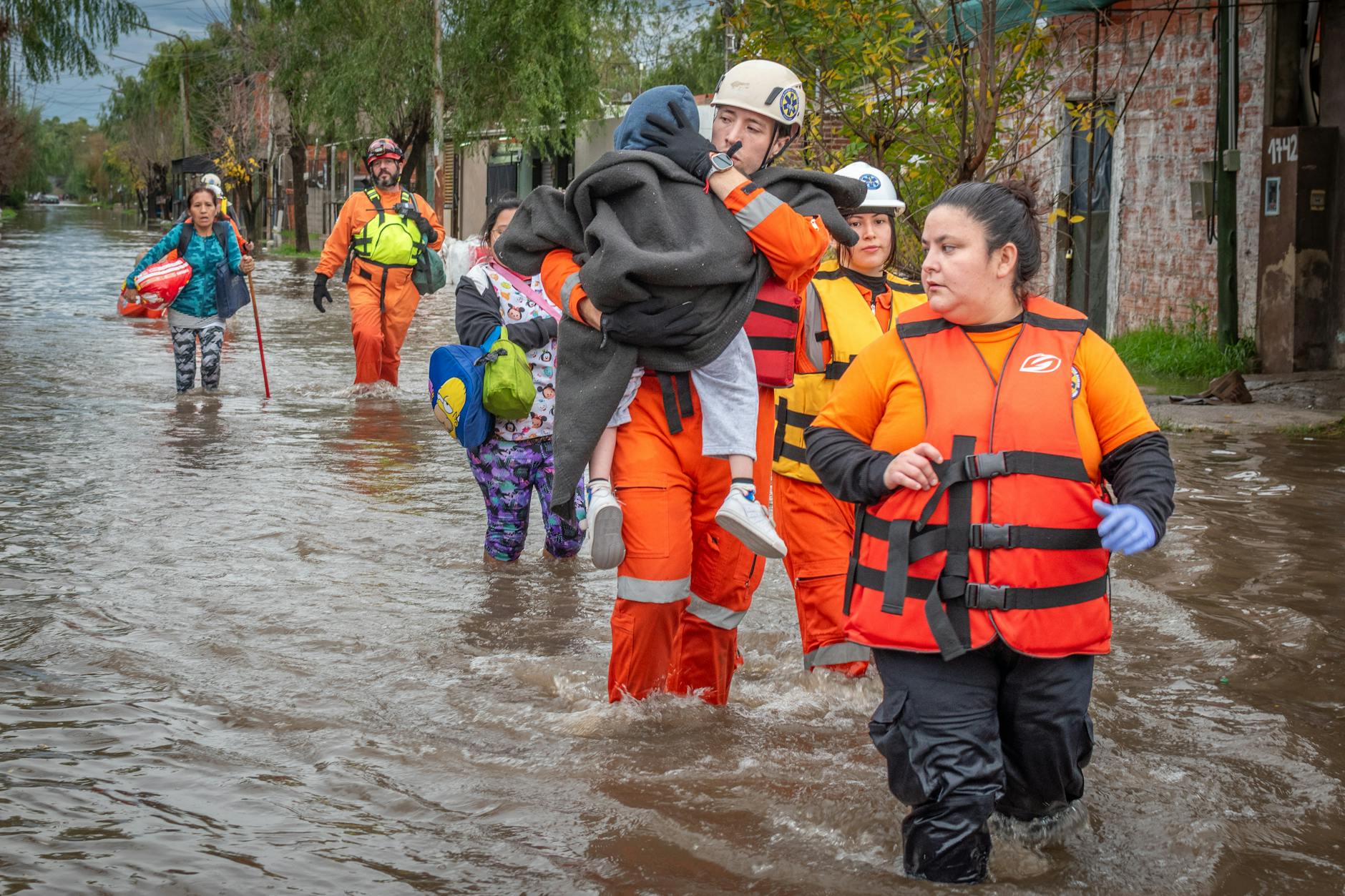
The U.S. Southwest is bracing for continued severe flooding as the remnants of former Hurricane Polo sweep across the region. After weakening over northwestern Mexico, Polo's heavy rains have saturated areas of Arizona and New Mexico, prompting urgent evacuations in several small towns due to concerns about a dam's stability. This extreme weather follows an unusually wet September, leaving the ground with nowhere to absorb the new deluge. The escalating flood risk is a stark reminder of how climate change intensifies weather patterns, making already vulnerable areas prone to devastating, rapid-onset events, demanding increased climate resilience.
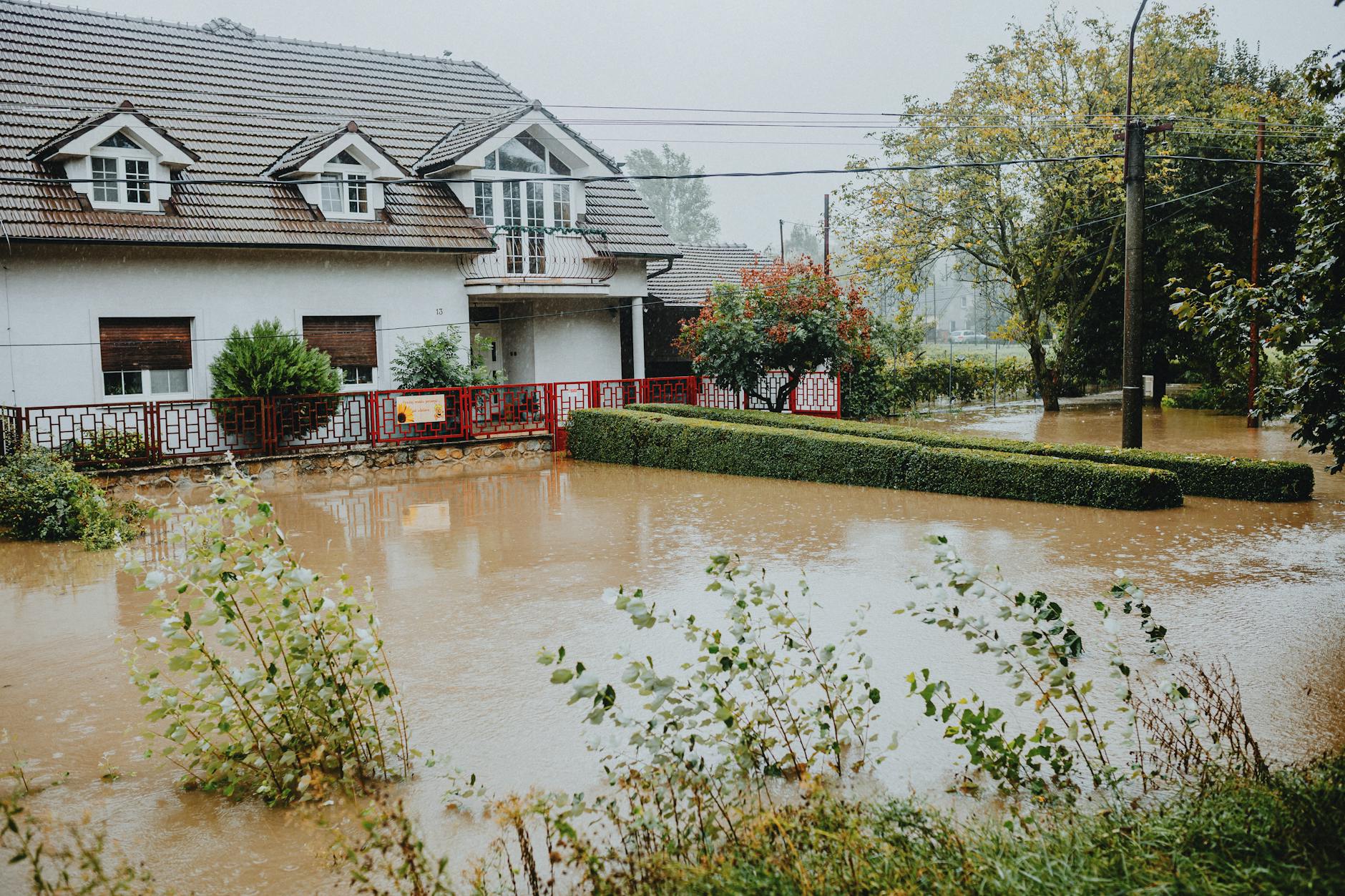
For many, like those in eastern Kentucky who faced terrifying floods in July 2022, the aftermath of a disaster is worsened by a lack of flood insurance. Despite a rising threat from climate change that brings more extreme weather, millions of homes across the U.S. at severe risk remain uninsured. This growing gap is driven by a federal program struggling with rising costs and outdated risk assessments, leaving vulnerable communities to face devastating financial burdens alone. The situation highlights an urgent need for sustainable solutions and better protection against our changing climate.