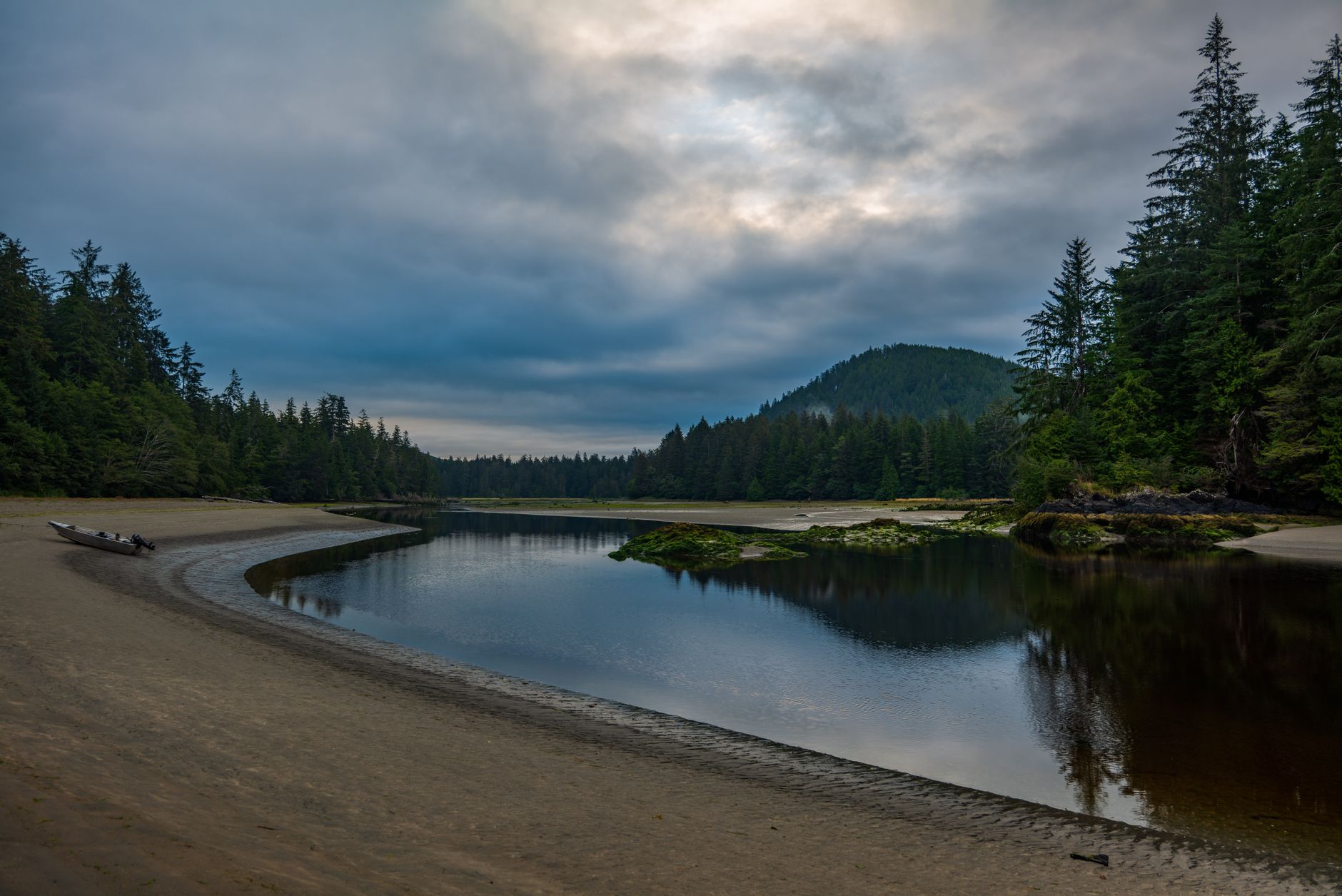
Northern California's Scott River, crucial for salmon returning to spawn, has largely dried up this year, raising alarm among environmental groups. While farmers continue to irrigate fields, advocates accuse state regulators of failing to protect river flows. This severe situation highlights the escalating conflict over water resources and the immediate threat posed to a vital fish population, intensifying calls for sustainable water management amidst a changing climate.
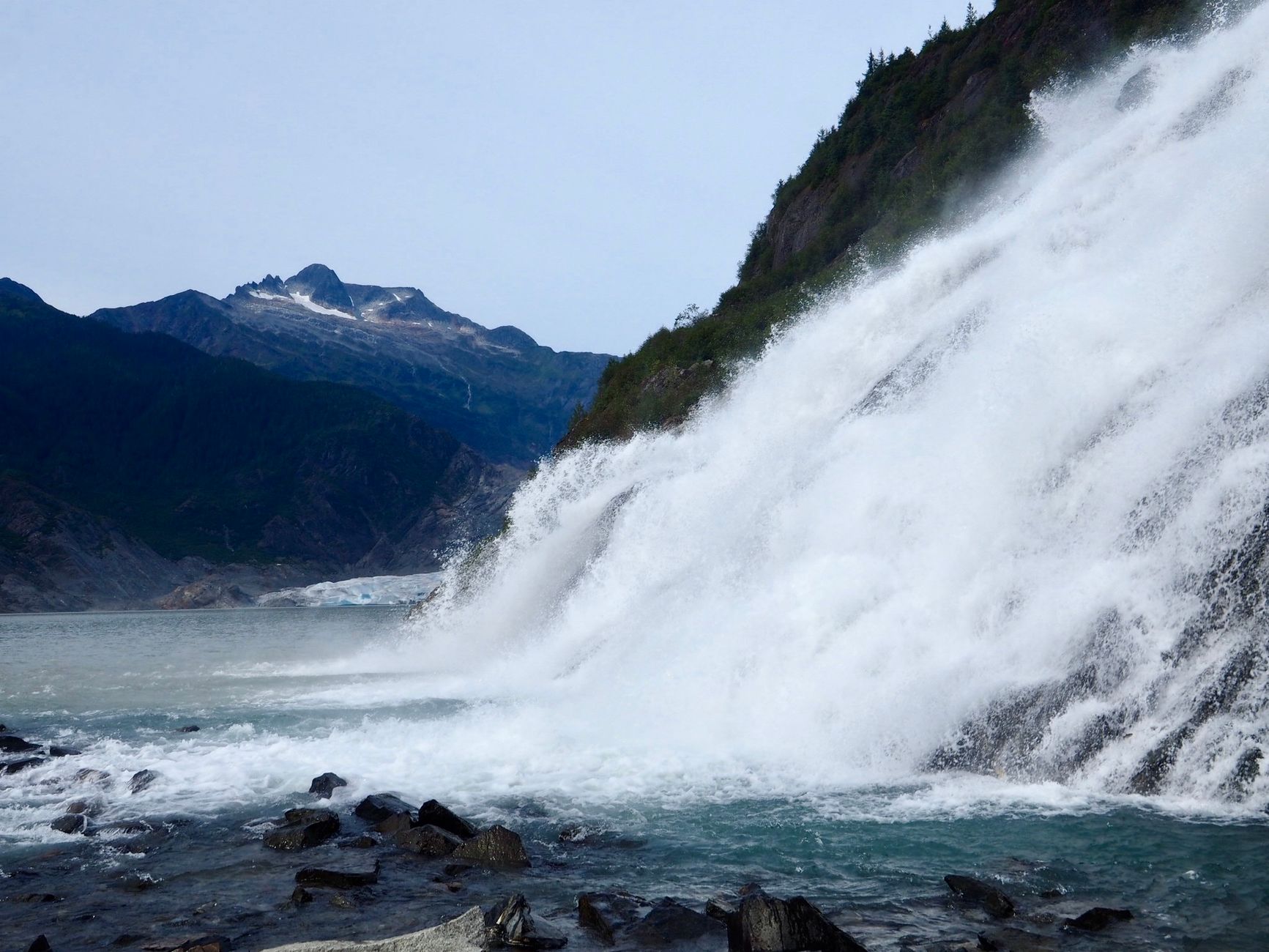
Juneau, Alaska, faces a growing crisis as severe floods increasingly threaten homes and livelihoods. These devastating waters are a direct consequence of rapid glacier melt, fueled by climate change, transforming lives for residents like Malachi Thorington, who has lost significant parts of his home. What began as minor flooding fifteen years ago has escalated into a major, destructive force each summer. This highlights the urgent need for climate action and robust adaptation strategies to protect vulnerable communities from these intensifying environmental challenges.
A new bill introduced in Congress aims to tackle the widespread DDT pollution off California's coast, where an estimated half a million barrels of toxic waste were dumped after World War II. This legislation seeks to finally address the environmental nightmare, which continues to poison marine life like dolphins, condors, and sea lions, leading to severe health issues. The 'Ocean Protection and DDT Reduction Act' proposes designating NOAA as the lead agency, providing crucial funding for mapping contamination, tracking its spread, and exploring cleanup solutions like bioremediation. This marks a vital step toward protecting our ocean ecosystems and rectifying a tragic chapter of environmental negligence.
California voters are considering Proposition 45, a ballot measure aiming to accelerate the environmental review process for housing projects. Supporters argue the current system is too slow and costly, driving up housing prices and hindering the creation of much-needed homes across the state. They believe this change will make building faster and more affordable, benefiting Californians seeking housing. However, critics strongly contend that Proposition 45 would drastically weaken the California Environmental Quality Act (CEQA), potentially sacrificing crucial environmental protections for air, water, and communities. This debate highlights the delicate balance between addressing the state's housing crisis and safeguarding its natural resources for future generations.
Silver prices have experienced a dramatic year, plummeting sharply from their peak before a modest recovery. This significant volatility presents new challenges for silver producers, even as the global market faces its fifth consecutive annual supply deficit. In this dynamic environment, Sierra Madre Gold & Silver is actively expanding its operations in Mexico, aiming to increase production despite the fluctuating commodity prices. The company's strategy involves scaling up existing mines and bringing new assets online to meet ongoing demand.
California Governor Gavin Newsom has vetoed a bill that would have given Native American tribes a stronger voice in the state's vital water policy decisions. Newsom stated his concern that the legislation could delay urgent efforts to secure California's water supply in the face of climate change. However, tribal leaders expressed deep disappointment, calling the decision a 'slap in the face' and a reversal of earlier commitments to address historical injustices. This move underscores ongoing tensions between urgent climate adaptation strategies and the rightful inclusion of Indigenous perspectives in environmental governance.
North Carolina's Roanoke River, a vital ecosystem, is finally getting a comprehensive plan to address 50 years of severe pollution. For decades, a local pulp mill discharged toxic dioxins and mercury, contaminating the river's fish and sediment, posing risks to both wildlife and human health. Federal and state regulators have now reached a tentative agreement with Domtar, the current owner, to fund extensive restoration efforts. This crucial step aims to heal the river, protect its unique habitats, and ensure a healthier future for the diverse species and communities that rely on it. The public has a chance to comment on this important environmental action via the draft restoration plan.
A powerful "super El Niño" is now here, potentially growing into the strongest ever recorded and already driving extreme weather worldwide. This natural climate pattern presents a critical opportunity for scientists to gather vital data, helping us better understand its complex effects and improve future forecasts. However, the National Oceanic and Atmospheric Administration (NOAA) is facing significant research cutbacks, potentially hindering our ability to prepare for its widespread impacts. Understanding this event is crucial for adapting to a changing climate, where such phenomena may become more intense.
NVIDIA is at the heart of an unprecedented AI infrastructure boom, with spending commitments soaring to $279 billion. While this fuels incredible technological advancement and economic growth, it also brings a colossal demand for electricity. Global data center power use is projected to nearly double by 2030, a surge that will place significant strain on energy grids and accelerate climate concerns if not managed sustainably. This rapid expansion underscores the critical need for renewable energy sources and innovative solutions to power our digital future responsibly. The push for AI must align with urgent environmental action.
Salesforce is stepping up its commitment to fight global warming by investing in cutting-edge carbon dioxide removal (CDR) projects. Through a partnership with Milkywire, the company has pre-purchased 3,661 tonnes of carbon removal from eight diverse suppliers across the globe. This strategic "catalytic" purchasing approach focuses on nurturing early-stage technologies like direct air capture and ocean alkalinity enhancement, which are crucial for our planet's future. By supporting these innovative solutions now, Salesforce aims to accelerate their development, ensuring we have the tools needed to remove harmful emissions and secure a sustainable future. This initiative is part of Salesforce’s ambitious goal to contract $100 million in durable carbon removal by 2030, highlighting the urgent need for bold climate action.
California has just made it easier for countless residents to embrace solar energy, regardless of whether they own a roof. Governor Gavin Newsom signed the Plug and Play Solar Act, allowing people to install small solar panels on patios or fences and plug them directly into outlets without complex utility approvals. This groundbreaking move empowers renters and homeowners to lower their electricity bills and contribute to a cleaner energy future. By expanding access to solar, California is taking a significant step towards combating climate change and reducing reliance on fossil fuels. This initiative underscores the urgency of transitioning to sustainable solutions for a healthier planet.
Tesla is pushing the boundaries of electric vehicle engineering by designing a groundbreaking thermal architecture shared between its upcoming Cybercab and Semi-truck. This innovative approach focuses on core components like compressors and heat exchangers, tailored with minor adjustments for each vehicle. The strategy aims for exceptional efficiency and reliability, leveraging proven technology to reduce waste and enhance performance across its diverse electric fleet. Such advancements are crucial for accelerating the transition to sustainable transportation and tackling climate change.