Walmart, the world’s largest retailer, recently reported strong sales growth while simultaneously achieving a significant reduction in its operational carbon emissions. This dual success highlights the potential for major corporations to expand their business while actively tackling climate change. By prioritizing cleaner energy and sustainable practices, Walmart is setting a crucial example for how economic progress can go hand-in-hand with urgent environmental action, moving closer to its ambitious 2040 net-zero goal.
The Carbon Literacy Project team recently shared their "fantasy manifesto" for a new Prime Minister, outlining a vision for a more sustainable United Kingdom. This forward-thinking blueprint emphasizes crucial changes needed across transport, housing, and energy to combat climate change. At its core, the manifesto highlights the urgent need for a shift towards greener, more resilient solutions that benefit both people and the planet. From transforming car-centric cities to building energy systems we can trust, these ideas underscore the importance of collective climate action and widespread climate education to secure a healthier future.
Illinois is rapidly becoming a leader in the adoption of virtual power plants (VPPs), a groundbreaking approach to strengthening the electricity grid. Companies like Solrite Energy are now offering households battery storage at an affordable monthly rate, turning homes into active participants in the energy system. This move, spurred by the state's Clean and Reliable Grid Affordability Act, promises a more resilient and sustainable power supply. By integrating household energy resources, Illinois is taking a significant step towards a cleaner, more reliable energy future for all its residents.
As summer draws to a close, consider diving into a book that offers fresh perspectives on our changing world. A recent collection highlights twelve compelling titles, spanning both fiction and non-fiction, all deeply connected to climate change and environmental issues. These engaging reads tackle everything from the beauty of nature threatened by loss to the surprising stories of environmental victories. They serve as a powerful reminder of the urgency of climate action and the diverse ways humanity interacts with our planet.
Mining giant BHP recently announced a significant 30% jump in its underlying profit for FY2026, largely powered by surging copper prices. This financial success, however, comes alongside a slight increase in its operational greenhouse gas emissions. While BHP has made strides in cutting emissions since 2020, achieving its ambitious 2050 net-zero target will require substantial efforts to tackle hard-to-eliminate sources. The company anticipates needing up to 5 million carbon credits to offset these remaining emissions, underscoring the complex balance between economic growth and urgent environmental responsibility.
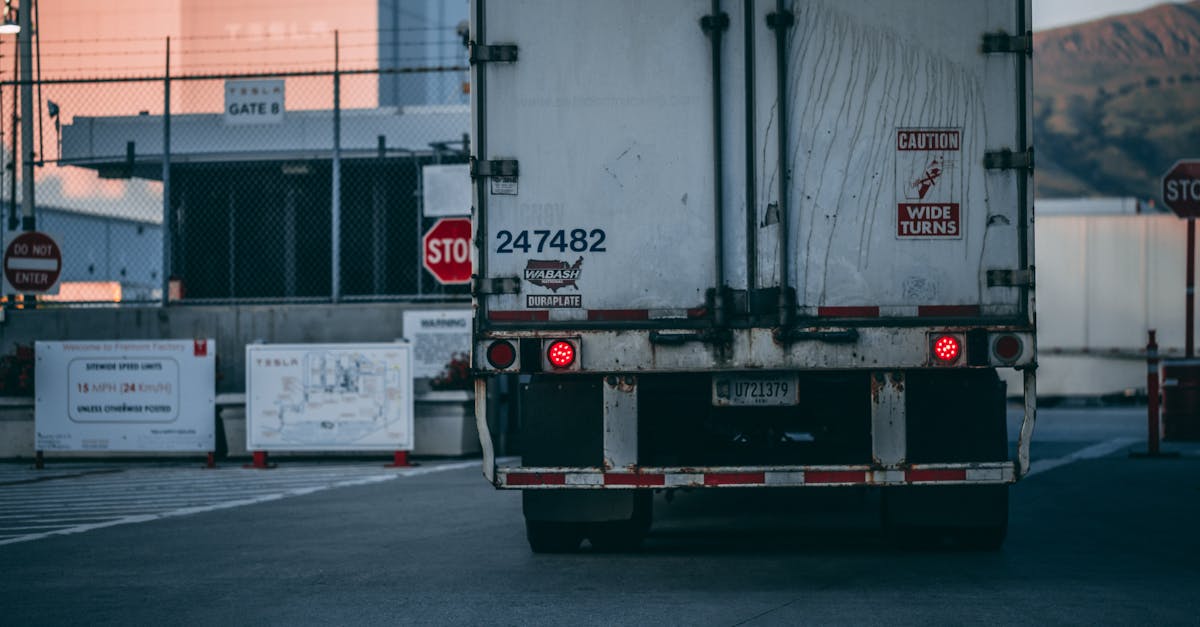
A major stride towards cleaner transportation is underway as Swedish trucking company Einride AB places a massive order for 500 Tesla Semi trucks. This significant deal marks Tesla's largest Semi order to date and will see electric trucks deployed across key logistics routes in California, New Jersey, Texas, Illinois, and Georgia. This move will support large companies like Amazon, driving the shift to sustainable freight and underscoring the urgent need for environmental action in global logistics.
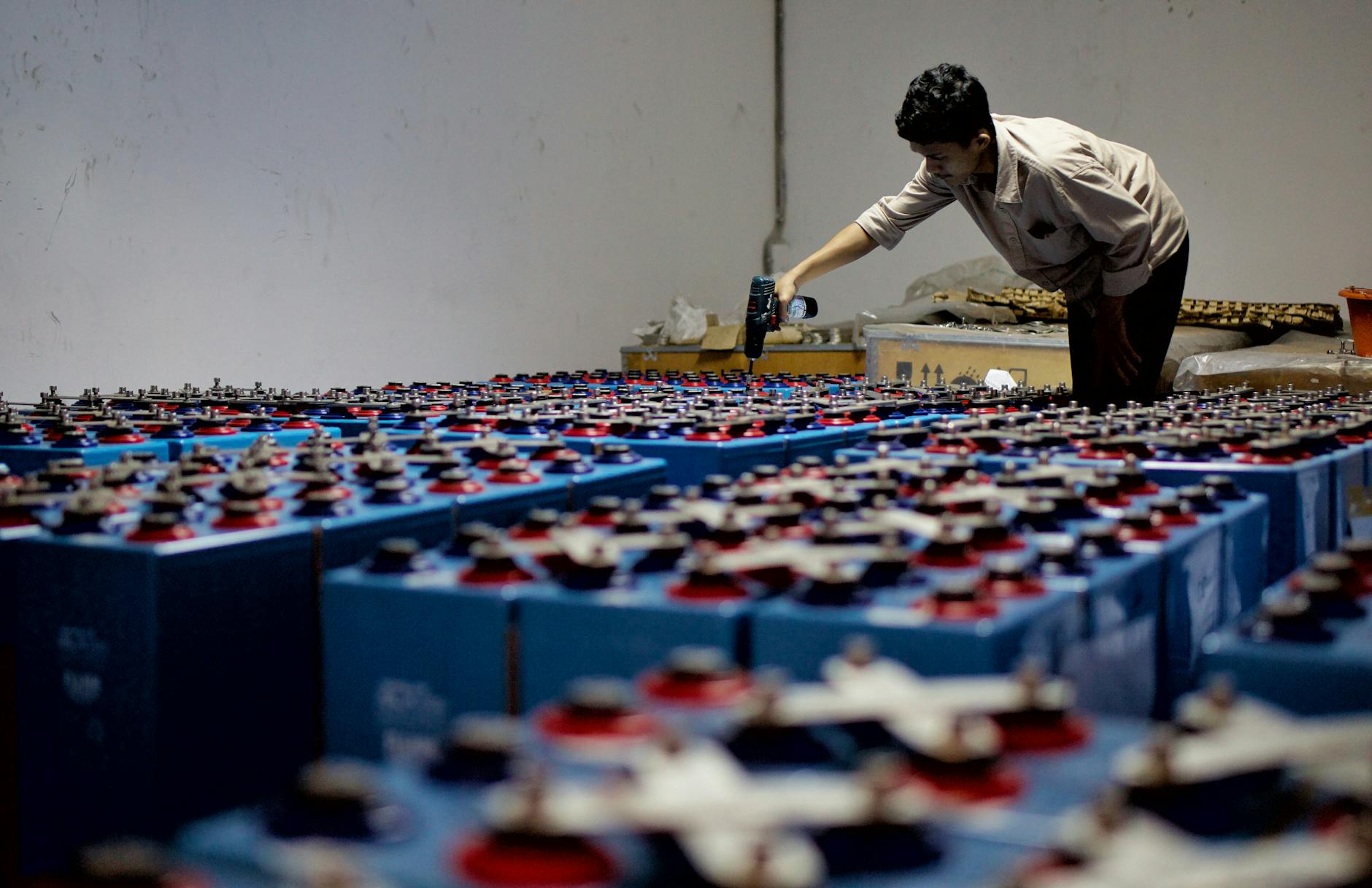
CATL, the world's leading electric vehicle battery maker, has announced a significant stride in its climate efforts, declaring all 20 of its battery plants carbon neutral by 2025—a year ahead of schedule. This milestone for the company, which powers a vast number of EVs, underscores the growing commitment to sustainable solutions in the electrification push. However, the harder journey lies ahead: CATL now aims to decarbonize its entire battery supply chain by 2035, tackling the majority of its emissions from raw materials to recycling. This ambitious goal is crucial for truly clean electric vehicles and fighting global warming.
OpenAI is planning a huge $20 billion data center, "Project Camellia," in Effingham County, Georgia, requiring an enormous 3.2 gigawatts of power. This project has sparked major concerns from environmental and consumer groups regarding its energy footprint and potential impact on local electricity customers. The debate highlights the broader environmental challenge of rapidly expanding AI technology, where the energy demand of powerful systems could significantly affect global climate goals and resource management. This escalating need for electricity and water underscores the urgency for sustainable solutions as AI continues to grow.
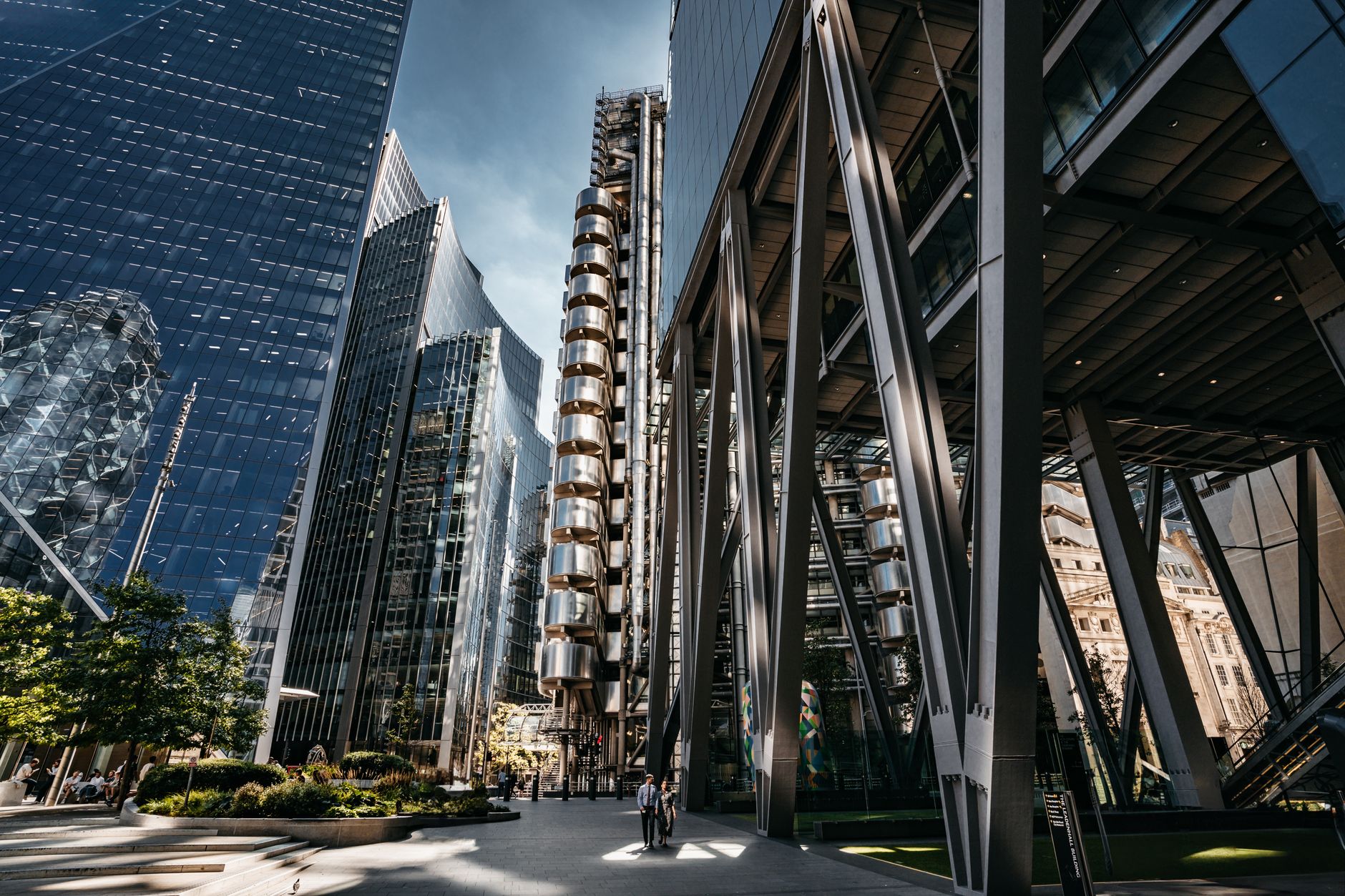
Lloyds Banking Group is stepping up its commitment to a greener future, setting an ambitious £100 billion target for sustainable and transition finance between 2027 and 2030. This significant investment aims to help UK companies cut emissions and embrace cleaner technologies. By expanding its focus to include 'transition finance,' Lloyds will support even high-emitting industries in their journey towards lower-carbon operations, accelerating the nation's vital push toward net-zero emissions. This move underlines the urgency of global warming and highlights the increasing role financial institutions play in driving environmental action.
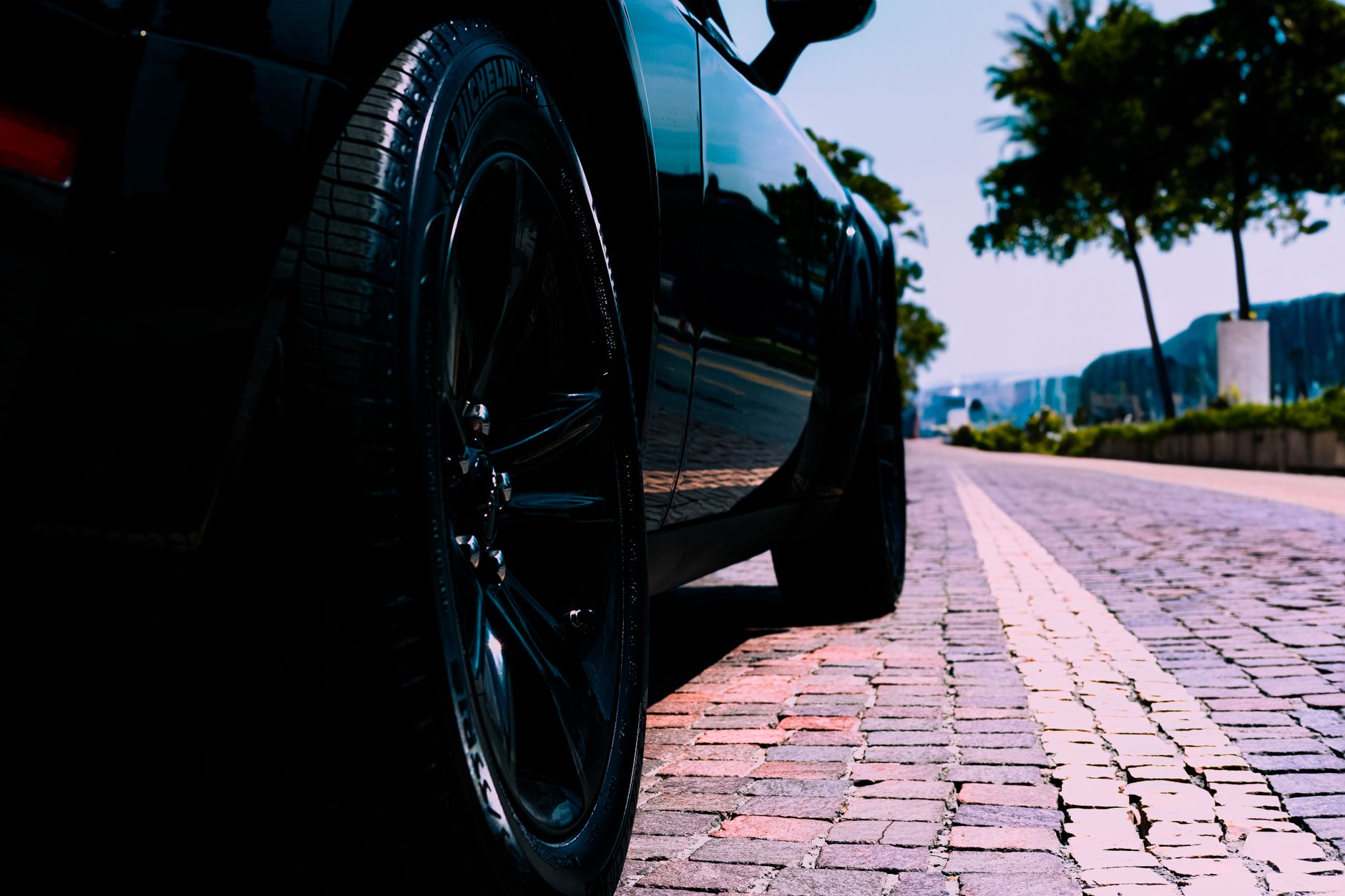
California is leading the nation by becoming the first state to require that replacement car tires be as energy-efficient as new ones. This groundbreaking rule, set to fully take effect by 2033 with an interim target in 2029, aims to significantly cut down on fuel consumption. Drivers are projected to save over a billion dollars annually, offsetting a small upfront cost for the tires. More importantly, this move is a major step toward a cleaner environment, expected to reduce carbon dioxide emissions equivalent to taking 400,000 cars off the road each year, highlighting the power of sustainable solutions in tackling climate change.
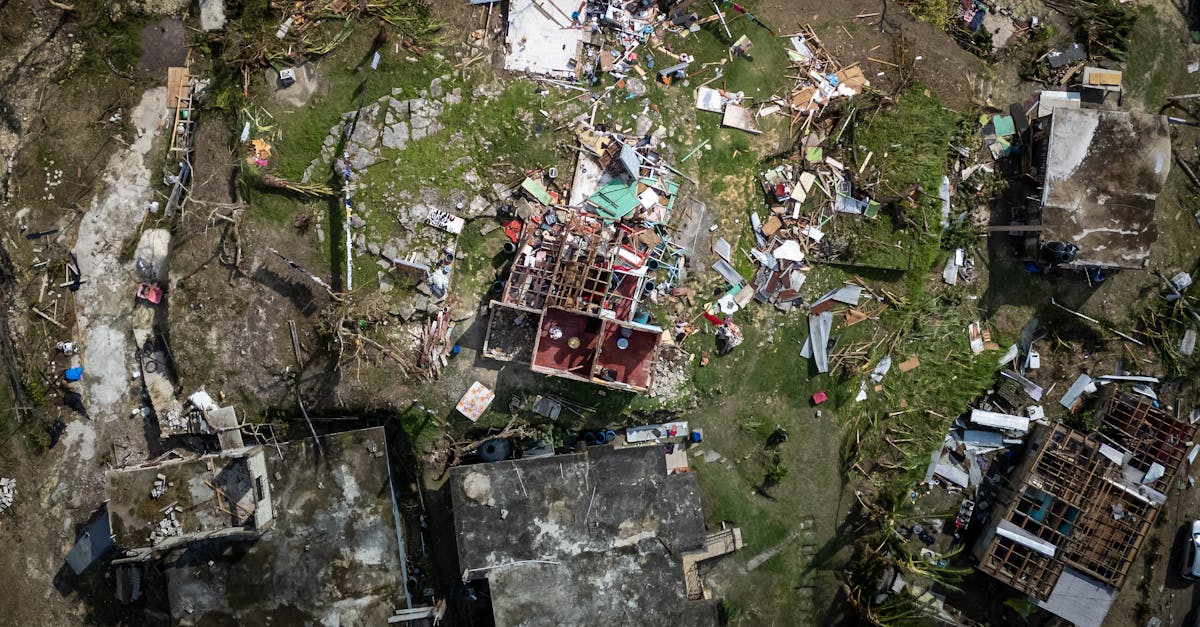
Hurricane Lala, despite never officially making landfall, left a trail of significant destruction across Hawaii, especially the Big Island. Over 100 homes were damaged, roads blocked by felled trees, and nearly 200,000 homes and businesses lost power, with some outages expected to last for months. This unusual intensity was amplified by a strong El Niño, which warms Pacific waters. While Hawaii rarely sees such severe hurricanes, scientists warn that a stronger tropical storm season is increasingly likely in the coming decades due to rising global temperatures, highlighting the islands' growing climate vulnerability.
Tesla is reportedly gearing up to launch its innovative Cybercab robotaxi service to the public in Austin, Texas, as early as this month [Source: teslarati.com, citing The Information]. This significant move introduces a fully autonomous, two-seater electric vehicle designed to operate without pedals or a steering wheel, relying solely on Tesla’s Full Self-Driving software. It marks a crucial milestone in the journey towards sustainable urban mobility, promising a cleaner, more efficient way to travel and reducing the environmental footprint of daily commutes. The rollout underscores the accelerating shift towards electrification and smart transportation solutions.