GenZero, backed by Temasek, has made significant strides in combating climate change, reporting a cumulative direct climate impact of 4.4 million metric tons of carbon dioxide equivalent (MtCO₂e) from 2022 to 2025. This achievement comes as the global carbon market undergoes a crucial transformation, emphasizing high-quality carbon credits, robust carbon removal technologies, and scalable climate solutions. The shift signals a growing demand for projects that not only promise environmental benefits but also demonstrate a clear path to commercial viability, accelerating our urgent need for sustainable action.
Many businesses struggle to understand how their environmental investments impact their carbon footprint. The terms 'insetting' and 'offsetting' are often confused, yet their distinctions are critical for genuine climate action. New guidelines from the GHG Protocol Land Sector and Removals Standard clarify these differences, showing which efforts truly reduce a company's carbon inventory. Understanding this is key for companies aiming to meet ambitious climate targets and contribute meaningfully to a sustainable future.
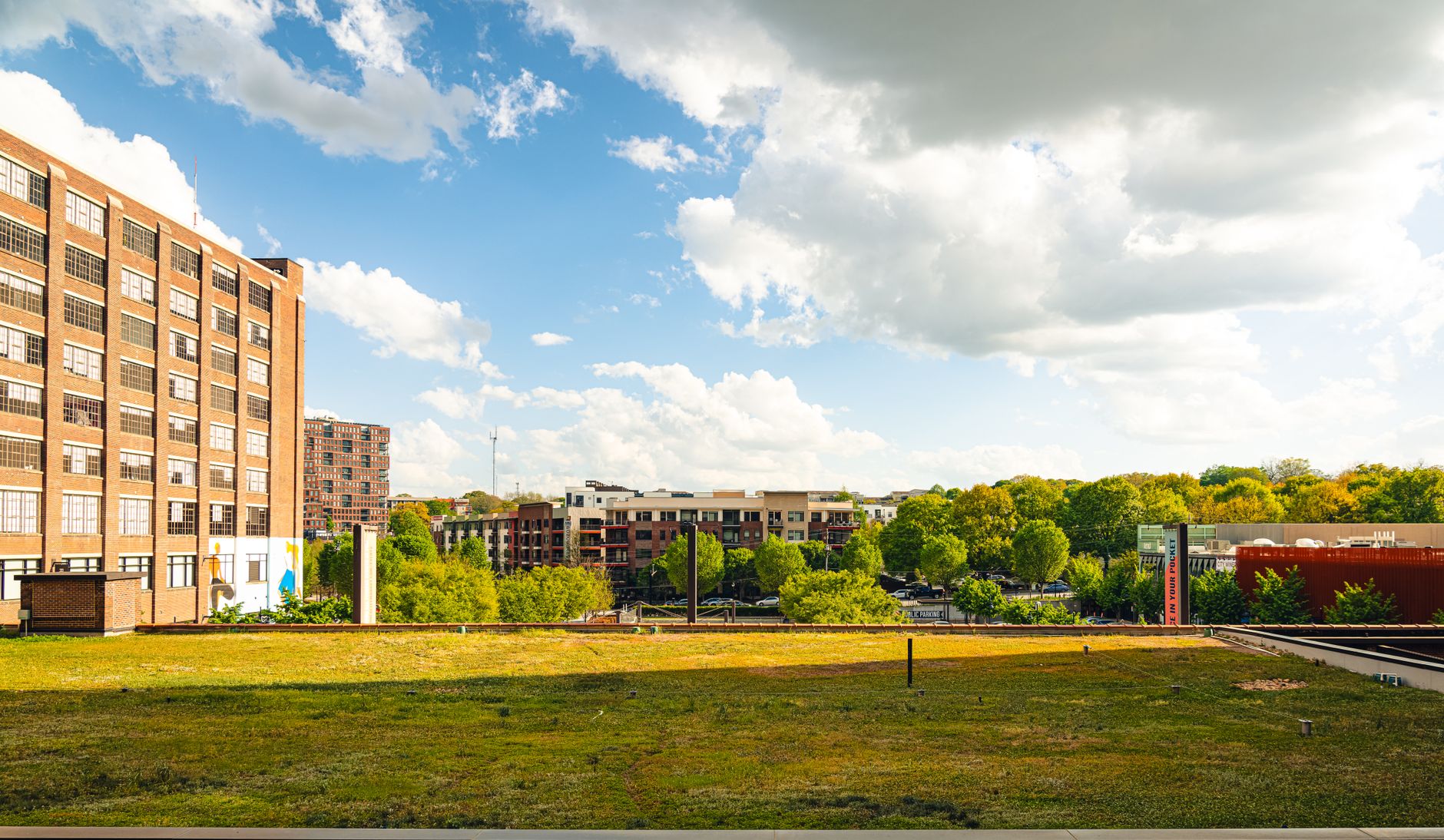
Atlanta is facing increasingly scorching summers, a direct consequence of a warming climate. This extreme heat not only makes life uncomfortable but also drives up air conditioning costs, creating a significant energy burden that can even displace vulnerable residents, particularly seniors. In response, the Atlanta City Council recently passed a groundbreaking ordinance mandating "cool roofs" for new and renovated buildings. This innovative solution uses special reflective materials to keep homes cooler, offering immediate relief to residents through lower energy bills while also promising to significantly reduce urban temperatures across the city in the long term. It's a clear step towards a more sustainable and equitable future.
The shutdown of government climate programs by the Trump administration threatened public access to critical environmental data. However, dedicated individuals and nonprofit groups have successfully rescued and rebuilt these vital information sources. These efforts ensure that essential climate dashboards, maps, and analyses remain accessible to everyone, empowering us to understand our changing planet. This transparency is crucial for grasping the urgency of global warming, driving informed environmental action, and fostering a sustainable future for all.
California’s utility committee chair, Senator Benjamin Allen, is "deeply troubled" by recent threats from electric companies Southern California Edison and PG&E. Executives warned investors they would act to protect shareholders if new legislation doesn't limit their wildfire liabilities, sparking fears about fairness for victims and rising costs for consumers. This comes amidst ongoing, closed-door negotiations on wildfire bills and highlights the critical balance needed to prevent devastating environmental damage and ensure accountability.
The United States just experienced its warmest month ever recorded. July's average temperature across the mainland hit 76.9 degrees, according to the National Oceanic and Atmospheric Administration (NOAA), surpassing a record set 80 years ago. This unsettling milestone, based on 132 years of data, clearly signals the accelerating impact of climate change. Experts warn this could become the new normal unless urgent global action is taken to address rising temperatures and transition to sustainable solutions.
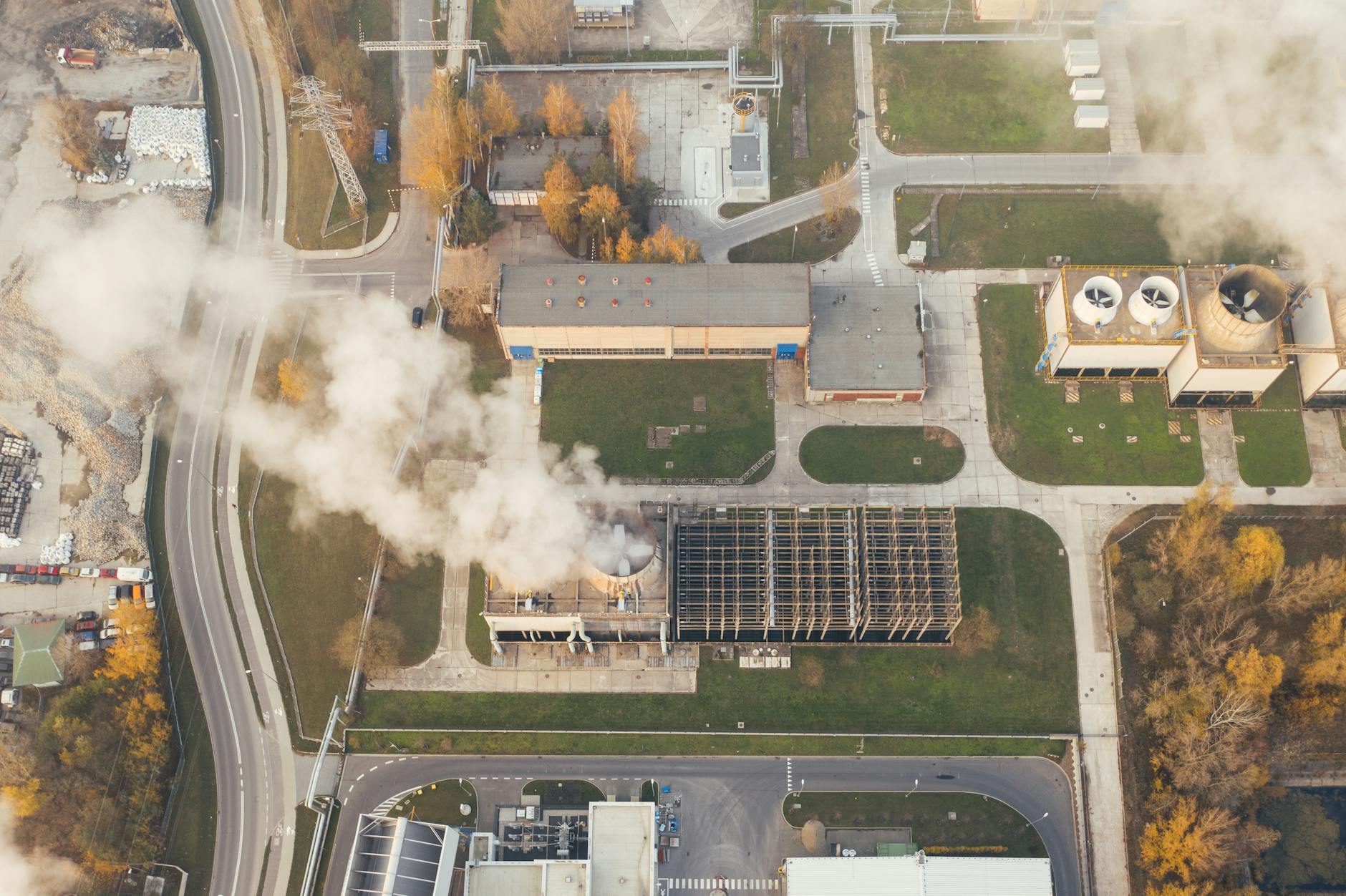
Some of the world's most powerful artificial intelligence companies, including OpenAI and Anthropic, have remained silent about their greenhouse gas emissions despite their rapid growth. This lack of transparency leaves the public in the dark about the significant environmental impact of their energy-intensive operations. The massive data centers powering AI could soon generate as much climate pollution as entire countries. However, a new California law is set to change this, requiring these tech giants to disclose their carbon footprint and ushering in a new era of accountability for the sector.
Chicago's Mayor Brandon Johnson has issued an executive order to tackle the growing environmental and public health concerns stemming from data centers. This move aims to control their impact on air quality, noise levels, water, and energy use, and prevent rising utility bills for residents. Environmental justice advocates praise the action as a crucial first step, highlighting the urgency of addressing these issues as Chicago faces increased climate-related challenges and a surge in data center development. The order establishes a task force to develop stricter regulations, with calls for a potential moratorium on new centers.
As federal environmental justice initiatives face dismantling, a new voice challenges the status quo. Dr. Lemir Teron argues that current policies, by focusing on “disadvantaged communities,” often miss the true impact of “environmental racism.” In his book, "Unlearn Power," Teron emphasizes the urgent need to reconfigure both our energy systems and the political mechanisms that perpetuate ecological and socioeconomic harm. He advocates for a more confrontational path, urging communities and governments to fight for true climate justice amid escalating environmental crises like extreme heat. This approach underscores that effective climate action must directly address deep-seated inequalities.
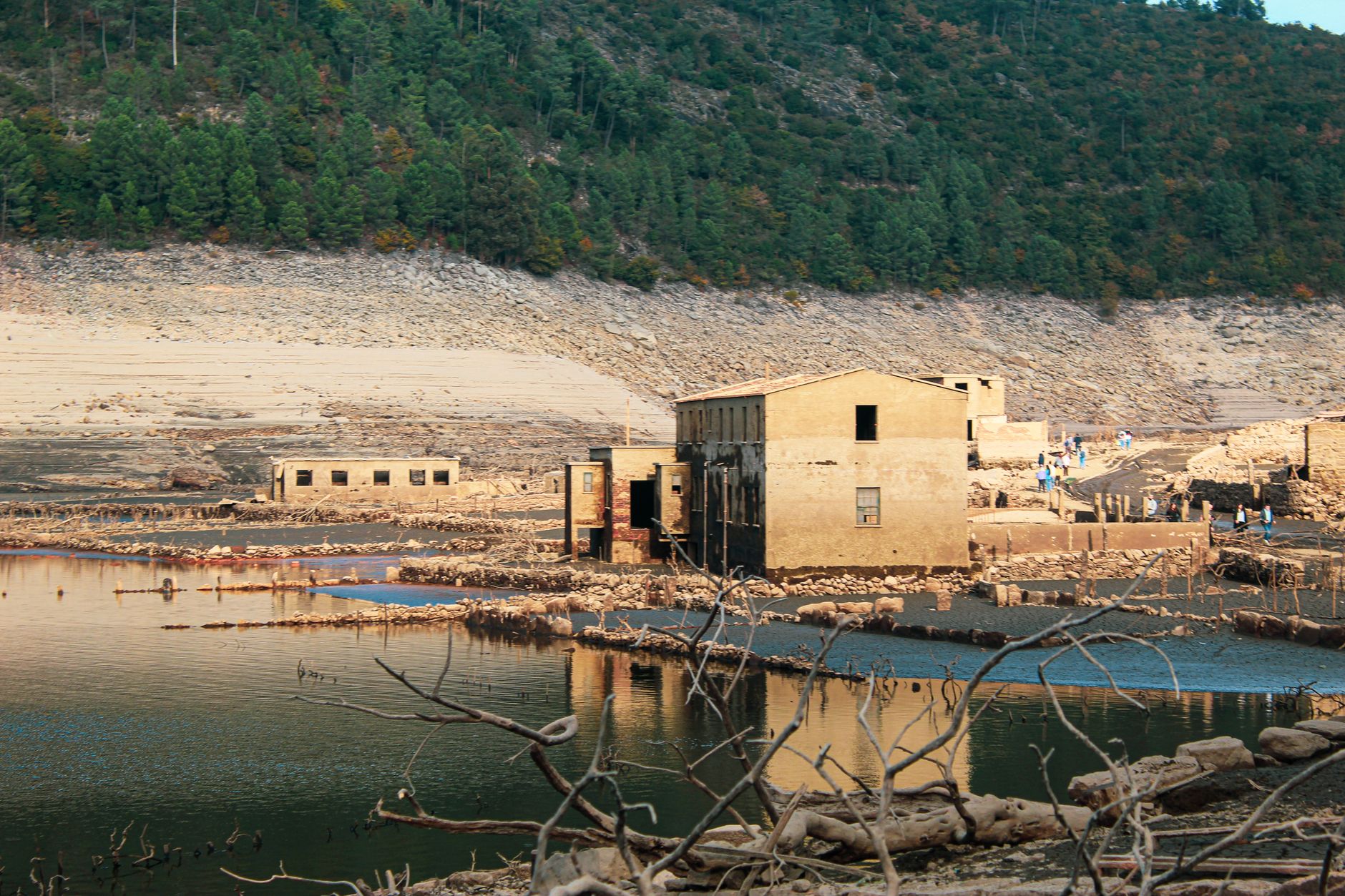
Puerto Rico's metropolitan residents are facing daily water rationing, waiting hours for water trucks as a severe drought grips the archipelago. The Governor declared a state of emergency in late July due to critically low water levels in key dams. This isn't solely a problem of insufficient rainfall; rather, a complex combination of rising temperatures, neglected infrastructure, and outdated management practices has plunged the island into one of its most severe water crises in years. The urgency of addressing these underlying issues, especially in the face of a changing climate, is becoming increasingly clear for the island's future.
Nvidia is making a significant move, planning to invest up to $3 billion in Lancium, a Texas-based company focused on power infrastructure for AI data centers. This massive investment highlights a crucial shift: the race for artificial intelligence is no longer just about powerful chips, but also about securing reliable and substantial electricity to run these energy-intensive systems. As AI's energy footprint grows, ensuring sustainable power sources becomes vital for the future of technology and our planet. This investment aims to tackle the challenge of providing the vast amounts of electricity needed for the next generation of AI.
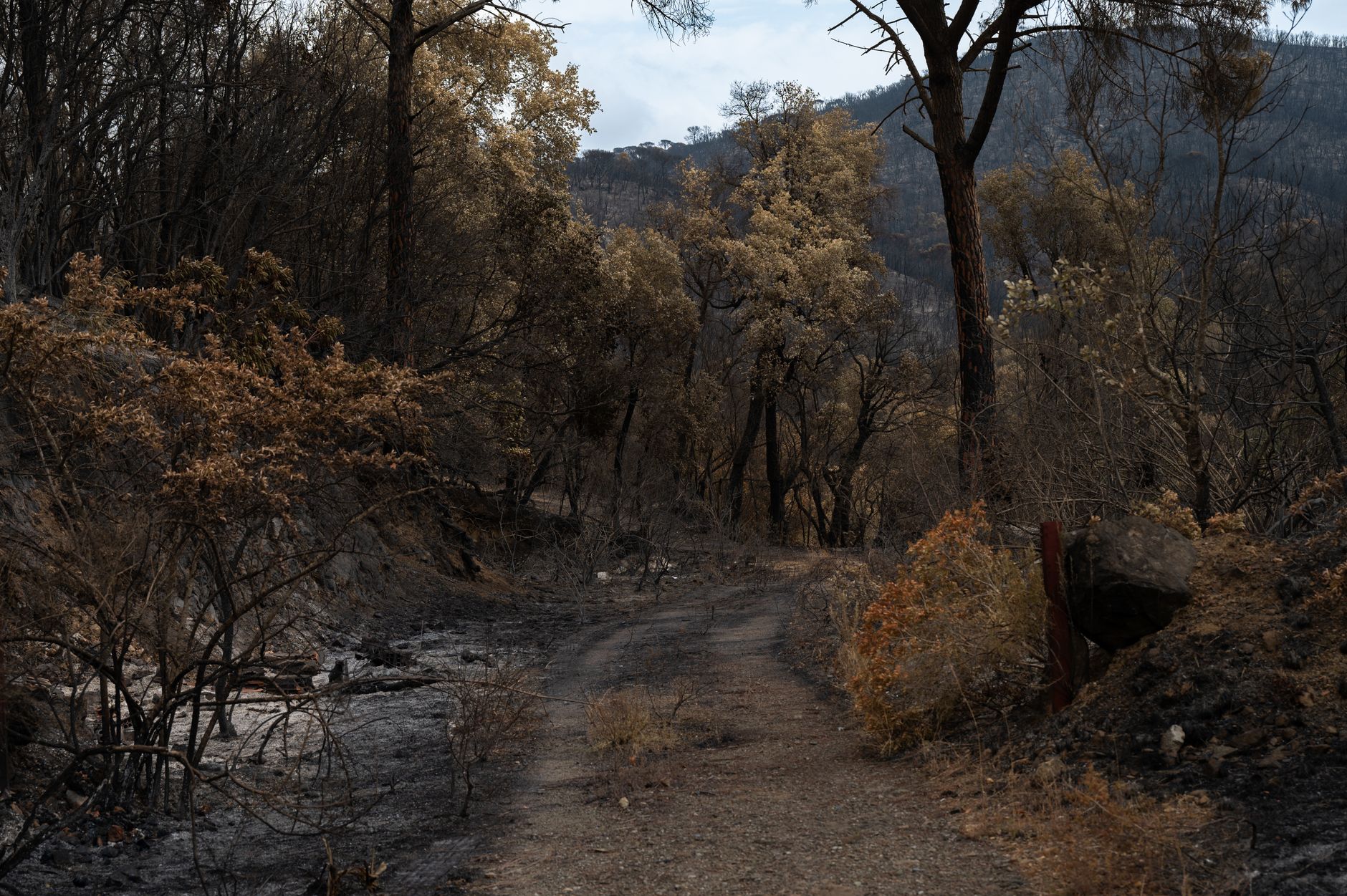
A recent wildfire in Southern California sparked urgent concerns about potential radioactive contamination spreading from the Santa Susana Field Laboratory (SSFL), site of one of the U.S.'s worst nuclear meltdowns. Internal emails reveal state officials scrambled to get proper real-time radiation and air monitoring, facing delays. This incident highlights the growing risks from climate-fueled wildfires approaching hazardous sites and underscores the critical need for timely environmental safeguards and complete cleanup of such locations to protect communities.