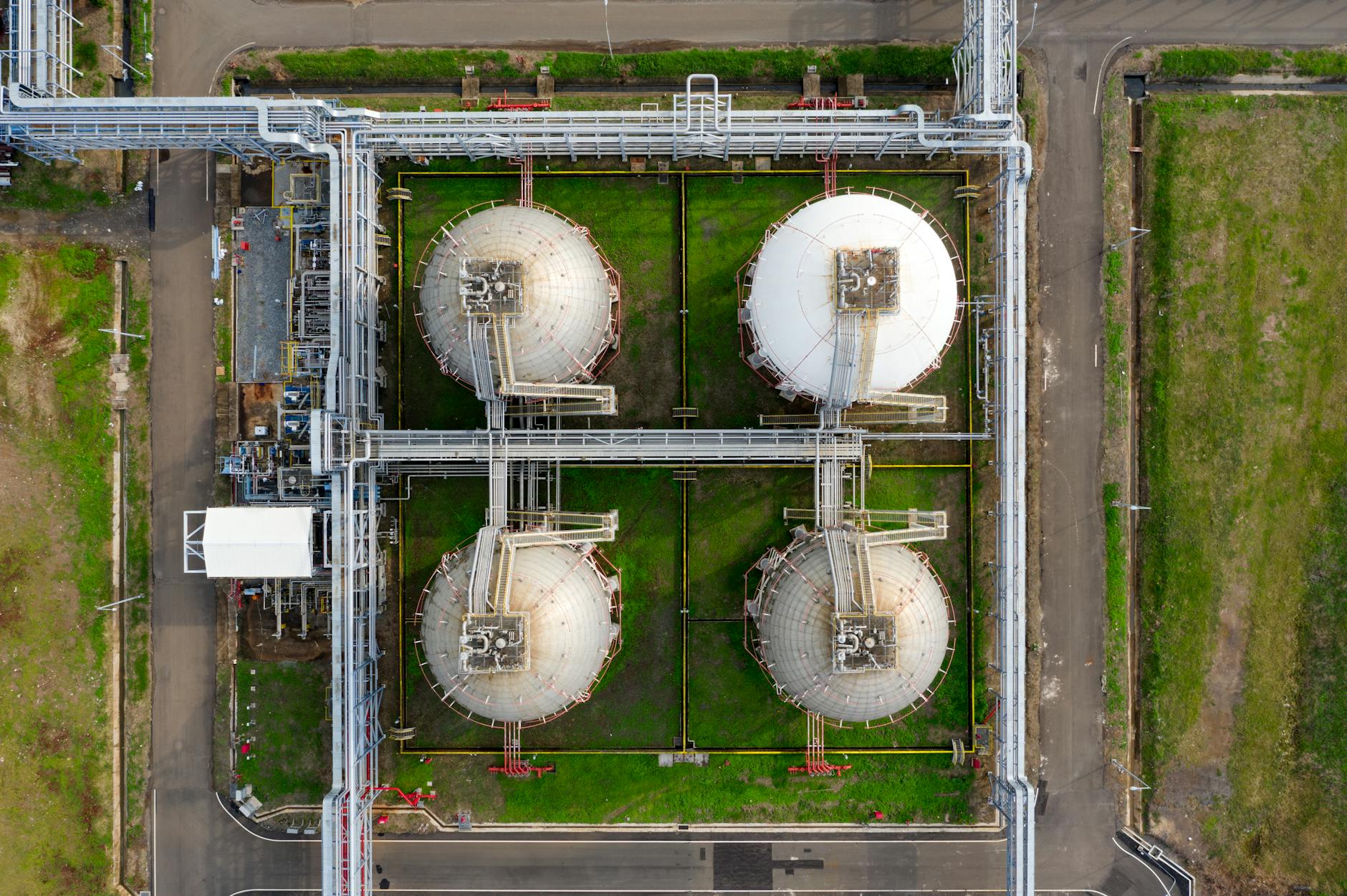
For over a decade, residents and businesses in Corpus Christi reportedly subsidized water costs for major industrial plants like Valero and Citgo, amounting to over $100 million. Now, after the city doubled industrial water rates to correct this imbalance and fund crucial new projects, these energy companies are challenging the decision. This legal battle before state regulators holds significant implications, as Corpus Christi faces an unprecedented water supply crisis and desperately needs funds for sustainable water infrastructure. The outcome will shape not only who pays for water, but also the city's ability to secure its vital resource future amidst growing scarcity.
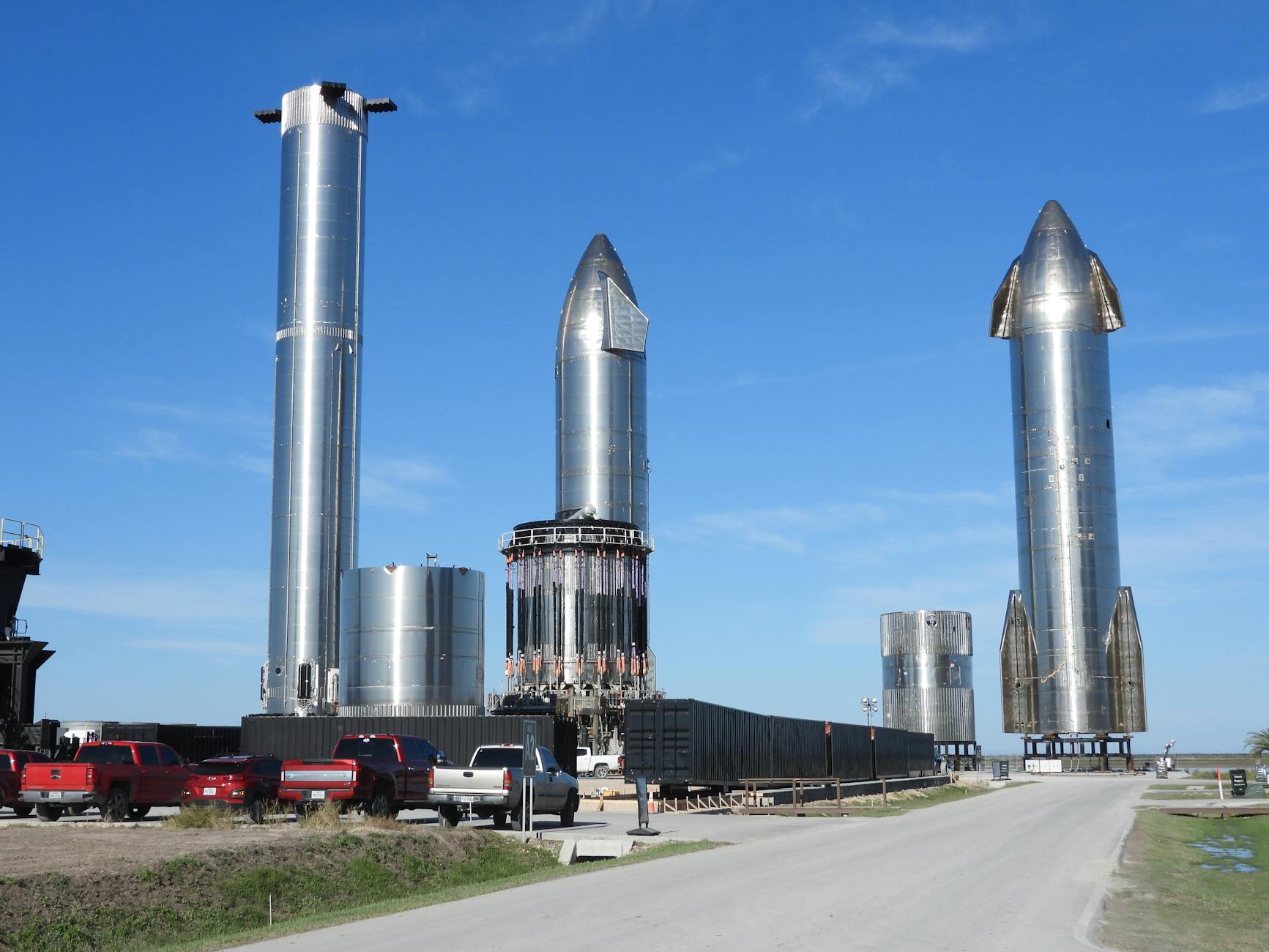
SpaceX is gearing up for the 13th integrated flight test of its Starship rocket, set for July 16. This mission builds directly on lessons learned from Flight 12, introducing ambitious new objectives, including the first-ever deployment of next-generation Starlink V3 satellites. The rapid iteration between flights highlights SpaceX’s “fail fast, learn faster” philosophy, with engineers addressing specific issues from the previous test to push reusability and payload capabilities further. This flight is crucial for advancing Starship's journey towards fully operational, high-cadence launches.
Scientists are using an innovative greenhouse experiment to understand natural processes that remove carbon from the atmosphere. By creating highly specific conditions, the research team aims to identify real-world locations that naturally achieve similar significant 'weathering effects.' This work is crucial for understanding Earth's natural climate regulation and can inform strategies for enhancing environmental action against global warming. The findings pinpoint key regions where nature’s carbon capture mechanisms are most active.
SpaceX is gearing up for Starship Flight 13, scheduled for July 16, marking a significant step in space exploration. This mission builds on lessons from Flight 12, where booster and engine issues were encountered. True to its "fail fast, learn faster" approach, SpaceX has implemented major hardware and software upgrades to tackle these challenges head-on. A key objective is the debut deployment of advanced V3 Starlink satellites, promising faster global internet. This flight aims to push Starship closer to its goal of rapid reusability for future lunar missions and expansive global Starlink coverage.
Indonesia is taking a major step towards cleaner air travel through a new partnership between state-owned energy company Pertamina and aviation giant Boeing. This collaboration aims to develop a robust ecosystem for Sustainable Aviation Fuel (SAF) across the country. As air travel grows rapidly, especially in Southeast Asia, this initiative is crucial for reducing aviation's carbon footprint and supporting Indonesia's ambitious net-zero emissions targets. It highlights the urgent need for innovative solutions to decarbonize one of the world's hardest-to-abate sectors, paving the way for a more sustainable future in the skies.
Elon Musk recently made a surprising admission on social media, reversing his earlier skepticism about AI company Anthropic. He acknowledged being 'clearly wrong' about their potential, now praising them as an industry leader. This shift comes as Anthropic utilizes significant computing power from Musk's own venture, SpaceXAI, sparking discussions about fair competition in the rapidly evolving artificial intelligence sector. Musk maintains his commitment to ethical rivalry and technological advancement.
SpaceX is preparing for its 13th Starship integrated flight test, scheduled for July 16 from Starbase. This mission introduces significant upgrades and new objectives, including the first deployment of next-generation Starlink V3 satellites. Building on lessons from Flight 12, SpaceX continues its rapid development approach, aiming to enhance reliability and reusability. This iterative process highlights a commitment to sustainable space access through continuous improvement and technological innovation, propelling humanity closer to a future of consistent, efficient space travel.
A leading Tesla analyst suggests the company's Full Self-Driving (FSD) system is on the cusp of a major breakthrough, fundamentally changing how we view vehicles. Pierre Ferragu of New Street Research draws a parallel to the iPhone, which initially seemed overpriced for just a phone until its broader utility became clear. He argues that FSD transforms a Tesla into more than mere transport, making the investment worthwhile for enhanced daily life. Ferragu predicts that within a couple of quarters, the true value and capabilities of FSD will become undeniable, leading to widespread adoption. This shift could redefine the automotive market, much like the iPhone revolutionized personal communication.
England and Wales faced devastating heatwaves in May and June, leading to an estimated 2,700 heat-related deaths. Researchers confirm that human-caused climate change significantly worsened these events, making them far deadlier than they would have been otherwise. This stark figure highlights the immediate and tragic human cost of a warming planet, urging a critical look at our actions. The study underscores the urgent need for robust environmental strategies and collective climate action.
Global efforts to combat climate change are accelerating, with new guides from the World Bank and Gold Standard highlighting carbon credits as vital tools for national climate planning and ongoing emissions responsibility. Meanwhile, the London Climate Week underscored the urgent need to phase out fossil fuels, promoting international alliances like BOGA and PPCA. The recent Bonn Climate Conference also set the stage for COP31, pushing for practical solutions including the ambitious "35x35" electrification target, aiming for 35% electricity in final energy consumption by 2035. These combined initiatives stress the critical importance of swift, coordinated action to transition towards a sustainable, clean energy future.
The global push for a sustainable future is gaining significant momentum, with new guidance from the World Bank and Gold Standard highlighting carbon credits as crucial tools for national climate planning and immediate impact. Major reports from London Climate Week underscore the accelerating phase-out of fossil fuels, driven by international alliances and renewable energy advancements. Meanwhile, the Bonn climate conference introduced an ambitious '35x35' electrification goal, aiming for electricity to power 35% of final energy consumption by 2035. These developments collectively emphasize the urgent need for decisive climate action and the benefits of transitioning to cleaner, electric solutions.
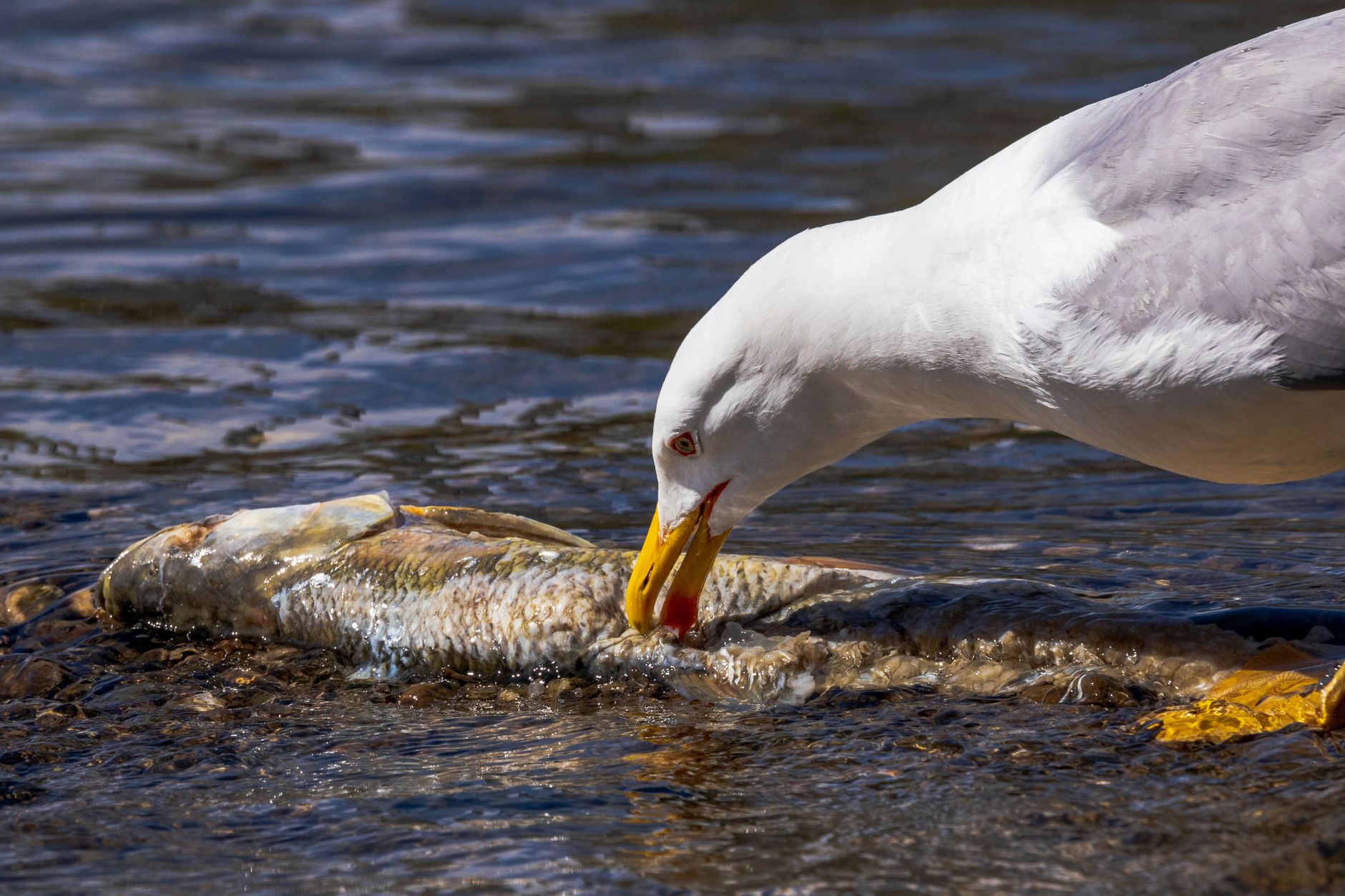
The Charles River, once a symbol of environmental neglect, is now witnessing a remarkable resurgence of wildlife. This spring, masses of river herring have returned, attracting a diverse array of predatory birds like great blue herons, night herons, and cormorants. This vibrant ecological activity, a stark contrast to its polluted past, highlights the profound impact of decades of dedicated cleanup efforts. The river's transformation serves as a powerful reminder of what's possible when communities commit to environmental restoration and protection.