The nation's oldest weather observatory in Milton, Massachusetts, uses a surprisingly simple method to track climate change: observing when the first blueberry ripens. This tradition, maintained for years, offers a unique and tangible look at how our environment is shifting. Such everyday changes, like the timing of fruit harvests, highlight the profound and often subtle impacts of a warming planet on local ecosystems. It underscores the urgency of understanding and addressing global warming, as these natural indicators reveal an undeniable reality.
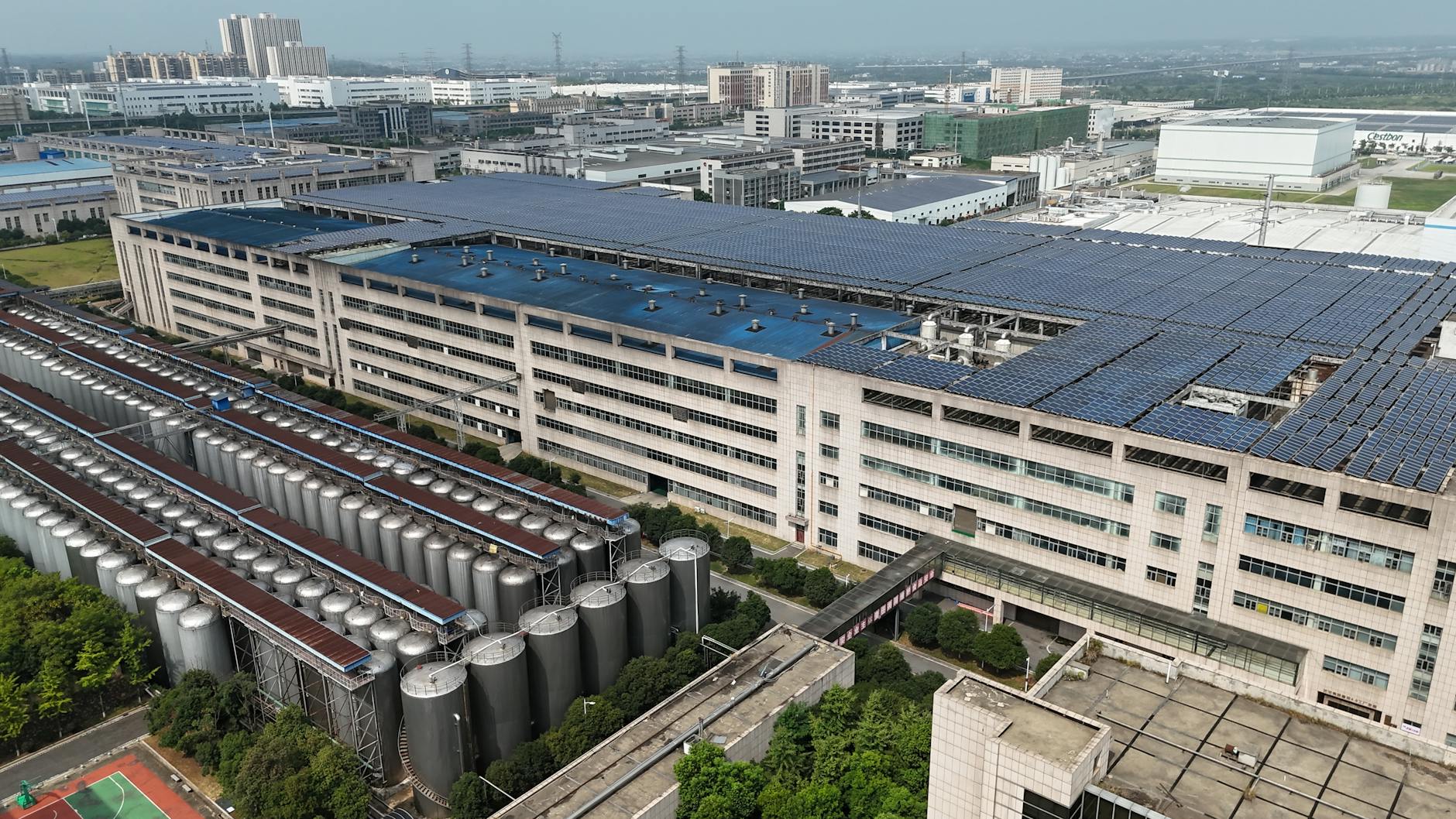
China, the world's largest source of climate-warming gases, has unveiled a new five-year climate plan to integrate renewable energy more deeply into industries. This strategy aims to shift focus from merely building clean energy capacity to actively using it in sectors like factories, data centers, and transportation. While some targets remain broad, the initiative underscores a critical commitment to electrification and sustainable solutions. This move is vital for global efforts to limit warming, as China's actions over the next five years will significantly influence worldwide climate progress.
During what should be the coldest part of its year, Antarctica's west coast recently saw a surprising phenomenon: a massive area of sea ice, roughly the size of France, failed to form. This unprecedented lack of ice, documented over the last 50 years, is driven by unusually warm winds and ocean currents. Scientists warn that while some areas gain snow, the overall trend points to a smaller Antarctica and higher sea levels, posing a significant, long-term threat to global coastlines and emphasizing the urgency of climate action.
Elon Musk recently made a surprising admission on his social platform X, stating he was "clearly wrong" about AI company Anthropic. This marks a significant shift from his earlier skepticism, where he doubted Anthropic's potential in the intense AI race. Now, Musk praises their progress, even calling them a leader in the field. This reversal isn't just about AI; it highlights a broader philosophy of fostering progress through open competition, much like Tesla shared its electric vehicle patents to accelerate sustainable transport for everyone.
A leading analyst predicts Tesla's Full Self-Driving (FSD) technology is on the cusp of a major breakthrough, akin to the iPhone's transformative impact. This "inflection point" suggests FSD will soon be recognized as far more than just a car feature, offering a revolutionary way to experience travel. As FSD evolves, it’s expected to fundamentally change how people perceive vehicle value, potentially making advanced electric cars more accessible and appealing. This could significantly accelerate the shift towards cleaner, more sustainable transportation solutions globally.
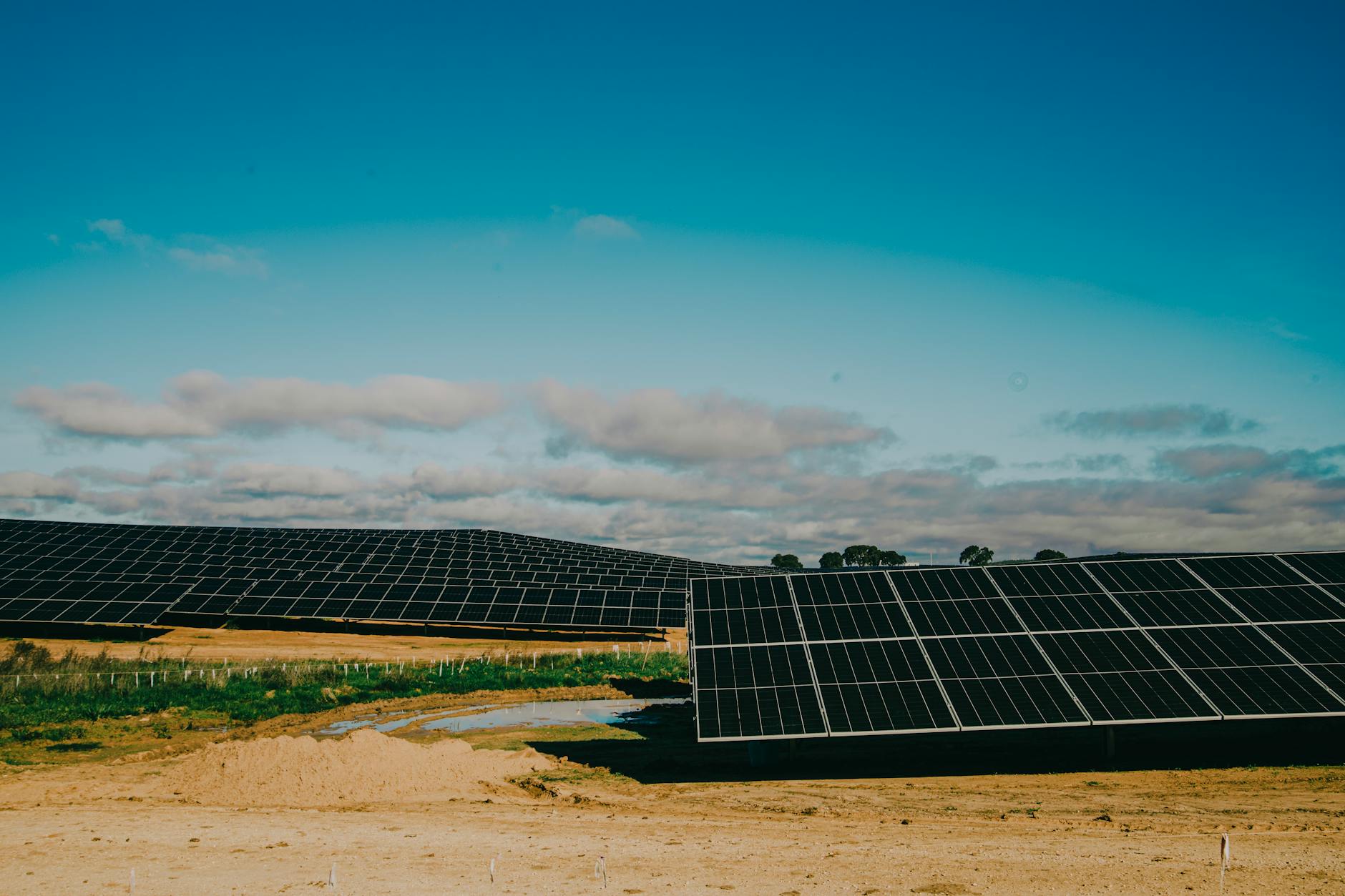
Home battery systems are quickly becoming a game-changer for households, transforming how we power our lives. As prices drop, these systems allow homeowners to store electricity from rooftop solar or the grid, ensuring power during outages and reducing strain on the overall electrical network. This shift is crucial in an era of more frequent extreme weather and growing energy demands, offering both financial savings and a powerful step towards a more resilient, clean energy future. Integrating these batteries is key to tackling climate challenges and promoting sustainable living.
Philadelphia's 250th anniversary celebrations were overshadowed by a record-breaking heat wave, with temperatures soaring to 101 degrees for three consecutive days. This extreme heat, which scientists say would be “virtually impossible” without global warming, led to numerous heat-related illnesses and even deaths. The city's emergency response was tested as major events faced disruptions and calls for better public safety measures grew louder. This alarming event highlights the urgent need for robust climate resilience strategies to protect communities as our planet continues to warm.
Canada and Saudi Arabia have launched a significant new partnership, signing over C$1 billion in commercial agreements. This marks a strategic shift to boost cooperation in vital sectors like clean energy, sustainable mining, and artificial intelligence. The collaboration aims to accelerate Saudi Arabia’s economic diversification under Vision 2030 and leverage Canada's expertise in green technologies, emphasizing the critical need for global action in the urgent transition to a lower-carbon future and for developing sustainable solutions for rising energy demands.
Global oil demand is set to decrease in 2026 for the first time since the COVID-19 pandemic, primarily due to the ongoing Iran war impacting shipments through the Strait of Hormuz. This modest one percent decline, projected by the International Energy Agency, highlights how geopolitical events can disrupt energy markets. While a rebound is expected next year, this situation reignites crucial discussions about the long-term future of fossil fuels and the urgent need to reduce their use to combat climate change.
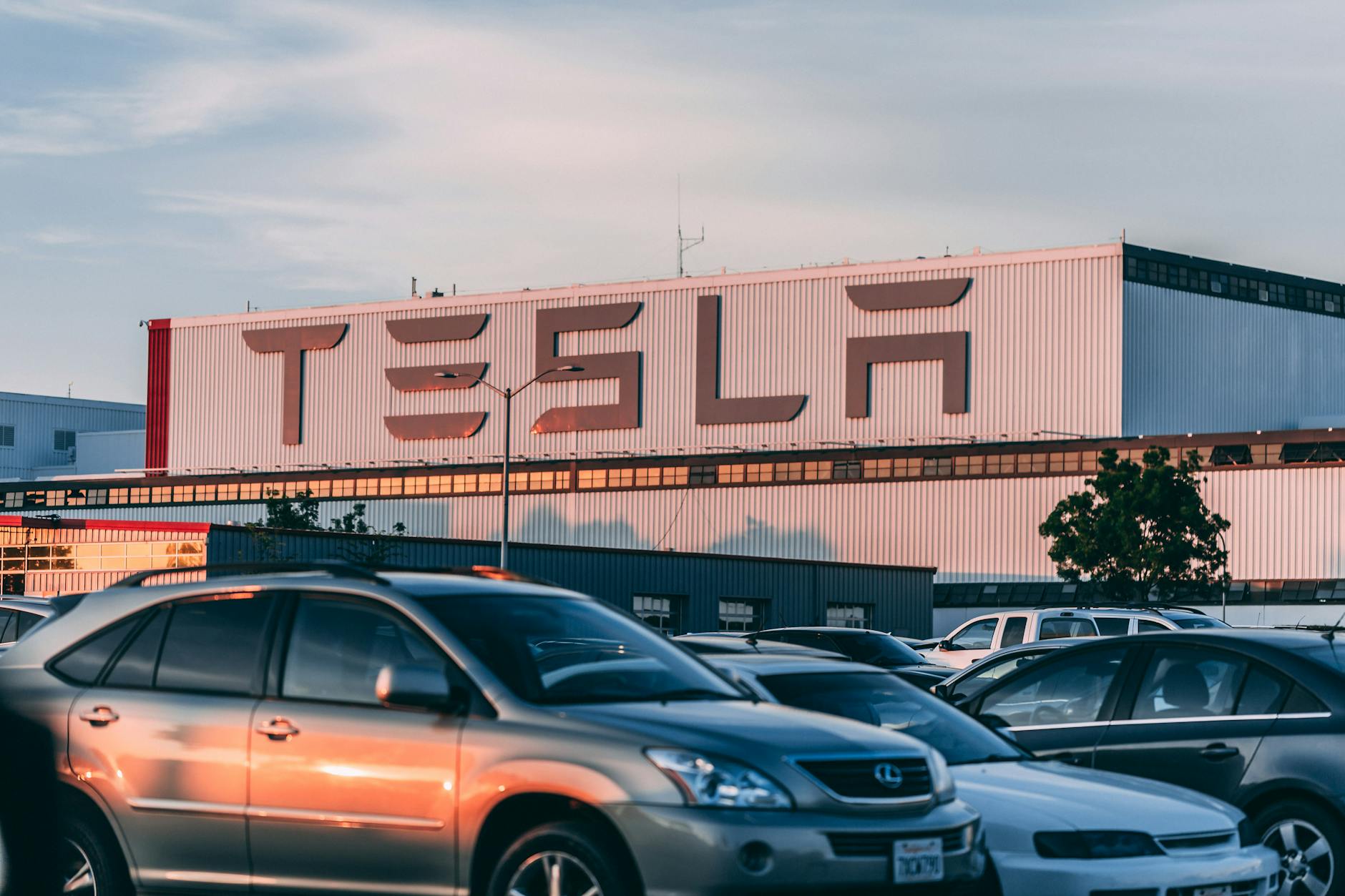
Tesla has launched the "JUNI x Tesla Battery Cell Giga Challenge," inviting European startups to showcase cutting-edge battery technology for its Gigafactory Berlin. This ambitious program aims to make battery production faster, cheaper, and more scalable, building on a fresh $250 million investment to significantly boost 4680 cell output. This move marks a renewed commitment to local battery manufacturing and is crucial for accelerating the shift towards cleaner electric vehicles and sustainable energy solutions globally.
Inside Climate News (ICN) has welcomed its largest class of summer environmental reporting fellows yet, with thirteen collegiate and post-collegiate journalists joining the team. This program aims to sharpen their reporting skills and deepen expertise in crucial climate and environmental topics. By fostering new talent, ICN is building a vital pipeline for environmental media, ensuring that critical stories about our planet's future are told. These emerging reporters will tackle urgent issues from environmental justice to global climate leadership, underscoring the importance of informed public discourse on climate action.
Microsoft's latest environmental report reveals a significant challenge: its greenhouse gas emissions jumped 25% in 2025, reaching 20.3 million metric tons. This surge is primarily driven by the rapid expansion of AI and cloud infrastructure, especially the construction of new data centers. While the tech giant remains committed to its ambitious goal of becoming carbon negative by 2030, this increase highlights the complex trade-offs between rapid technological advancement and urgent climate action. The report underscores how current growth in AI infrastructure is testing even the most dedicated sustainability efforts. It’s a stark reminder of the global effort needed to balance innovation with environmental responsibility.