Many communities want to address climate change but often lack the necessary resources to develop concrete plans. In the Cincinnati region, for example, a vast majority of local governments haven't created detailed strategies despite the growing urgency of the climate crisis. To bridge this critical gap, a regional climate collaborative called Green Umbrella has launched the 25 Communities Project. This initiative provides essential training, funding, and support, empowering local leaders to reduce emissions and prepare for future climate impacts. It’s a vital step towards building a resilient, collaborative network across Ohio.
A new report from the Center for American Progress warns that millions of Americans' drinking water could be jeopardized by the Trump administration's potential plans to shrink or eliminate national monuments. These protected public lands safeguard crucial waterways that supply over 13 million people, with 83 percent of this water having no other protection. If these monuments lose their designation, extractive industries like mining and drilling could contaminate water sources and deplete supplies, especially in arid regions. This situation carries serious implications for public health and water security across the country. Historically marginalized communities and areas already facing climate-induced water shortages are particularly vulnerable to these threats.
Home insurance costs are rapidly climbing across the nation, especially in regions vulnerable to climate-related disasters. New research confirms this trend, showing that these surging rates are now even driving down home prices in at-risk communities. We asked readers to share their experiences, and hundreds responded with alarming accounts. Their stories reveal a deeper problem of skyrocketing premiums and changing coverage, pushing many homeowners to the brink.
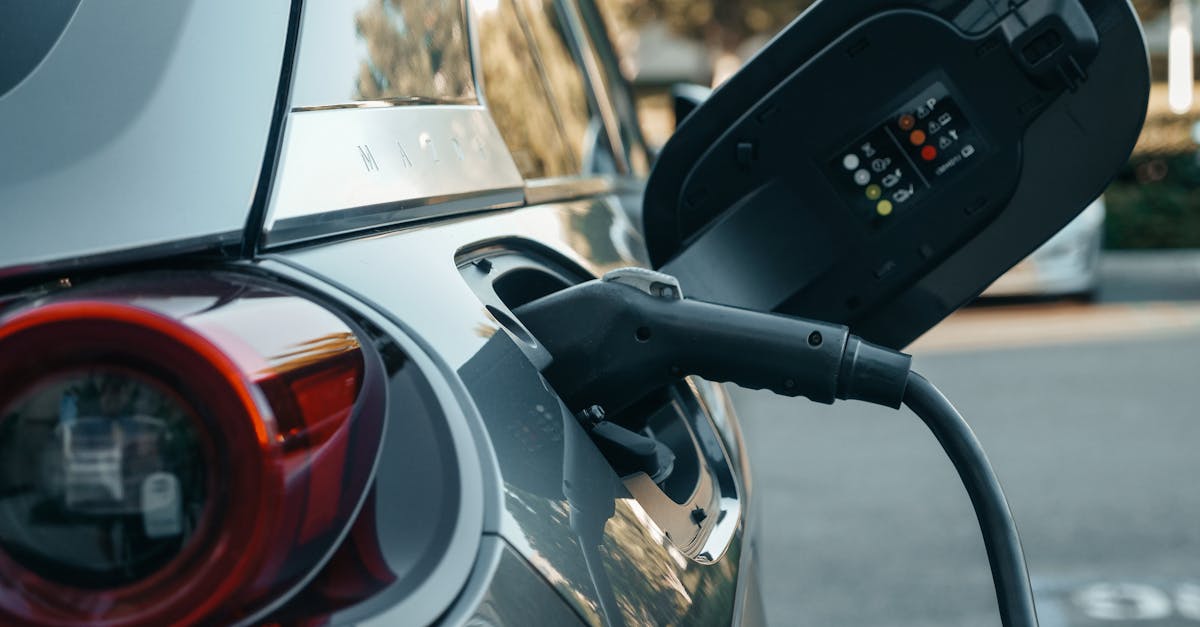
Globally, the electric vehicle (EV) market is rapidly expanding, with one-quarter of all new cars sold in 2025 being electric. This shift is vital for tackling climate change, as EVs significantly cut transportation emissions. However, the U.S. has seen its EV adoption plateau at just 10% of new sales since 2023. Countries like China and many in Europe are embracing this cleaner technology at a much faster pace, allowing China to lead in global auto exports and raising questions about future economic leadership. This divergence highlights a critical missed opportunity for climate action and economic growth in the U.S.
Tesla's Gigafactory Shanghai has reached an incredible milestone, producing its four millionth electric vehicle. This rapid achievement underscores the accelerating global shift towards sustainable transportation. Since beginning production in October 2019, the factory has become a powerhouse, churning out Model 3 and Model Y vehicles at an astonishing pace. This significant output is not just a commercial success; it's a vital contribution to electrifying transport and combating climate change on a massive scale. The plant's swift growth is a clear indicator of the world's urgent need for cleaner technologies.
The Carbon Literacy Action Day 2025 successfully united thousands globally on November 13th, coinciding with the UN COP30 Climate Change Conference. This massive climate education event saw over 2,782 individuals complete training, each pledging two new carbon reduction actions. This collective effort is a significant step in the urgent fight against climate change, leading to over 5,564 planned actions. The initiative's widespread impact, spanning 21 countries, demonstrates the power of global collaboration in addressing our planet's most pressing environmental challenges.
Lithium prices are soaring, with a recent jump highlighting its vital role in electric vehicles and energy storage. After a period of oversupply, strong demand forecasts from EV and battery industries are driving this sharp rebound. This surge could see prices climb significantly by 2026, posing both challenges and opportunities for a world increasingly reliant on clean energy. Domestic projects, like Surge Battery Metals' Nevada operation, are becoming crucial for a stable supply.
The carbon dioxide removal (CDR) industry is sounding the alarm over a new draft of the Science Based Targets initiative (SBTi) Corporate Net-Zero Standard. An open letter, signed by 55 stakeholders, warns that the proposed rules could make achieving net-zero goals "impossible" for many companies. The industry fears specific language regarding permanent carbon removals will create uncertainty and discourage vital private investment. This challenge comes as SBTi seeks public feedback on its updated framework, which aims to guide corporate climate action globally. The outcome could significantly impact the pace of global climate progress.
Yale Climate Connections began offering climate news in Spanish in 2022, a project that has since grown significantly. Initially translating English articles, the initiative quickly found a substantial, underserved audience. National surveys revealed that Latino communities, particularly Spanish speakers, are among the most concerned about climate change yet lack accessible, relevant information. This gap, especially concerning extreme weather and widespread misinformation, highlighted an urgent need. The project aims to empower these vulnerable populations with vital climate knowledge, ensuring they can make informed decisions.
The rapid expansion of artificial intelligence is creating a massive demand for energy, pushing existing power grids to their limits. This week, Nvidia CEO Jensen Huang dramatically highlighted nuclear power as the crucial solution for powering future AI data centers. His comments caused a significant surge in companies like Oklo, which is developing advanced microreactors. This shift underscores the growing recognition that stable, carbon-free energy sources like nuclear are essential to meet the exploding needs of AI sustainably and reduce its environmental footprint. Embracing clean power solutions is vital for our planet's future.
The European Commission has launched a massive €5.2 billion funding package to accelerate clean technology innovation. This significant investment, drawn from the EU Emissions Trading System, aims to drive Europe towards a low-carbon future by supporting net-zero projects, hydrogen production, and industrial heat decarbonization. It’s a crucial step in the urgent global effort to combat climate change, showing Europe’s strong commitment to transitioning to sustainable solutions and a greener economy.
Climate change is not just about environmental shifts; it's rapidly driving up healthcare expenses for everyone. From severe injuries during hurricanes to heat stroke cases during scorching heat waves, extreme weather events are increasingly sending people to the hospital. These incidents lead to unexpected medical bills for families and create growing financial burdens for employers covering health insurance. Understanding this critical issue can motivate businesses to take proactive steps, safeguarding both their financial future and the well-being of their workforce.