California's gubernatorial front-runner, Xavier Becerra, is receiving substantial financial backing from various special interest groups and companies as the November election approaches. These influential players, including Big Tech, healthcare giants, powerful labor unions, and even fossil fuel companies, have collectively contributed millions to his campaign. This significant influx of cash raises questions about potential influence on the policies California’s next governor will shape. Critics suggest these contributions represent efforts to secure favorable decisions on crucial state issues, from regulations on social media to healthcare funding and environmental policies.
Internal documents have unveiled a quiet but powerful effort by industry groups to dismantle California's landmark plastic reduction laws. These crucial regulations, designed to tackle the growing crisis of plastic pollution, aim to shift the burden of waste cleanup from taxpayers to the companies that produce single-use plastics. This newfound pushback from groups like the Print Creative Alliance and Californians for Affordable Packaging threatens vital progress toward a cleaner environment. The battle highlights a stark contrast between corporate profits and public responsibility for a healthier planet.
California's already vulnerable coastline is facing a new threat: a powerful 'coastally trapped Kelvin wave' linked to El Niño. This phenomenon is set to add about 6 inches to sea levels for months, exacerbating the impacts of global warming's existing sea level rise and persistent marine heatwaves. While not visible, this additional water height significantly increases the risk of severe beach erosion and coastal flooding. Experts warn that the combined effect could devastate communities, underscoring the urgent need for action against climate change.
After a year of owning a Tesla Model Y, one driver shares a glowing review, calling it the best car they've ever had. This personal account highlights significant benefits like dramatic cost savings on maintenance and fuel, alongside a newfound driving tranquility thanks to advanced features. The experience underscores the practical and emotional advantages of electric vehicles, demonstrating their capacity to reshape daily commutes into cleaner, more enjoyable, and ultimately more sustainable journeys for a greener future.
California is rapidly moving away from natural gas for electricity, a significant step in the fight against climate change. Since hitting its gas-fired power peak in 2014, the state has seen an accelerating decline, with a substantial 26 percent drop in the first half of this year alone compared to last. This swift transition highlights a successful blueprint for environmental action, demonstrating how focused policies and innovative clean energy solutions can drastically reduce reliance on fossil fuels. This shift proves that a cleaner, more sustainable energy future is not just a distant goal, but a present reality.
August 2026 has alarmingly tied July 2023 as the hottest month ever recorded globally, pushing temperatures a concerning 1.65°C above preindustrial levels. This marks the first time since November 2025 that global warming has exceeded the critical 1.5°C threshold. Compounding this, the world's oceans have endured 100 consecutive days of record-breaking sea-surface temperatures. These alarming trends are amplified by a strong El Niño and underscore a recent UN warning that our planet is likely to overshoot the Paris Accord's 1.5°C limit very soon, demanding immediate global action to reduce emissions and embrace sustainable solutions.
SpaceX, a name synonymous with modern space exploration, almost didn't make it. Before its current successes, the company faced immense challenges with its first rocket, Falcon 1. After three consecutive failures, their very survival hinged on a single, make-or-break fourth launch. This critical moment in 2008 not only saved the company but also paved the way for the reusable rockets, satellite internet, and ambitious Mars plans we know today, profoundly reshaping the future of space.
Agreena has finalized a landmark 7-year agreement to generate 4.45 million tons of soil carbon credits from 1.6 million hectares of farmland in northern Kazakhstan. This groundbreaking deal, considered the largest publicly announced agricultural carbon agreement to date, signals a significant step towards global climate action. It empowers Kazakh farmers to adopt regenerative farming practices, which are vital for drawing carbon out of the atmosphere and improving soil health, showcasing how forward-thinking investments can accelerate environmental progress.
North Carolina and several local communities have reached a significant settlement with Chemours, requiring the chemical company to pay $455 million over 15 years for widespread PFAS contamination. This landmark agreement, the largest environmental damage payment in North Carolina's history, addresses pollution from the Fayetteville Works plant and other related claims. It aims to fund crucial cleanup efforts and ensure access to safe drinking water, highlighting the severe public health and environmental impacts of these persistent 'forever chemicals'. The settlement underscores the ongoing battle to hold polluters accountable and protect natural resources.
A California bill aimed at banning harmful “forever chemicals,” known as PFAS, from produce has been significantly weakened. Despite widespread health concerns about these persistent chemicals, heavy lobbying from chemical and agricultural industries diluted the legislation. Originally intended to phase out PFAS pesticides, the bill now only requires regulators to track their use, missing a key opportunity to protect public health and the environment from these long-lasting pollutants. This outcome raises critical questions about the influence of industry on environmental policy.
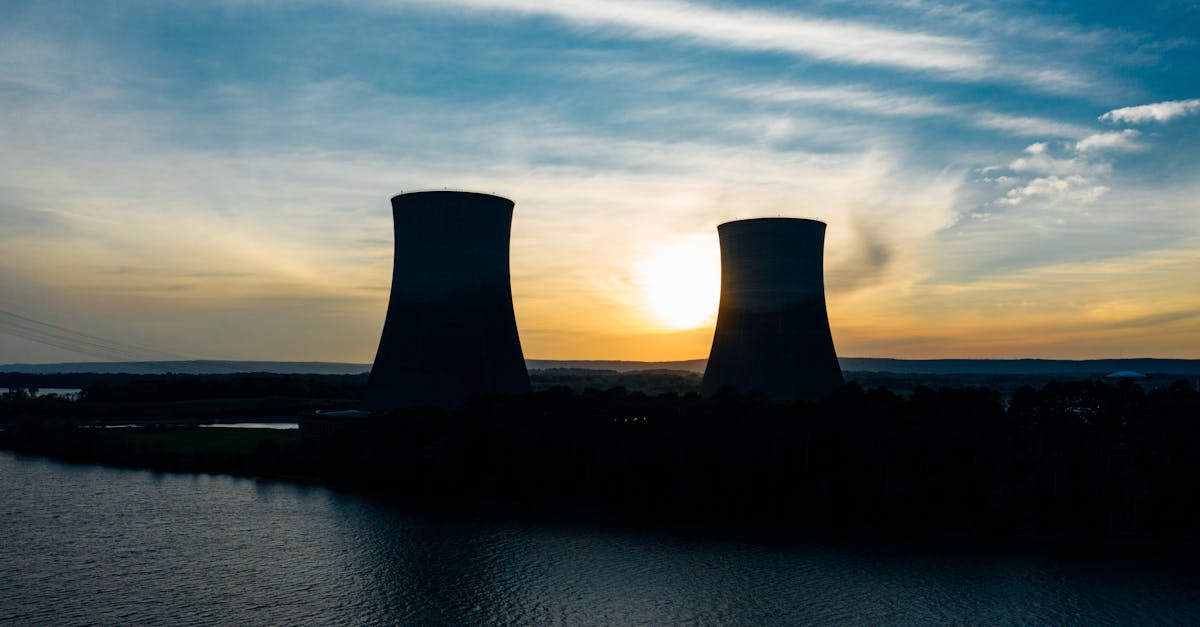
A new report predicts a significant expansion for nuclear power, a vital low-carbon energy source. The World Nuclear Association’s World Nuclear Outlook Report 2026 reveals that global nuclear capacity could triple by 2050. This surge is crucial for meeting rising energy demands while drastically cutting carbon emissions. Since 1970, nuclear generation has already prevented an estimated 43.6 billion tonnes of CO₂ emissions, underscoring its historical and future importance in the fight against climate change. Achieving this ambitious goal, however, hinges on a much faster pace of reactor construction.
Environment Secretary Angela Eagle has issued a stark warning, urging the public to store food supplies in anticipation of extreme weather events. This comes as an unprecedented El Niño is forecast to become the largest since the 19th century, with sea temperatures rising significantly in the Pacific. Experts predict a future of drier summers and wetter, stormier winters for the UK, alongside severe flooding in Asia and droughts in other tropical regions. This critical situation underscores the urgent need for both individual and governmental preparedness in the face of accelerating climate impacts.