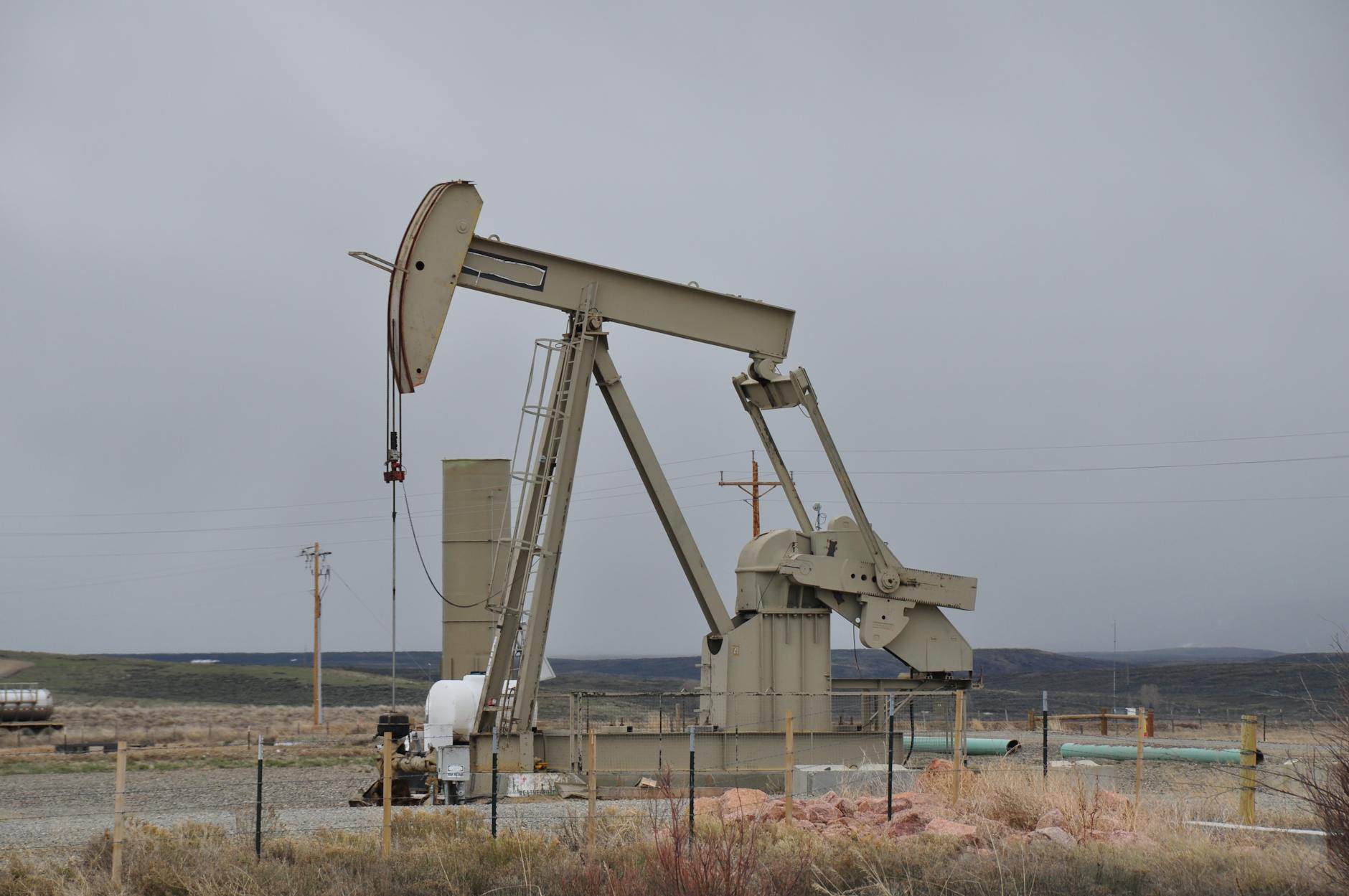
A significant error by the Bureau of Land Management (BLM) has raised alarms in Wyoming, as federal documents for massive oil and gas leases included incorrect environmental analyses. This misstep comes as new rules are being proposed to roll back environmental protections and public input, threatening critical wildlife habitats across nearly 380,000 acres. The situation underscores the urgent need for robust oversight and sustainable land management to protect our natural heritage from unchecked fossil fuel expansion.
A new report reveals that Black and Hispanic homeowners across the U.S. face significantly higher home insurance premiums, adding to their financial strain amidst worsening extreme weather. This disparity, highlighted by the Consumer Federation of America, means communities of color are at greater risk as climate change fuels more frequent and costly disasters. The findings underscore how historical injustices continue to impact economic stability and disproportionately burden vulnerable populations in the face of a rapidly changing climate.
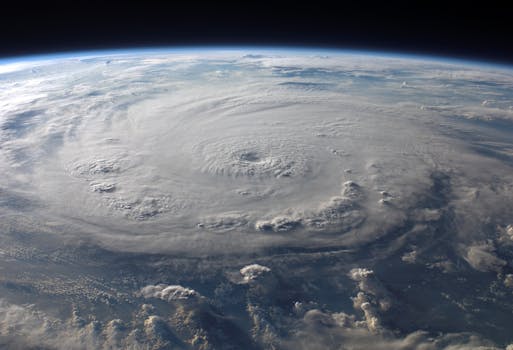
Hawaii is bracing for the potential impacts of Hurricane Lowell, one of three powerful hurricanes currently active in the Pacific – a rare occurrence in over a decade. Lowell, which briefly reached Category 5 strength, is expected to remain a major hurricane as it approaches the islands this weekend. While its exact path is still uncertain, residents can expect significant waves, strong winds, and heavy rainfall. This unusual activity highlights the increased intensity and frequency of such events, signaling a clear call for global warming awareness and climate action.
A new report from the United Nations Environment Programme (UNEP) warns that global warming is likely to exceed the critical 1.5°C threshold within years. This isn't a sign to give up, but rather calls for a new, urgent strategy: allow a temporary overshoot, reach the lowest possible peak temperature, and then actively bring global temperatures back down. This path demands much faster cuts in emissions, stronger climate resilience, and a significant boost in carbon dioxide removal technologies. The fight to protect our planet is intensifying, requiring unprecedented global action.
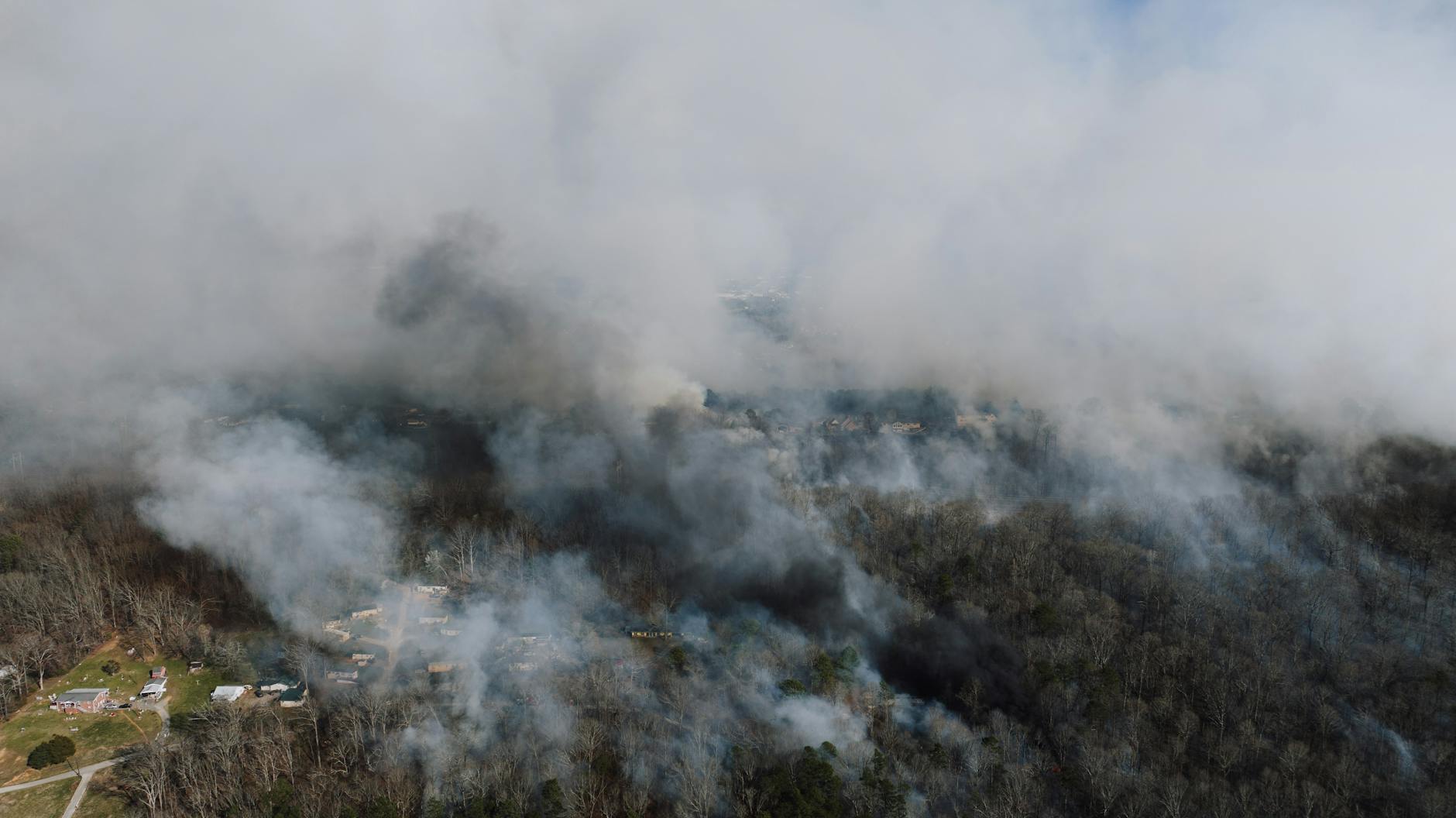
Wildfires increasingly dominate headlines, but their growing intensity and frequency tell a deeper story than just seasonal events. These infernos are stark reminders of how our climate is changing, creating conditions ripe for destruction. Experts are looking beyond immediate emergencies to understand the profound connections between global warming and wildfire patterns. Recognizing these links is crucial for protecting our communities, vital ecosystems, and the very air we breathe from escalating climate impacts.
New research from the Harvard T.H. Chan School of Public Health reveals a concerning link between rising temperatures and workplace injuries. The study, analyzing 2023 OSHA reports, found that incidents like falls, burns, and cuts become significantly more likely on hot days. This isn't just an outdoor problem; indoor workers in sectors like manufacturing and healthcare are also at heightened risk. As our planet warms and heat waves intensify, understanding these dangers becomes crucial for protecting workers globally.
For years, scientists have wondered if human-caused global warming is intensifying El Niño, a powerful climate phenomenon. Now, new research looking at centuries of coral records suggests a clear link. This groundbreaking study indicates that El Niños have become significantly stronger since the Industrial era, fueling more extreme weather events worldwide. As a record-breaking "super" El Niño currently gains strength, these findings underscore the urgent need to address climate change and its escalating impacts on our planet.
Los Angeles mayoral candidates Karen Bass and Nithya Raman recently faced off at an environmental forum, each outlining their commitment to a greener city. While Bass highlighted her administration's achievements in renewable energy and phasing out coal, Raman critiqued the city's climate priorities and budget decisions. The debate underscored the critical need for robust environmental leadership as L.A. confronts pressing challenges like extreme heat, water scarcity, and the global climate crisis. With the UN recently acknowledging the difficulty of limiting global warming to 1.5 degrees Celsius, the urgency for local action is higher than ever.
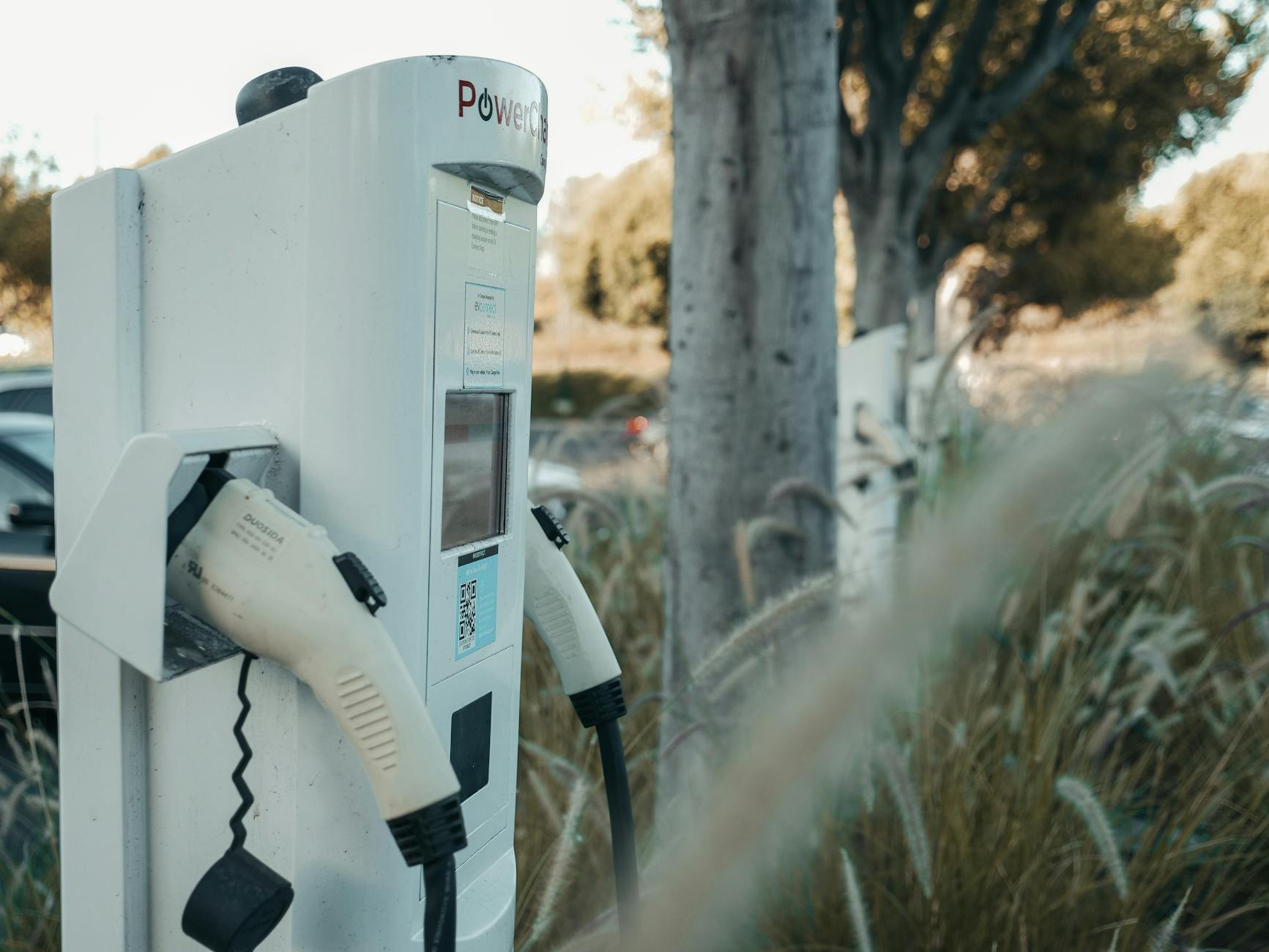
California is forging ahead with its electric vehicle (EV) transition, expanding charging infrastructure and increasing EV sales despite significant federal efforts to slow progress and promote fossil fuels. This determination is crucial for the state's ambitious climate goals, including achieving carbon neutrality by 2045. With transportation accounting for about half of its greenhouse gas emissions, California's sustained push for electrification is vital for environmental protection and public health.
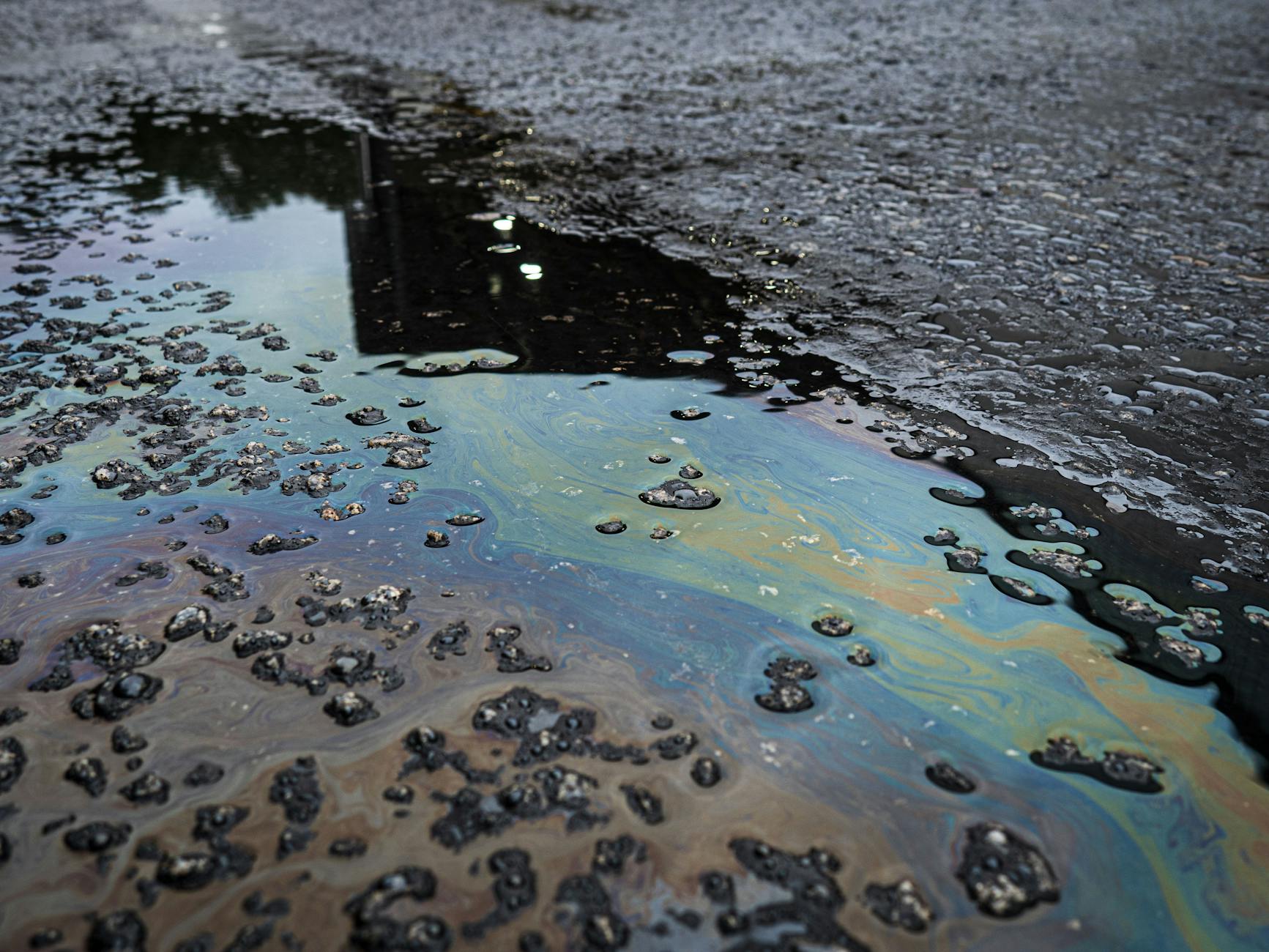
A major pipeline company, Energy Transfer, is trying to challenge a vital part of Pennsylvania's 89-year-old Clean Streams Law. This unusual legal move comes as the company faces a criminal investigation related to a recent jet fuel spill that contaminated drinking water in a suburban Philadelphia neighborhood. Energy Transfer argues that the law is unfair because it could punish accidental actions without a 'guilty mind' provision. However, state officials are pushing back, calling the lawsuit a premature attempt to avoid accountability. This case highlights a critical battle over environmental protection and a company's responsibility for potential pollution.
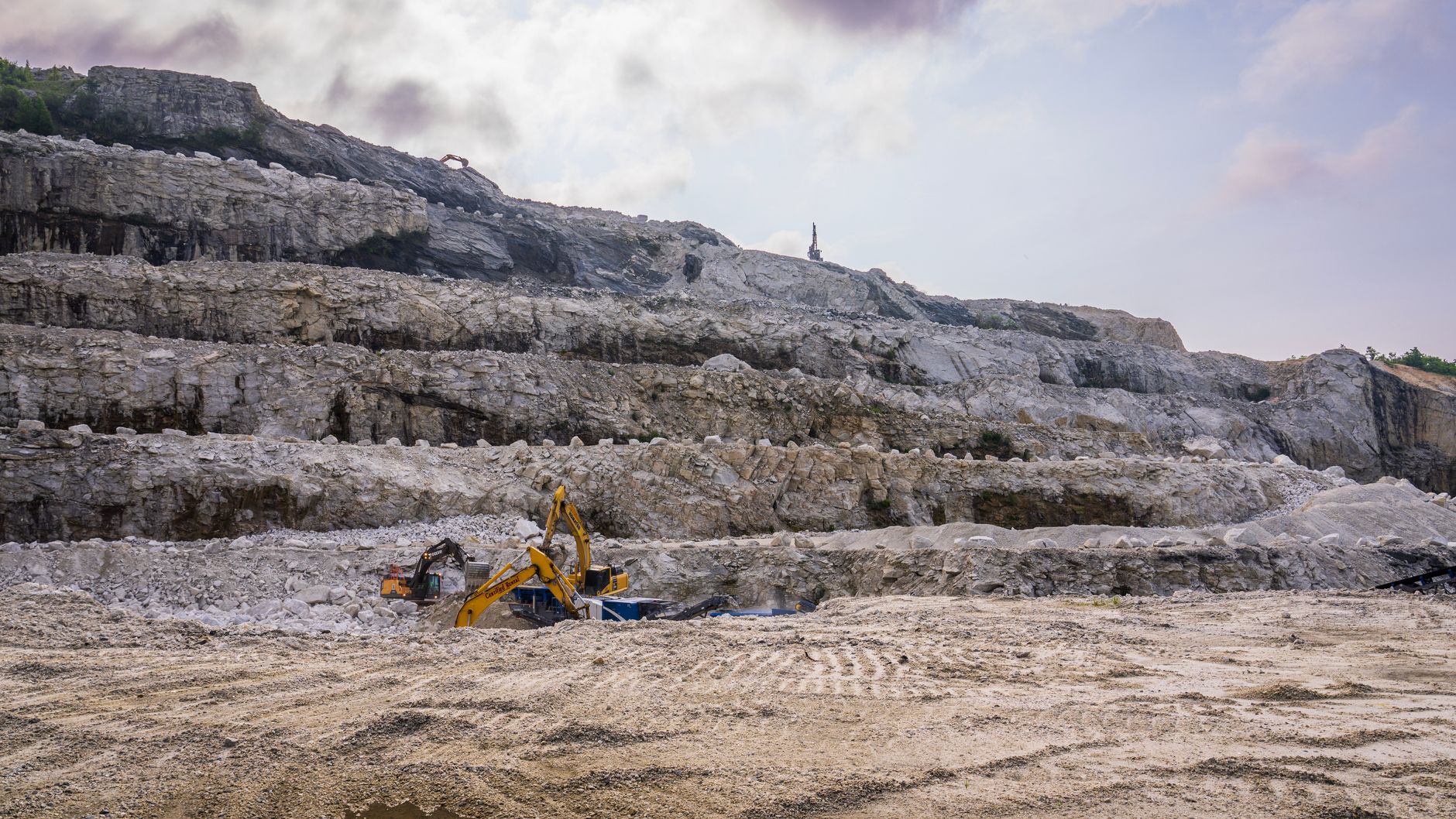
CATL's Jianxiawo lithium mine, crucial for electric vehicle batteries, has lost its environmental approval in China, halting operations once more. This significant setback for China's largest planned lithium mine comes amid growing global demand for lithium, a key component in clean energy technologies. Concerns surrounding environmental management and tailings facilities are central to the delay, underscoring the importance of responsible resource extraction. The prolonged shutdown threatens to reduce expected lithium supply, potentially impacting the world's transition to a sustainable, electrified future. This situation highlights how vital environmental stewardship is for securing the resources needed for global climate action.
Extreme heat waves, intensified by climate change, are increasingly overwhelming emergency rooms, leading to a surge in patients with dehydration, kidney issues, and even mental health crises. A new study reveals that as many as one in ten ER visits during recent heat waves were heat-related, putting immense strain on hospital resources. Researchers are now exploring how near real-time health data can help hospitals better prepare and allocate vital resources, offering a crucial step in adapting to our warming world and protecting public health.