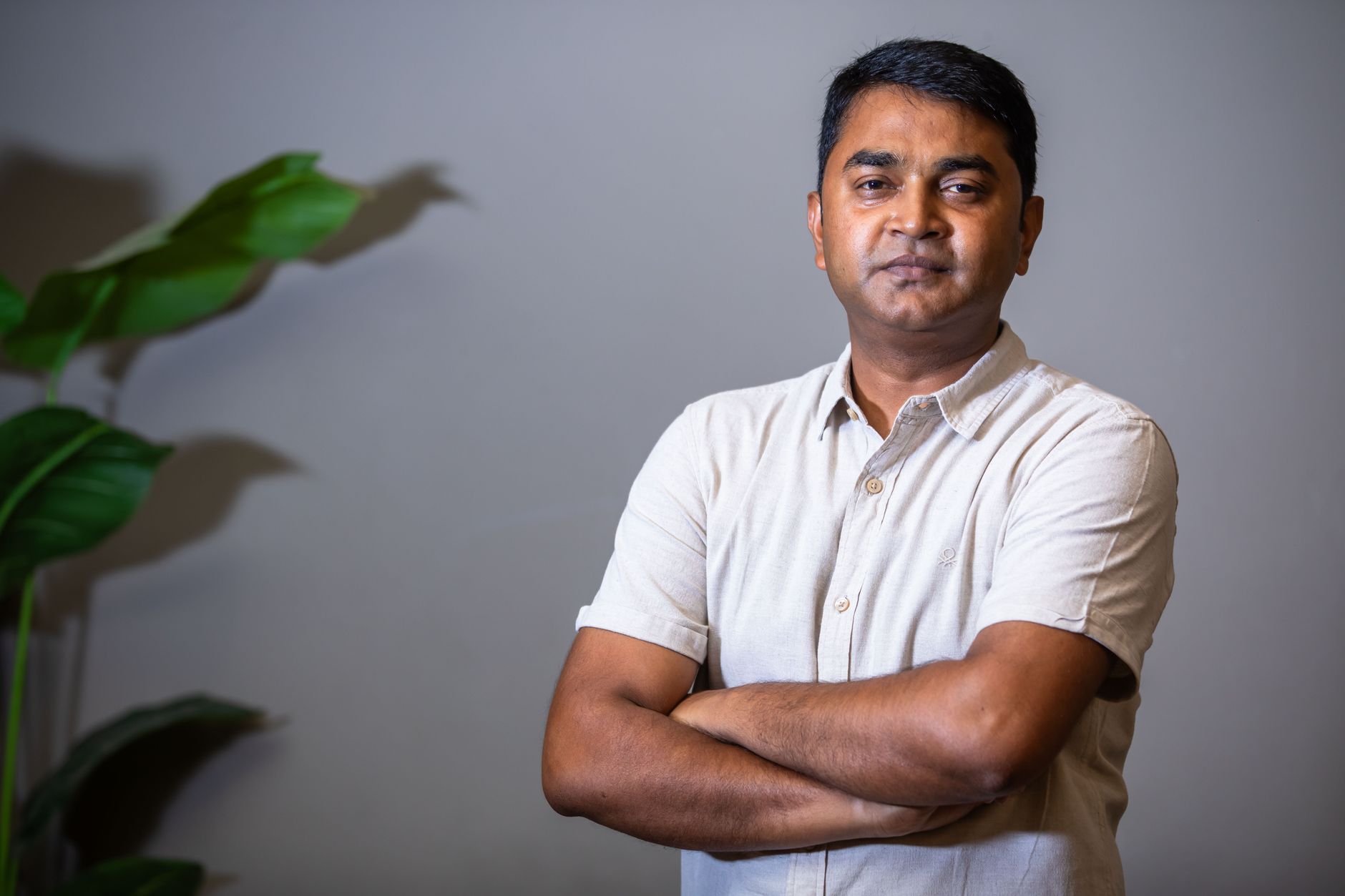
The Resurgence Trust is celebrating its 60th anniversary, marking six decades of promoting environmental stewardship, spiritual awareness, and peace. Through its *Resurgence & Ecologist* magazine and online platform, the trust has consistently championed a more sustainable future. This milestone is being celebrated with a special "One With The Earth" event, gathering influential environmental voices like Mya-Rose Craig, Areeba Hamid, and Jonathon Porritt. The message is clear: holding onto hope is crucial for tackling today's climate challenges and fostering a harmonious relationship with nature.
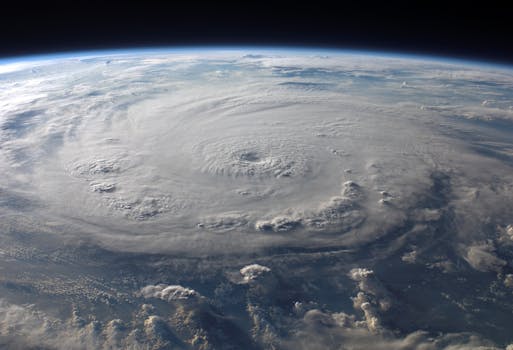
Hurricane Lowell, an exceptionally powerful Category 5 storm, is heading towards Hawaii, bringing significant threats of torrential rain, gale-force winds, and flash flooding. This comes as the Pacific continues to generate numerous tropical cyclones during an El Niño year, highlighting the intense and unpredictable nature of current weather patterns. Forecast to pass just west of Kauai and Niihau, Lowell's rapid intensification and sustained strength are a stark reminder of the escalating challenges posed by extreme weather events. Residents are preparing for potential widespread impacts, making preparedness crucial for the islands.
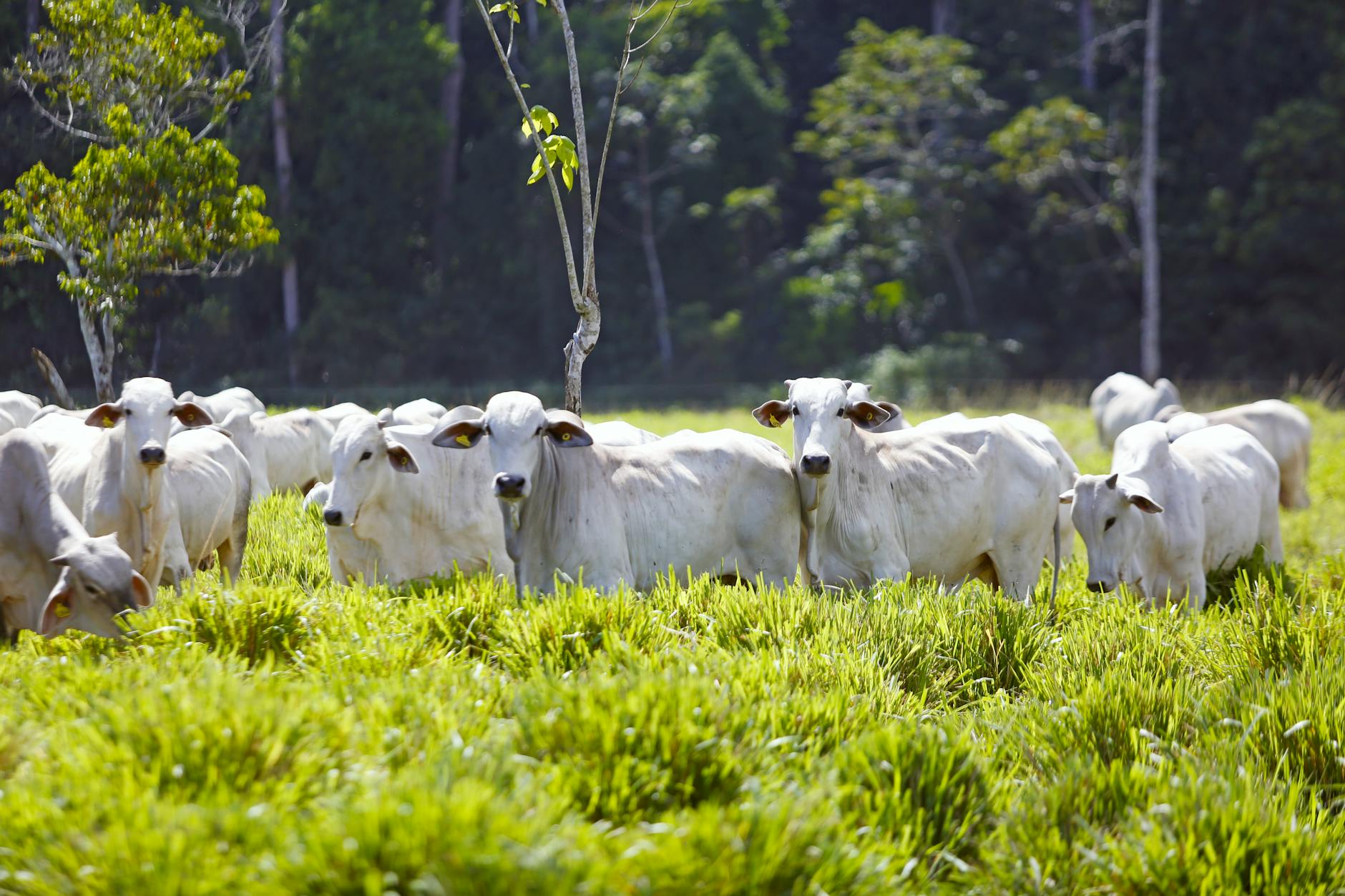
Brazil's environmental agenda is increasingly shaped by a complex, interconnected network of government, corporations, and non-profits. While these collaborations aim for sustainable development, they raise crucial questions about genuine accountability, especially as major players in beef and oil production exert significant influence. With ongoing deforestation and massive emissions from agriculture threatening vital ecosystems like the Amazon, understanding who defines "green" solutions is more urgent than ever. Critics worry that this consensus might inadvertently prioritize agricultural growth over robust environmental protection.
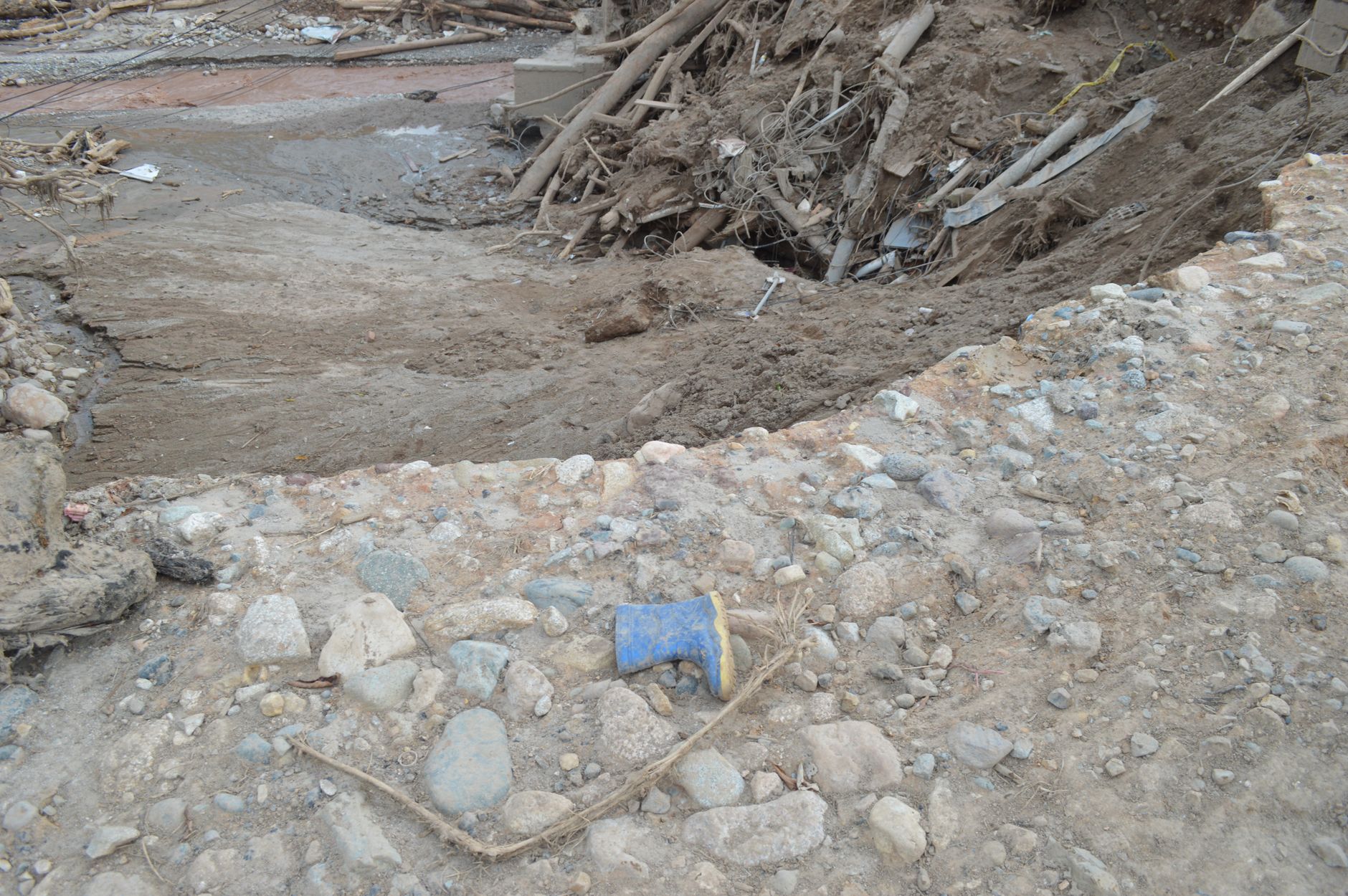
Typhoon Saudel has brought devastation to eastern and south-central China, triggering deadly mudslides and torrential rain. The death toll from a mudslide in Jiangxi province has risen to three, with nine people still missing, after the storm hit a village, damaging homes and forcing evacuations. This tragic event underscores the increasing severity of extreme weather phenomena, a stark reminder of our planet's changing climate. Such powerful typhoons highlight the urgent need for global climate action and robust community resilience measures.
Tesla has launched its groundbreaking Cybercab in Austin, Texas, marking a significant leap into unsupervised self-driving ride-hailing. These all-electric vehicles stand out by entirely lacking traditional manual controls like steering wheels and pedals, pushing the boundaries of automotive design. While promising a cleaner, more efficient urban transportation future, this innovative approach has prompted the National Highway Traffic Safety Administration (NHTSA) to open an inquiry into its safety certification. This move highlights the crucial balance between rapid technological advancement and ensuring public safety in the evolving landscape of electric, autonomous transport.
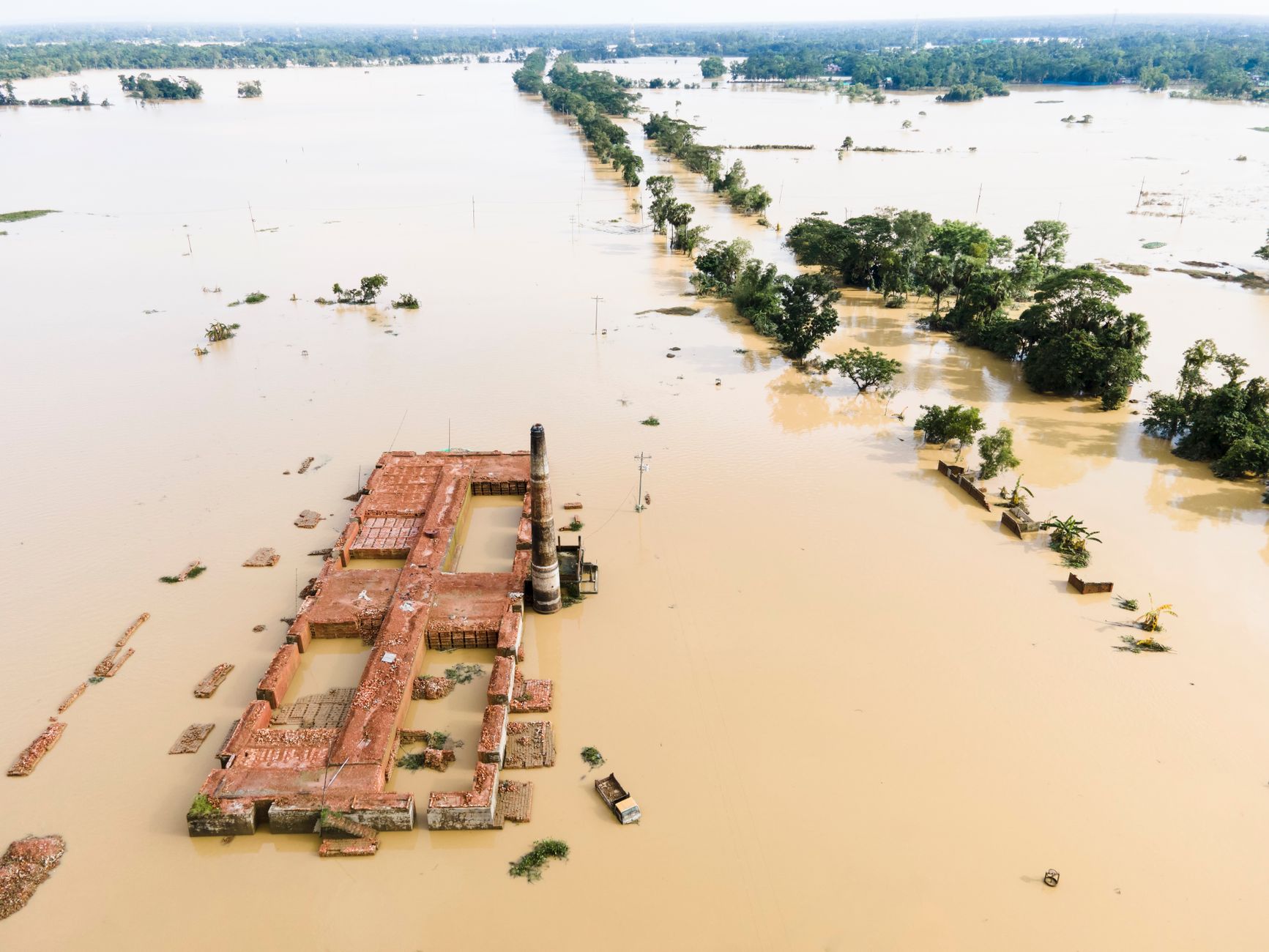
Global efforts to combat climate change are accelerating, with new rules strengthening carbon markets and promoting cleaner technologies like low-carbon ammonia and renewable fertilizers. Simultaneously, a stark warning from the UN Environment Programme confirms the world is already exceeding the critical 1.5°C warming limit, intensifying the need for immediate mitigation and adaptation. This comes as Nepal demands financial justice from major emitters following a devastating glacial flood, highlighting the growing legal obligations for climate accountability. As nations prepare for a hotter future, integrating sustainable solutions and collective action becomes paramount.
Tens of thousands rallied across Croatia, fueled by anger over tons of illegally dumped hazardous waste in the town of Gospic. For months, authorities have failed to clear the toxic materials, which include "forever chemicals" detected in groundwater, raising serious health and environmental fears. Protesters are demanding immediate cleanup plans and a ban on waste imports, highlighting the urgent need for environmental protection in the European Union country. This crisis underscores the critical importance of swift action to safeguard communities and nature from pollution.
New research from Oregon State and Portland State Universities reveals alarming levels of lead contamination near Hillsboro and Troutdale airports. This lead, traced back to fuel used by small aircraft, poses significant health risks, especially for children, where even low levels can cause irreversible cognitive decline. The findings highlight a critical environmental and public health concern that impacts communities surrounding thousands of small airports across the nation, underscoring the urgent need for cleaner aviation solutions.
Tesla has officially launched its groundbreaking Cybercab service in Austin, Texas, marking a significant step into the future of urban transportation. These fully autonomous vehicles are designed without traditional steering wheels or pedals, offering a completely new ride-hailing experience. This bold introduction has quickly garnered attention from the National Highway Traffic Safety Administration (NHTSA), which has opened an inquiry into Tesla's self-certification process. The agency aims to understand how this pioneering electric vehicle, lacking conventional manual controls, meets federal safety standards, highlighting the crucial scrutiny new, sustainable technologies face.
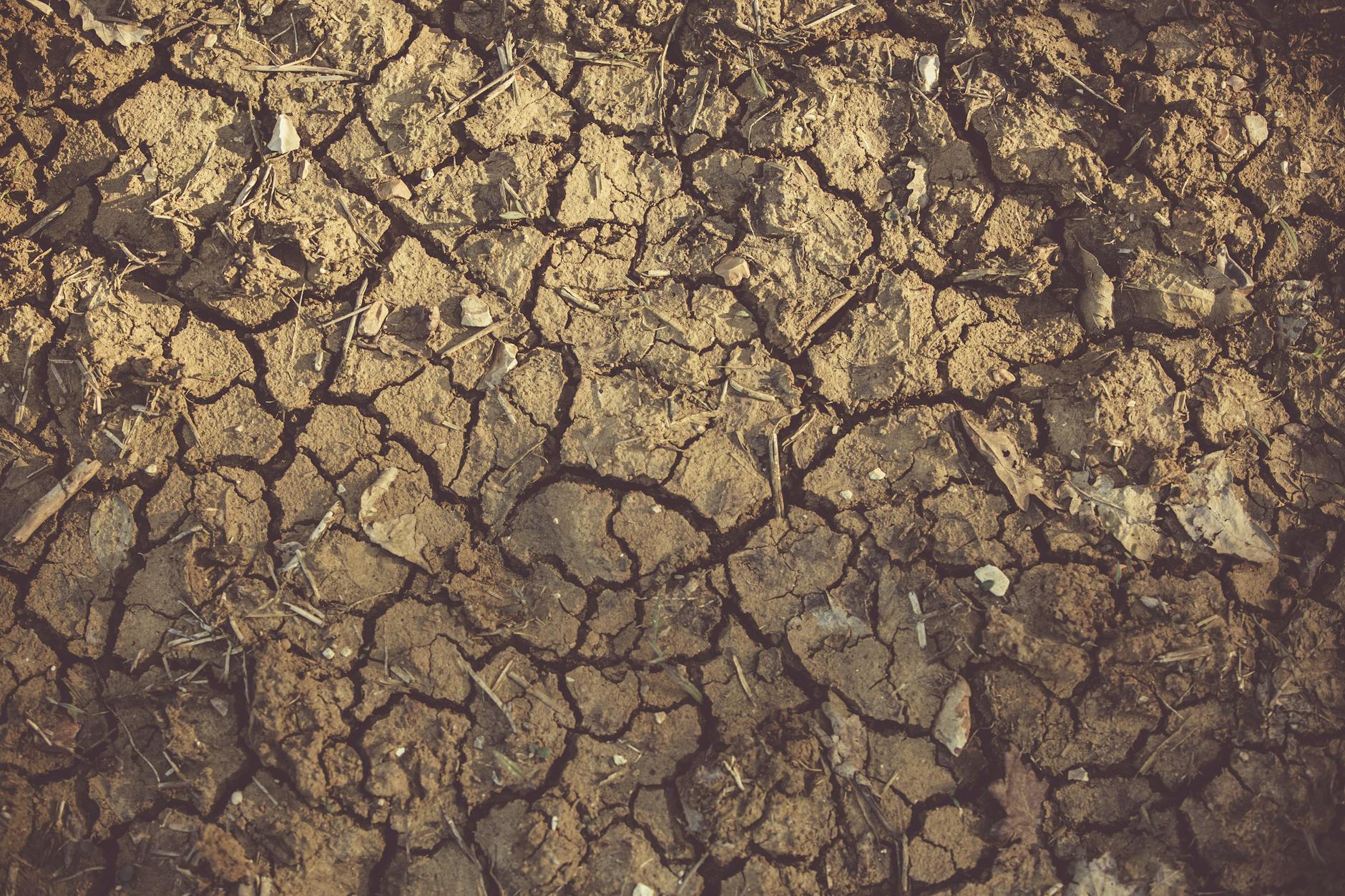
In an unusual move, a group of Colorado ranchers is taking a stand in a pivotal U.S. Supreme Court case, supporting a lawsuit that seeks to hold major oil companies accountable for climate change. These ranchers, facing severe drought and extreme heat, say their livelihoods are being destroyed by shifting weather patterns. Their testimony highlights the urgent, on-the-ground impacts of global warming, emphasizing how environmental changes threaten essential industries and communities across the American West. The outcome of this case could reshape how the fossil fuel industry is held responsible for climate damages.
A rare gray wolf has been spotted in Lake County, California, marking an exciting expansion for this endangered species. Wildlife officials confirmed the sighting, which is a hopeful sign for the wolves' return to their natural habitats in the state. This comeback highlights the crucial importance of conservation efforts and the delicate balance of our ecosystems. However, the federal protection status of these magnificent animals remains a subject of ongoing debate, underscoring the urgency of continued environmental action.
Tesla recently debuted its all-electric Cybercab in Austin, Texas, initiating unsupervised ride-hailing services. This innovative vehicle, completely lacking a steering wheel or pedals, represents a significant leap towards fully autonomous, sustainable transportation. Its groundbreaking design has naturally attracted attention from the National Highway Traffic Safety Administration (NHTSA), which has opened an inquiry into its certification process. This development underscores the rapid advancement of clean energy solutions and the crucial need for careful regulatory review as we transition to an electrified, driverless future.