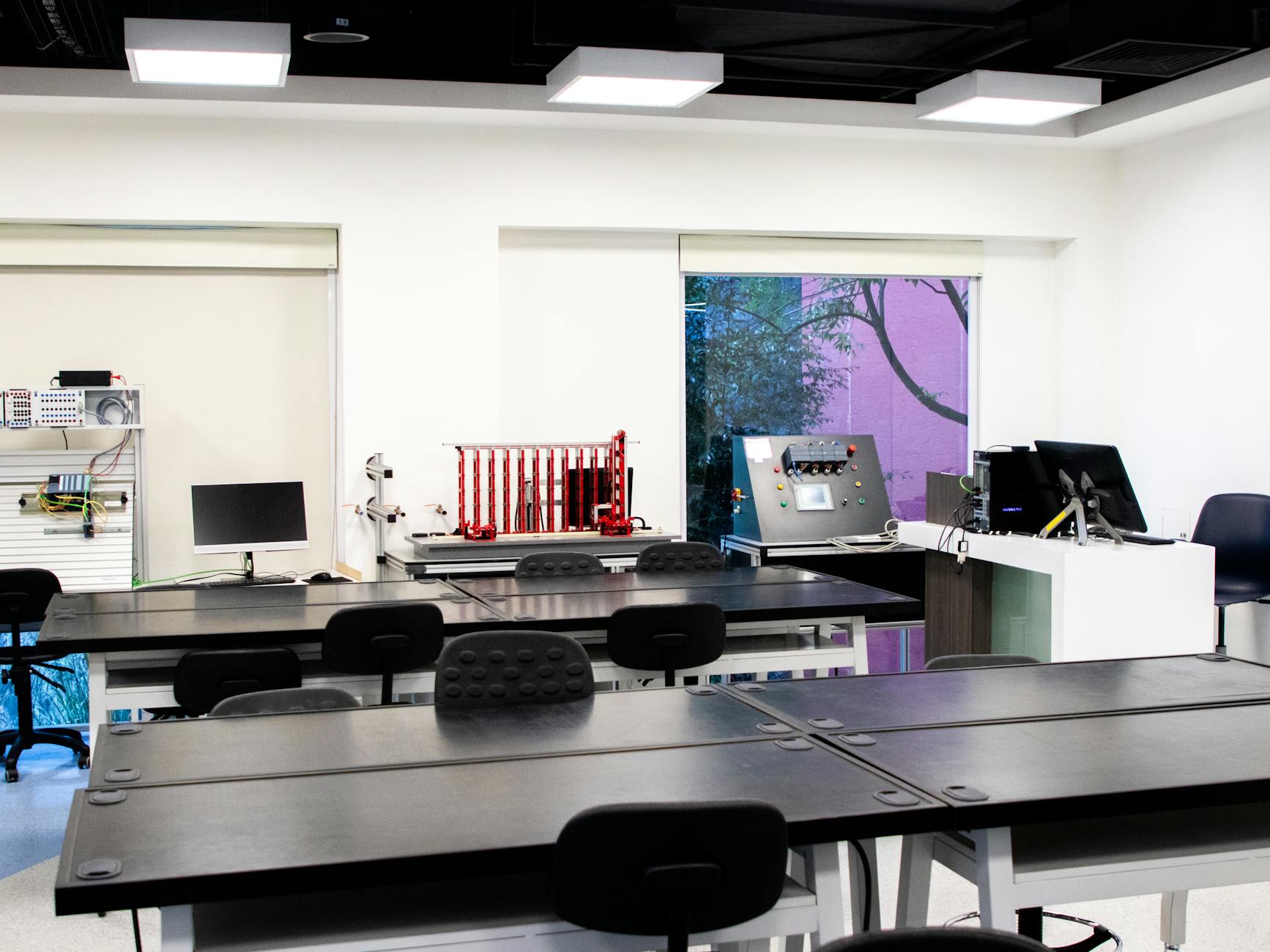
Canada is making a bold move, attracting 64 leading global scholars, including many from top U.S. institutions like Harvard and MIT, with $362 million in research funding. This initiative, part of a larger $1.2 billion investment, aims to boost Canadian universities and tackle critical global challenges. Researchers will focus on vital fields such as health, artificial intelligence, and crucially, the environment, seeking innovative solutions for a cleaner, more sustainable future. This contrasts sharply with recent funding cuts and policy shifts in other nations, underscoring Canada's commitment to scientific advancement and academic freedom.
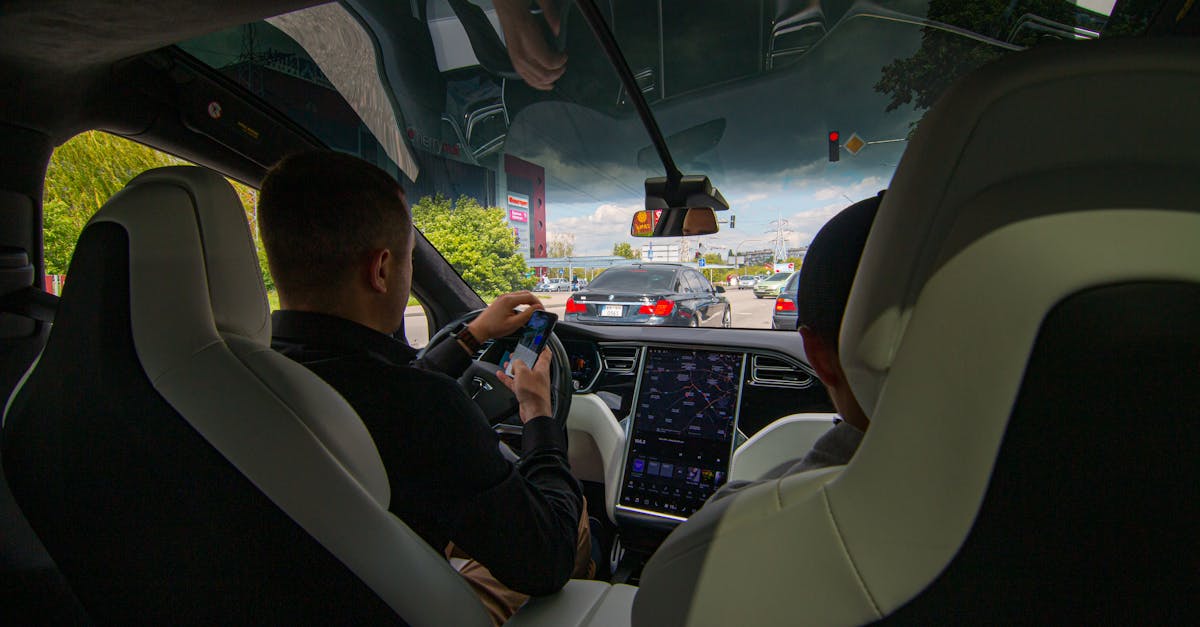
Tesla's innovative Cybercab, a fully driverless vehicle without a steering wheel or pedals, recently launched its ride-hailing service in Austin, Texas. This groundbreaking electric taxi aims to revolutionize urban transport by offering a quiet and smooth experience. CEO Elon Musk has now hinted at Europe being the next major market for the Cybercab, signaling a global expansion for this sustainable transportation solution. However, bringing this cutting-edge electrification technology across the Atlantic will require navigating complex European regulations.
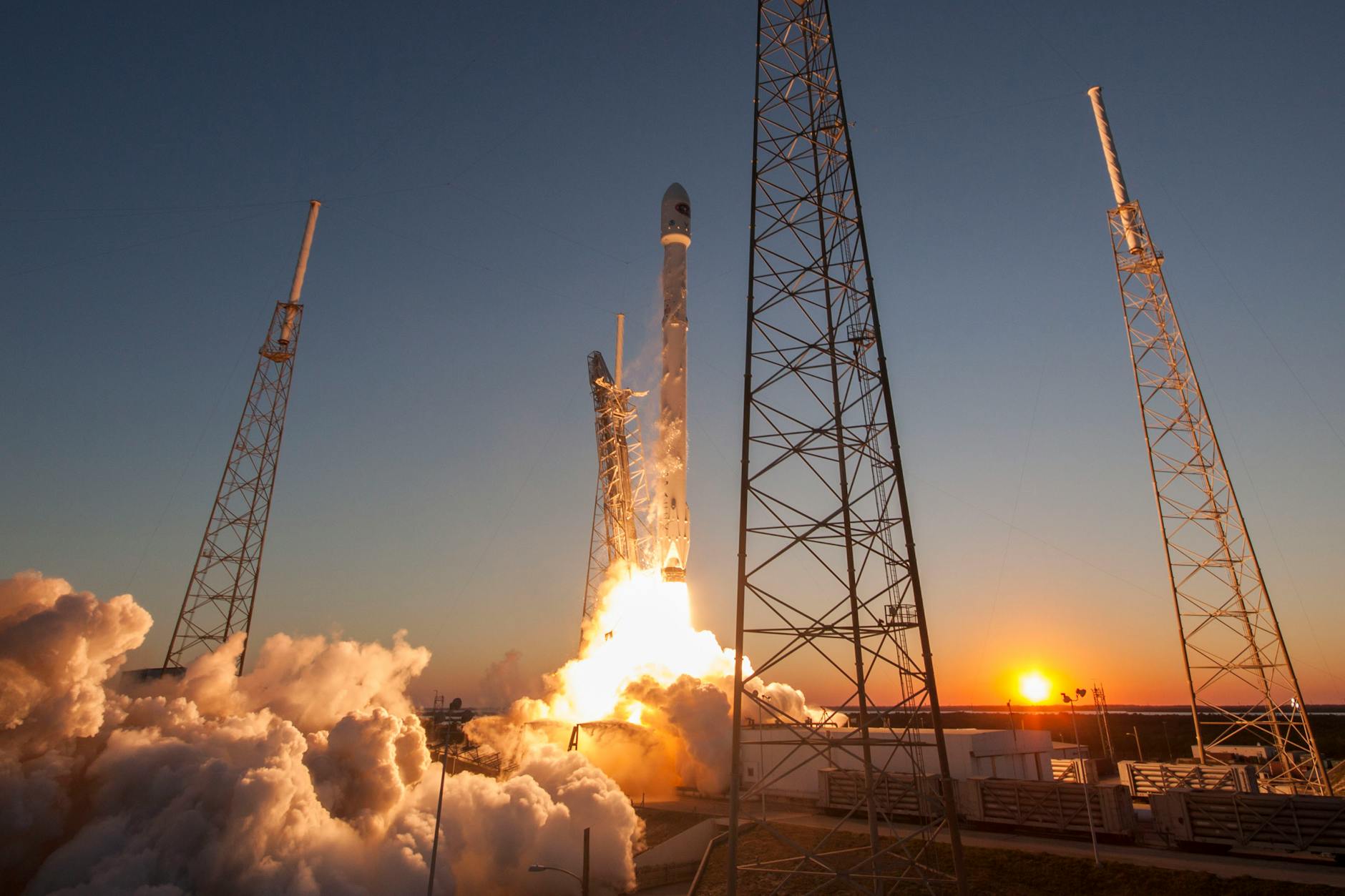
The early days of SpaceX were fraught with peril, as the company faced three consecutive rocket failures with its Falcon 1 vehicle. Running dangerously low on funds, the fourth launch attempt represented a do-or-die moment that would either secure the company's future or lead to its demise. This critical launch in September 2008 successfully placed a payload into orbit, a landmark achievement for a privately developed liquid-fueled rocket. This singular triumph was not just a win for SpaceX; it became the foundation for everything from Falcon 9 to Starlink, fundamentally reshaping access to space and igniting a new era of exploration.
Tesla's all-electric Cybercab recently rolled out for paid rides in Austin, marking a notable step for autonomous, sustainable city transport. Just days after its launch, Tesla began surveying early passengers, seeking crucial feedback on their experience. This rapid request for input highlights Tesla's unique strategy of treating users as active collaborators in refining its advanced electric vehicles. The company is gathering detailed opinions on everything from seat comfort to desired new features, aiming to swiftly evolve the Cybercab into an even more appealing and efficient option for future mobility.
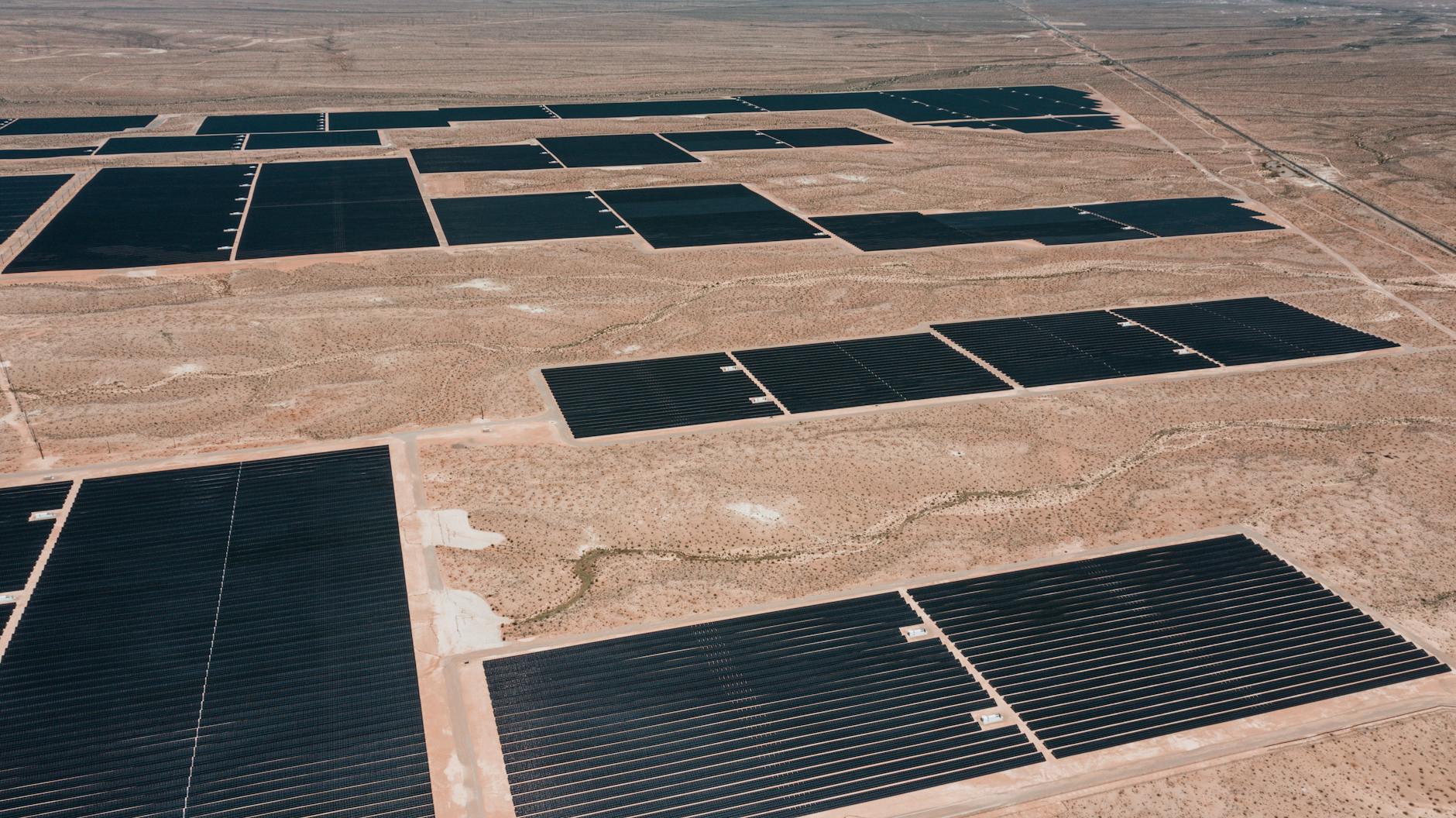
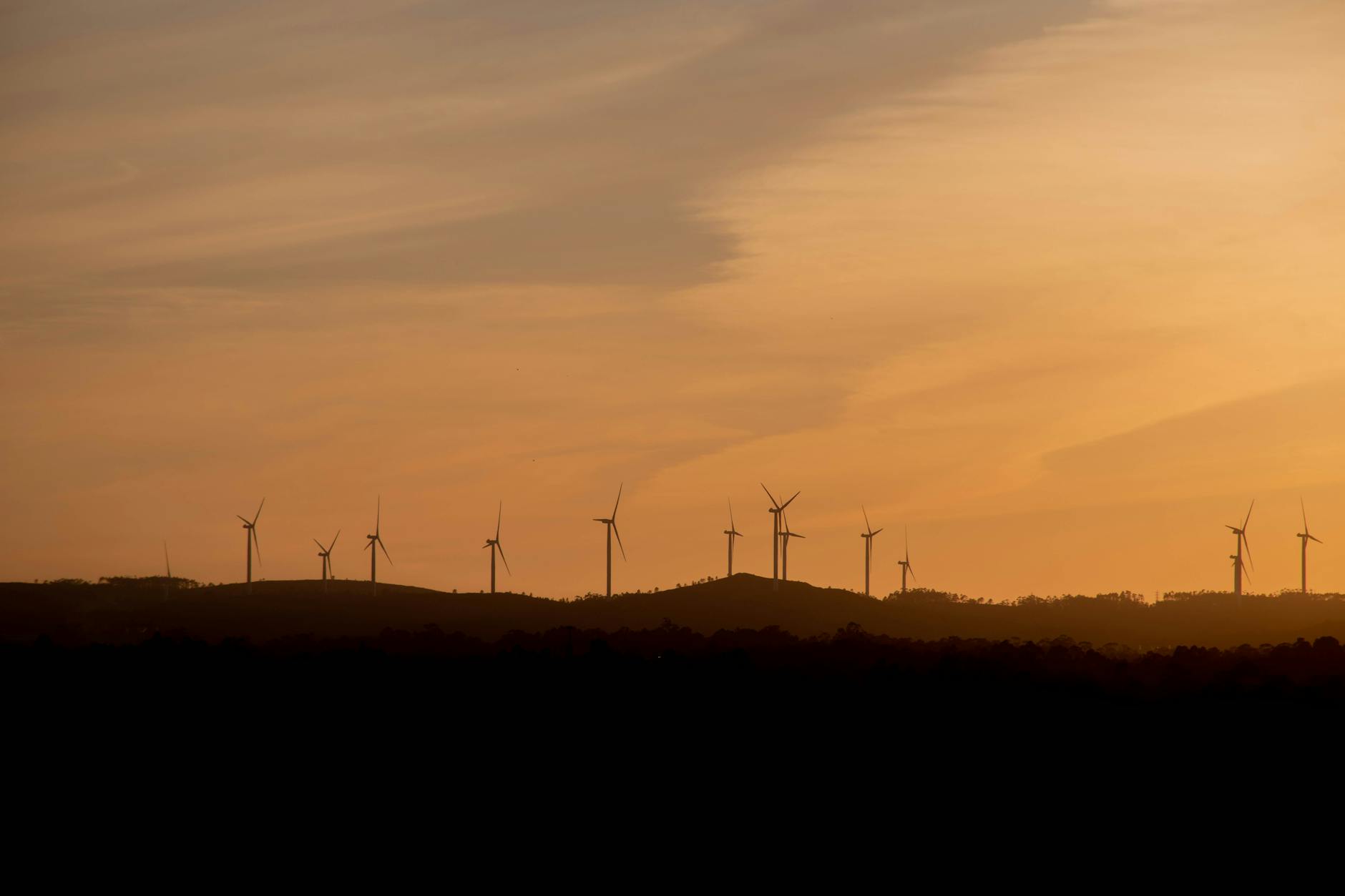
Cypress Creek Energy has activated its 104-megawatt Ostrea Solar project in Washington, a significant step toward boosting clean energy in the region. This new solar farm, backed by a long-term agreement with Microsoft, will provide renewable electricity as the state's economy and electricity demands rapidly grow. The project not only expands Washington's sustainable energy infrastructure but also champions environmental protection and brings substantial economic benefits to local communities, setting a new standard for green development.
The era of cheap carbon credits might be drawing to a close as a new report suggests future demand for high-quality credits could soon outpace supply. After a period of price pressure and concerns over credit quality, the voluntary carbon market is poised for a significant transformation. This shift means companies striving for net-zero emissions may face higher costs and tougher competition to secure credible offsets. Understanding these evolving dynamics is crucial for effective climate action and achieving ambitious sustainability goals.
The United Kingdom is investing £400 million ($541 million) in Brazil's Tropical Forests Forever Facility (TFFF). This significant loan aims to transform tropical forest conservation into a sustainable financial asset, marking a new approach to climate finance. Unlike traditional grants, this repayable investment highlights a shift towards economically viable solutions for global warming. This crucial funding helps the TFFF reach its ambitious goal of securing $10 billion to protect vital ecosystems. It underscores the urgent need to preserve these natural carbon sinks for the health of our planet.
In Georgia, the brutal summer heat brings a hidden danger: frequent electricity disconnections for thousands of households. As temperatures soar, many families struggle with rising power bills, leading to shutoffs that leave homes stifling and unsafe. Georgia Power, the state's largest utility, reports some of the highest disconnection rates nationally, a problem exacerbated by increased energy costs and the growing demand for air conditioning. This crisis highlights the urgent need for sustainable solutions and support, especially as climate change promises even hotter summers, making access to cooling a matter of health and survival.
A clandestine global trade in donkey skins is driving immense animal suffering, posing serious public health risks, and pushing donkey populations towards collapse. This illicit network operates in the shadows, often linked to organized crime and environmental contamination. With millions of donkeys slaughtered annually, experts warn that unchecked demand could lead to the extinction of this vital species, highlighting an urgent need for global action to protect animals and planetary health.
Extreme heat and prolonged droughts, intensified by climate change, are making headlines for surface water shortages. However, a deeper, less visible crisis is unfolding underground: our groundwater supplies are warming. Scientists predict a global temperature increase of 2.1°C in groundwater by century's end, altering its chemistry and leading to contamination. This urgent environmental issue threatens the quality and safety of the water vital for billions, highlighting the critical need for climate action and sustainable solutions to protect our most valuable hidden resource.
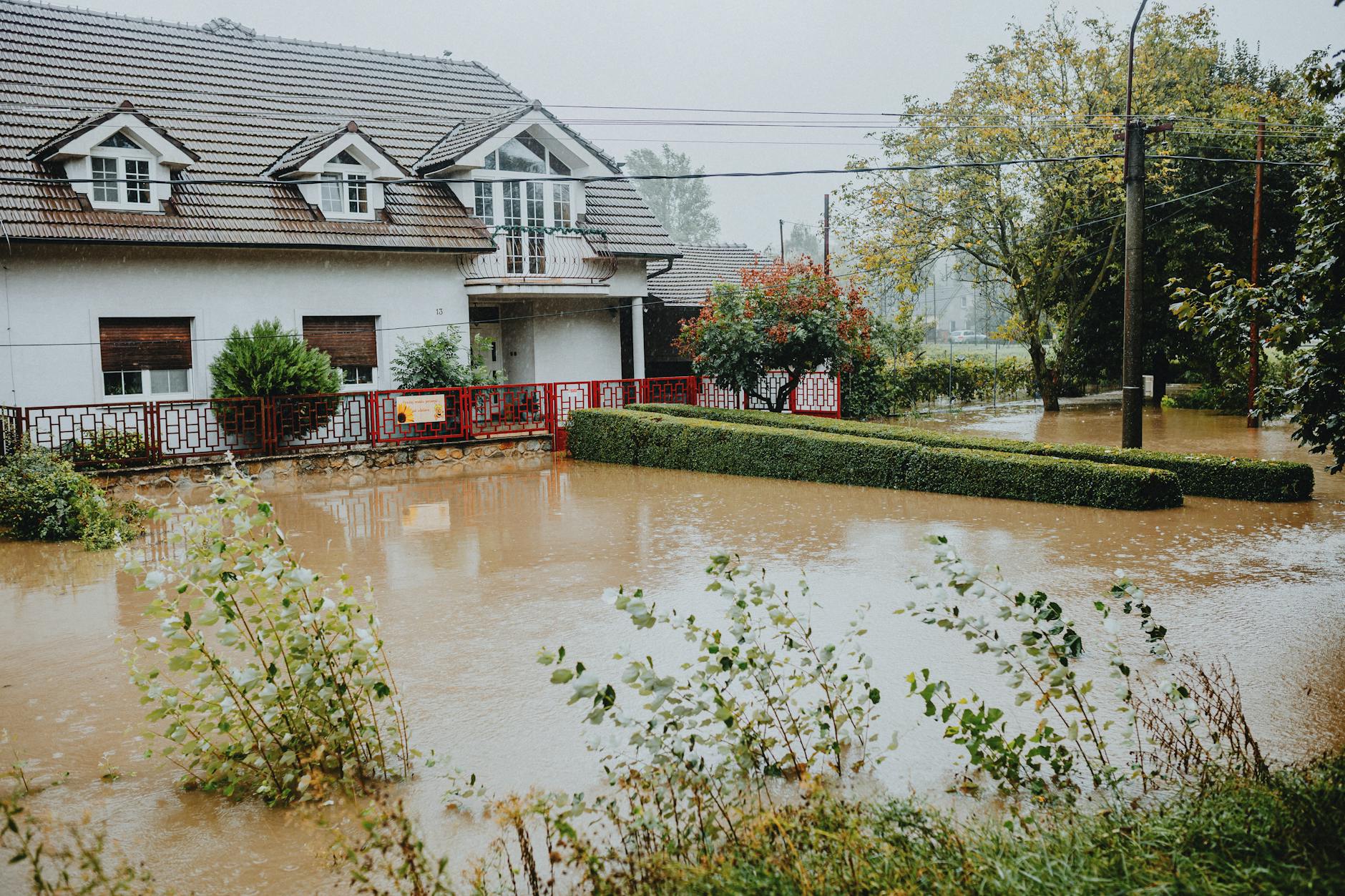
Torrential floods, like those that recently swept through central Texas, are becoming more frequent and severe due to our changing climate. These disasters disproportionately impact residents in manufactured homes, which are often situated in vulnerable floodplains. While these homes offer affordable housing, outdated zoning laws and the high cost of rebuilding often force families back into harm's way or leave them with no safe options. Addressing these challenges is crucial for climate resilience and social equity.
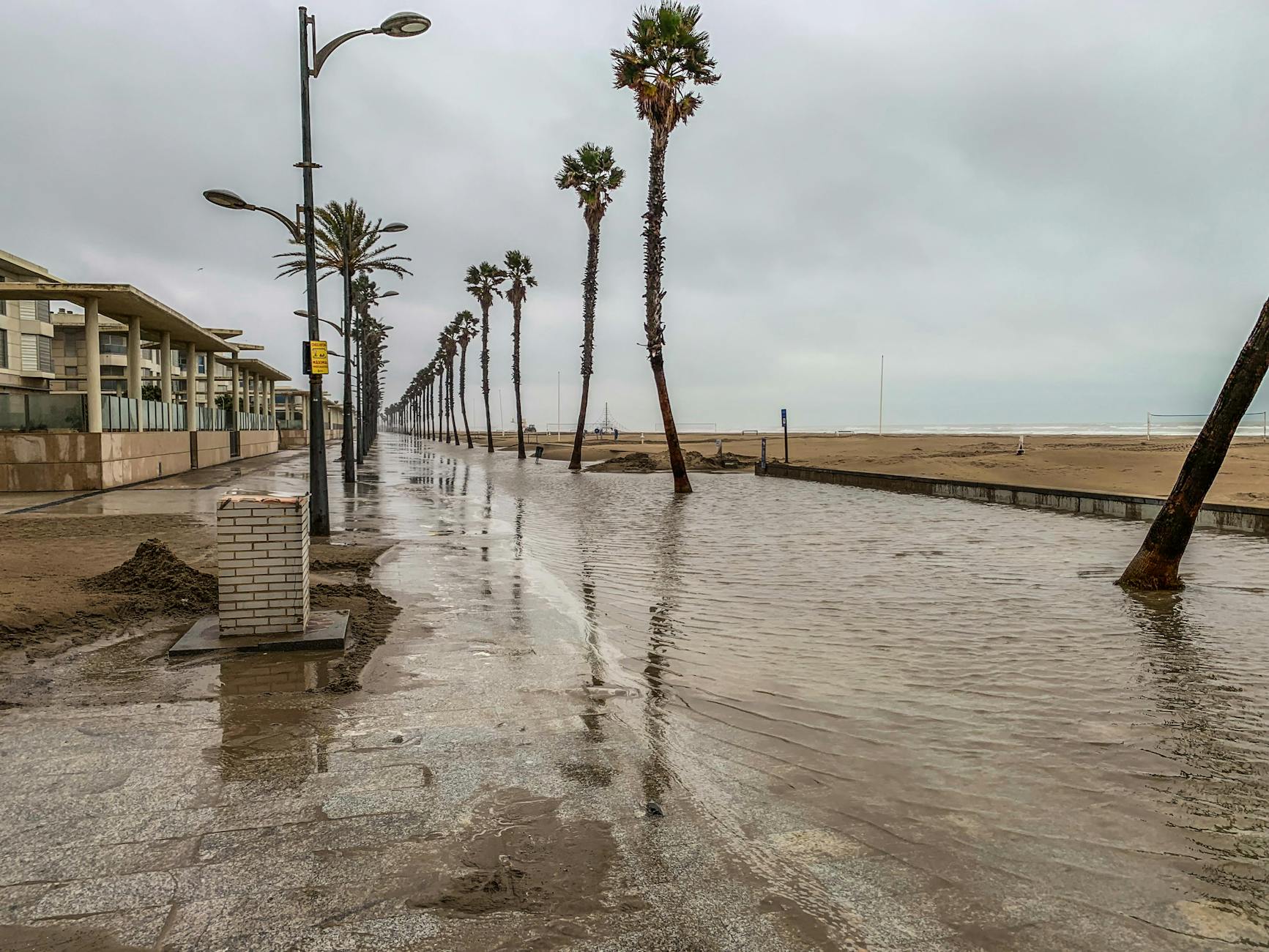
Los Angeles is bracing for a severe heat wave and high humidity, just as the region recovers from significant coastal flooding, heavy rain, and dangerous surf caused by the remnants of Tropical Storm Marie. Temperatures are predicted to soar 10 to 20 degrees above normal, reaching nearly 100 degrees along the coast and over 105 inland, with little relief at night. This unusual combination of extreme weather highlights the increasing vulnerability of coastal communities to climate impacts, intensified by factors like a lingering ocean heat wave and the impending "super" El Niño. Residents are urged to take precautions against both heat stress and hazardous ocean conditions.