The U.S. biofuel credit market is experiencing a significant upheaval following recent announcements from the Environmental Protection Agency (EPA). Prices for crucial ethanol and biomass-based diesel credits have sharply fallen, signaling instability. This downturn stems from the EPA's decision to extend a compliance deadline and its plan to rule on numerous small refinery exemption requests. The move threatens the financial incentives for renewable fuel use, potentially slowing the shift away from fossil fuels. The situation highlights how federal policy directly shapes the economic landscape for sustainable energy solutions in the fight against climate change.
Climate change is no longer just a long-term sustainability concern for businesses; it's a direct and immediate hit to their bottom line. Recent earnings calls reveal how unpredictable weather, crop diseases, and logistical hurdles are driving up costs for major companies, from chocolate makers to coffee roasters. This shift means climate-linked risks are showing up as real financial problems, pushing businesses and investors to recognize the urgent need for action and adaptation in a rapidly changing world.
Nepal is reeling from a devastating flash flood, unleashed by an avalanche of ice and rock, which has left at least eight people dead and hundreds missing. Villages, roads, and vital hydropower projects have been swept away by the sudden surge of water from the Bhotekoshi River. This catastrophe highlights the increasing vulnerability of the Himalayan region, which is warming at an alarming rate due to human-caused climate change. Experts point to rapidly melting glaciers as a key factor behind the rising frequency of such extreme weather events. The incident underscores the critical and urgent need for global environmental action.
California lawmakers are quickly addressing critical bills shaping the state's energy and environmental future as the legislative session nears its close. These include debates over climate project funding, utility wildfire protection, and streamlining environmental reviews, all against a backdrop of federal efforts to weaken the state's green initiatives. Amid this rush, California is pushing back to protect its coastal waters, clean air, and accelerate the transition to sustainable solutions like community solar and home energy devices. The outcomes of these last-minute decisions will significantly impact climate action and the daily lives of Californians for years to come.
Home gardeners often face challenges from a changing climate, with intense storms flooding beds and dry spells parching soil. But there's a simple, natural solution gaining traction: cover crops. These special plants, not grown for harvest, are key to building healthy, nutrient-rich soil that can better withstand extreme weather. By embracing this sustainable practice, gardeners can create more resilient ecosystems right in their own backyards, fostering environmental well-being even as global warming intensifies.
Our planet's oceans have just reached their highest temperature ever recorded, hitting a startling 70 degrees on August 22. This alarming milestone, tracked by Europe's Copernicus agency, marks a significant moment as a powerful El Niño event adds to decades of human-driven global warming. Scientists warn that these soaring ocean temperatures are not just a number; they heighten risks to vital marine ecosystems and coastal communities. This record heat further contributes to rising sea levels and intensifies extreme weather, underscoring the urgent need for climate action.
The digital world runs on semiconductors, from the latest AI breakthroughs to electric vehicles. As demand for these crucial components skyrockets, so does the pressure on chipmakers to address their environmental impact. Producing chips is incredibly energy-, water-, and chemical-intensive, contributing significantly to global carbon emissions. Customers, regulators, and investors are now demanding transparency and action, making sustainability not just an ethical choice but a critical business requirement for the future.
New York's power grid is increasingly strained, struggling to meet demand during intense heatwaves that are becoming more frequent. This has led to power outages and calls for conservation, revealing a critical vulnerability. The challenge stems from rising electricity use—driven by climate change, new technologies, and a reliance on outdated infrastructure—threatening potential supply shortfalls. Addressing this urgent situation requires a rapid shift to clean, sustainable energy sources to ensure reliable power and protect public health.
A new study by the C.D. Howe Institute reveals that Alberta's industrial carbon price, known as TIER, has had a surprisingly minor effect on oil sands production costs, averaging just C$0.34 per barrel in 2023. While headline carbon prices are set to rise significantly, the unique structure of the TIER system, with its benchmarks and credits, means direct cost increases for producers remain small. This raises important questions about whether the current pricing system can effectively drive the substantial emissions reductions needed from an industry that remains Canada's largest source of greenhouse gas pollution, making up 30% of national emissions. The urgency for climate action remains high, demanding clear incentives for sustainable solutions.
A Florida community, the University Area near Tampa, was set to receive a $15 million federal grant to tackle severe pollution and flooding worsened by climate change. This vital funding, intended for projects like restoring contaminated ponds, improving flood control, and ensuring clean drinking water, aimed to address decades of environmental neglect. However, the Trump administration abruptly canceled the program in May 2025, leaving residents in limbo. This decision has stalled crucial efforts to build a healthier, more resilient future for a community disproportionately affected by environmental degradation and climate impacts.
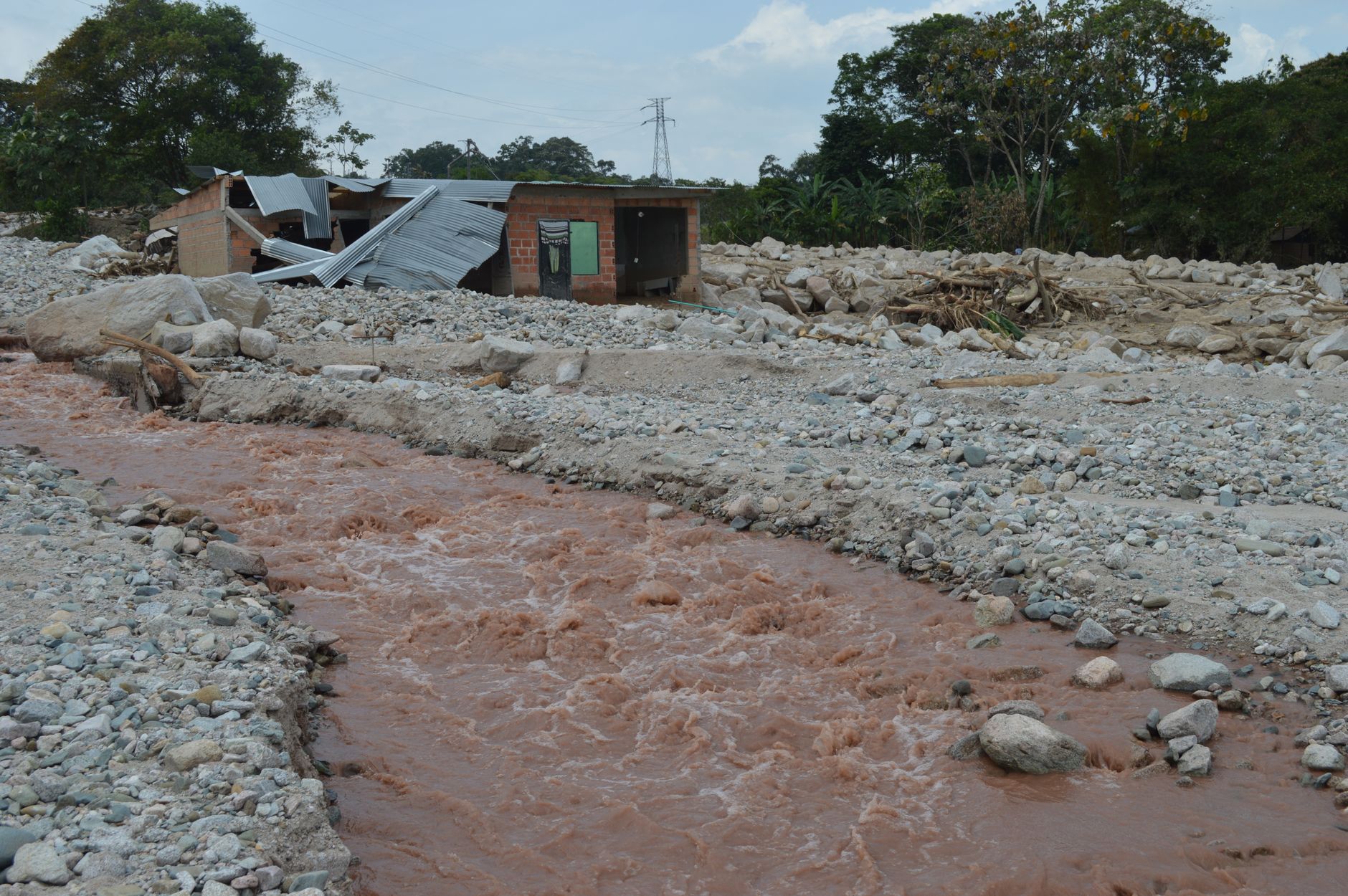
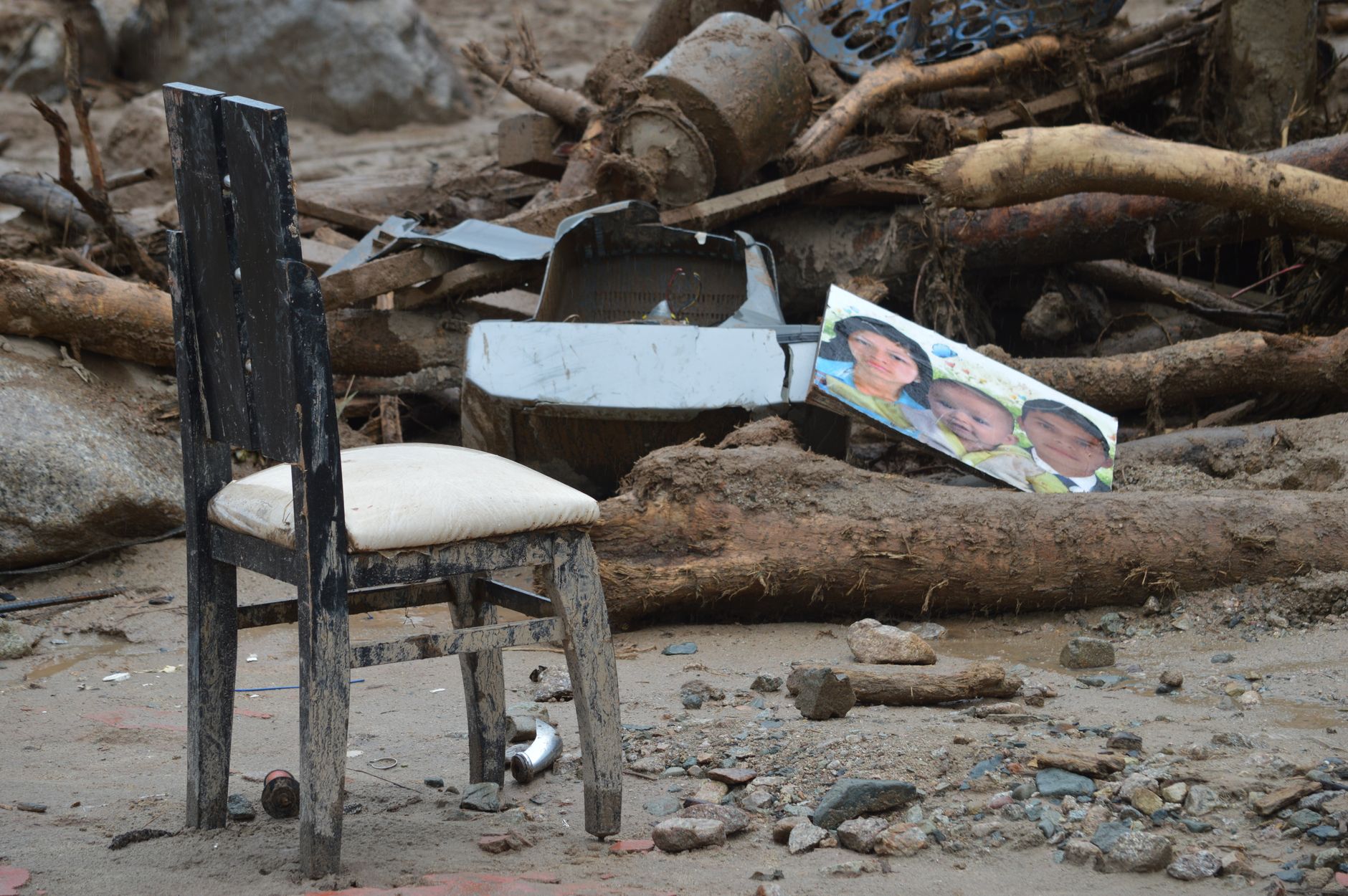
Massive flash floods have tragically swept through Nepal, claiming at least 22 lives and leaving hundreds of tourists, pilgrims, and workers missing across the Himalayan nation. The sudden surge of water, possibly triggered by an ice rock avalanche from a glacier, devastated communities and infrastructure, prompting international rescue efforts. This devastating event underscores the critical vulnerability of the Himalayan region, which is warming at an accelerated pace due to global climate change, making such extreme weather events more frequent and dangerous. Urgent action is needed to address the escalating climate crisis and protect these fragile ecosystems and their inhabitants.
Breathing dirty air harms children's health, impacting their developing lungs and cognitive abilities. However, new studies from London and New York City offer a beacon of hope: targeted clean air policies can effectively reverse this damage. These findings underscore the critical importance of environmental action, demonstrating that reducing pollution creates tangible, positive changes for the next generation. Cities can become healthier, safer places where children can thrive, proving the power of sustainable solutions.