The U.S. Department of Defense is investing in a groundbreaking technology: beaming solar power from space. Virginia-based startup Overview Energy recently secured a contract to develop a crucial ground-based beacon for its orbital solar system. This innovative approach aims to provide reliable, clean electricity to remote military bases, reducing their reliance on vulnerable fuel supply lines. As solar power rapidly expands on Earth, this initiative marks a bold step towards advanced electrification and greater energy independence, potentially revolutionizing how we access sustainable energy.
Environmental groups and concerned citizens rallied in Harrisburg, Pennsylvania, pushing for stricter regulations on natural gas fracking. They urge state regulators to significantly increase the protective buffer zones between gas wells and residential areas, schools, and water sources. This push comes amidst growing demand for natural gas to power new AI data centers, raising serious environmental and health concerns for communities. The advocates stress the critical need for immediate action to safeguard public health and the environment from expanding fossil fuel operations, which worsen climate change.
Europe has marked a significant step forward in its fight against climate change and widespread soil degradation. The European Soil Revitalization Programme, covering farms in France and Belgium, has issued the world's first carbon credits under the rigorous Gold Standard Soil Organic Carbon (SOC) Framework Methodology. This milestone, announced by South Pole, Gaïago, and Gold Standard, addresses the alarming statistic that up to 70% of EU soils are unhealthy, costing billions annually. By rewarding farmers for adopting regenerative practices, this initiative promises to boost soil health, enhance biodiversity, and capture atmospheric carbon, paving the way for a more sustainable agricultural future across the continent.
The Boring Company is making big moves, signing an agreement with Abu Dhabi to explore advanced underground transport and utility tunnels. This new venture, alongside a significant expansion in Nashville, aims to tackle urban congestion and redefine city infrastructure. By moving essential services and transport beneath the surface, these projects promise more efficient, sustainable urban environments. It’s a vision for the future, where cities can grow smarter and greener, reducing reliance on surface roads and promoting cleaner, faster travel.
The construction of a new double border wall along the Arizona-Mexico border is sparking widespread protests and urgent environmental concerns. Activists are staging tree-sits to protect ancient cottonwood trees and crucial wildlife corridors, which are vital for species like jaguars, ocelots, and the federally protected Yellow-billed Cuckoo. This construction, allowed by waivers overriding environmental laws, threatens sensitive ecosystems and highlights a critical need for sustainable solutions that prioritize natural habitats over divisive infrastructure. The escalating conflict underscores the urgent need to protect biodiversity in borderlands.
A groundbreaking step in climate action has been taken as Verra, a leading carbon credit standard, approved the first-ever carbon credits for reducing food loss and waste. This innovative move means that efforts to rescue surplus food can now receive financial support from carbon markets. The initial credits, stemming from the Brightly project, represent significant avoided methane emissions, a powerful greenhouse gas. This new pathway not only tackles climate change but also helps feed people, highlighting a crucial link between sustainability and social good. It emphasizes the urgent need to address overlooked sources of global warming.
Montgomery County, Indiana, recently rejected a major solar energy project, controversially classifying it alongside "undesirable" land uses like adult businesses and junkyards. This decision highlights a growing challenge for clean energy across the U.S.: local opposition often driven by misinformation and unfounded concerns. Despite the project's potential to bring significant investment, tax revenue, and clean power for thousands of homes, local officials were swayed by community fears. This setback underscores the urgent need to address local barriers if we are to transition to sustainable energy and tackle global warming effectively.
A significant portion of the UK's cultivated land is losing its natural vitality, with many arable soils struggling from a severe lack of organic carbon. This degradation cripples the soil's ability to absorb water, leading to a dangerous cycle of increasingly dramatic droughts and floods across the country. As weather patterns become more erratic due to climate change, the weakened soil acts less like a sponge, exacerbating the impacts. Fortunately, new research shows that by focusing on the hidden microbial life in our soils, we can begin to reverse this damage and build more resilient landscapes.
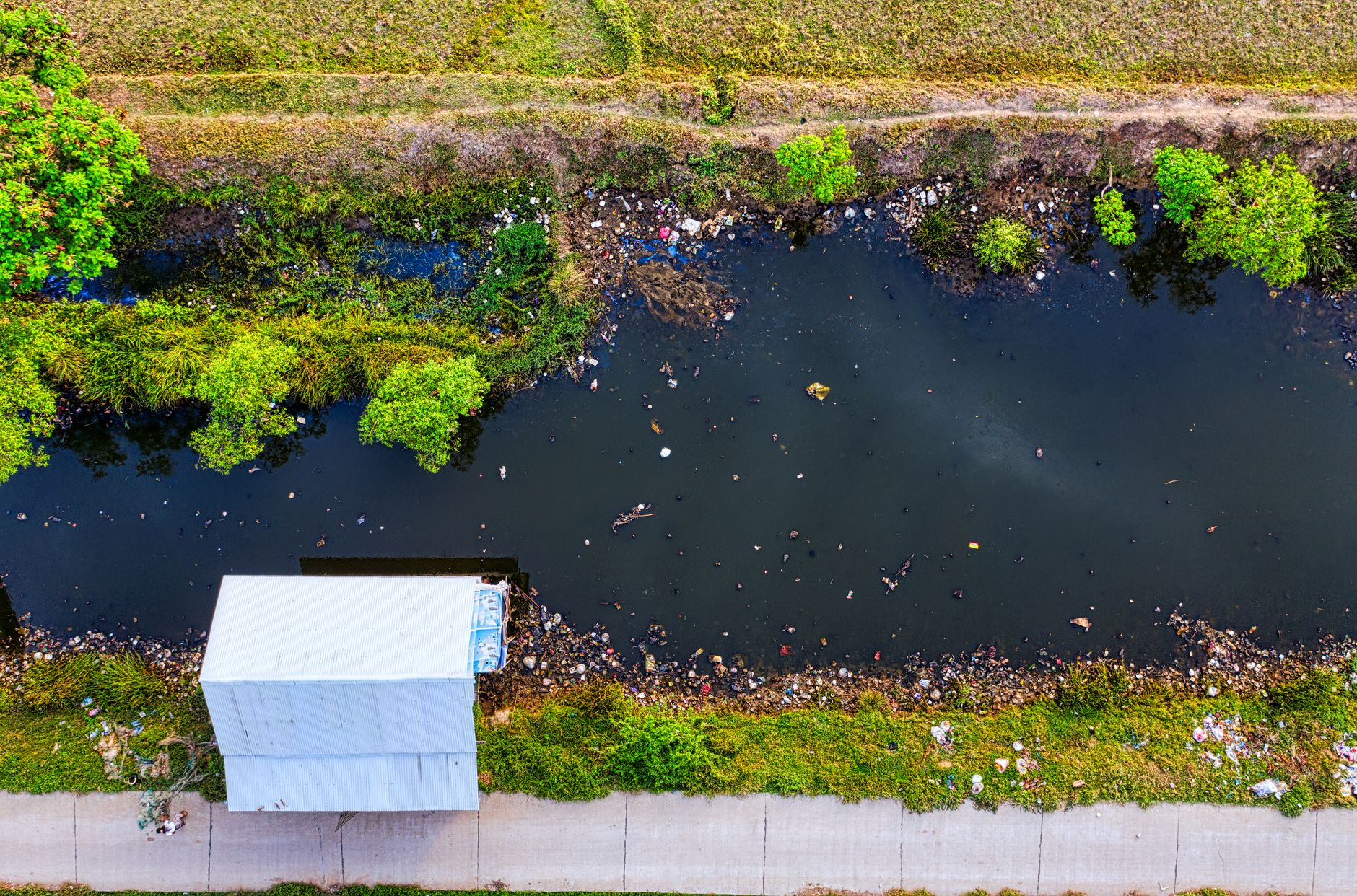
For over six months, Joint Base Andrews has been struggling with a persistent jet fuel leak into Piscataway Creek, raising serious environmental alarms. Despite assurances from the base, Maryland regulators report that fuel continues to seep into the waterway, especially after heavy rains. This ongoing contamination threatens the ecological health of the creek, which flows into the Potomac River, a vital natural resource for recreation and wildlife. State officials are expressing deep concern over the lack of clear information and the base's slow progress in containing and remediating the spill, underscoring the urgent need for decisive environmental action.
The global silver market is poised for a significant shift, with Deutsche Bank forecasting a move from a physical shortage in 2026 to a surplus by 2027. This dramatic reversal, which could see prices average around $70 an ounce in early 2027, is largely driven by rising inventories and changing industrial demands. Crucially, innovations in solar panel technology are enabling the renewable energy sector to reduce its reliance on silver, signaling a positive step towards more sustainable resource use in clean energy development.
Keurig Dr Pepper, a major coffee pod maker, has launched a new product designed to dramatically cut down on single-use waste. Called AltaRounds, these innovative coffee portions are plastic-free, made from compressed coffee wrapped in a coating derived from seaweed. This development is crucial as billions of traditional coffee pods contribute significantly to landfill waste each year, posing a global environmental challenge. The new AltaRounds offer a home-compostable solution, allowing consumers to dispose of them just like regular coffee grounds, moving us closer to more sustainable daily routines.
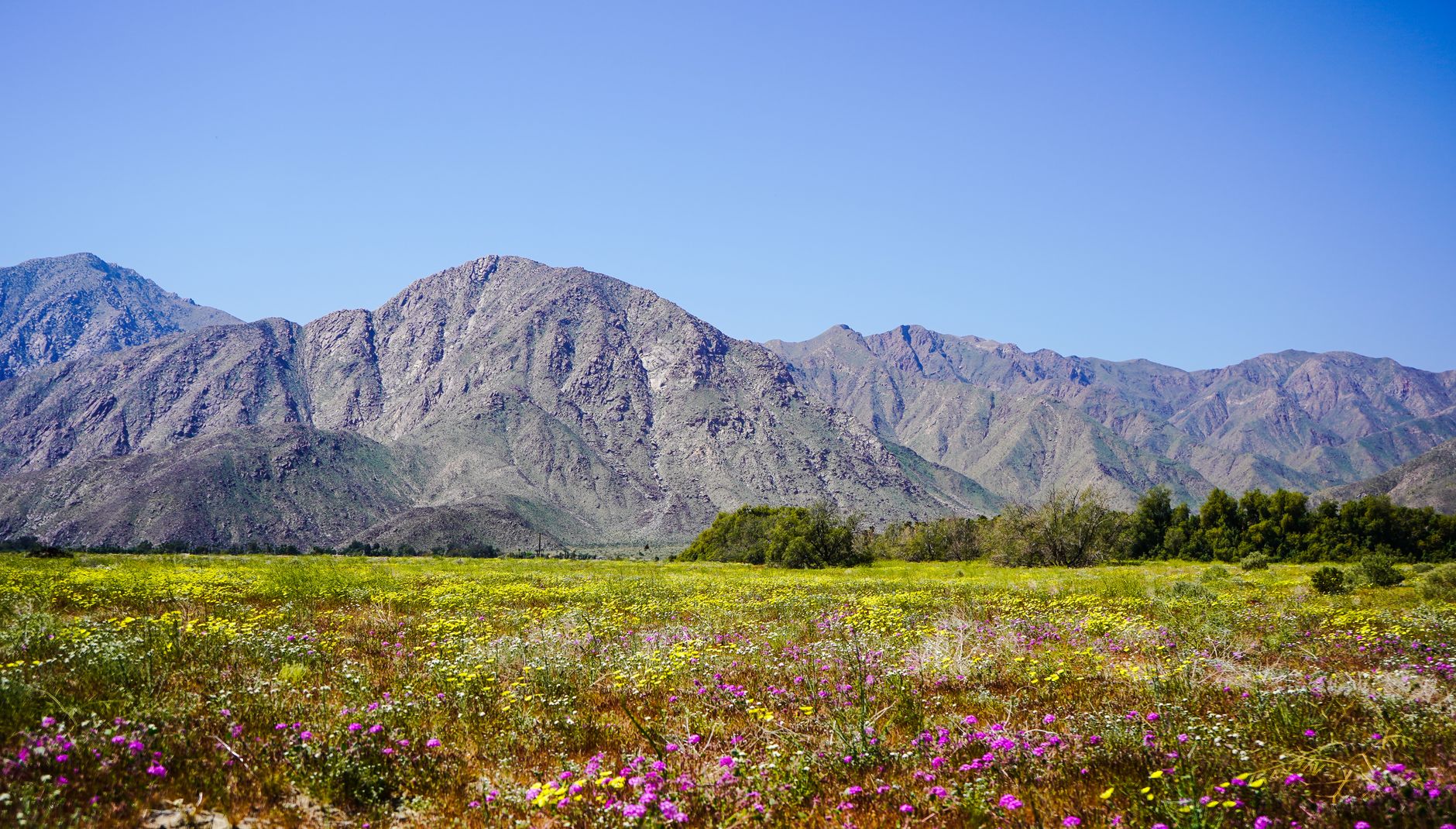
The Atacama Desert, famously the world's driest nonpolar desert, is currently ablaze with a historic 'flowering desert' phenomenon. This vibrant spectacle, unseen by many for decades, is the result of unusually heavy rains brought by a powerful El Niño weather pattern earlier this year. Millions of long-dormant seeds and bulbs have awakened, transforming the arid landscape into a colorful tapestry of over 200 plant species. While El Niño events are natural, their increasing intensity points to a warming climate, making this beautiful bloom a striking reminder of nature's resilience and the dramatic shifts occurring globally.