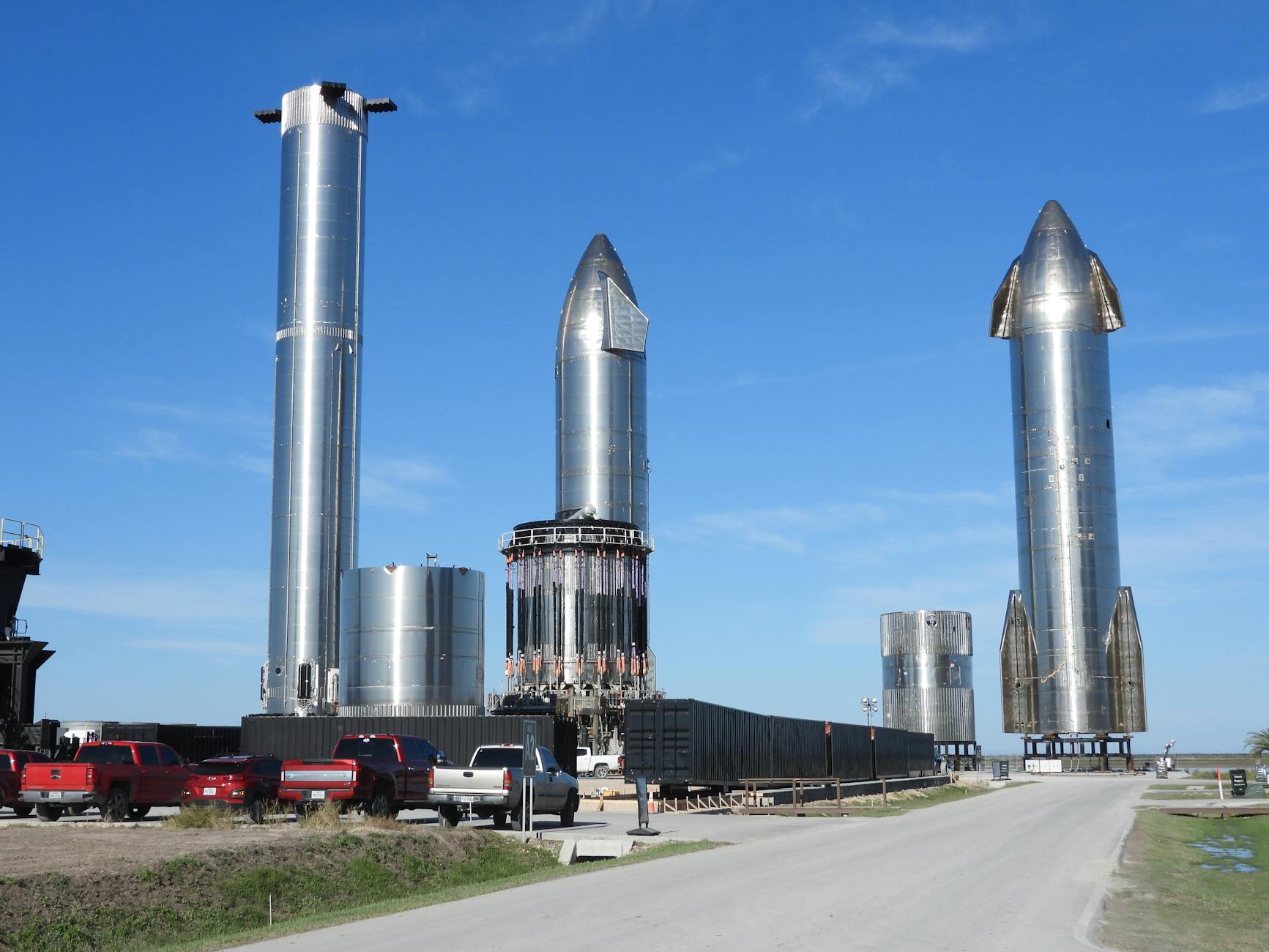
SpaceX's recent public debut has quickly become a high-stakes arena, drawing intense debate and record short interest from investors. Despite a soaring initial valuation, the stock has seen significant volatility, sparking warnings from CEO Elon Musk and venture capitalist Chamath Palihapitiya. Their caution echoes the early days of Tesla, where similar aggressive bets against the company proved costly for short sellers. With its first earnings report now out, the future direction of SpaceX's stock, and its ambitious Starlink and AI ventures, remains a hotly contested topic.
Venture capitalist Chamath Palihapitiya has issued a stark warning to investors betting against SpaceX, drawing parallels to Tesla's challenging early days. Since its record-breaking June IPO, SpaceX shares have seen significant volatility and a dramatic rise in short interest. Both Palihapitiya and CEO Elon Musk suggest these short sellers could face the same fate as those who bet against Tesla. Despite a reported net loss, SpaceX's first public earnings showed strong revenue growth, fueling a high-stakes debate over its ambitious future valuation and the risks for short-term investors.
Residents of Boyle Heights are grappling with a severe public health crisis following a warehouse fire, leaving behind millions of pounds of rotting food. The operator, Lineage, estimates a cleanup cost of up to $100 million, while facing intense pressure from air quality regulators and the community. Thousands of odor complaints and numerous violations highlight the urgency of the situation, as local leaders and residents demand immediate and comprehensive action to protect public health and the environment.
Enhanced Rock Weathering (ERW) holds immense promise for removing carbon dioxide from our atmosphere, a critical step in addressing climate change. Yet, finding the ideal locations for these projects and verifying their effectiveness has traditionally been slow and costly, creating a major bottleneck. AEROC, a new startup, is changing this by using advanced satellite imagery and artificial intelligence. Their innovative approach slashes site selection costs by up to 95%, making this vital carbon removal technique far more accessible and efficient. This breakthrough accelerates our ability to harness nature-based solutions for a healthier planet.
Venture capitalist Chamath Palihapitiya has issued a stark warning to investors betting against SpaceX, drawing parallels to Tesla's challenging early days. Since its record-breaking June IPO, SpaceX shares have seen significant volatility and a dramatic rise in short interest. Both Palihapitiya and CEO Elon Musk suggest these short sellers could face the same fate as those who bet against Tesla. Despite a reported net loss, SpaceX's first public earnings showed strong revenue growth, fueling a high-stakes debate over its ambitious future valuation and the risks for short-term investors.
Elon Musk announced that SpaceX has overcome Starship’s most significant engineering obstacle: the reliability of its heat shield tiles. During the company’s first-ever Earnings Call, Musk declared the problem "solved." This breakthrough is crucial because the heat shield protects the massive spacecraft from extreme reentry temperatures, making rapid and frequent reusability possible. Solving this long-standing issue paves the way for Starship to achieve its ambitious goals of frequent launches, satellite deployments, and deep-space missions, marking a pivotal moment for future space travel.
A new report from the Carbon Drawdown Initiative sheds light on the surprisingly small yet impactful workforce dedicated to removing carbon dioxide from our atmosphere. Their portfolio alone has employed nearly a thousand people and successfully removed over 800,000 tonnes of CO2. This effort represents a significant step towards global climate goals, with more than half of these companies already delivering verified carbon removal. As the planet faces increasingly urgent climate challenges, this burgeoning industry plays a vital role in building a sustainable future.
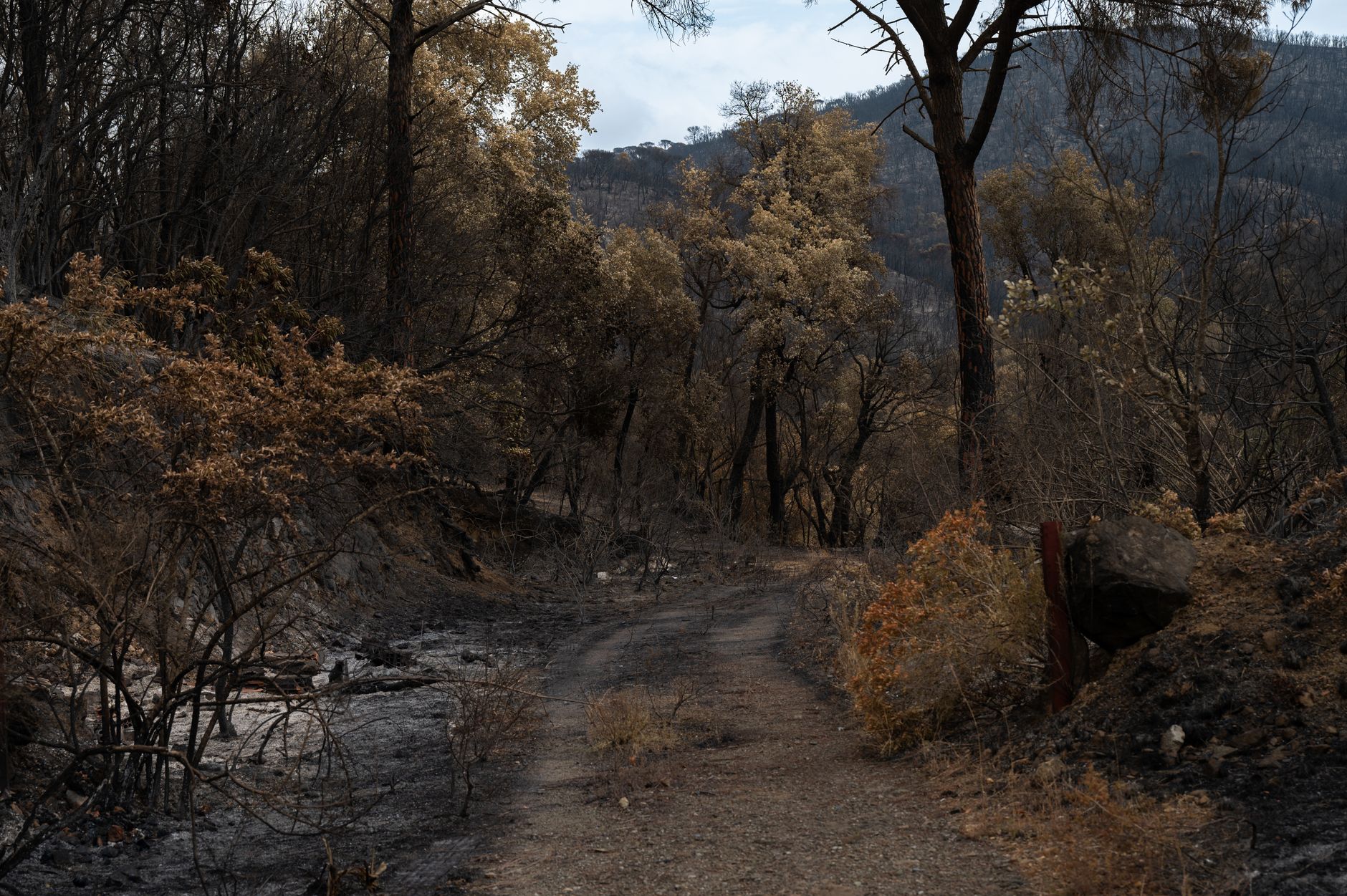
Wildfires are currently devastating areas near Spokane, Washington, forcing tens of thousands of residents to evacuate their homes. Since last weekend, these fires, impacting the state's second-largest city, have tragically destroyed hundreds of buildings, leaving a trail of widespread destruction. This unfolding crisis serves as a stark reminder of the escalating threat posed by a changing climate. As global temperatures rise, such extreme weather events are becoming more frequent and intense, highlighting the urgent need for robust environmental action. Protecting communities and our planet requires immediate and collective efforts to embrace sustainable solutions and combat global warming.
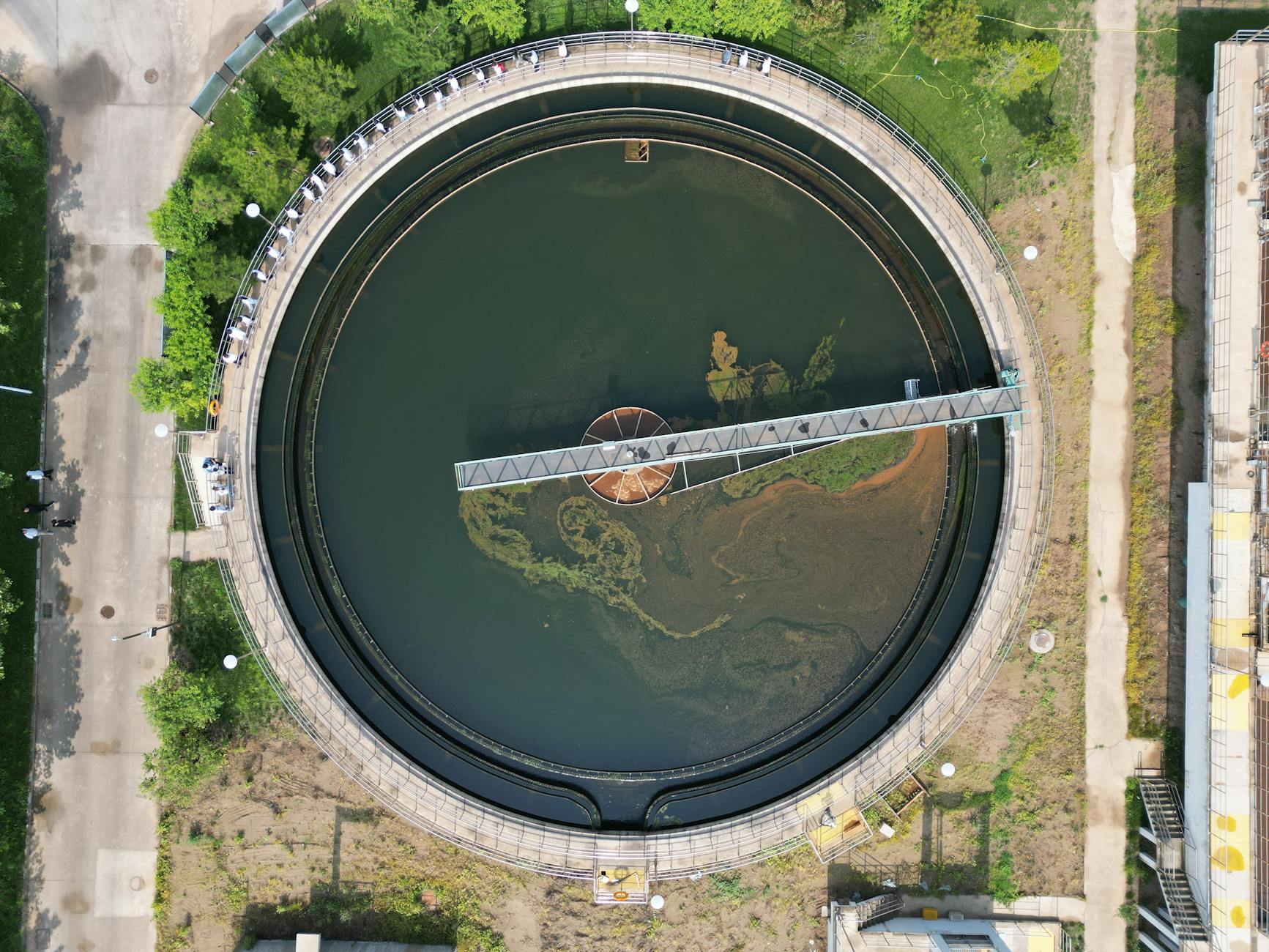
Microsoft is expanding its climate efforts by investing in a novel carbon removal technology that utilizes wastewater treatment. Through an agreement with CREW Carbon, the tech giant will purchase credits from projects that capture carbon while cleaning water. This innovative approach offers a promising pathway for lasting carbon removal by converting dissolved CO2 into stable forms, effectively turning existing infrastructure into a powerful tool against climate change. This move underscores the critical need for diverse and scalable solutions to address global warming.
A new report from the Carbon Drawdown Initiative sheds light on the surprisingly small yet impactful workforce dedicated to removing carbon dioxide from our atmosphere. Their portfolio alone has employed nearly a thousand people and successfully removed over 800,000 tonnes of CO2. This effort represents a significant step towards global climate goals, with more than half of these companies already delivering verified carbon removal. As the planet faces increasingly urgent climate challenges, this burgeoning industry plays a vital role in building a sustainable future.
From scorching wildfires to deadly heat waves and oceans hotter than ever, this summer feels like a record. Surprisingly, 2026 is currently only the third-hottest year on record. However, scientists warn this is just the beginning. A powerful El Niño combined with accelerating human-caused global warming is poised to make 2026, or certainly 2027, the warmest year yet. This escalating heat underscores the urgent need for action against climate change, highlighting a future where current extremes become the new normal.
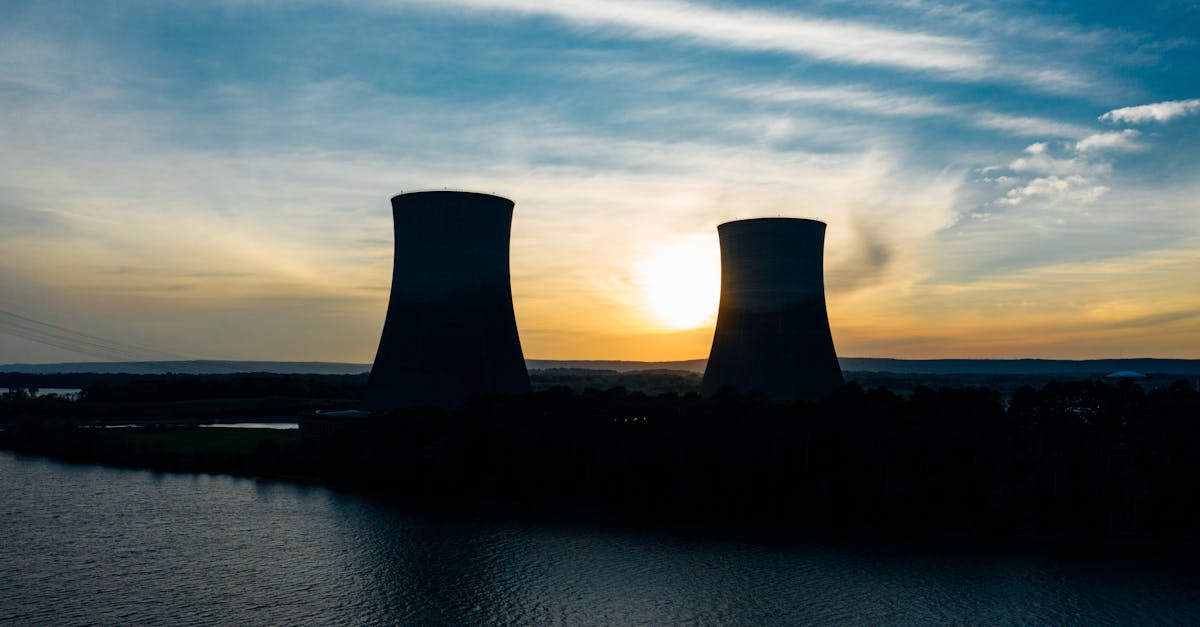
Europe is grappling with a severe heat wave, leading to unprecedented low water levels in vital rivers like the Danube. This climate crisis is directly impacting energy production, pushing nuclear power plants to the brink of shutdown and intensifying devastating wildfires across the continent. The extreme conditions serve as a stark reminder of our planet's accelerating warming and the urgent need for sustainable solutions to protect both natural resources and human lives.