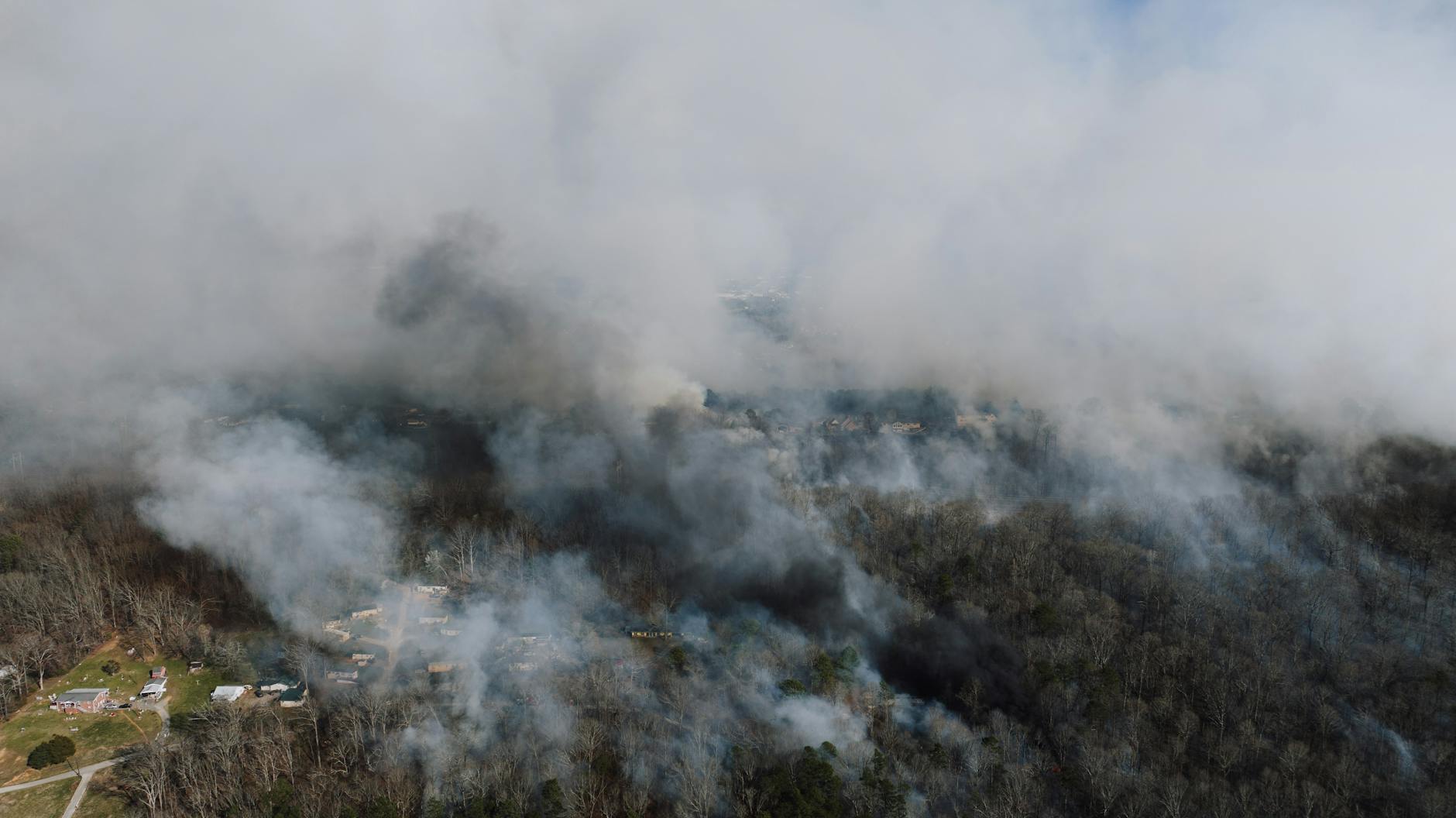
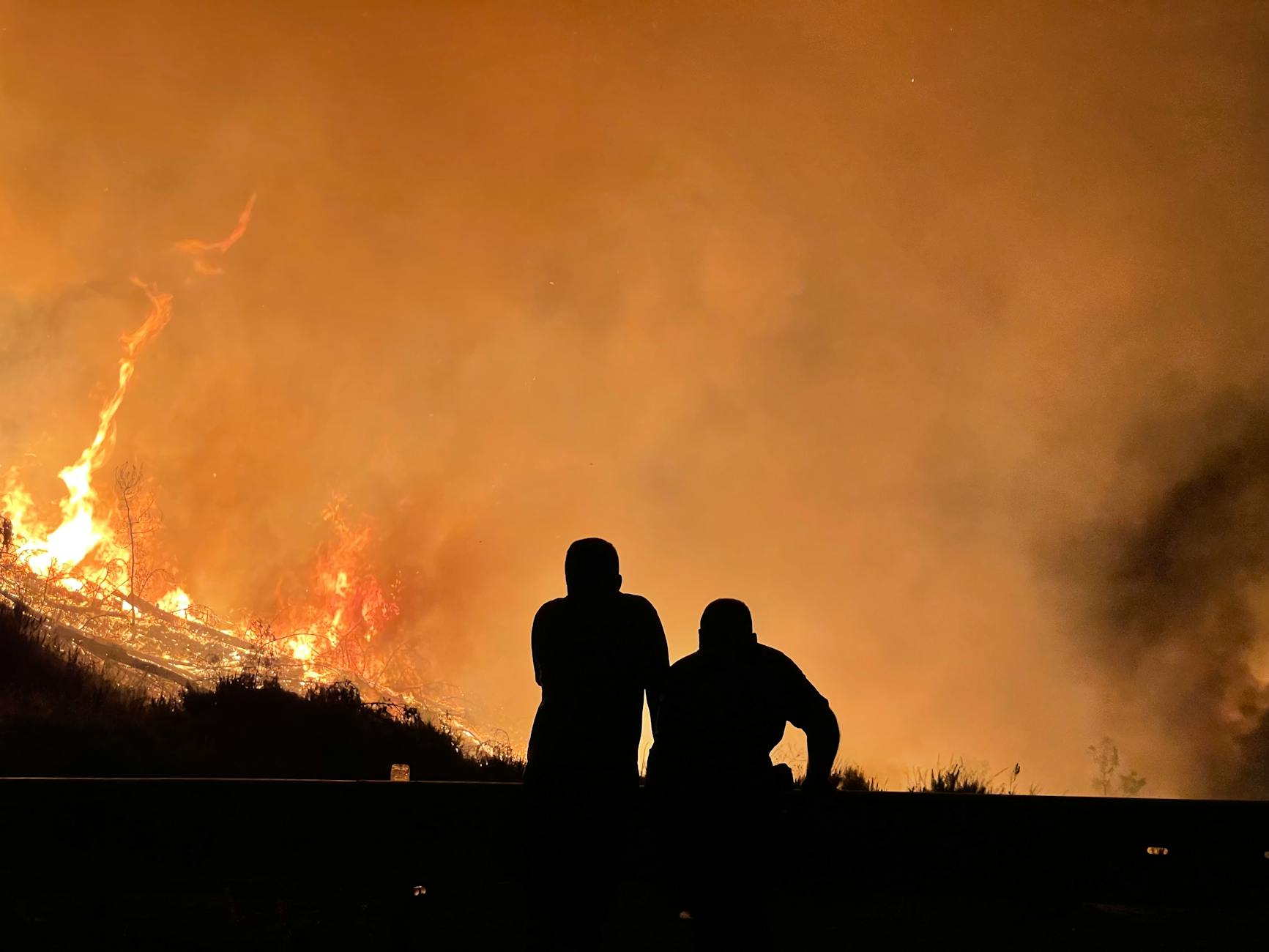
Rapidly moving wildfires have triggered urgent evacuation orders for thousands of residents in Spokane, Washington. The Old Trails Fire is the most significant threat, having already consumed over 3,500 acres since Saturday. This dire situation has prompted the Governor to declare a statewide wildfire emergency and mobilize the National Guard, highlighting the intense and immediate danger faced by communities. These unprecedented conditions underscore the critical impact of ongoing climate challenges, with a record drought fueling the blazes.
As global temperatures rise, wildfires are becoming more frequent and intense, bringing with them a growing threat: widespread smoke. This smoke, filled with tiny harmful particles, can travel vast distances and pose serious health risks. Experts like Glory Dolphin Hammes from IQAir North America highlight the significant challenges in accurately tracking these unpredictable plumes, making preparedness crucial for communities worldwide. Understanding these difficulties is key to protecting ourselves from this invisible, yet potent, air pollutant.
As global temperatures rise, wildfires are becoming more frequent and intense, bringing with them a growing threat: widespread smoke. This smoke, filled with tiny harmful particles, can travel vast distances and pose serious health risks. Experts like Glory Dolphin Hammes from IQAir North America highlight the significant challenges in accurately tracking these unpredictable plumes, making preparedness crucial for communities worldwide. Understanding these difficulties is key to protecting ourselves from this invisible, yet potent, air pollutant.
Institutional investors, including major pension funds, are increasingly taking seriously the potential for 'climate tipping points' – critical, irreversible changes to Earth's systems. These events, once considered distant outliers, are now seen as a serious threat to financial portfolios, prompting firms to simulate their potential impact. With global temperatures continuing to rise at an alarming rate, experts warn that waiting too long to adapt could leave investors unprepared for profound market disruptions. This shift highlights a growing recognition of the urgent need for environmental action and sustainable strategies to protect both planet and prosperity.
California health officials are closely monitoring 140 agricultural workers who recently arrived from Arizona after being exposed to measles during a separate outbreak. These workers, spread across Fresno, Madera, and Merced counties, have not yet shown confirmed cases, but vigilance is high. This comes as the U.S. faces its highest number of measles cases since 1991, underscoring the urgent need for communities to remain proactive about public health and vaccination to prevent further spread.
Tesla's latest Full Self-Driving (FSD) software, version 14.3.7, is showing significant improvements, delivering a smoother and more confident driving experience. Reviewers are noting that many of the previous version's hesitations and abrupt movements have been resolved. Crucially, the system demonstrated its life-saving potential by actively preventing a serious accident involving an unaware driver, showcasing the growing reliability of advanced electric vehicle technology. This progress highlights the ongoing commitment to making future travel safer and more efficient, underscoring the benefits of innovation in sustainable mobility.
Rapidly moving wildfires have triggered urgent evacuation orders for thousands of residents in Spokane, Washington. The Old Trails Fire is the most significant threat, having already consumed over 3,500 acres since Saturday. This dire situation has prompted the Governor to declare a statewide wildfire emergency and mobilize the National Guard, highlighting the intense and immediate danger faced by communities. These unprecedented conditions underscore the critical impact of ongoing climate challenges, with a record drought fueling the blazes.
Carbon markets are expanding with renewable energy now eligible under the UN's Article 6.4 mechanism, crucial for tripling global renewable capacity by 2030 and staying within the 1.5°C warming limit. Ethiopia has also made significant strides, becoming the first country to issue verified forest carbon credits under a World Bank program, totaling 14.9 million tCO₂e. These developments signify strong global commitment to climate action. Simultaneously, efforts to standardize carbon accounting through a unified GHG Protocol and ISO standard, alongside digital taxonomy updates from ISSB, aim to boost transparency for investors.
Much of the western United States is grappling with dangerously high temperatures this weekend, with Phoenix experiencing extreme conditions. Forecasts predict highs above 110 degrees Fahrenheit, forcing residents to seek refuge in public cooling centers. This severe heat highlights the growing strain on communities and serves as a stark reminder of the escalating impacts of global warming and the urgent need for climate action to protect vulnerable populations.
Elon Musk, a prominent figure across Tesla, SpaceX, and xAI, believes artificial intelligence is advancing at an astounding pace. He predicts that within just two years, AI will become so advanced it will be almost unrecognizable. Musk sees AI not only as a tool to simplify human lives but also as a key to solving major global issues and enabling humanity to become multiplanetary. This ambitious outlook highlights a future where AI's capabilities could rapidly redefine our world.
Major strides are being made in global climate action as the UN carbon market now includes renewable energy projects, offering crucial support to developing nations. Ethiopia has achieved a significant milestone, issuing its first verified carbon credits for forest protection, setting a precedent for high-integrity climate finance. Simultaneously, leading organizations are working to unify global carbon accounting standards, enhancing transparency and strengthening our collective fight against climate change. These developments underscore a growing global commitment to sustainable solutions and a greener future.
Rapidly moving wildfires have triggered urgent evacuation orders for thousands of residents in Spokane, Washington. The Old Trails Fire is the most significant threat, having already consumed over 3,500 acres since Saturday. This dire situation has prompted the Governor to declare a statewide wildfire emergency and mobilize the National Guard, highlighting the intense and immediate danger faced by communities. These unprecedented conditions underscore the critical impact of ongoing climate challenges, with a record drought fueling the blazes.