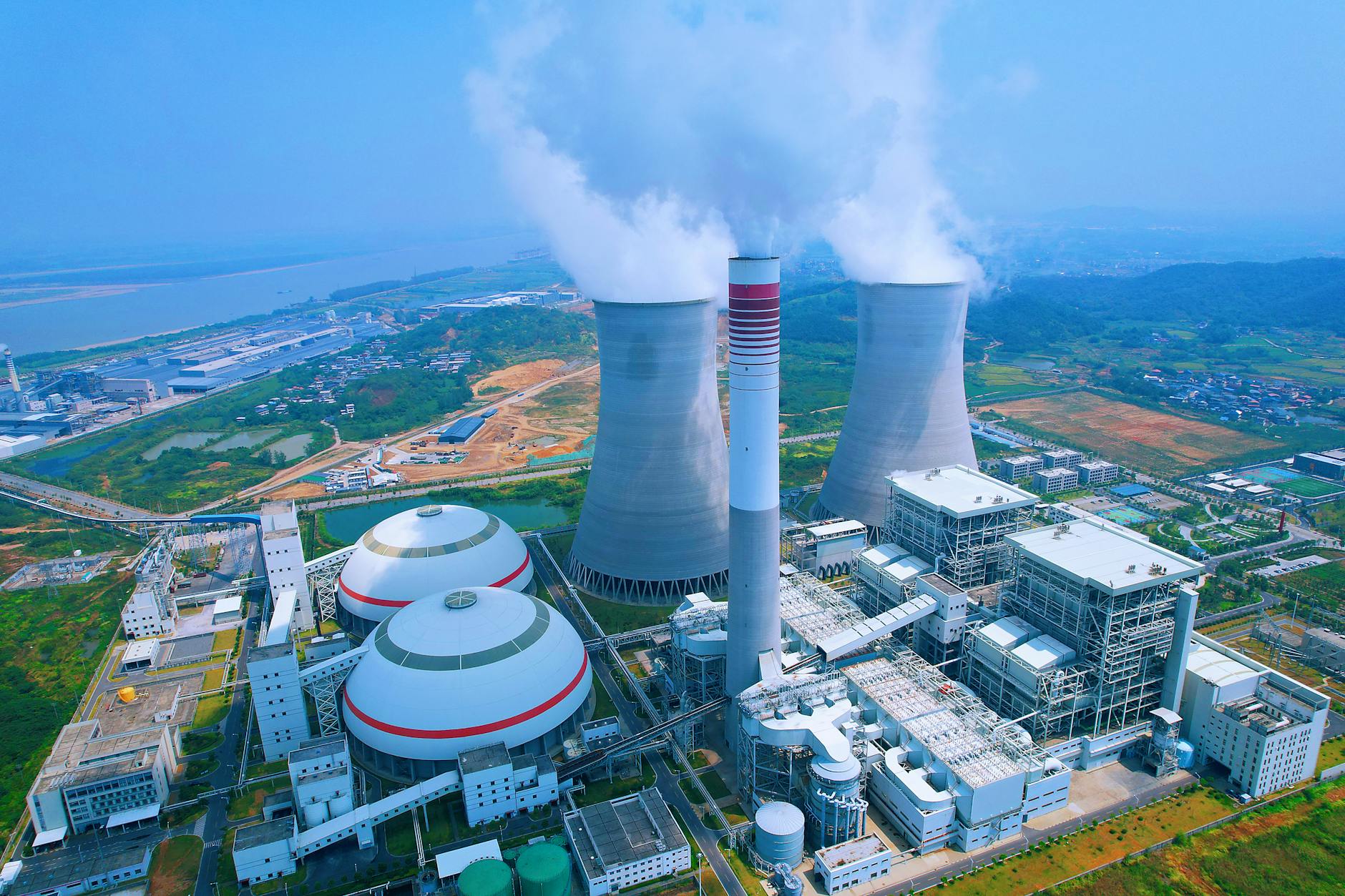
China, currently the world's largest emitter of greenhouse gases, is making significant strides in its energy transition. A recent report reveals that many Chinese provinces are actively reducing their reliance on coal, a major source of planet-warming pollution. This shift marks a crucial step away from fossil fuels, signaling a growing commitment to cleaner energy. Such progress is vital for combating global warming and offers a hopeful outlook for international climate action. Moving towards sustainable solutions is paramount for our planet's future.
The fashion industry's environmental footprint is expanding at an alarming rate. New data reveals that greenhouse gas emissions from the sector surged by approximately 14% over just two years, reaching a staggering 1 gigaton annually – comparable to Japan's total climate pollution. This concerning trend, driven largely by increased material production, highlights a critical need for immediate and widespread sustainable changes. It underscores the urgent necessity to reduce our collective impact on the planet and embrace cleaner technologies.
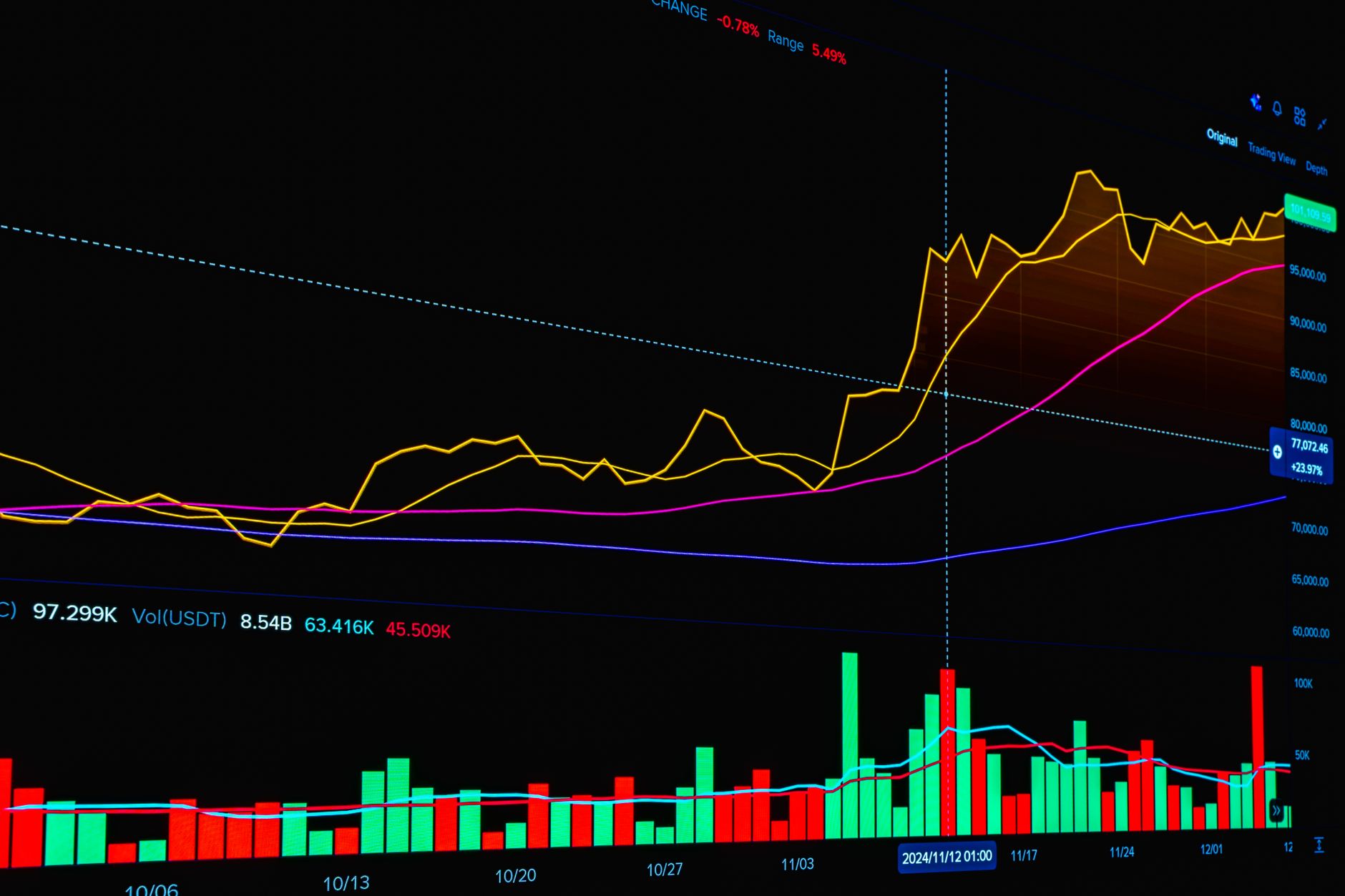
Copper prices have surged to record highs, driven by a perfect storm of tightening supply and skyrocketing demand. From artificial intelligence infrastructure to vital power grids and the push for electric vehicles, our world is craving more copper. This rally highlights a crucial challenge for environmental action, as a dependable copper supply is essential for building the clean energy systems needed to tackle global warming and accelerate our shift to sustainable solutions.
South Africa's power sector saw a significant 19% drop in carbon emissions in 2025, marking a crucial step towards a cleaner future. This decline, the largest recorded by BloombergNEF, signals a structural shift as renewable energy expands. While coal still generates most electricity, solar and wind power are rapidly gaining ground. This progress is vital for addressing global warming and demonstrates how countries can transition towards more sustainable electrification.
The Tesla Cybertruck All-Wheel-Drive model is making waves, recently seeing a price adjustment to $74,990. Despite the change, many argue its unique features make it a standout choice in the pickup market. This electric vehicle promises an unparalleled driving experience, setting a new standard for comfort and performance in a truck. It represents a significant step forward for sustainable transportation, showcasing how electric solutions can truly outperform traditional fossil-fuel alternatives in everyday use.
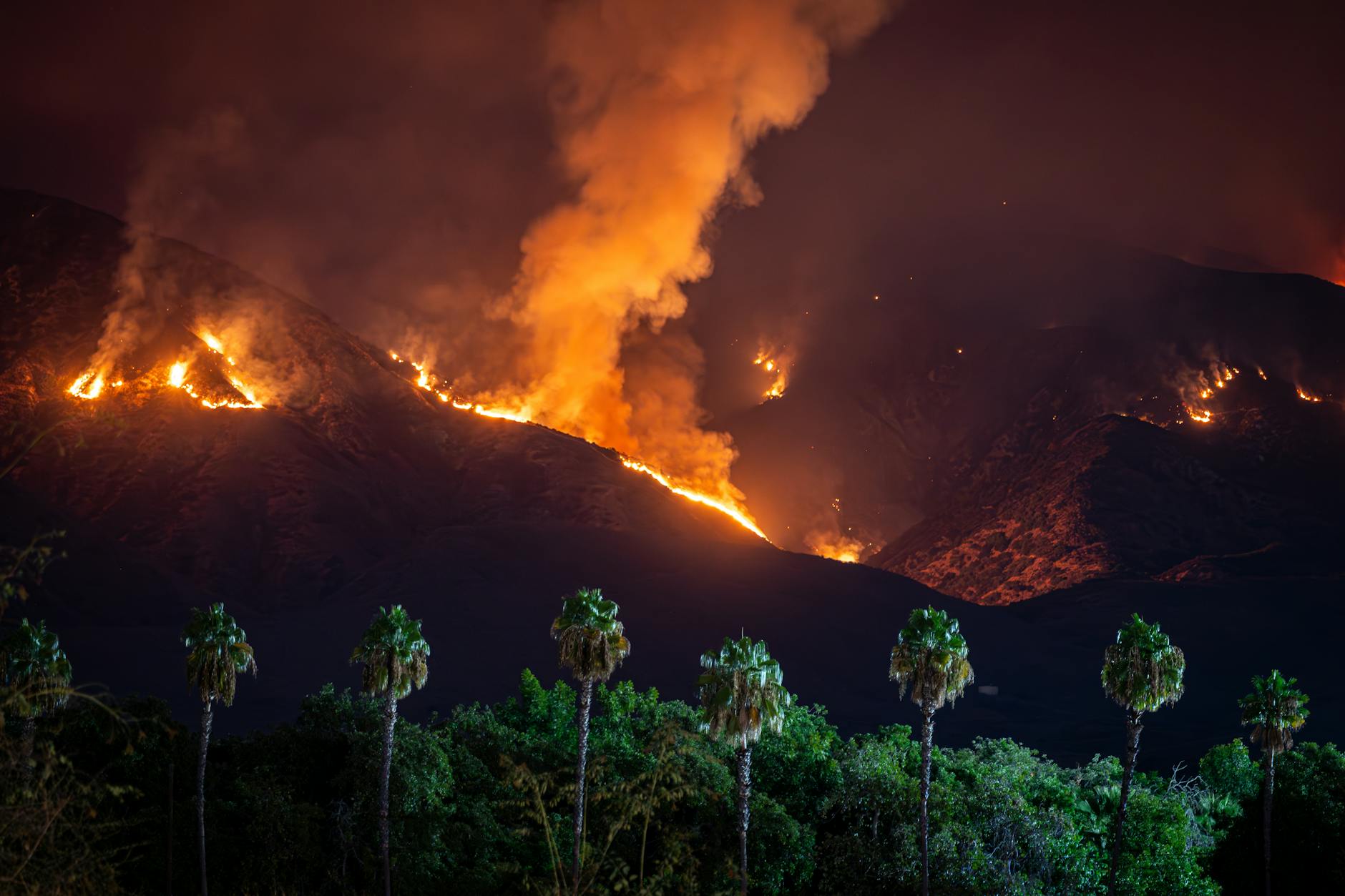
A new bill passed by California legislators aims to redefine the responsibilities of public water agencies during intense wildfires. Senate Bill 1153 seeks to clarify that agencies are not primarily designed for large-scale wildfire defense, nor is losing water pressure automatically a "substantial cause" of fire damage. This comes as communities grapple with destructive events like the 2025 Palisades fire, which highlighted the immense challenges of climate-driven blazes and existing water infrastructure. If signed by Governor Newsom, the bill intends to strengthen emergency preparedness while shielding agencies from costly lawsuits.
Canada is making a bold move, attracting 64 leading global scholars, including many from top U.S. institutions like Harvard and MIT, with $362 million in research funding. This initiative, part of a larger $1.2 billion investment, aims to boost Canadian universities and tackle critical global challenges. Researchers will focus on vital fields such as health, artificial intelligence, and crucially, the environment, seeking innovative solutions for a cleaner, more sustainable future. This contrasts sharply with recent funding cuts and policy shifts in other nations, underscoring Canada's commitment to scientific advancement and academic freedom.
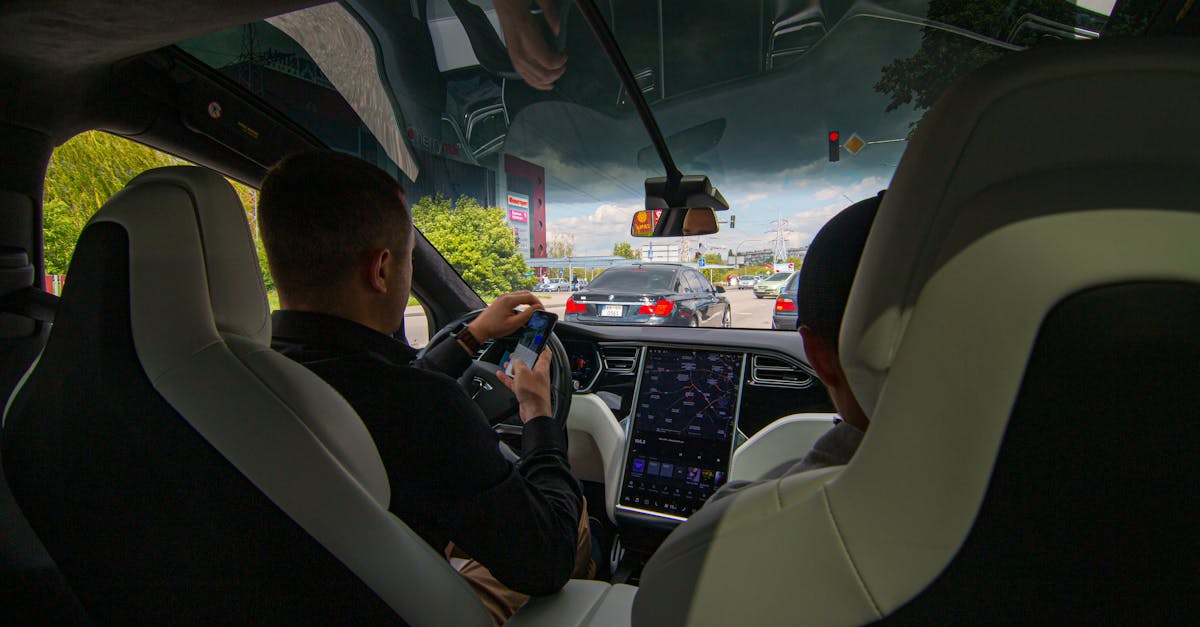
Tesla's innovative Cybercab, a fully driverless vehicle without a steering wheel or pedals, recently launched its ride-hailing service in Austin, Texas. This groundbreaking electric taxi aims to revolutionize urban transport by offering a quiet and smooth experience. CEO Elon Musk has now hinted at Europe being the next major market for the Cybercab, signaling a global expansion for this sustainable transportation solution. However, bringing this cutting-edge electrification technology across the Atlantic will require navigating complex European regulations.
Tesla's all-electric Cybercab recently rolled out for paid rides in Austin, marking a notable step for autonomous, sustainable city transport. Just days after its launch, Tesla began surveying early passengers, seeking crucial feedback on their experience. This rapid request for input highlights Tesla's unique strategy of treating users as active collaborators in refining its advanced electric vehicles. The company is gathering detailed opinions on everything from seat comfort to desired new features, aiming to swiftly evolve the Cybercab into an even more appealing and efficient option for future mobility.
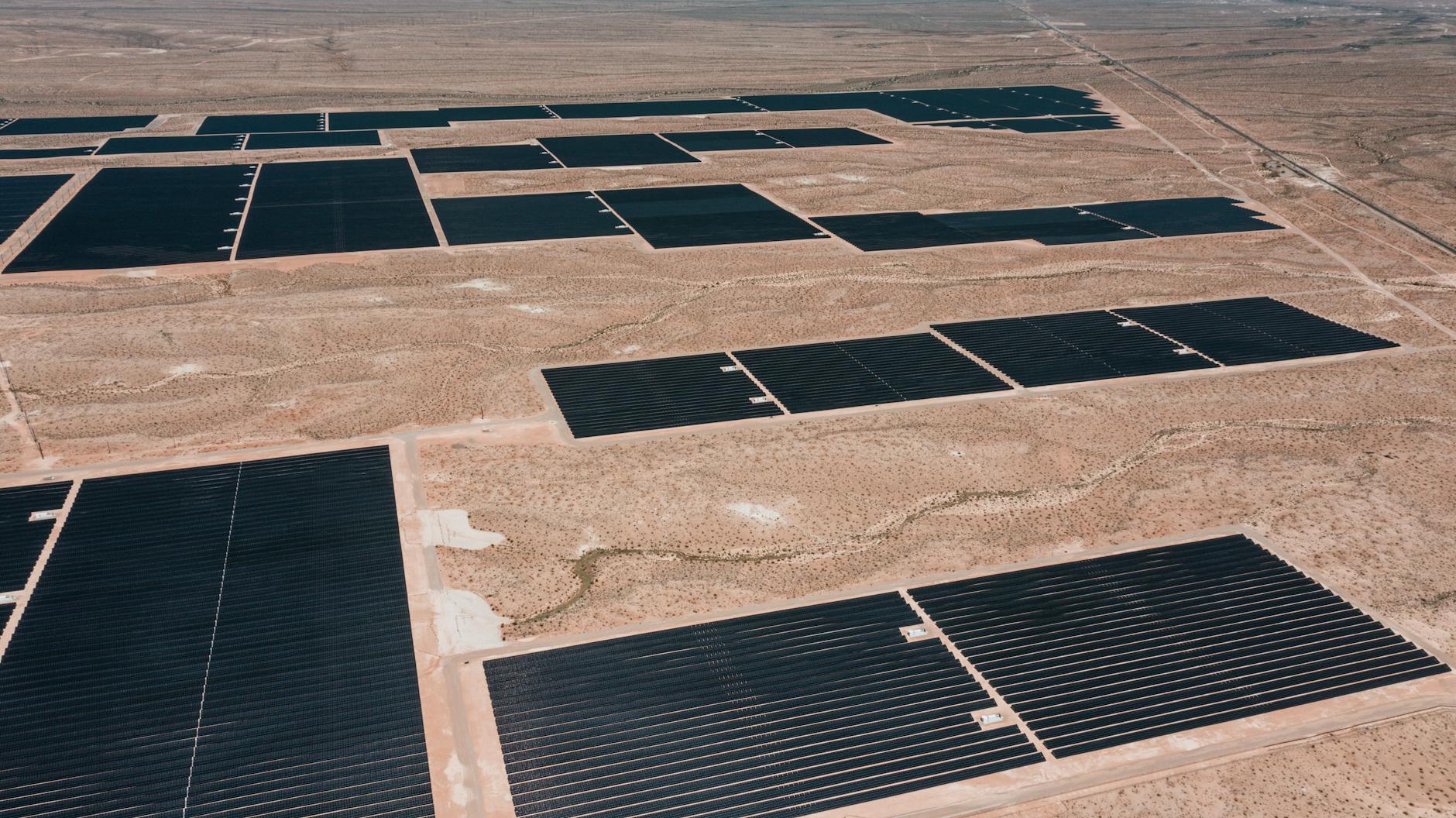
Cypress Creek Energy has activated its 104-megawatt Ostrea Solar project in Washington, a significant step toward boosting clean energy in the region. This new solar farm, backed by a long-term agreement with Microsoft, will provide renewable electricity as the state's economy and electricity demands rapidly grow. The project not only expands Washington's sustainable energy infrastructure but also champions environmental protection and brings substantial economic benefits to local communities, setting a new standard for green development.
Tesla has launched its groundbreaking Cybercab in Austin, Texas, marking a significant leap into unsupervised self-driving ride-hailing. These all-electric vehicles stand out by entirely lacking traditional manual controls like steering wheels and pedals, pushing the boundaries of automotive design. While promising a cleaner, more efficient urban transportation future, this innovative approach has prompted the National Highway Traffic Safety Administration (NHTSA) to open an inquiry into its safety certification. This move highlights the crucial balance between rapid technological advancement and ensuring public safety in the evolving landscape of electric, autonomous transport.
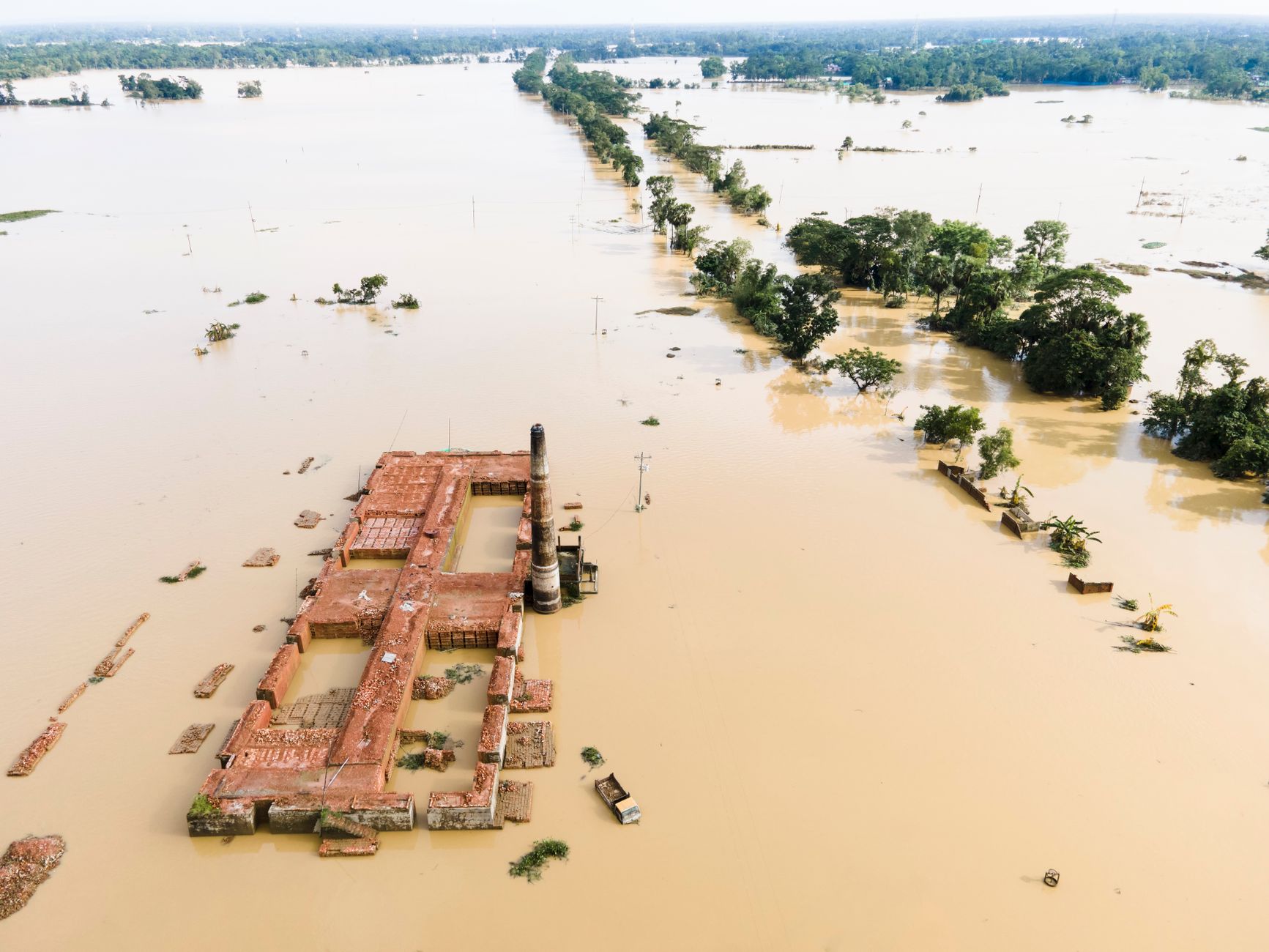
Global efforts to combat climate change are accelerating, with new rules strengthening carbon markets and promoting cleaner technologies like low-carbon ammonia and renewable fertilizers. Simultaneously, a stark warning from the UN Environment Programme confirms the world is already exceeding the critical 1.5°C warming limit, intensifying the need for immediate mitigation and adaptation. This comes as Nepal demands financial justice from major emitters following a devastating glacial flood, highlighting the growing legal obligations for climate accountability. As nations prepare for a hotter future, integrating sustainable solutions and collective action becomes paramount.