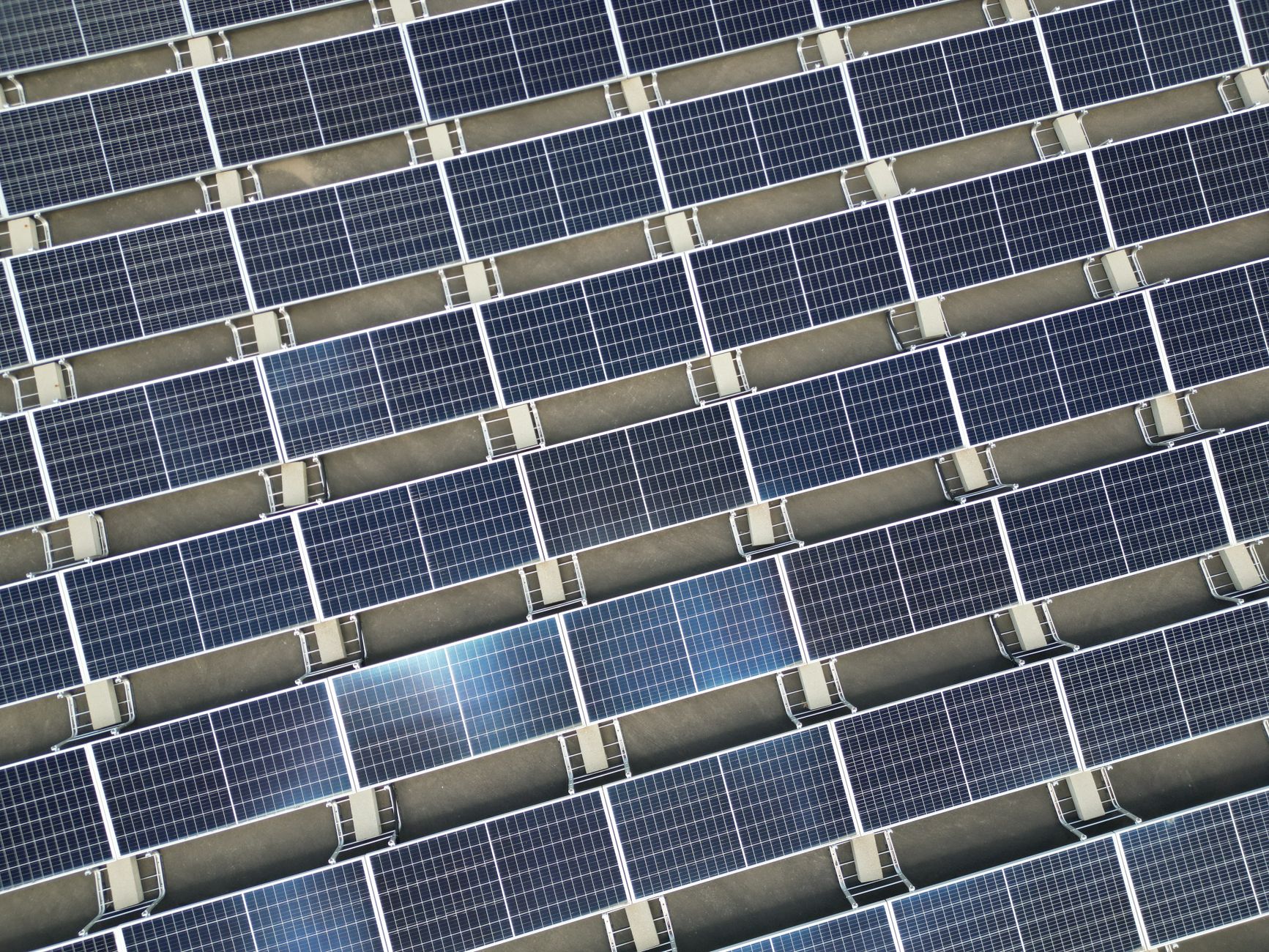
The U.S. power grid experienced a significant surge in electricity generation during the first half of the year, driven by rising demand from data centers and other large users. Amidst this growth, new data highlights a crucial shift: renewables are expanding their share while coal continues its decline. This evolving energy landscape, shaped by diverse strategies across different states, underscores a critical pivot toward cleaner technologies. Understanding these changes is vital for accelerating environmental action and securing a sustainable future.
As our climate warms, extreme heat waves are becoming a dangerous reality for many communities. In response, faith leaders are stepping up to protect their congregations and neighbors. A new initiative from Duke University is empowering churches, particularly in rural areas, to transform into vital cooling centers. This innovative approach not only provides immediate relief from dangerous temperatures but also embraces sustainable solutions like solar power to ensure continuous operation.
Tesla is upgrading its Robotaxi app, giving riders an exciting new choice: the compact, purpose-built two-seat Cybercab or the familiar four-seat Model Y. This shift allows passengers to pick the perfect electric vehicle for their trip, moving beyond a single-vehicle service. The introduction of the Cybercab, designed for optimal efficiency and accessibility, underscores a commitment to smarter urban mobility. This development is key for reducing energy use and promoting sustainable transportation solutions in our cities.
Tesla is taking a significant step towards revolutionizing urban transportation by opening a public interest form for companies to acquire fleets of its purpose-built Cybercab robotaxis. This electric, autonomous vehicle, designed without a steering wheel or pedals, signals Tesla's commitment to scaling a sustainable ride-hailing network. Moving beyond traditional car ownership, the Cybercab offers a glimpse into a cleaner, more efficient future for our cities, reducing emissions and transforming how we move.
A federal judge has temporarily blocked the Environmental Protection Agency (EPA) from challenging California's special ability to set its own strict vehicle pollution rules. This decision is a win for cleaner air and a temporary setback for the EPA's recent efforts to weaken vital environmental protections. For over sixty years, California has used this power to reduce smog and push for cleaner cars, influencing standards across the nation. The judge's ruling ensures this crucial authority remains intact for now, highlighting the critical role states play in tackling global warming and promoting sustainable solutions. This legal battle underscores the ongoing urgency of protecting our planet from harmful emissions.
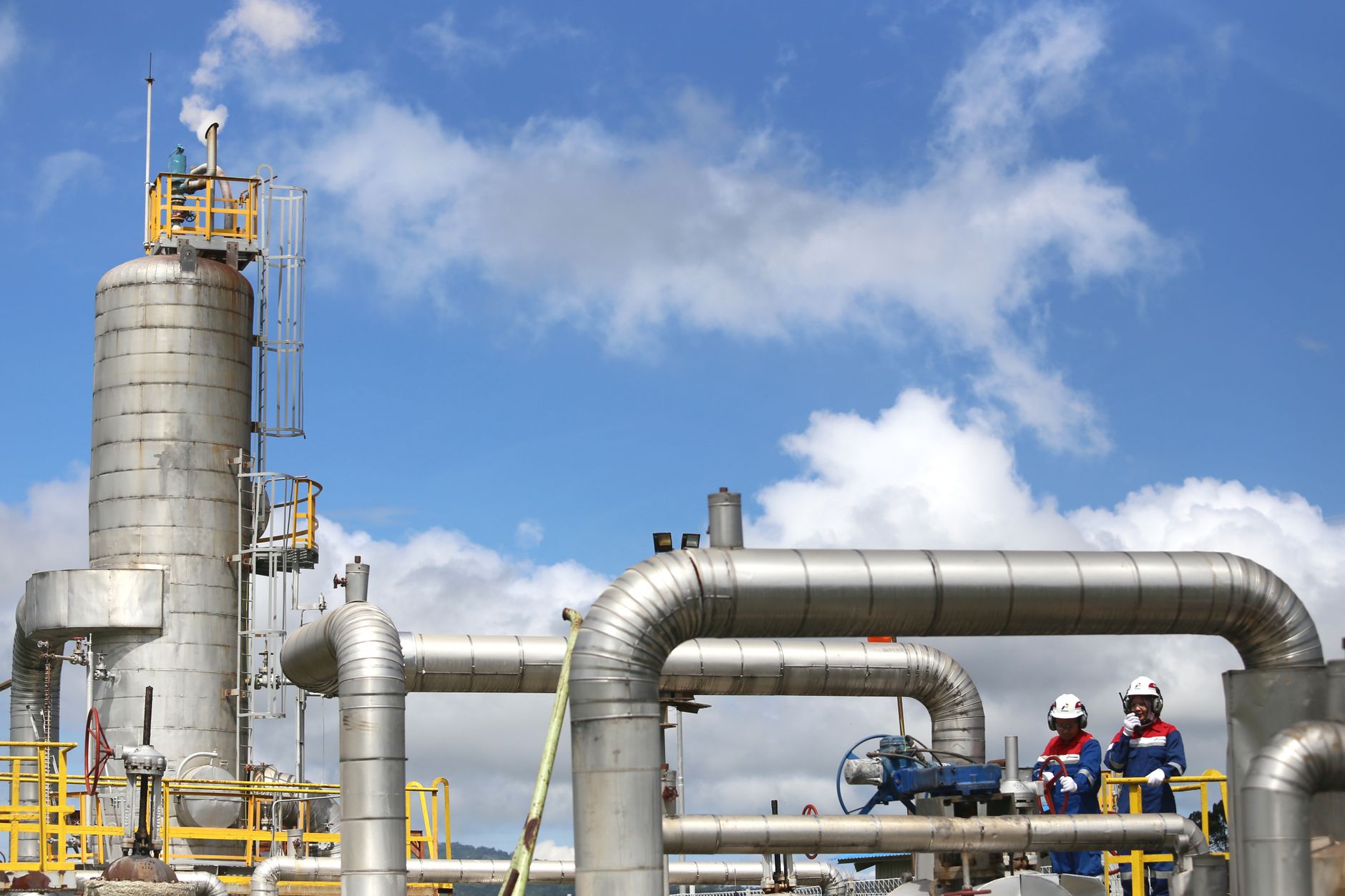
Chevron is expanding its operations in Venezuela, a move with significant implications for both the global oil industry and our planet. This expansion comes amidst ongoing political and economic challenges within Venezuela, adding complexity to the situation. While increasing oil production might seem to address immediate energy demands, it also intensifies the urgency of shifting away from fossil fuels. This decision highlights the continuous tension between short-term energy needs and the critical long-term fight against climate change, urging us to consider its environmental footprint.
Tesla is preparing to launch its highly anticipated Cybercab this Thursday in Austin, Texas, marking a significant step in the future of transportation. This invite-only event will introduce a vehicle designed to operate entirely without a steering wheel or pedals, offering truly driverless ride-hailing services on public roads for the very first time. The Cybercab represents a groundbreaking stride for Tesla, aiming to redefine urban mobility and advance sustainable solutions by potentially reducing the need for individual car ownership and its associated emissions, paving the way for cleaner, more efficient city transit.
A new United Nations report warns that Earth is rapidly approaching a dangerous phase of climate "overshoot," where global temperatures will soon exceed the critical 1.5-degree Celsius warming limit set by the Paris Agreement. This impending breach, driven by persistent fossil fuel emissions, threatens to intensify extreme weather, endanger food and water supplies, and trigger irreversible environmental damage. Scientists emphasize the urgent need to drastically cut greenhouse gas emissions and embrace sustainable solutions to mitigate the worst impacts and secure a safer future.
Leah C. Stokes' new book, "The Carbon Wave," offers an insider's view into the challenging five-year journey to pass America's most significant climate legislation, the Inflation Reduction Act. This landmark law, investing $369 billion in clean energy, was a hard-won victory against immense political and personal obstacles. Stokes champions collective action, urging a shift from individual carbon footprints to societal structural changes like widespread electrification and clean power. Her memoir highlights how dedicated efforts can transform our energy future and combat the climate crisis effectively.
For social housing tenants like Kirsty and Aida, a system meant to deliver greener heating has instead brought immense hardship. Facing monthly shortfalls of hundreds of pounds, these tenants risk eviction due to high, unregulated heat network costs bundled with their rent. This situation highlights a critical flaw in the UK's push for sustainable heating solutions, where the environmental benefits are overshadowed by financial burdens and poor service. Advocates are now fighting for consumer protection and fair pricing, urging that the urgent need for climate action doesn't come at the expense of vulnerable families.
Our planet's oceans are facing immense pressures from changing policies and an escalating climate crisis. A recent opinion piece highlights how various administrative decisions, from halting clean energy projects to undermining environmental protections, are significantly impacting marine ecosystems. With record-breaking marine heatwaves and climate-linked disasters, the health of our oceans has never been more critical. The upcoming midterm elections offer a pivotal opportunity for voters to support leaders committed to safeguarding our blue world and promoting sustainable solutions.
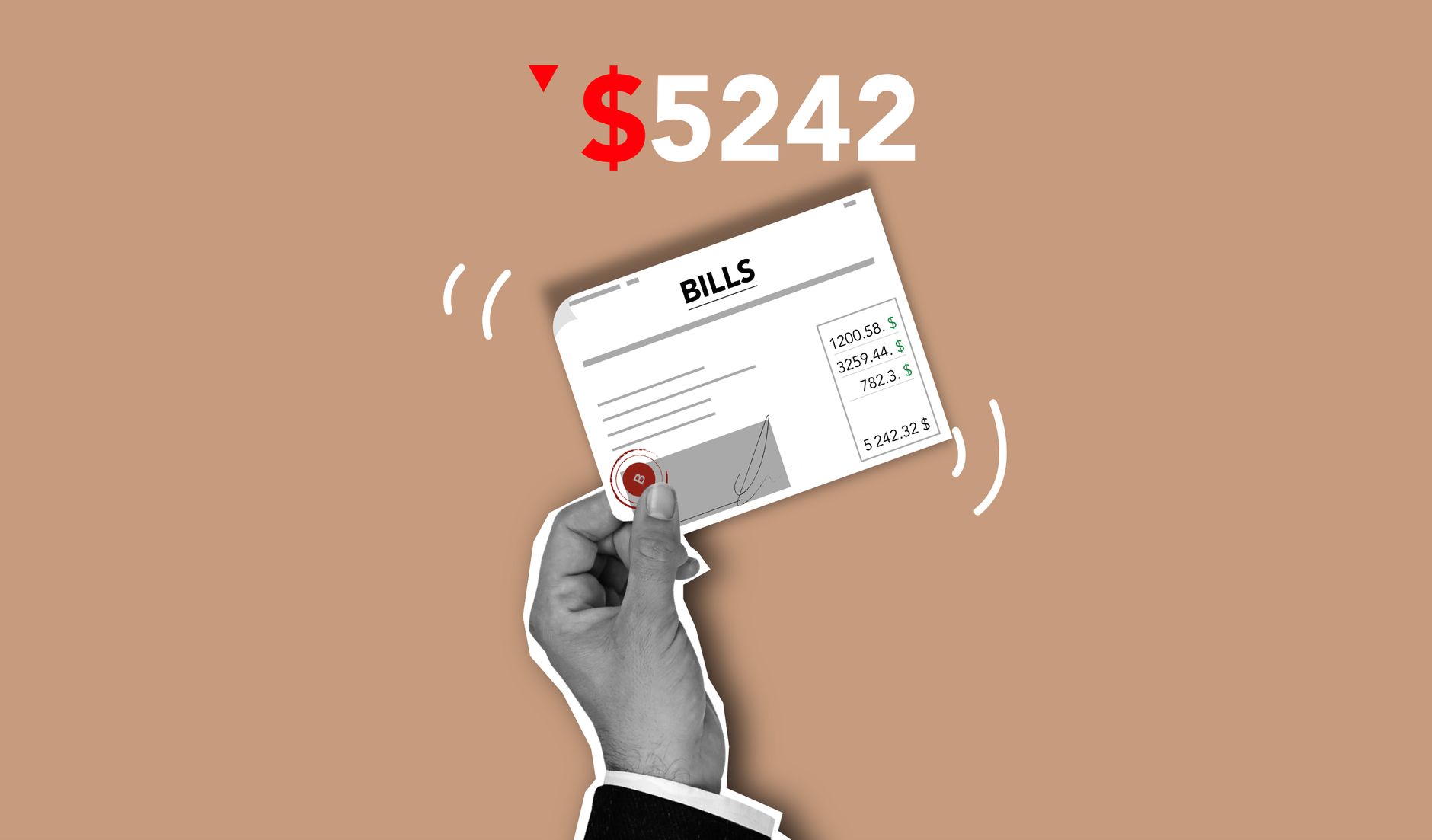
Maryland's consumer protection agency is challenging a power plan that could cost households hundreds of millions. The Office of People’s Counsel (OPC) is fighting a proposal by regional grid operator PJM Interconnection to buy additional electricity capacity, largely for data centers that may never be built. If PJM's plan proceeds as is, Maryland residents could shoulder significant new costs over 15 years, highlighting the urgent need to protect existing customers from speculative energy investments. This situation underscores the importance of careful planning to avoid unnecessary grid expansion and ensure fair energy costs for everyone.