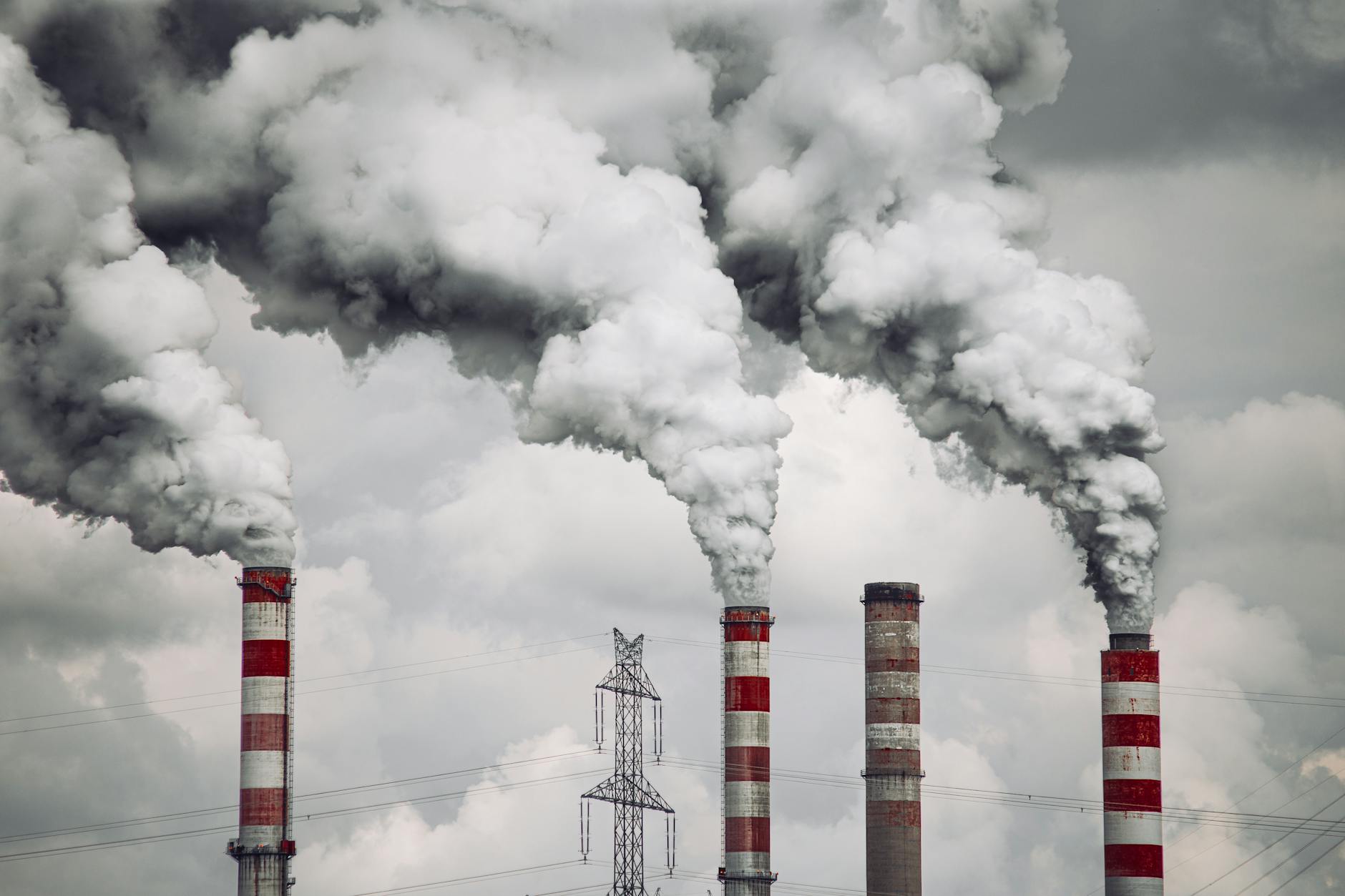
Over 50 countries are set to gather in Santa Marta, Colombia, for a landmark international conference on phasing out fossil fuels. This crucial meeting marks the first time nations have come together specifically to discuss how to transition away from these harmful energy sources. As the primary cause of climate change, fossil fuels pose an existential threat to our planet. The conference highlights a growing global commitment to addressing the climate crisis head-on and accelerating the shift toward cleaner, sustainable energy solutions for a healthier future.
The Trump administration has significantly reduced environmental programs and support for disadvantaged communities, leaving them more exposed to the impacts of climate change like rising temperatures and extreme storms. In Florida, organizations like the CLEO Institute are struggling to fill critical funding gaps after losing millions in grants meant for climate literacy and resilience. These cuts worsen existing inequalities, forcing vulnerable families to make difficult choices between basic necessities and coping with climate-related costs. This situation highlights a growing crisis where climate impacts, energy costs, and affordability converge, underscoring the urgency of climate action.
Climate change is quietly increasing the cost of living around the world, a phenomenon researchers are calling "climateflation." From scorching heatwaves that slash crop yields to damaged infrastructure and soaring insurance premiums, extreme weather events are now directly affecting our wallets. This isn't just about temporary spikes; these rising costs could become a lasting economic force, challenging household budgets and national economies alike. Understanding and addressing this growing financial burden underscores the urgent need for global climate action.
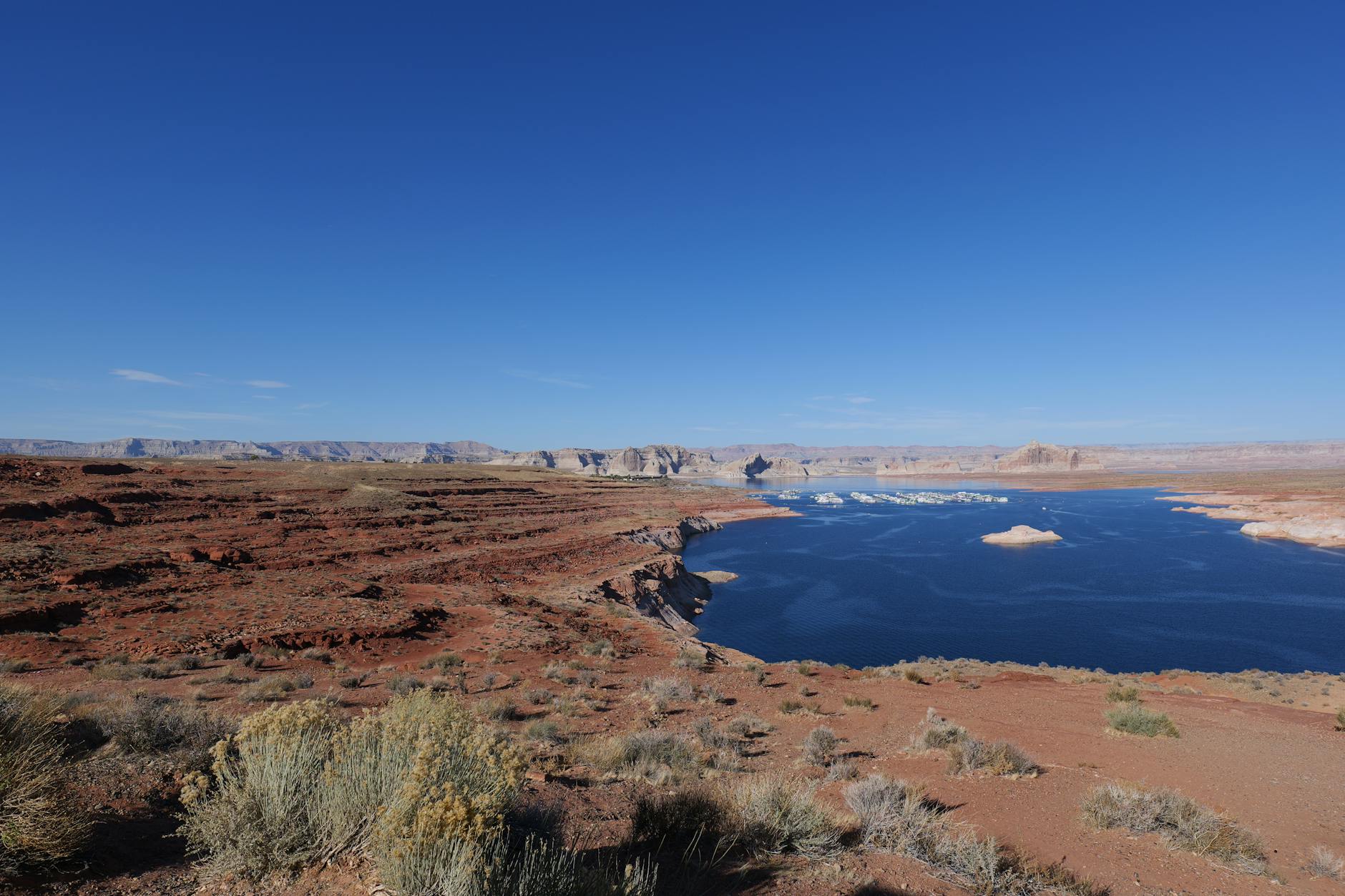
The Colorado River, a critical water source for 35 million people across the Southwest, faces an unprecedented crisis. The Trump administration is implementing emergency measures to prevent disaster at Lake Powell, which is nearing levels too low to generate electricity. This urgent response involves releasing water from Flaming Gorge and reducing flows into Lake Mead, but necessitates significant water cuts for farms and cities in California, Arizona, and Nevada. This one-year solution underscores the intensifying drought conditions, exacerbated by global warming, and highlights the failure of states to agree on long-term sustainability plans for this vital resource.
Kenyan e-motorcycle manufacturer Roam Electric is experiencing a remarkable surge in demand, with orders doubling as consumers abandon gasoline-powered vehicles. This shift comes as fuel prices in Kenya have climbed significantly, driven by ongoing conflict in the Middle East. Responding to this overwhelming interest, Roam plans to drastically increase its monthly production of electric bikes, aiming for 1,000 units by year-end. This trend in East Africa highlights a crucial global movement towards cleaner, electric alternatives, underscoring the urgency for sustainable transportation solutions and a reduced reliance on fossil fuels.
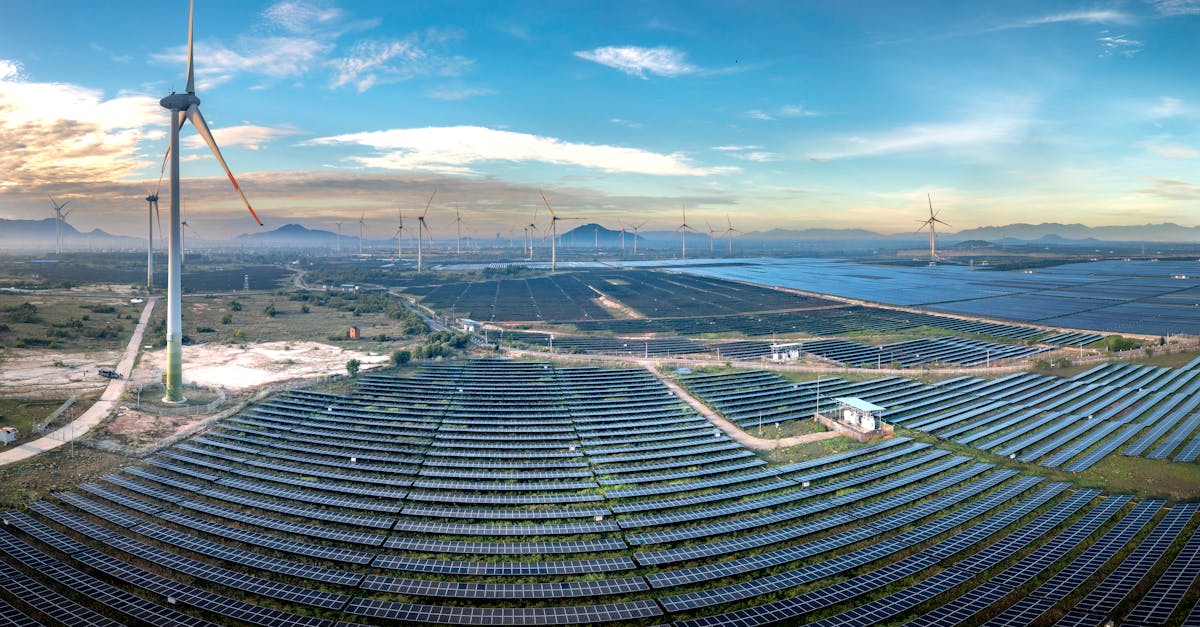
Wind and solar farms are not just powering homes with clean energy; they're also providing significant financial boosts to local communities. These projects generate tax revenue that can be used to fund essential services, from road maintenance to local emergency services. This growing trend highlights a powerful dual benefit: advancing cleaner energy sources while directly enhancing local economies and quality of life. As the world shifts towards sustainable solutions, communities are discovering tangible financial advantages that help build a greener, more resilient future.
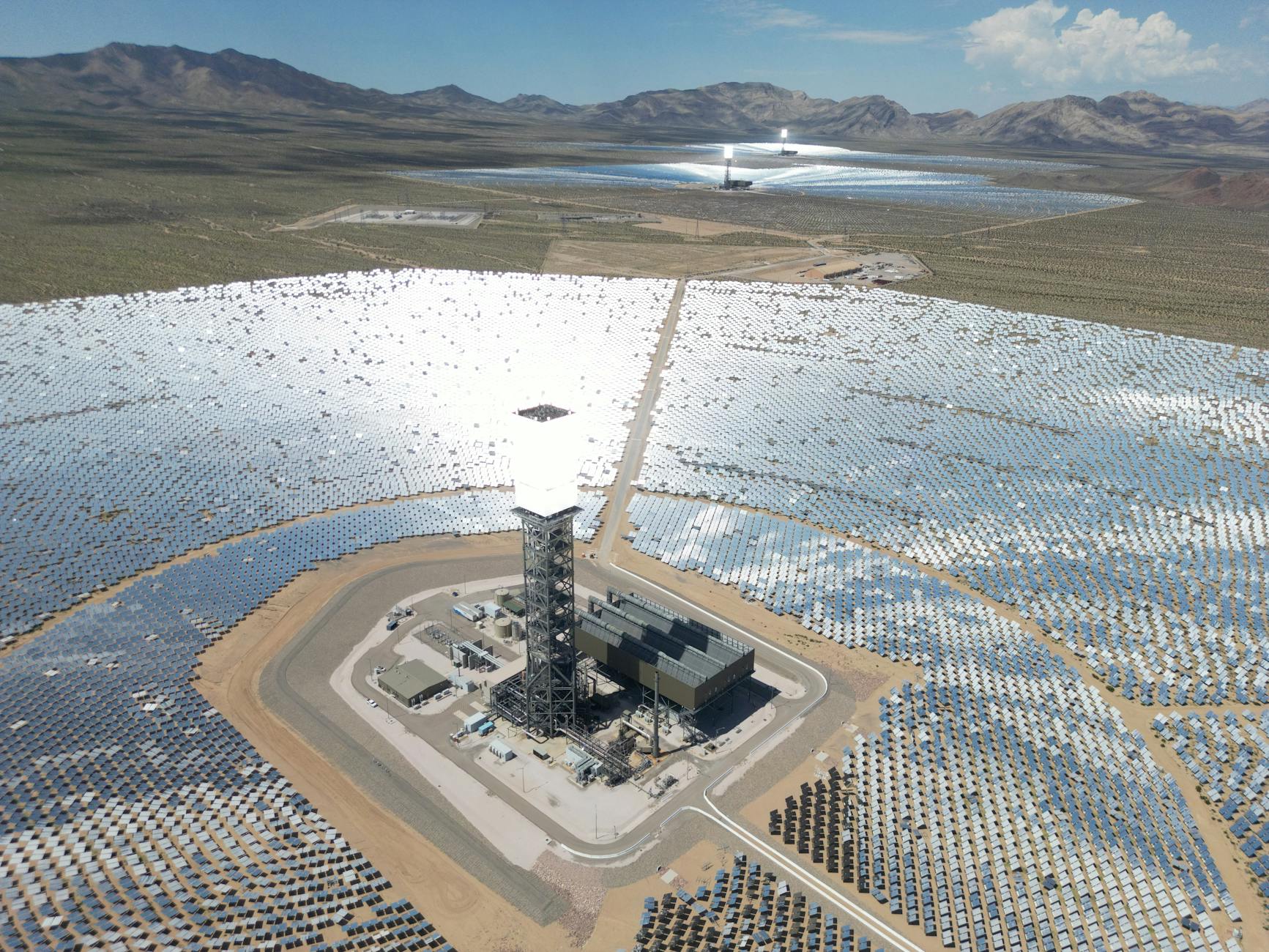
California's vital Edmonston Pumping Plant, a massive energy user delivering water to 27 million people, is getting a green upgrade. The new Pastoria Solar Project, a 105-megawatt facility, marks a significant step towards the California Department of Water Resources' goal to achieve carbon-neutral operations by 2035. This initiative underscores California's commitment to combating climate change by electrifying essential services with sustainable solutions. By reducing reliance on fossil fuels, this project helps ensure a more resilient and environmentally friendly water supply for millions.
Maryland's Utility RELIEF Act aims to lower immediate energy bills for residents, but it's sparking controversy. Passed in the final moments of the legislative session, the bill promises annual savings of at least $150 by reducing charges for an energy efficiency program. However, environmental advocates warn that these short-term gains come at a steep price, including significant raids on the state's clean energy fund and controversial new subsidies for nuclear power. Concerns are mounting that the law could derail Maryland's climate goals and saddle ratepayers with unmodeled, long-term costs for nuclear projects without adequate public debate or transparency.
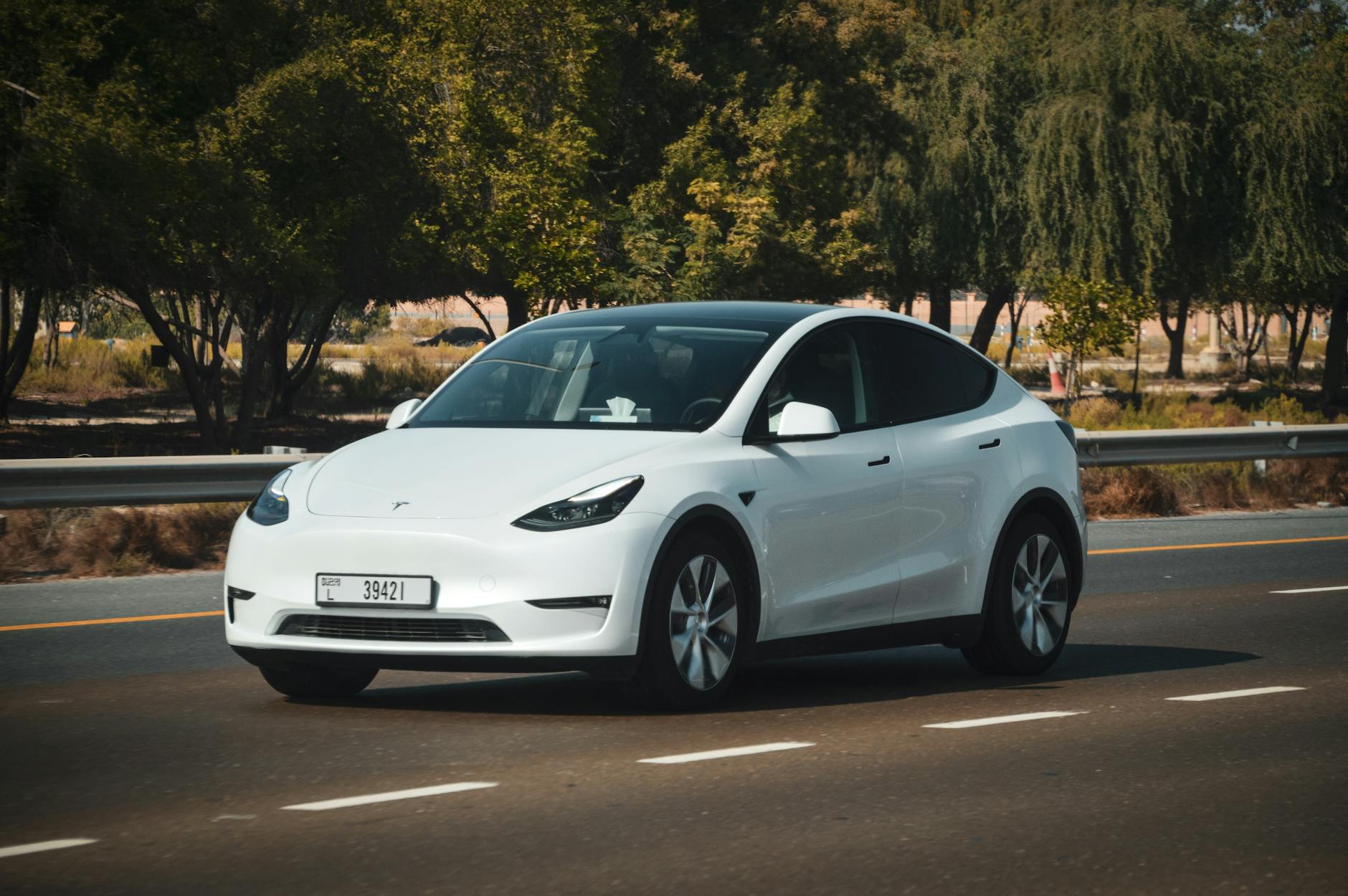
Tesla is taking a bold new step to boost its presence in the challenging Indian market. After facing significant hurdles from high import tariffs and lukewarm initial sales of its standard Model Y, the electric vehicle giant is adapting its strategy. It is now preparing to introduce the Model Y L, a new six-seat variant designed to appeal to families seeking more spacious, sustainable transport. This move underscores Tesla's commitment to bringing more clean energy options to one of the world's most populous nations, offering a pragmatic approach to expand electric vehicle adoption and contribute to global climate goals.
A new report from Bloomberg suggests that a significant portion of Tesla Cybertruck sales in late 2025 came from within Elon Musk’s business empire, including SpaceX. This internal buying accounted for over 18% of the total Cybertrucks registered in the US during that quarter. Without these purchases, sales would have seen a sharp decline, raising questions about the true market demand for the unique electric pickup and its role in accelerating the shift to sustainable transportation.
Maine has taken a groundbreaking step by passing a moratorium on large data center development, becoming the first state to do so. This move comes amid growing concerns over the immense energy and water consumption of these facilities, which are essential for powering modern technology and artificial intelligence. U.S. data centers already demand over 50 gigawatts of electricity, a staggering amount that challenges our current energy grids and raises questions about environmental impact and rising electricity costs. Environmental advocates laud Maine's decision as a crucial model for states seeking to regulate this rapidly expanding industry and protect communities from unsustainable growth. The urgency to address this consumption is clear for a sustainable future.
Methane is a powerful greenhouse gas, a major contributor to global warming. While often linked to industries like oil and gas or dairy farms, a lesser-known source is now drawing urgent attention: reservoirs. Environmental groups are pushing California air regulators to start tracking methane emissions from these waters, arguing it's a critical "blind spot" in the state's efforts to combat climate change. Experts agree that understanding these emissions is vital for making informed decisions about energy and solidifying California's role as a climate leader. Ignoring this source could undermine our collective efforts for a sustainable future.