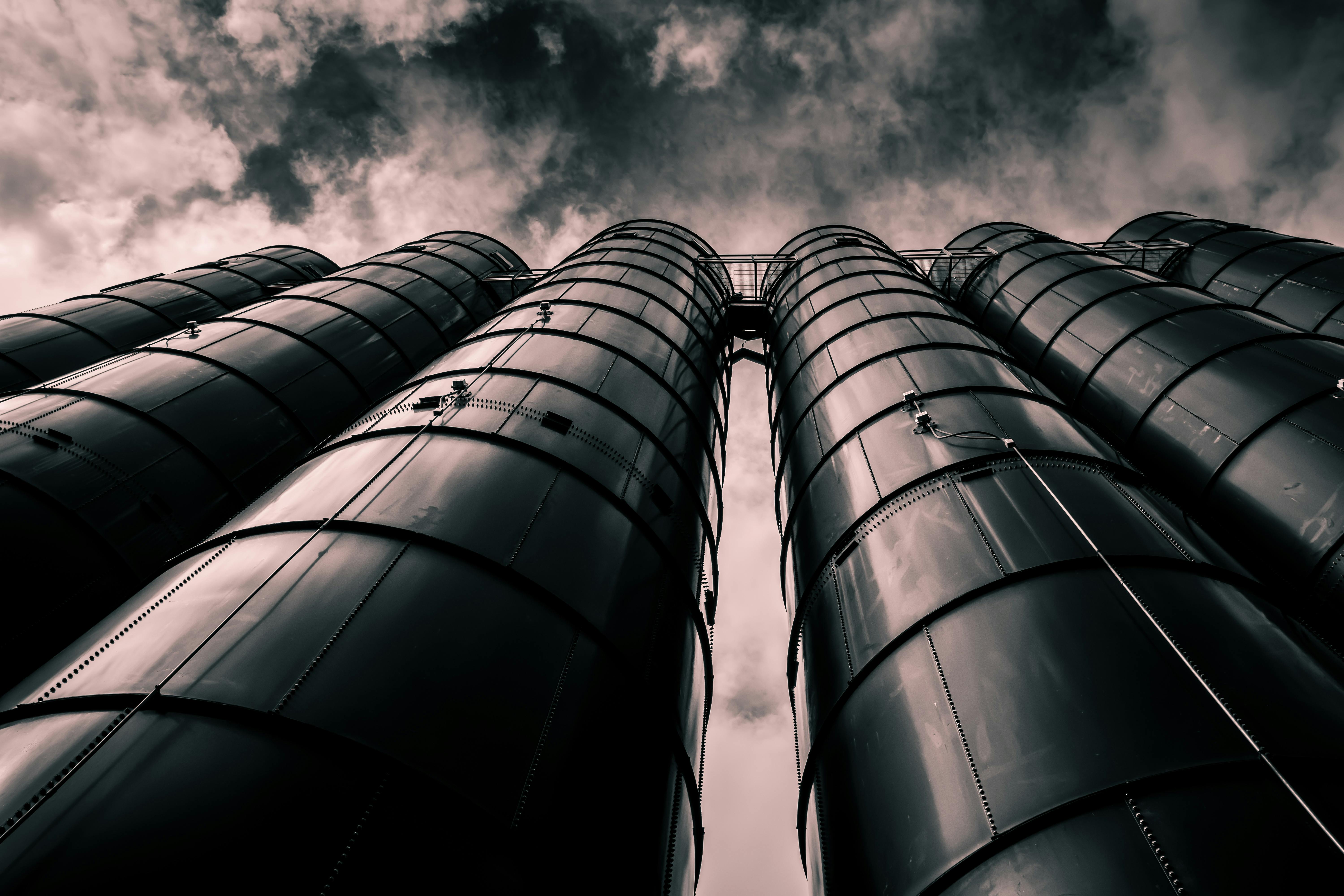
Biogas and biomethane are often billed as cleaner stand-ins for fossil gas, but a sweeping analysis suggests their methane leaks are bigger than many think. By pooling on-site and whole-site measurements from dozens of studies and running Monte Carlo simulations, researchers find that real-world emissions could be more than double earlier estimates. The heaviest losses cluster at the digestate stage—the handling and storage of leftover material after digestion—while a small group of “super-emitters” (about 5% of sites) accounts for roughly 62% of total methane released. Although total methane from biogas/biomethane is lower than from oil and natural gas, the percentage of gas lost is higher, threatening climate gains unless targeted fixes are deployed.
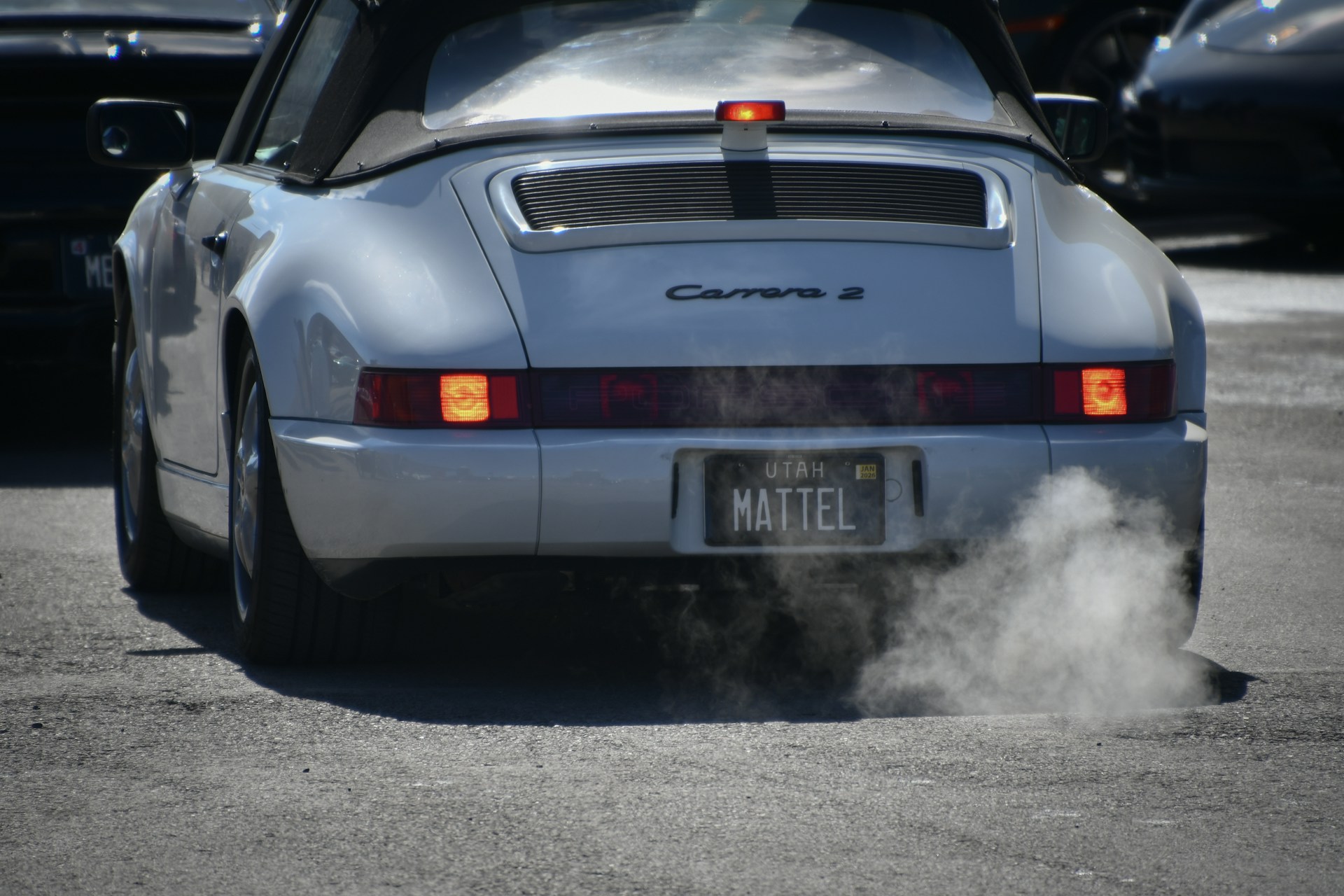
A summer-long remote-sensing campaign in Paris measured exhaust from more than 180,000 vehicles and uncovered stark gaps between lab promises and street reality. Petrol cars’ NOx fell steadily with each Euro standard, but diesel cars showed little improvement from Euro 2–5 and only modest gains at Euro 6—still averaging 4.8× the NOx of Euro 6 petrol and roughly 6× the lab limit. Heat mattered: Euro 5–6 diesel NOx rose 20–30% when ambient temperatures topped 30°C. Euro 5–6 diesels, though classed as Crit’Air 2, accounted for an estimated 63% of passenger-car NOx at the sites. Euro VI buses cut NOx sharply vs. Euro V, and early Euro 6d-TEMP diesels lowered NOx about 70% vs. earlier Euro 6 but still trailed petrol.
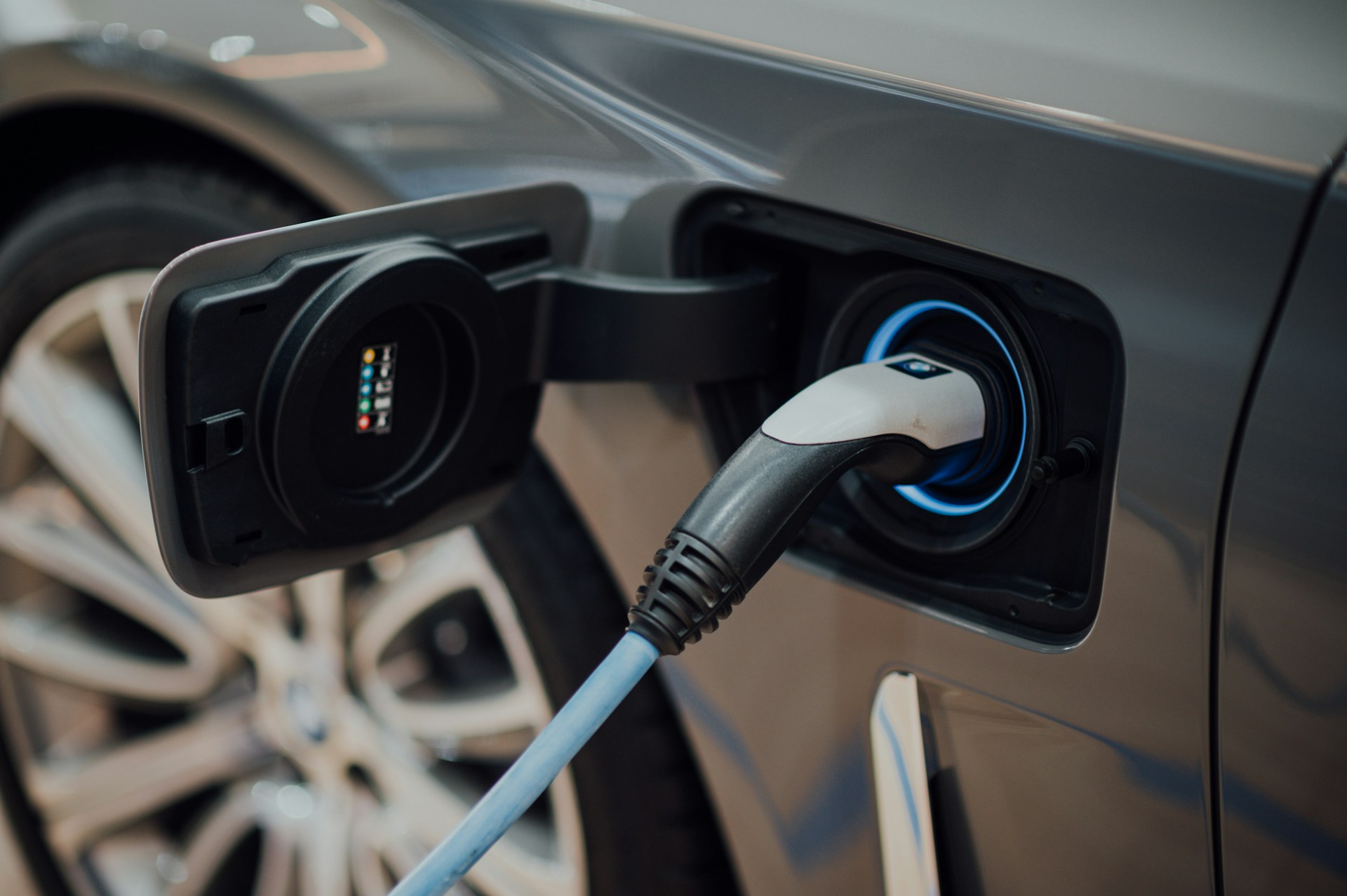
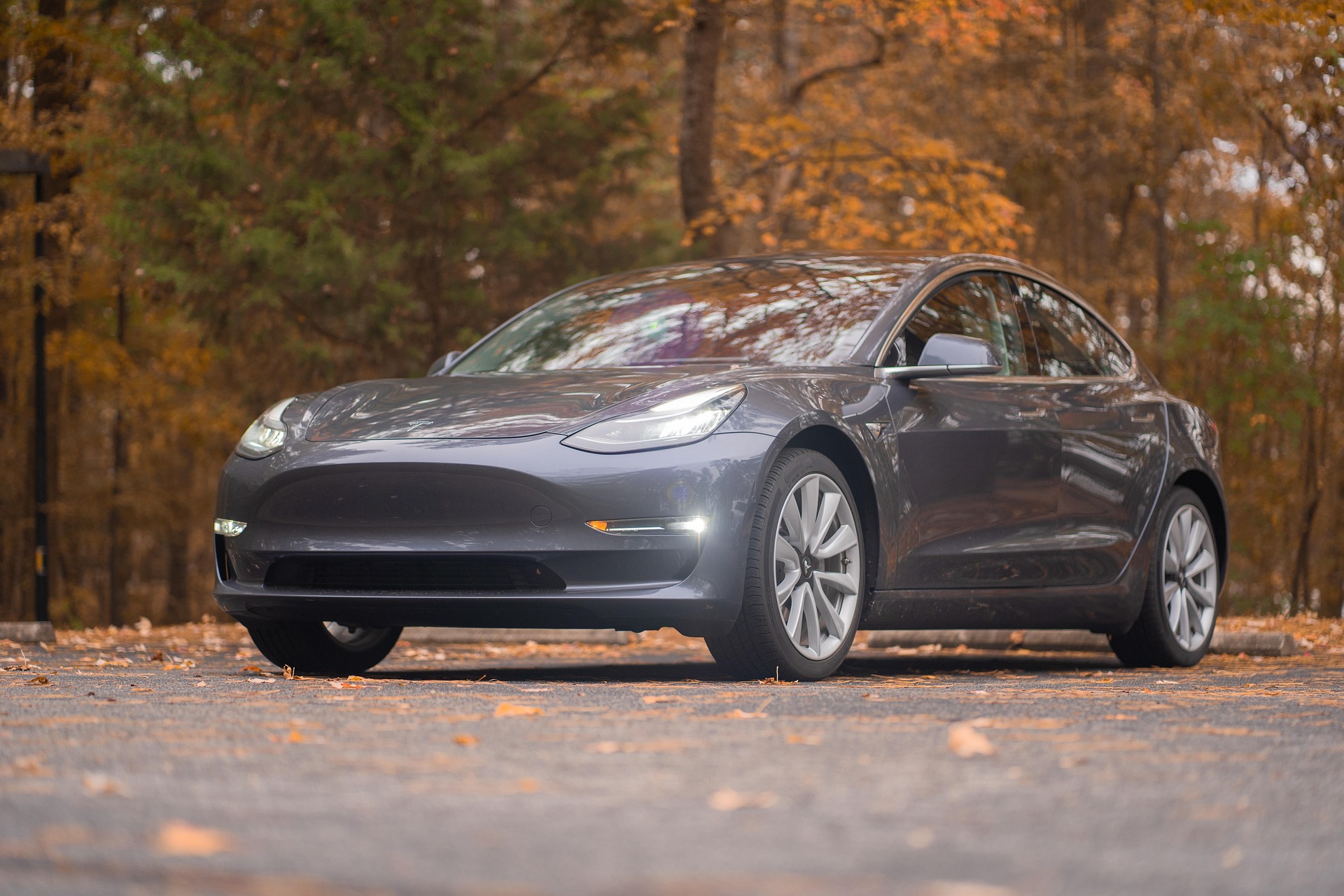
Norway has become the first country where more all-electric cars are on the road than petrol models, a symbolic tipping point in its decades-long push to electrify transport. New figures show 754,303 battery-electric cars versus 753,905 petrol cars among 2.8 million private vehicles, with diesel still the single largest category for now, as first reported by AFP via France 24 Electric cars overtake petrol models in Norway. Momentum is accelerating: in August 2024, zero-emission cars captured a record 94.3% of new registrations, according to Norway’s road federation Bilsalget i august 2024. Analysts credit generous, long-running incentives and a power system dominated by hydropower—roughly 89% of generation—reducing running costs and emissions Norway electricity mix. With policies intact, EVs are expected to surpass diesel on the road within the next few years.
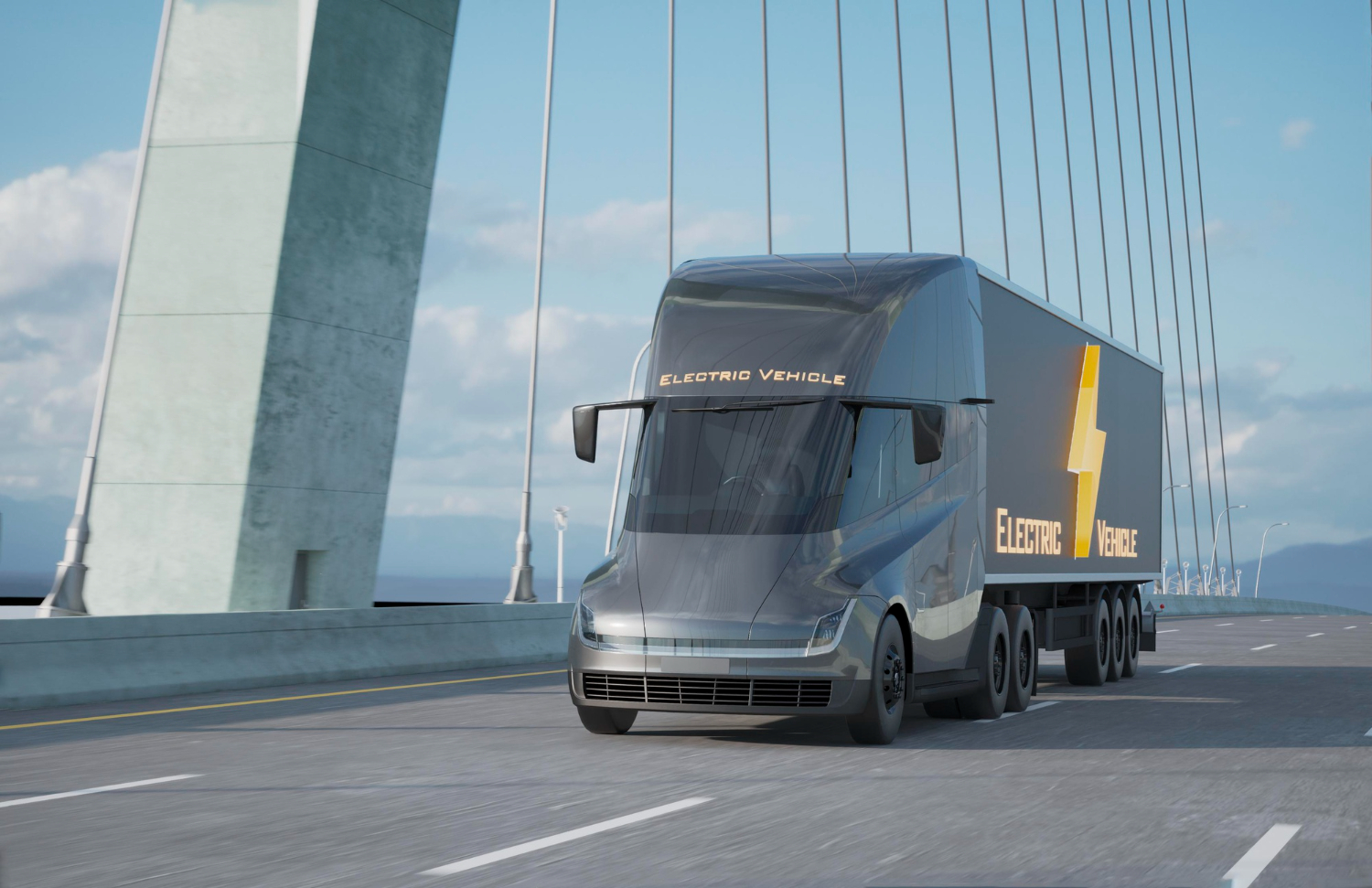
Uber Freight has launched a Dedicated EV Fleet Accelerator Program with Tesla to speed up adoption of electric Class 8 trucks. The scheme pairs purchase subsidies with guaranteed freight and route planning, lowering carriers’ risk while giving them operational guidance from Tesla on total cost of ownership. In a two-month pilot across Uber Freight’s network, Tesla Semis ran 12,377 miles with an average 1.72 kWh per mile, reinforcing the economics behind battery-electric long-haul freight, according to Uber Freight. The push aligns with Tesla’s plan to ramp Semi production in Nevada, where the first factory-built units are targeted by late 2025. Earlier pilots real-world runs have already highlighted durability and potential fuel and maintenance savings.
Tesla’s Gigafactory Berlin-Brandenburg has been awarded the European Ecolabel (EMAS), recognizing its progress in sustainability. The certification highlights extensive reforestation, reduced water use, solar expansion, and energy efficiency improvements. Officials describe Tesla’s factory as a model for how advanced industry and ambitious climate goals can work hand in hand.