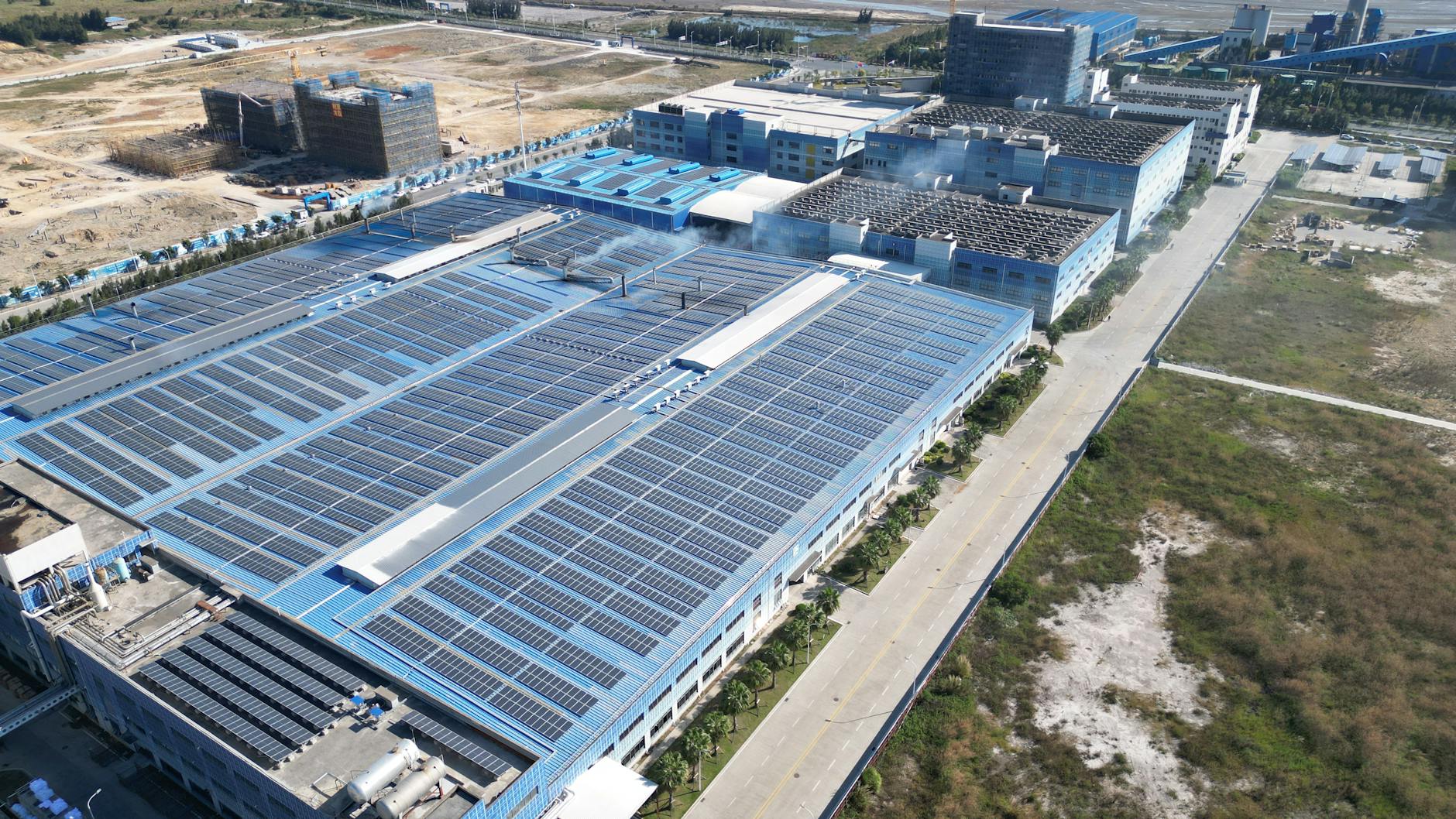
The U.S. solar industry is undergoing a monumental transformation, pivoting sharply towards domestic manufacturing. A staggering $12.2 billion is expected to be invested in U.S. solar factories by the end of 2026, marking a pivotal shift away from overseas reliance. This surge in homegrown production is crucial for building a more resilient, sustainable energy future and accelerating our progress in tackling climate change. With significant expansion in module and cell manufacturing capacity, the nation is building a robust foundation for cleaner energy independence.
The ongoing war has sparked a surprising push for cleaner energy and energy efficiency in many countries. While the conflict has highlighted the vulnerabilities of relying on fossil fuels, global efforts are not yet enough to curb climate change. Governments are walking a tightrope, promoting both sustainable solutions and traditional fossil fuel expansion. This critical moment underscores the urgent need for sustained, decisive action to protect our planet and accelerate the global energy transition.
A federal court in Michigan has dismissed a groundbreaking antitrust lawsuit brought by the state against several major oil and gas companies, including BP, Chevron, ExxonMobil, and Shell. The lawsuit alleged a conspiracy to delay the transition to renewable energy and electric vehicles, aiming to keep fossil fuels dominant. However, the court ruled that Michigan failed to prove a direct link between the alleged conspiracy and higher energy prices for residents. This decision underscores the challenges in holding fossil fuel giants accountable in court, impacting the broader push for sustainable solutions and electrification.
Climate Week NYC 2026 revealed a pressing paradox: while renewable energy is growing faster than ever, many companies struggle to access enough clean power to meet their climate targets. This "supply gap" highlights critical needs for infrastructure and market solutions. Simultaneously, as federal support for carbon removal wavers, US states are stepping up to back technologies that capture CO2 from the atmosphere, recognizing their vital role in meeting global climate goals. Both trends underscore the urgent need for action beyond targets to deliver a sustainable future.
A new study reveals that hundreds of chemicals capable of increasing breast cancer risk are pervasive in our daily lives, found in consumer goods, food, and even drinking water. Many of these substances are derived from fossil fuels and used widely in plastics. This alarming ubiquity suggests that environmental factors play a significant, often overlooked, role in rising breast cancer rates, especially among younger women. The research highlights an urgent need for better monitoring and stricter regulation to protect public health.
Doctors in rural Pennsylvania are realizing the profound, often hidden, health impacts of environmental disasters like train derailments, wildfires, and floods. Events such as the East Palestine train crash and Canadian wildfire smoke exposed gaps in medical training, revealing how extreme weather disproportionately affects vulnerable, under-resourced communities. As climate change intensifies these events, researchers are uncovering long-term consequences, including a surprising link between severe flooding and a rise in opioid overdose deaths. This urgent situation highlights the critical need for healthcare systems to become more climate-resilient and for communities to prepare for these escalating environmental challenges.
The 81st United Nations General Assembly opened with a sharp contrast in global climate visions for a sustainable future. Brazil's President Lula da Silva advocated for urgent decarbonization, forest protection, and technology transfer to combat a shared climate emergency. In stark opposition, U.S. President Donald Trump dismissed global warming warnings, rejected climate regulations, and championed fossil fuel expansion. This critical divide emerged as the world grapples with record-breaking heat, an impending El Niño, and escalating energy and geopolitical crises, underscoring the urgency of climate action.
Residents and environmental advocates in Effingham County, Georgia, are challenging a proposed $20 billion OpenAI data center, known as Project Camellia. This massive project, set to require a staggering 3.2 gigawatts of electricity, faces two lawsuits over alleged failures in public notification and transparency during key approval processes. Critics fear significant environmental impacts, including increased carbon emissions from new natural gas power plants needed to fuel the facility, alongside concerns about water usage and local community benefits. The legal battles highlight growing urgency for transparent processes as large-scale developments impact local environments and global climate goals.
Wall Street executives are voicing concerns that the growing focus on artificial intelligence's energy use is diverting attention from the planet's largest sources of greenhouse gas emissions. As global leaders gather for Climate Week, figures like Jefferies' Aniket Shah and former Vice President Al Gore are urging a shift back to confronting major polluters like transport and heavy industry. They argue that while AI's impact is present, it pales in comparison to the scale of other climate challenges, emphasizing the urgent need to address the real drivers of global warming.
The U.S. electric vehicle (EV) market is navigating a complex landscape. New EV sales saw a significant decline of nearly 47% in August 2026 compared to the previous year, highlighting a short-term market slowdown. However, the U.S. Energy Information Administration (EIA) projects a dramatically different future, suggesting battery-electric vehicles could comprise about 53% of annual U.S. light-duty vehicle sales by 2032 if current environmental standards are maintained. This shift is crucial for addressing climate change, as transportation remains a major source of carbon emissions.
Tesla's Full Self-Driving (FSD) system is now approved for use in Czechia, marking the seventh European Union country to clear the advanced driver-assistance technology for its roads. This approval follows earlier hesitation from Prague, which had concerns regarding safety and compliance. After extensive review and discussions, Czech officials are now confident in the system's ability to operate safely, emphasizing that driver responsibility remains paramount. This expansion represents another step forward for electric vehicles and their evolving capabilities, inching closer to smarter, more efficient transportation across the continent.
Apple's latest iPhone 18 Pro arrives with significant environmental updates beyond its new features. This new device incorporates 40% recycled materials by mass and relies on 50% renewable electricity during its manufacturing. However, each iPhone 18 Pro still carries a notable carbon footprint, primarily due to its production process. These efforts highlight the critical role of sustainable manufacturing in combating global warming and driving progress towards cleaner technologies in the consumer electronics sector. It's a step forward, emphasizing the urgent need for greener solutions across the industry.