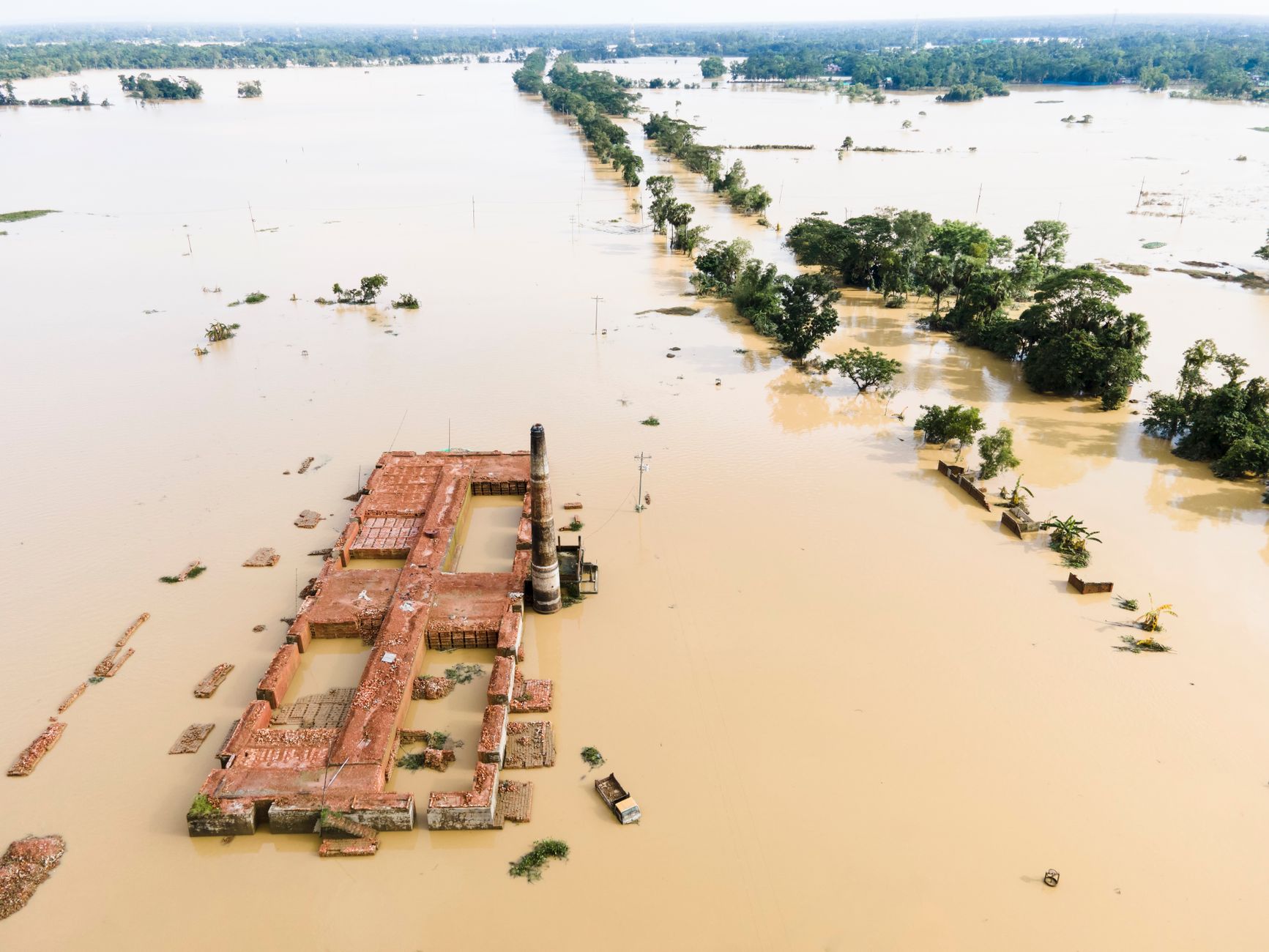
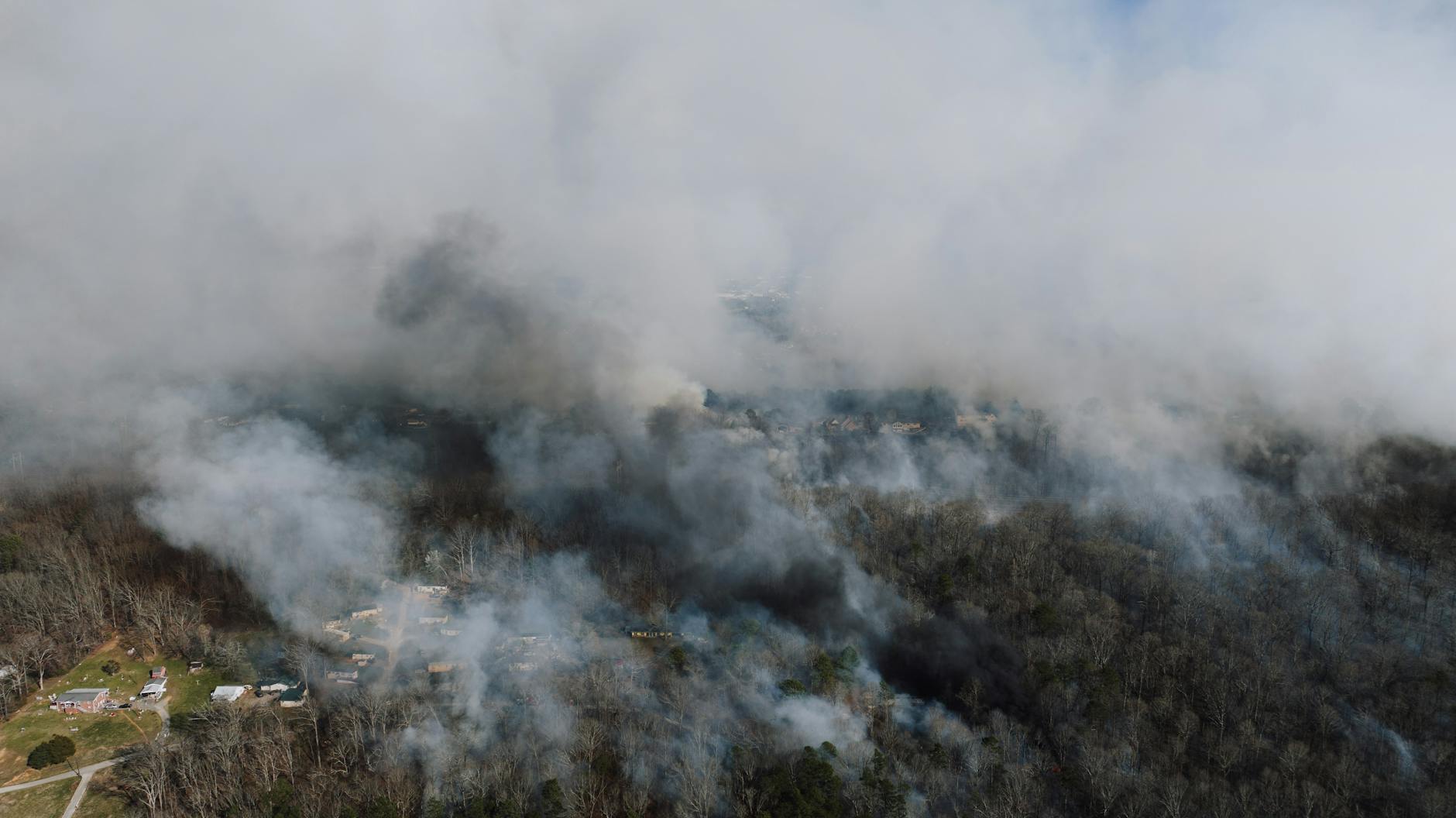
Global efforts to combat climate change are accelerating, with new rules strengthening carbon markets and promoting cleaner technologies like low-carbon ammonia and renewable fertilizers. Simultaneously, a stark warning from the UN Environment Programme confirms the world is already exceeding the critical 1.5°C warming limit, intensifying the need for immediate mitigation and adaptation. This comes as Nepal demands financial justice from major emitters following a devastating glacial flood, highlighting the growing legal obligations for climate accountability. As nations prepare for a hotter future, integrating sustainable solutions and collective action becomes paramount.
New research from Oregon State and Portland State Universities reveals alarming levels of lead contamination near Hillsboro and Troutdale airports. This lead, traced back to fuel used by small aircraft, poses significant health risks, especially for children, where even low levels can cause irreversible cognitive decline. The findings highlight a critical environmental and public health concern that impacts communities surrounding thousands of small airports across the nation, underscoring the urgent need for cleaner aviation solutions.
Tesla has officially launched its groundbreaking Cybercab service in Austin, Texas, marking a significant step into the future of urban transportation. These fully autonomous vehicles are designed without traditional steering wheels or pedals, offering a completely new ride-hailing experience. This bold introduction has quickly garnered attention from the National Highway Traffic Safety Administration (NHTSA), which has opened an inquiry into Tesla's self-certification process. The agency aims to understand how this pioneering electric vehicle, lacking conventional manual controls, meets federal safety standards, highlighting the crucial scrutiny new, sustainable technologies face.
A rare gray wolf has been spotted in Lake County, California, marking an exciting expansion for this endangered species. Wildlife officials confirmed the sighting, which is a hopeful sign for the wolves' return to their natural habitats in the state. This comeback highlights the crucial importance of conservation efforts and the delicate balance of our ecosystems. However, the federal protection status of these magnificent animals remains a subject of ongoing debate, underscoring the urgency of continued environmental action.
Tesla recently debuted its all-electric Cybercab in Austin, Texas, initiating unsupervised ride-hailing services. This innovative vehicle, completely lacking a steering wheel or pedals, represents a significant leap towards fully autonomous, sustainable transportation. Its groundbreaking design has naturally attracted attention from the National Highway Traffic Safety Administration (NHTSA), which has opened an inquiry into its certification process. This development underscores the rapid advancement of clean energy solutions and the crucial need for careful regulatory review as we transition to an electrified, driverless future.
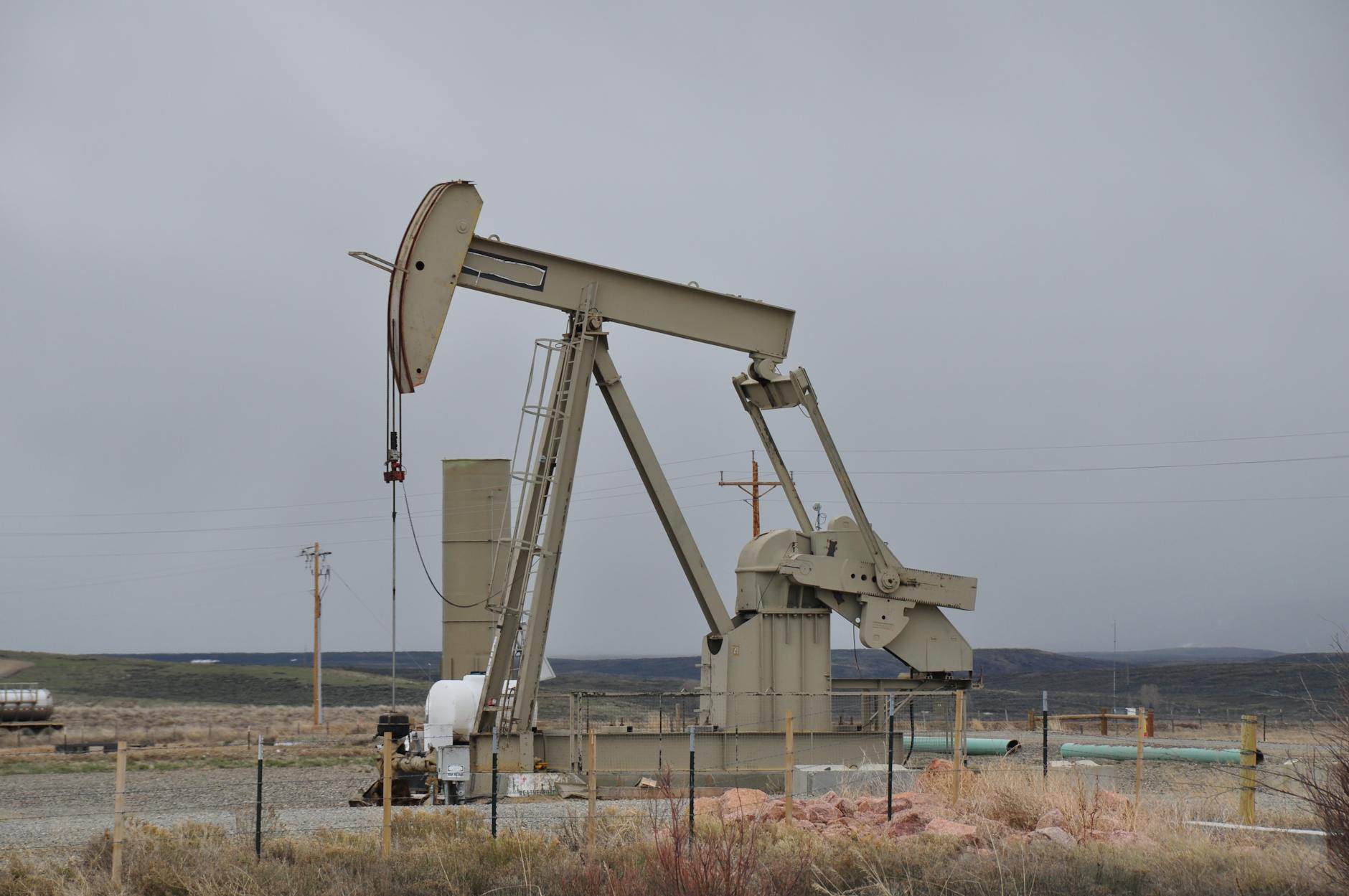
A significant error by the Bureau of Land Management (BLM) has raised alarms in Wyoming, as federal documents for massive oil and gas leases included incorrect environmental analyses. This misstep comes as new rules are being proposed to roll back environmental protections and public input, threatening critical wildlife habitats across nearly 380,000 acres. The situation underscores the urgent need for robust oversight and sustainable land management to protect our natural heritage from unchecked fossil fuel expansion.
A new report reveals that Black and Hispanic homeowners across the U.S. face significantly higher home insurance premiums, adding to their financial strain amidst worsening extreme weather. This disparity, highlighted by the Consumer Federation of America, means communities of color are at greater risk as climate change fuels more frequent and costly disasters. The findings underscore how historical injustices continue to impact economic stability and disproportionately burden vulnerable populations in the face of a rapidly changing climate.
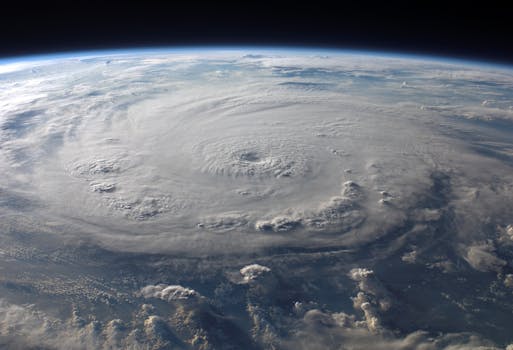
Hawaii is bracing for the potential impacts of Hurricane Lowell, one of three powerful hurricanes currently active in the Pacific – a rare occurrence in over a decade. Lowell, which briefly reached Category 5 strength, is expected to remain a major hurricane as it approaches the islands this weekend. While its exact path is still uncertain, residents can expect significant waves, strong winds, and heavy rainfall. This unusual activity highlights the increased intensity and frequency of such events, signaling a clear call for global warming awareness and climate action.
A new report from the United Nations Environment Programme (UNEP) warns that global warming is likely to exceed the critical 1.5°C threshold within years. This isn't a sign to give up, but rather calls for a new, urgent strategy: allow a temporary overshoot, reach the lowest possible peak temperature, and then actively bring global temperatures back down. This path demands much faster cuts in emissions, stronger climate resilience, and a significant boost in carbon dioxide removal technologies. The fight to protect our planet is intensifying, requiring unprecedented global action.
Wildfires increasingly dominate headlines, but their growing intensity and frequency tell a deeper story than just seasonal events. These infernos are stark reminders of how our climate is changing, creating conditions ripe for destruction. Experts are looking beyond immediate emergencies to understand the profound connections between global warming and wildfire patterns. Recognizing these links is crucial for protecting our communities, vital ecosystems, and the very air we breathe from escalating climate impacts.
New research from the Harvard T.H. Chan School of Public Health reveals a concerning link between rising temperatures and workplace injuries. The study, analyzing 2023 OSHA reports, found that incidents like falls, burns, and cuts become significantly more likely on hot days. This isn't just an outdoor problem; indoor workers in sectors like manufacturing and healthcare are also at heightened risk. As our planet warms and heat waves intensify, understanding these dangers becomes crucial for protecting workers globally.
For years, scientists have wondered if human-caused global warming is intensifying El Niño, a powerful climate phenomenon. Now, new research looking at centuries of coral records suggests a clear link. This groundbreaking study indicates that El Niños have become significantly stronger since the Industrial era, fueling more extreme weather events worldwide. As a record-breaking "super" El Niño currently gains strength, these findings underscore the urgent need to address climate change and its escalating impacts on our planet.