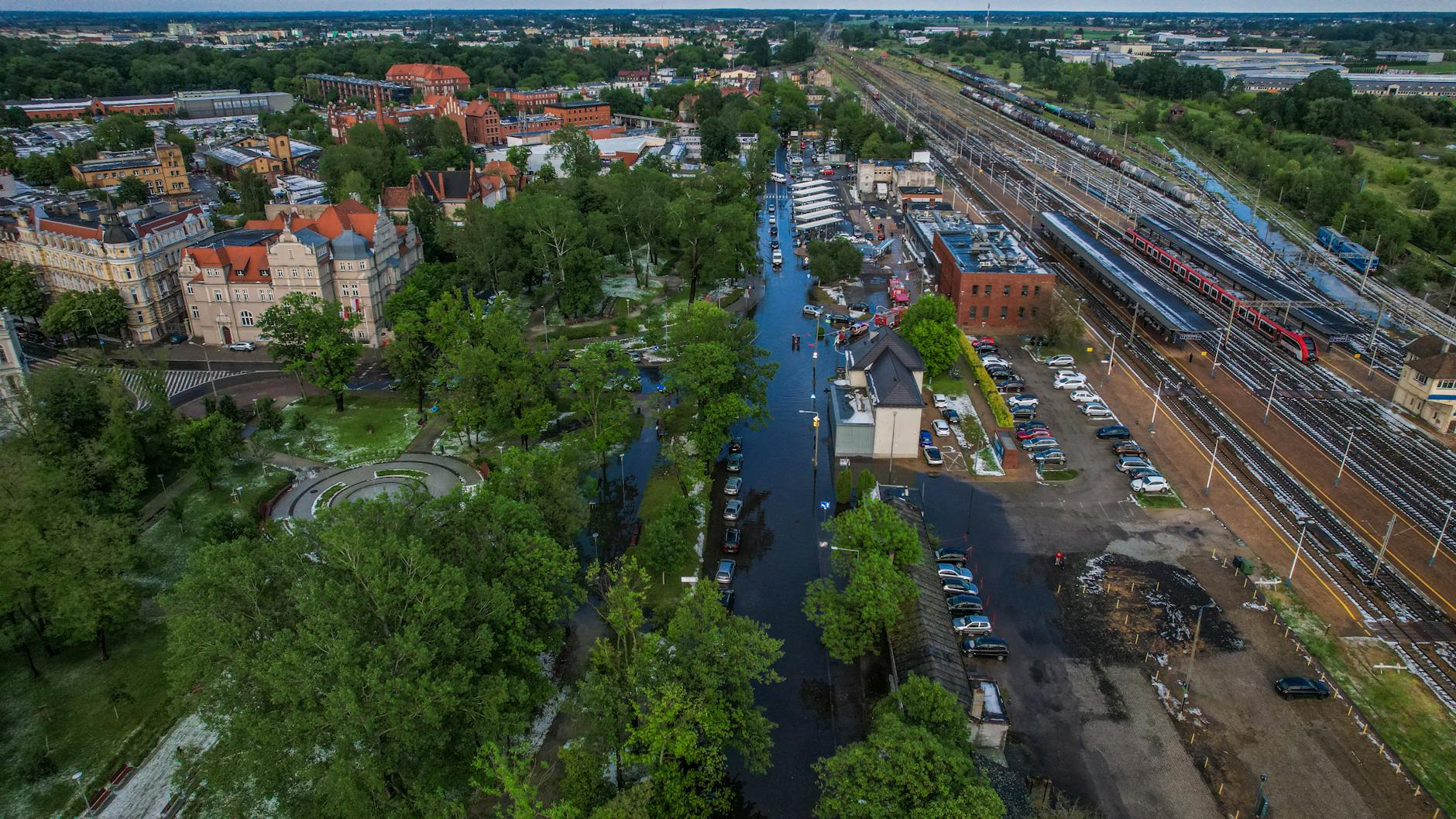
Europe experienced a devastating summer in 2026, with an estimated 40,000 heat-related deaths across the continent. Germany alone saw 16,000 fatalities, overwhelming its advanced healthcare systems. Despite accurate weather forecasts, experts at the Extreme Weather Congress in Hamburg revealed a critical disconnect: our ability to predict dangerous heat far exceeds our preparedness to protect vulnerable populations. This tragic toll underscores the urgent need to overhaul outdated infrastructure and emergency responses, acknowledging that our climate has fundamentally changed. The warming world demands immediate, comprehensive action to prevent future catastrophes.
The Pacific Northwest, often thought of as rainy, is experiencing increasingly unpredictable weather due to climate change. Winters bring heavy but inconsistent storms, while summers are growing hotter and drier, making it tough for farmers to manage water. However, the Outback Farm at Western Washington University found a clever solution. By installing soil moisture sensors, they've drastically cut down on irrigation, adapting effectively to these changing conditions and setting an example for sustainable farming practices. This innovative approach highlights the urgent need for environmental action and smart solutions in agriculture.
Hawaii's iconic North Shore beaches are rapidly eroding due to rising sea levels, posing a critical threat to both natural beauty and public access. Property owners, desperate to protect their investments, often build temporary barriers like seawalls, which inadvertently cause beaches to disappear even faster. This escalating crisis highlights a stark conflict between private property interests and the vital need to preserve Hawaii's public trust beaches for future generations. The state has responded with tough new laws, banning shoreline armoring and requiring sellers to disclose climate risks, pushing Hawaii to the forefront of climate adaptation policy. However, the future of these cherished coastlines depends on embracing more sustainable solutions and recognizing the urgency of climate action.
Hurricane Polo, after two significant landfalls in Mexico, is now set to unleash its most widespread impact across the U.S. Southwest and Great Plains. This former Category 2 hurricane, tied as one of the strongest to hit Baja California Sur, is transforming into a major rainmaker for drought-stricken regions. Its remnants are combining with other moisture to bring days of heavy downpours, raising urgent concerns about flash flooding from Arizona to Oklahoma. This event highlights the complex challenges of extreme weather in a changing climate, underscoring the need for strong environmental action.
California has enacted a new law, Assembly Bill 1448, to significantly strengthen protections against offshore oil and gas drilling along its cherished coastline. Signed by Governor Gavin Newsom, this legislation aims to prevent the Trump administration's efforts to expand fossil fuel operations in federal waters. By making it illegal for new federal leases to use existing state infrastructure, California is drawing a clear line, safeguarding its marine environment and coastal communities from the devastating risks of oil spills. This move underscores the critical importance of protecting our oceans from environmental damage and transitioning towards cleaner energy solutions.
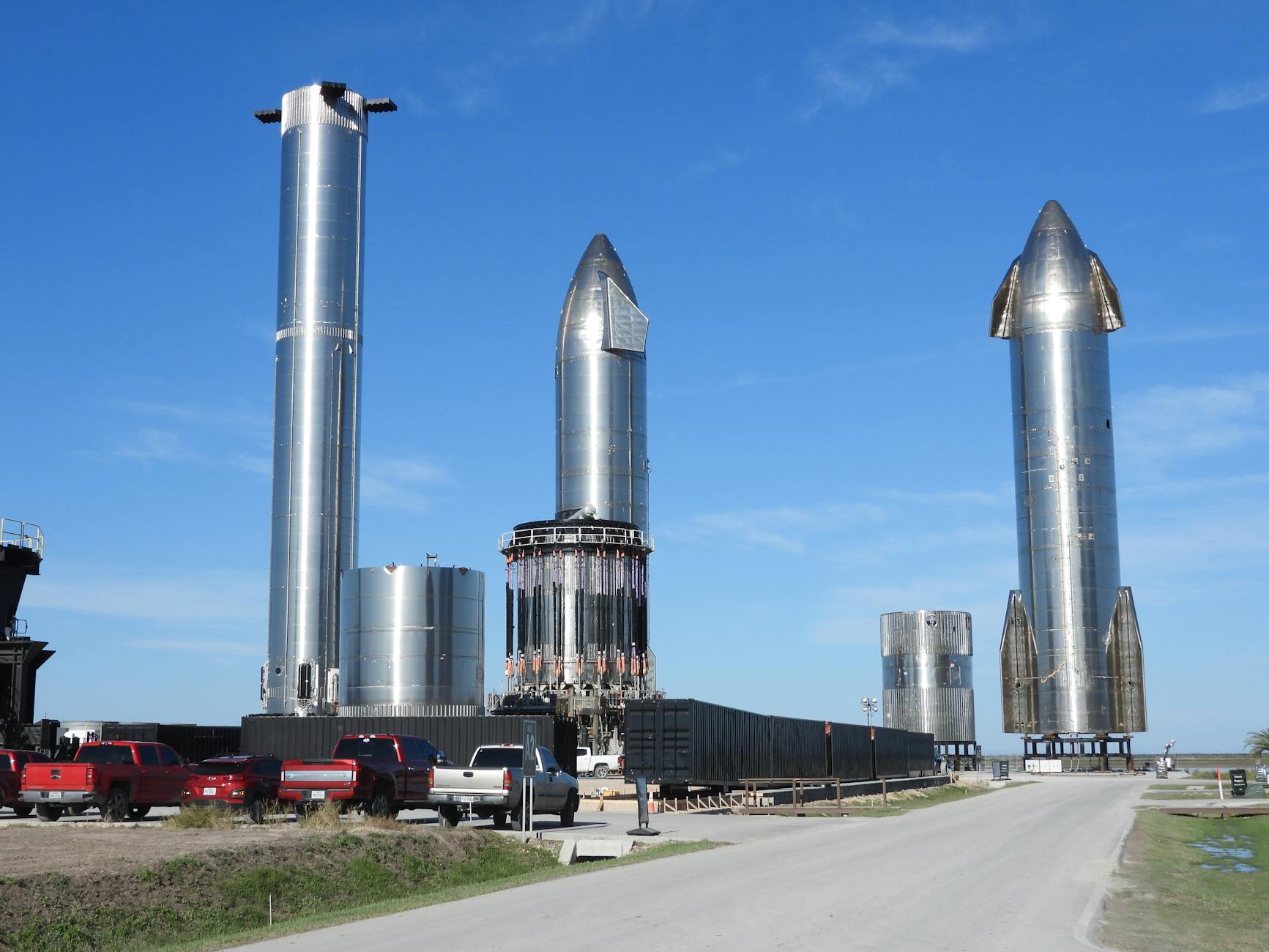
SpaceX’s Starship achieved orbit for the first time, a major milestone despite a dramatic start. During its Flight 14 ascent, one of the six Raptor engines shut down early, leading to initial hesitation from the flight control team. However, in a bold reversal, engineers pressed forward, successfully pushing the massive rocket into orbit. This ambitious flight not only demonstrated Starship's capabilities but also launched a crucial set of next-generation Starlink V3 satellites, signaling a significant leap for global internet connectivity.
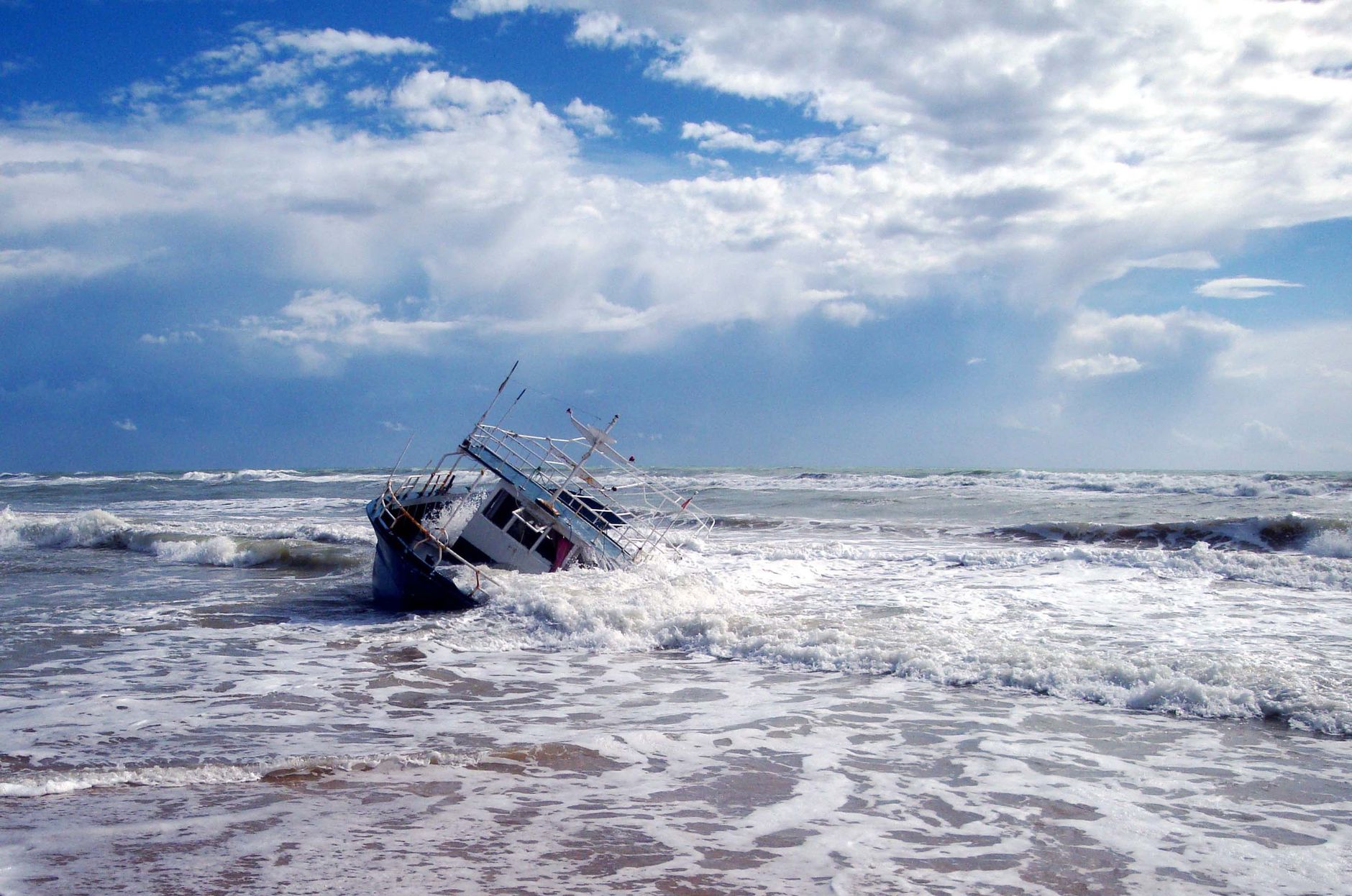
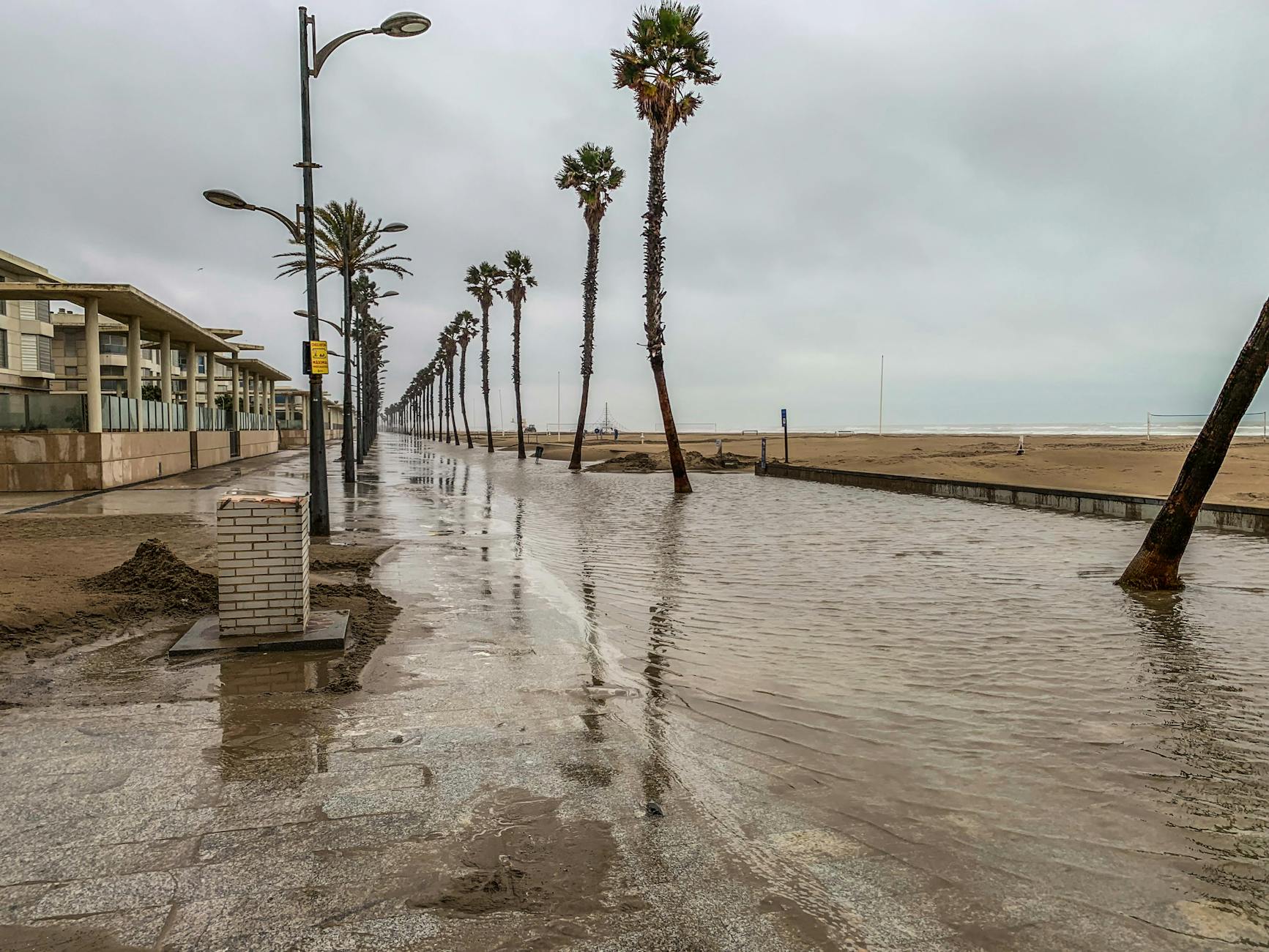
A powerful nor'easter recently exposed the remains of a possible 19th-century shipwreck on Nantucket Island, Massachusetts. Maritime experts are now investigating if the weathered timbers belong to the Warren Sawyer, a schooner lost in 1884. This remarkable discovery highlights the dramatic impact of increasingly intense storms and accelerating coastal erosion on our vulnerable shorelines. As extreme weather events become more frequent, they not only reshape our natural landscapes but also reveal hidden pieces of history, underscoring the urgent need for climate action.
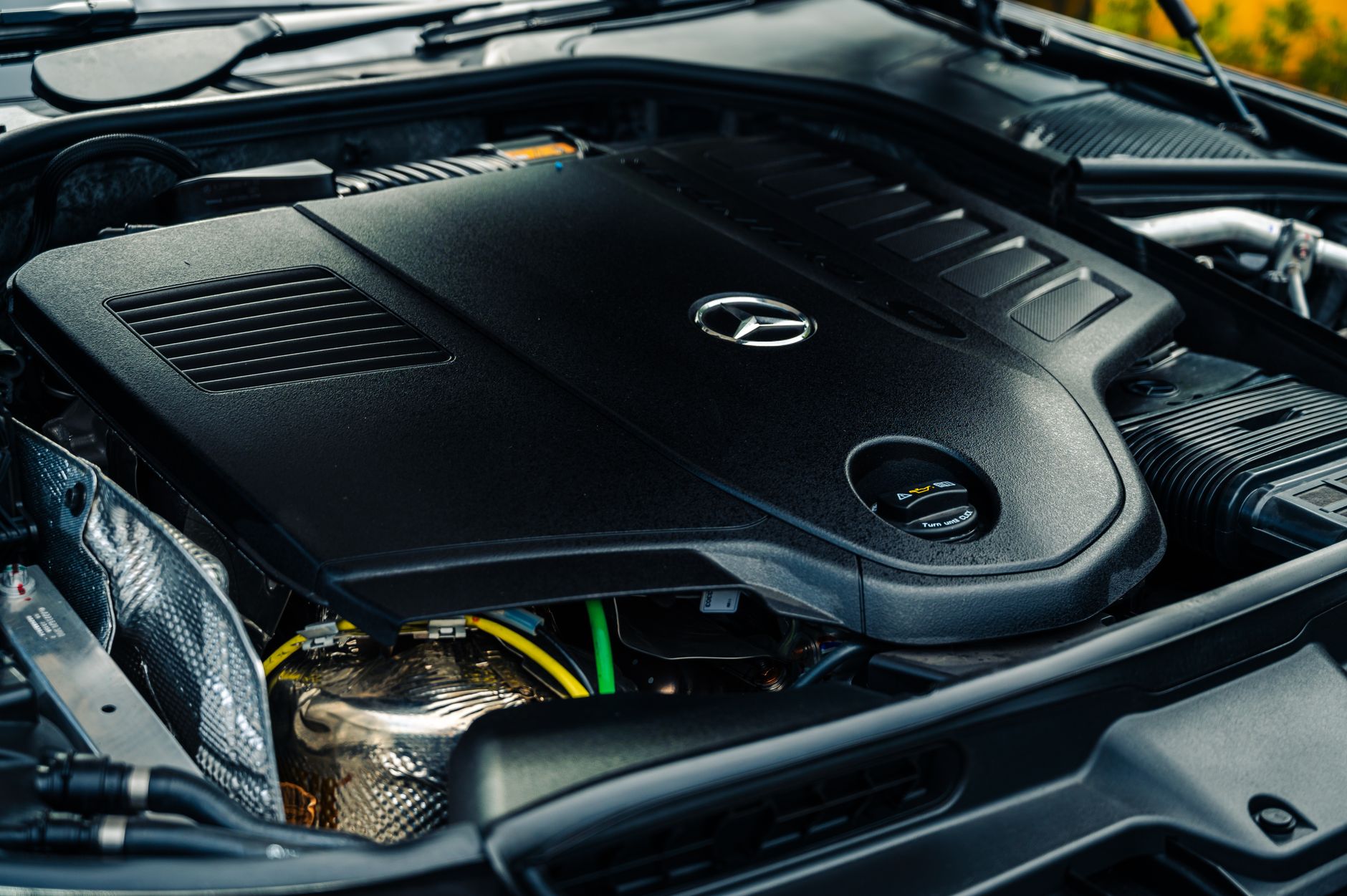
Mercedes-Benz is intensifying its commitment to electric vehicles by securing priority access to ProLogium’s cutting-edge Gen4 solid-state battery cells. This expanded partnership aims to bring significantly higher-energy, safer, and more efficient batteries to future EVs. Such advancements are crucial for making electric cars even more appealing to consumers, extending driving ranges, and accelerating the global shift away from fossil fuels. Ultimately, this collaboration highlights a critical step towards more sustainable and environmentally friendly transportation solutions, essential for addressing climate change.
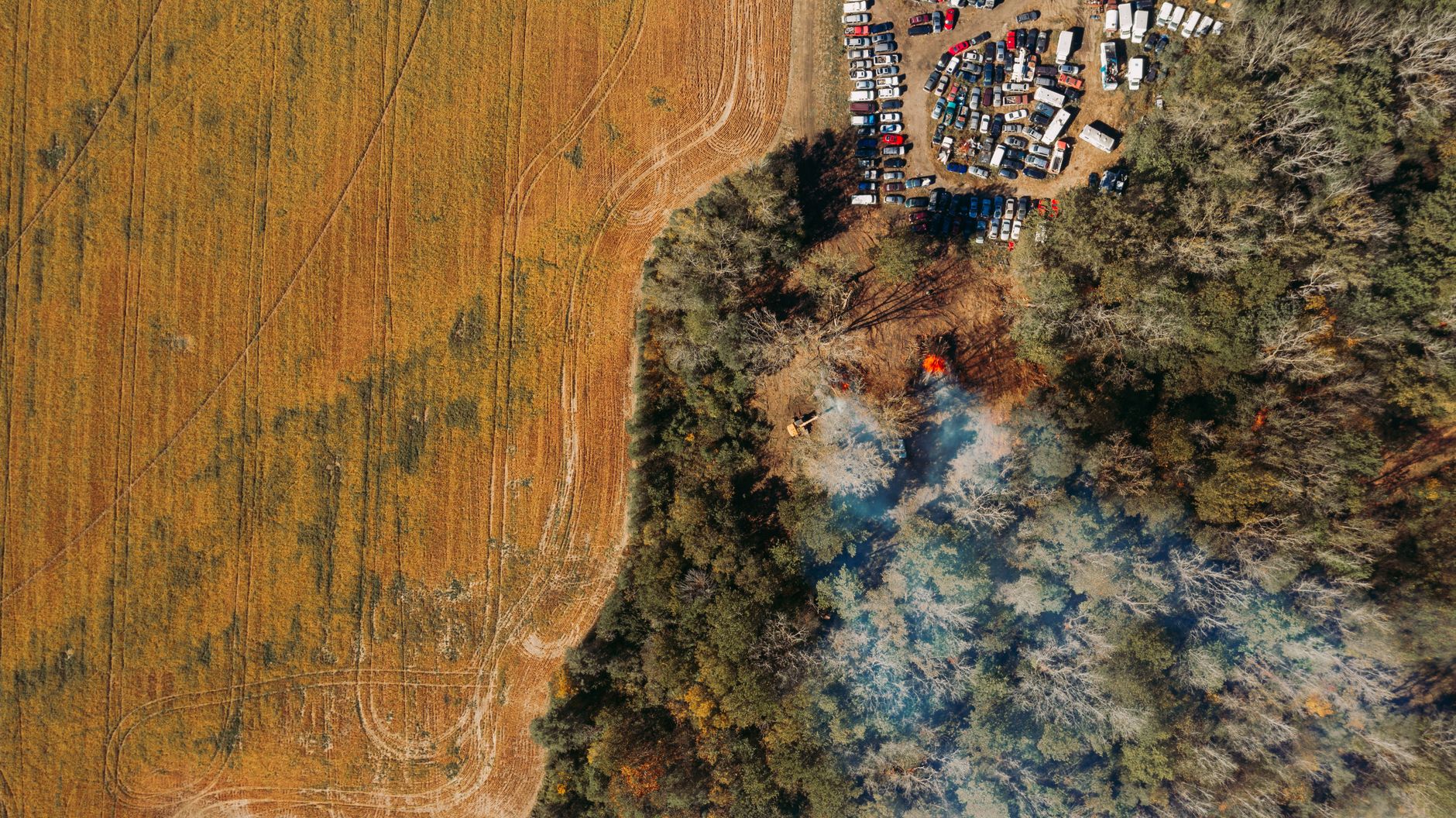
Wildfires are an increasing global threat, making the work of firefighters more dangerous than ever. Thankfully, new technologies are stepping up to the challenge. Drones are already critical tools, helping map blazes and identify dangerous hotspots from above, dramatically enhancing safety for ground crews. Now, the U.S. Forest Service and researchers are exploring the next frontier: ground robots and artificial intelligence. These advancements promise to revolutionize how we detect, track, and suppress wildfires, protecting both our communities and the brave individuals on the front lines, all while adapting to a changing climate.
California is making significant strides toward its ambitious "30x30" conservation goal, aiming to protect 30% of its lands and coastal waters by 2030. The state has nearly achieved its land target, now at 27.1% conserved, thanks to recent federal designations and ongoing efforts. However, progress in safeguarding coastal waters is trailing behind, currently at 21.9%. This initiative is crucial for preserving California's unique biodiversity and natural systems, which are vital for a healthy environment and combating the impacts of climate change, especially as federal protections face potential rollbacks.
The planet is bracing for an El Niño event so extreme it's unlike anything scientists have observed in over a millennium. Climate expert Daniel Swain from UCLA’s Institute of the Environment and Sustainability warns this event is a significant discharge of heat from our warming oceans, signaling uncharted territory for Earth's climate. This 'record-shattering' phenomenon, fueled by accumulating global warming, is set to drive global temperatures to new highs in late 2026 and into 2027, potentially giving us a glimpse of life beyond the critical 1.5°C warming threshold. Its far-reaching effects will bring dramatic, regionally specific weather extremes.
Tesla's much-anticipated Roadster is getting a serious boost with a new patent designed to keep it glued to the road at breathtaking speeds. This innovative "Electric Car Fan" system aims to generate crucial downforce no matter the vehicle's speed, allowing the all-electric supercar to unleash its full power. This groundbreaking approach ensures that the Roadster's expected sub-two-second 0-60 MPH time and 250+ MPH top speed are not just dreams, but safely achievable realities, further showcasing the immense potential of electrification in pushing automotive limits sustainably.