SpaceX's Starship achieved its first orbital flight, marking a pivotal moment despite an early engine shutdown that almost halted the mission. Flight controllers made a dramatic, last-minute decision to proceed, pushing Ship 41 into orbit after intense deliberation. This success is not just a technological triumph but also crucial for deploying the next generation of Starlink V3 satellites, which are too large for existing rockets and promise significantly enhanced internet service worldwide. The event showcases SpaceX's determined approach to space exploration and its impact on global connectivity.
Japan Airlines (JAL) is taking significant steps to reach its ambitious net-zero CO₂ emissions goal by 2050. The airline reported a notable reduction in aircraft emissions to 9.13 million metric tons in FY2025, surpassing its own target. Rather than solely relying on carbon offsets, JAL is implementing a multi-pronged approach that prioritizes fuel-efficient aircraft, operational improvements, and the increasing use of sustainable aviation fuel (SAF). This comprehensive strategy highlights the urgent need for aviation to drastically cut its environmental footprint and move towards cleaner travel options, demonstrating a clear commitment to tackling the climate crisis head-on.
Tesla is revolutionizing how electric trucks are made, moving towards an unprecedented level of automation for its Semi. The company aims for a 'zero human touch point' production pipeline, from battery cell manufacturing in Texas to final assembly in Nevada. This innovative approach promises to streamline operations, cut waste, and improve quality. It's a significant step not only for manufacturing but also for scaling up the production of emission-free commercial transport, crucial for a healthier planet.
Museums serve as powerful platforms for public education, offering engaging ways to understand complex scientific topics like climate change. The Griffin Museum of Science and Industry in Chicago is leading the charge, creating exhibits that not only inform but also inspire action. Chevy Humphrey, the museum’s CEO, emphasizes their role in providing facts that empower visitors to develop their own insights and agency. This approach is crucial for addressing the urgent global warming crisis and fostering a deeper understanding of our planet's future.
As a powerful El Niño system batters California's coast, communities are installing massive rocks and seawalls to protect homes and vital infrastructure like train tracks. However, this immediate defense comes with a heavy price: the potential permanent loss of California's cherished sandy beaches. Experts warn that these barriers, while saving structures now, prevent beaches from naturally retreating inland as sea levels rise due to global warming. This creates a challenging dilemma between short-term property protection and the long-term environmental health and public access to our iconic coastlines. The urgency of climate change is bringing this difficult choice to a head.
Tesla is revolutionizing electric truck manufacturing with an innovative, highly automated process for its all-electric Semi. This groundbreaking system aims for "zero human touch" in handling 4680 battery cells, from production in Giga Texas to final assembly in Nevada. Such advancements are critical for scaling up clean transportation and accelerating the shift away from fossil fuels. By streamlining production, Tesla paves the way for a future where sustainable, emission-free heavy-duty vehicles become a common sight, drastically reducing our carbon footprint. This initiative highlights the urgent need for environmental action and the immense benefits of electrification.
The Pacific basin is buzzing with intense tropical activity as September ends, featuring powerful hurricanes Polo and Nolo, and developing Tropical Storm Rachel. Hurricane Polo poses an immediate, life-threatening danger to Baja California, bringing destructive winds and severe flash flooding. This unusual flurry of activity in the Pacific stands in stark contrast to an exceptionally quiet Atlantic season, highlighting a dramatic shift in global weather patterns that demands our attention and preparedness in a changing climate.
Great Nicobar, an island of ancient forests and vibrant marine life, faces an uncertain future. A massive government development project is set to transform this ecological marvel with a new port, airport, and township. This ambitious plan threatens to destroy millions of trees, dredge precious coral reefs, and shatter the traditional way of life for indigenous communities like the Shompen and Nicobarese. The unfolding situation highlights a critical conflict between rapid human development and the preservation of irreplaceable natural and cultural heritage.
This summer, extreme heat returned to Europe, claiming at least 30,000 lives, acting as a silent, invisible threat. This deadly warmth disproportionately impacted the poor, the very young, the elderly, and those already suffering from health issues. While heatwaves are a growing global concern due to climate change, new insights from Bologna, Italy, highlight a critical "thermal injustice"—how different people experience radically varied temperatures within the same city. This unequal burden underscores the urgent need for equitable climate action and protective measures.
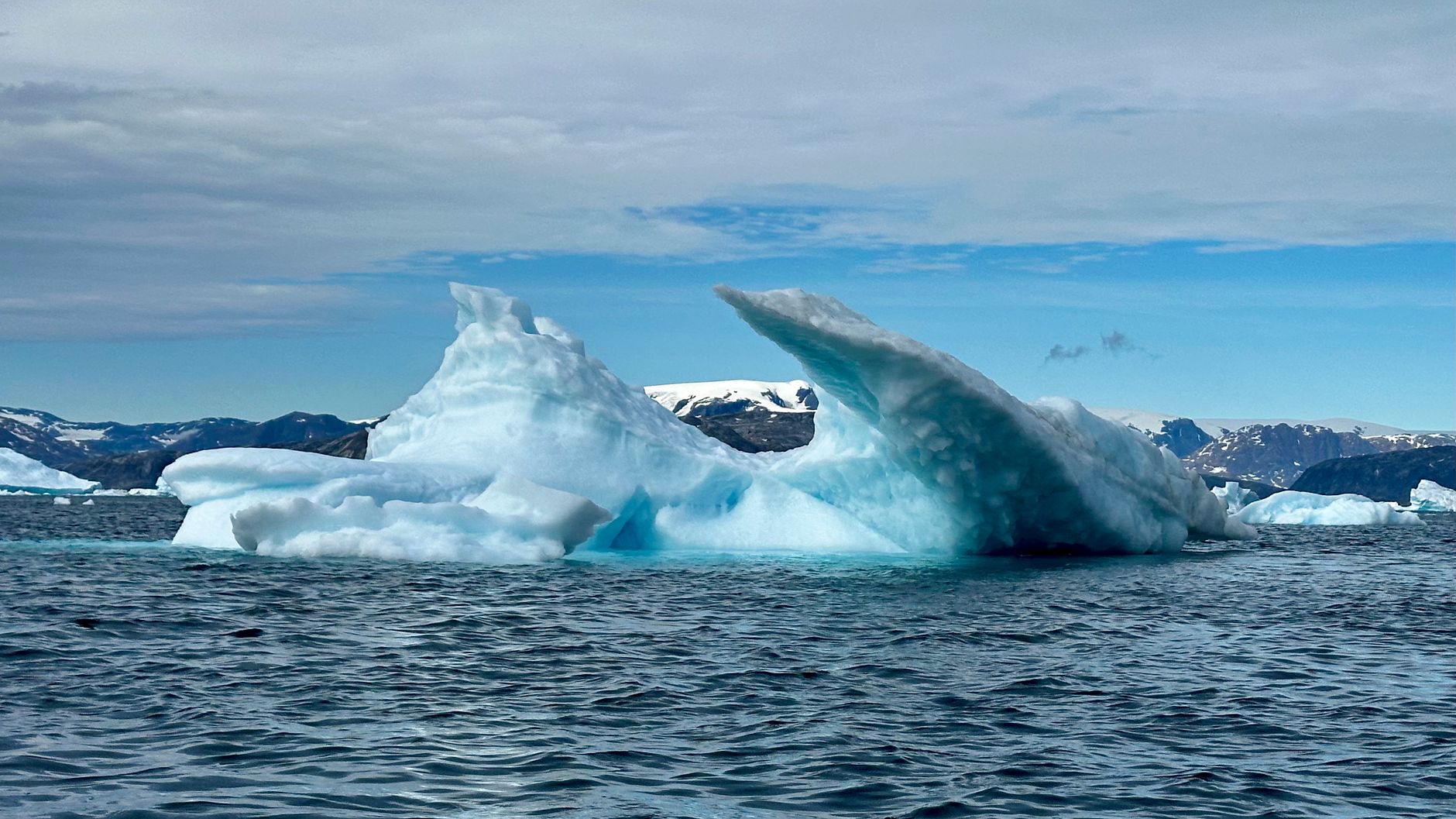
Global efforts to tackle climate change are advancing, with Brazil striving to unify international carbon markets and Verra launching a new standard for supply chain emission reductions. The OECD now offers a tool to track climate policies across 50 countries, providing crucial insights into global progress. Yet, the urgency of environmental action is underscored by a recent study revealing that Greenland and Antarctica have lost a staggering 11.3 trillion tons of ice since 1979. This melt has contributed to a 3.14 cm rise in global sea levels, highlighting the immediate need for sustainable solutions.
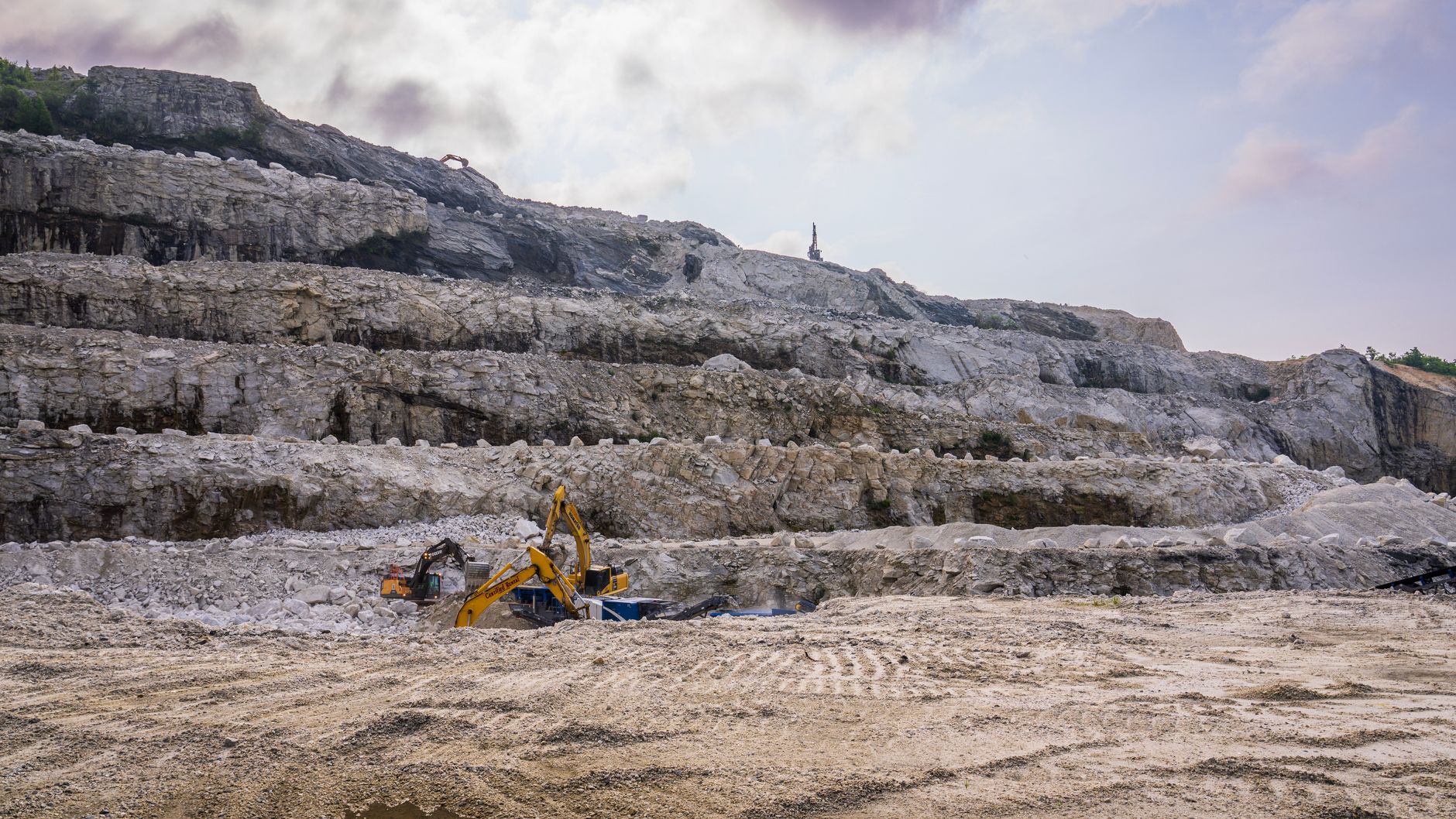
Residents of the serene California village of Wrightwood are in an urgent fight against a massive quarry planned near their homes. This industrial project, approved with "vested rights" in 2019, controversially bypassed a full environmental review, largely unnoticed by the community. Local residents, who only recently learned of the plans, fear devastating impacts on their air, water, wildlife, and even critical wildfire evacuation routes. Their newly formed Lone Pine Canyon Protection Alliance is now mobilizing to challenge a decision they say was made without proper public input, highlighting a significant environmental and community justice struggle.
The global effort to combat climate change is seeing significant movement, from ambitious carbon market integrations to stark warnings from melting polar ice caps. Brazil is positioning itself as a leader in harmonizing global carbon markets, even as new methodologies for emission reduction projects gain traction. Meanwhile, a critical new study reveals alarming rates of ice loss in Greenland and Antarctica, directly contributing to rising sea levels. These developments underscore both the urgent need for action and the innovative steps being taken worldwide to address environmental challenges.