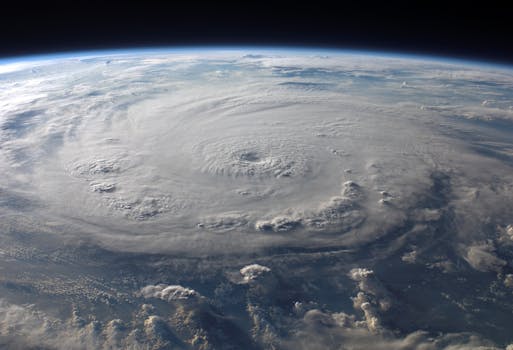
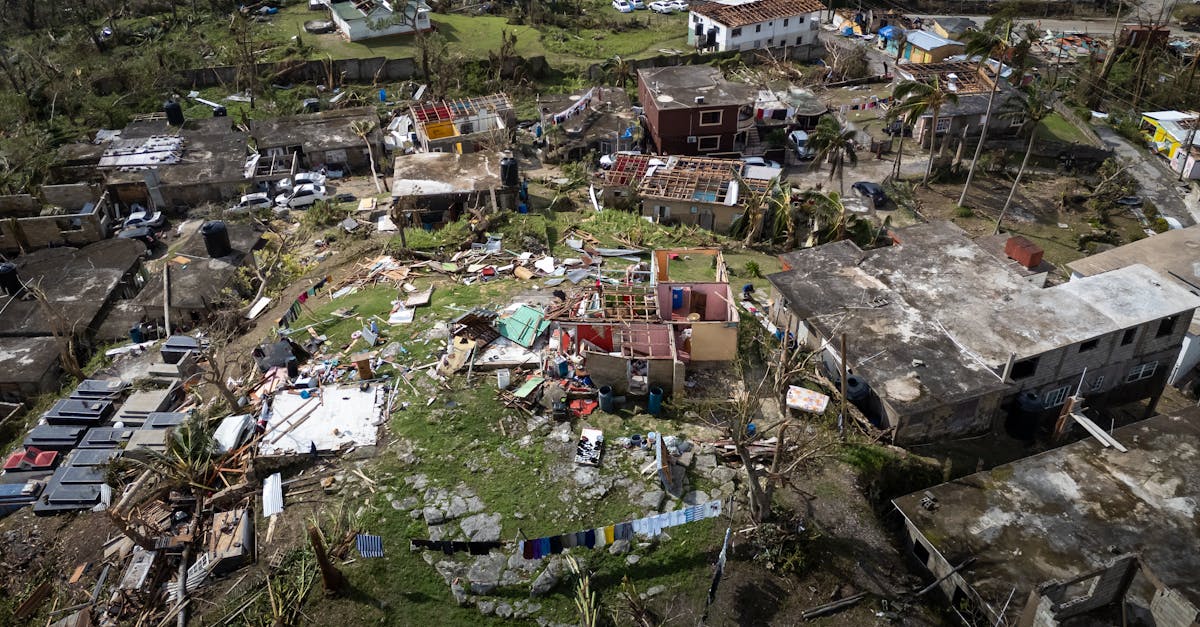
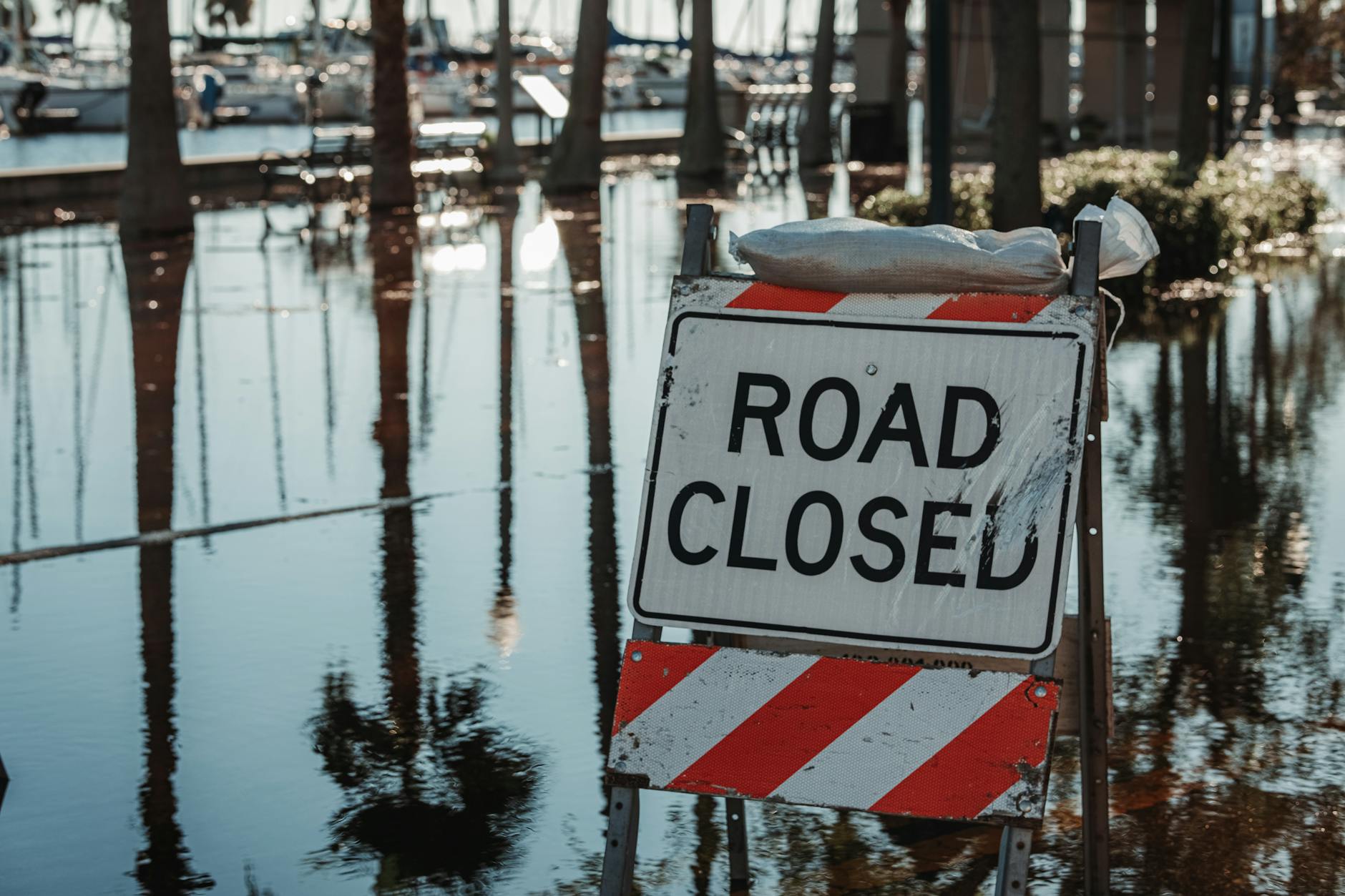
Two powerful hurricanes, Polo and Odalys, are currently active in the Pacific, posing significant threats. While Hurricane Polo is set to make landfall in Baja California Sur with heavy rains, its distant effects will bring dangerous high surf and unusually high tides to Southern California. This combination increases the risk of coastal flooding and erosion across the region. The storm's rapid intensification, fueled by exceptionally warm ocean waters, highlights the concerning impacts of a changing climate on extreme weather events.
California is bracing for potentially powerful El Niño storms this fall and winter, which bring the dual threat of flooding and a valuable opportunity: a massive influx of water. Instead of merely managing floodwaters, the state is proactively working to capture this precious resource, replenishing depleted groundwater supplies. From urban basins to restored natural floodplains, these efforts are crucial for building a more resilient water system. This strategic approach highlights the importance of adapting to extreme weather, a growing challenge driven by global warming.
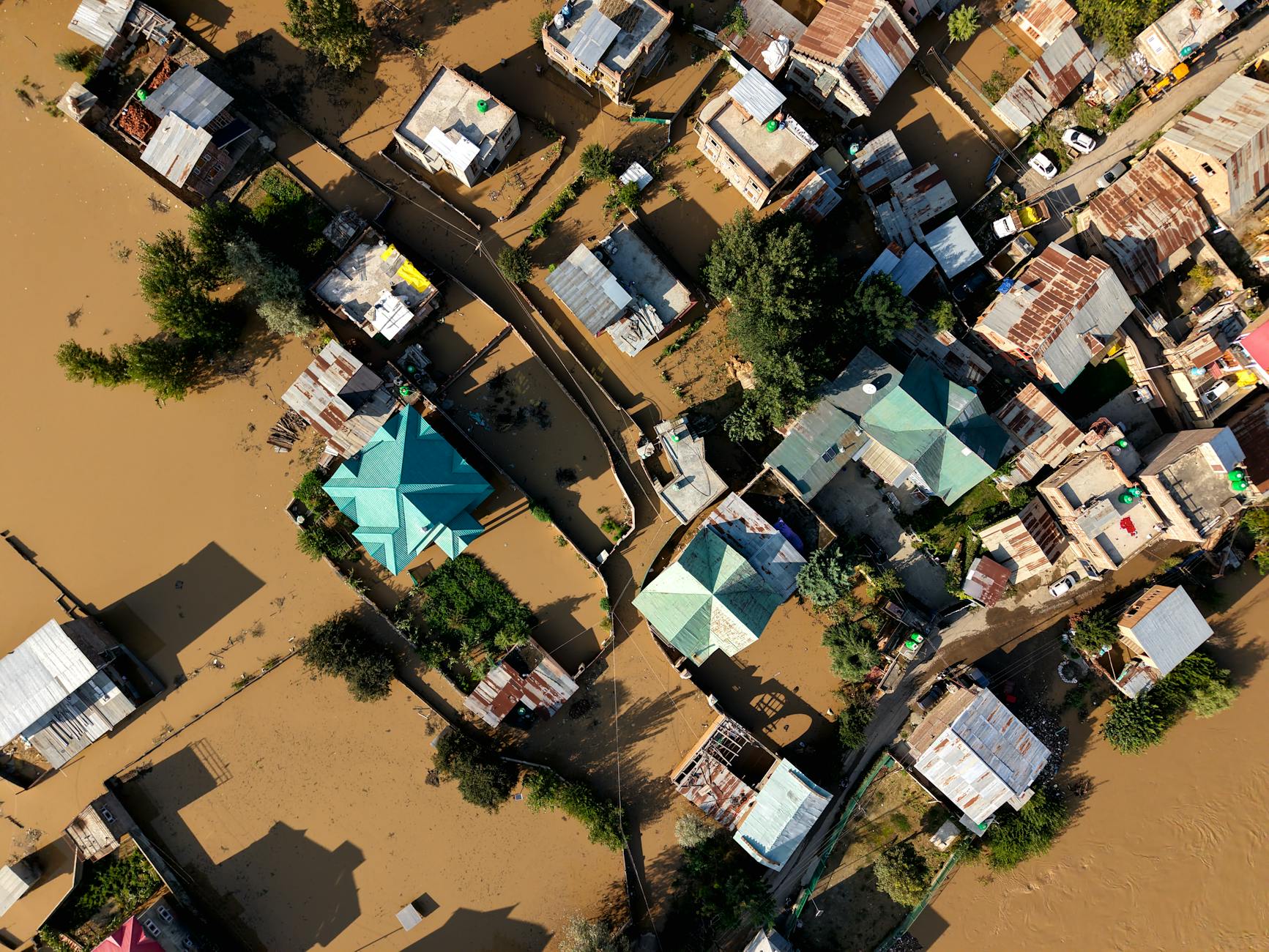
Nepal recently suffered devastating floods and glacier collapse, an event scientists from the World Weather Attribution group strongly linked to climate change. The catastrophe claimed at least 1,300 lives and caused over $4 billion in damages, deeply impacting a nation responsible for less than 0.02% of global emissions. This disaster highlights the urgent need for global climate action and equitable support for vulnerable countries. As activist Tanuja Pandey explains, the situation is a stark reminder of the profound human cost of climate injustice.
Hawaii's Big Island is bracing for Hurricane Nolo, which threatens flash floods and extreme surf, with some areas potentially receiving up to 25 inches of rain. This comes as the region is still recovering from August's Hurricane Lala, making the ground particularly vulnerable to mudslides and further devastation. Meanwhile, Mexico faces the powerful Hurricane Polo, packing 180 mph winds and already causing significant damage along its Pacific coast. The dual threat highlights a busy Pacific hurricane season, intensified by the ongoing El Niño phenomenon, a natural cycle that scientists say is exacerbated by global warming, leading to more extreme weather events and underscoring the urgent need for climate action and resilience.
Florida's ambitious Everglades restoration, centered on a massive new reservoir south of Lake Okeechobee, is facing a critical new assessment. While state officials hail the project as a "crown jewel," a recent report by Friends of the Everglades suggests it falls short. The findings indicate that significantly more water storage is needed to truly revive the endangered "river of grass" and protect coastal ecosystems. This raises urgent questions about the long-term health of one of the planet's most vital wetlands.
This year, the world is witnessing a dramatic and unusual split in hurricane activity: the Pacific Ocean is exceptionally busy with powerful storms, while the Atlantic basin remains remarkably calm. This stark contrast is not a random event but the likely consequence of an especially strong El Niño phenomenon. Understanding these shifting global weather patterns is crucial as we navigate a changing climate, highlighting how natural cycles can amplify or alter environmental challenges. The unusual seasons underscore the complex interplay of oceanic and atmospheric conditions.
Rural communities in Pennsylvania are facing a growing crisis as their drinking water, often from private wells, is found to be contaminated with "forever chemicals," known as PFAS. These persistent compounds, linked to serious health issues, are largely seeping into groundwater from sewage sludge spread on agricultural fields as fertilizer. The invisible, odorless threat has turned once-dreamy rural living into a nightmare for families now questioning years of exposure. Urgent action is needed to halt this pervasive pollution and protect residents' health and the environment.
As the world urgently seeks ways to combat climate change, carbon dioxide removal (CDR) projects are gaining traction. However, a significant challenge has emerged: ensuring these projects actually deliver the carbon removal they promise. At Climate Week NYC 2026, Relae and Microsoft unveiled a new framework to address this 'delivery risk,' a vital step for scaling effective climate solutions. This framework aims to boost confidence in carbon removal efforts, making sure ambitious commitments translate into real-world impact for a healthier planet.
A new neighborhood near Denver, Colorado, is showcasing a groundbreaking approach to home energy. Nearly 100 homes are now equipped with advanced ground-source heat pumps, a partnership between Dandelion Energy and Lennar. This initiative could dramatically change how we heat and cool our buildings, offering a powerful step towards electrifying homes and slashing carbon emissions. The technology not only reduces reliance on fossil fuels but also plays a key role in helping Colorado meet its ambitious climate goals by lowering peak energy demand.
Despite decades of dire warnings and alarming images, progress on climate change remains challenging. Political polarization and public anxiety have hampered effective action, prompting experts to suggest a radical new approach to how we discuss this critical issue. Will Hackman, author of "Radically Reframing Climate Change," believes it's time to shift our focus and language. This fresh approach aims to engage new audiences and accelerate the shift towards sustainable, electrified solutions, emphasizing tangible benefits over abstract fears.
Two years after Hurricane Helene, many survivors continue to grapple with its profound mental health consequences, far beyond the initial cleanup. A recent University of Missouri study reveals a concerning prevalence of PTSD and depression among those affected by the severe storm and its flooding. This ongoing emotional toll underscores the critical need for long-term support in communities facing increasingly intense weather events, a stark reminder of the broader human costs of our changing climate.
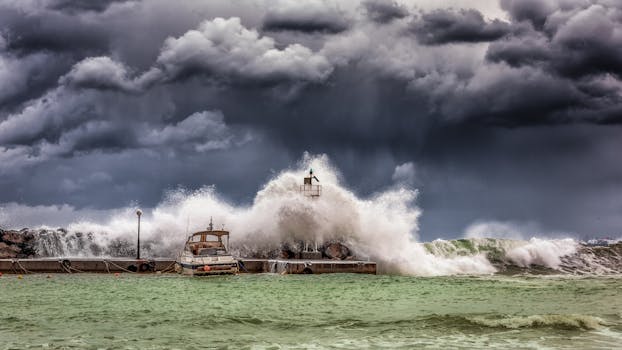
The world's oceans are churning with exceptional storm activity, posing immediate threats to communities across multiple regions. Hawaii braces for potentially catastrophic flash floods from Hurricane Nolo, while Hurricane Polo unleashes torrential rains and dangerous surf along Mexico's coast before its projected landfall. Meanwhile, an unusually early nor'easter is causing significant coastal flooding and erosion from the Outer Banks to New England, demonstrating the intense and varied challenges we face from a dynamic climate. These events underscore the urgent need for robust climate action and sustainable infrastructure to protect vulnerable areas.