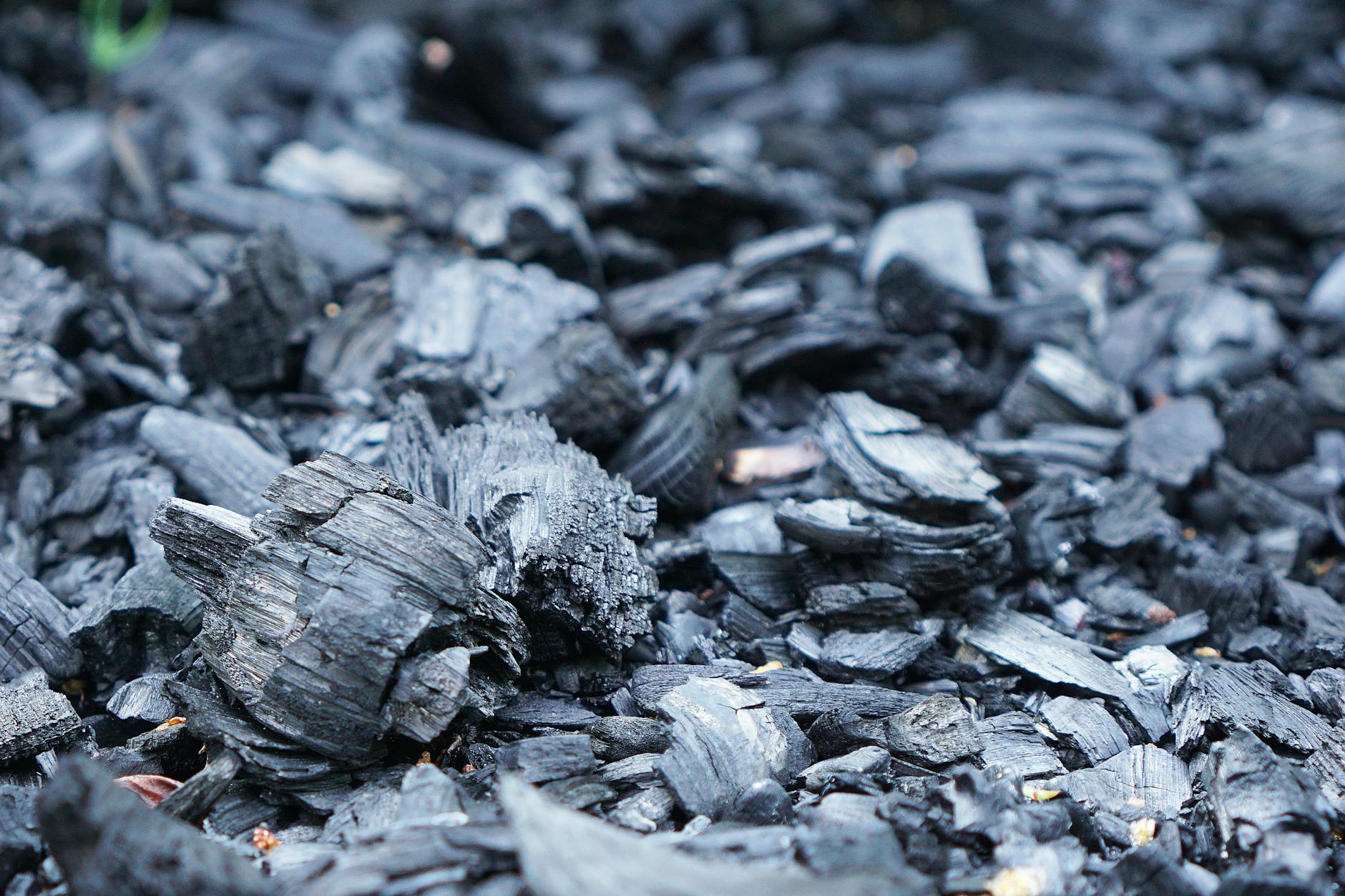
Biochar, a crucial tool for removing carbon from our atmosphere, is experiencing unprecedented demand. A new report from Supercritical reveals that companies are rapidly securing future supplies, leading to a potential shortage of high-quality biochar. This intense competition means many buyers might struggle to find the verifiable, impactful carbon removal solutions they need for their climate goals. The rush highlights biochar's growing importance in the fight against global warming, pushing businesses to act faster to secure sustainable options.
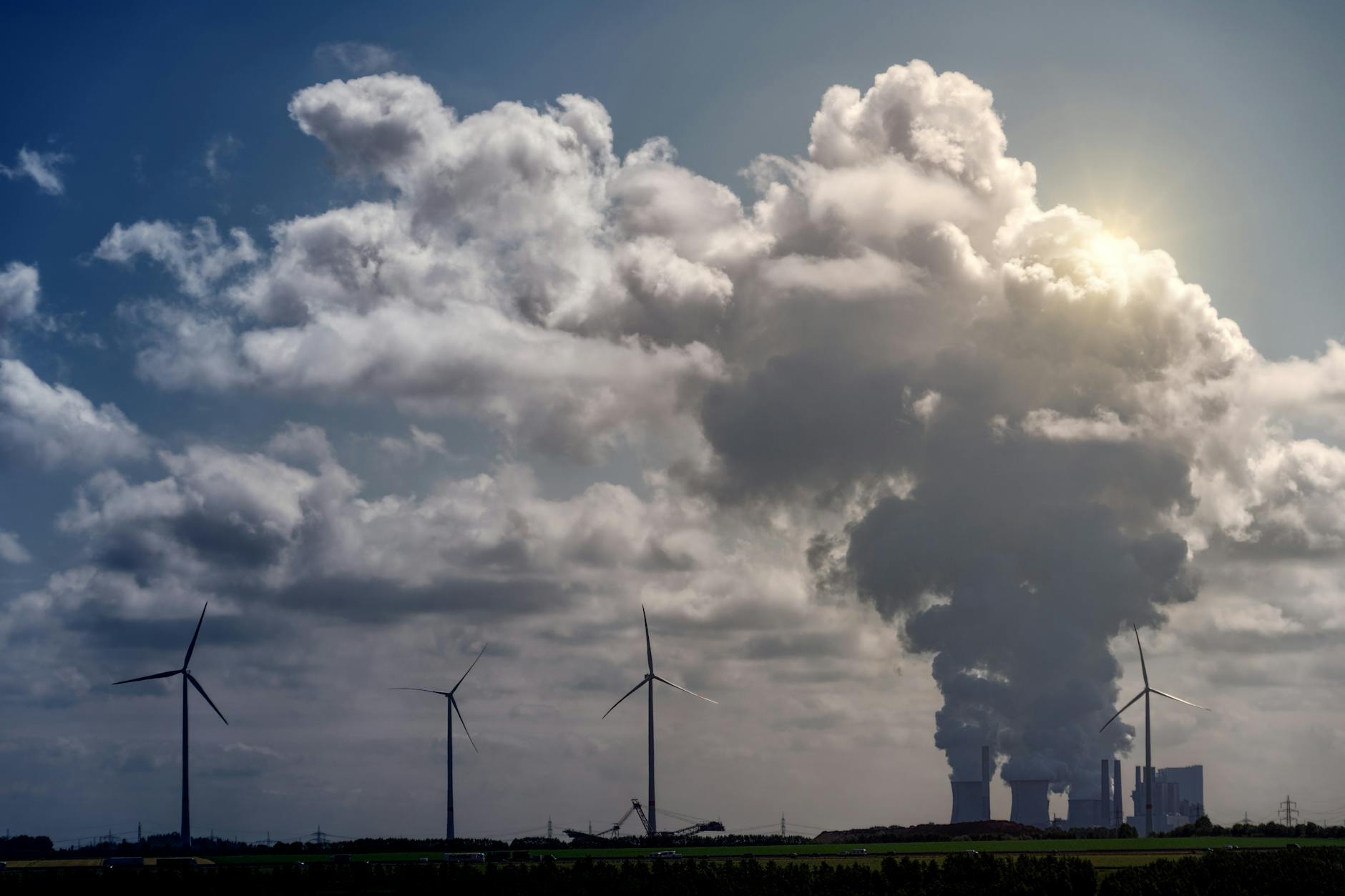
Iowa, a state celebrated for powering nearly two-thirds of its electricity with wind, is now seeing a surprising return to coal. A new report reveals that from 2024 to 2025, major utilities significantly increased coal power generation for the first time in years. This shift is driven by a booming demand for electricity, fueled by new data centers and manufacturing, combined with a slowdown in new wind and solar projects. This reliance on aging, polluting coal plants poses serious risks to air quality and public health, underscoring the urgent need for faster investment in clean energy solutions to safeguard our environment.
This week, the city of Wuhan, China, takes center stage in global climate discussions. Major conferences like the Two Lakes Dialogue and the China Carbon Market Conference are bringing together leaders to accelerate the low-carbon transition through robust carbon markets and international cooperation. These gatherings underscore China's growing influence and commitment to global climate action, including a potential bid to host COP33 in 2028. Such initiatives are crucial steps in addressing the urgent challenge of global warming and fostering sustainable economic growth.
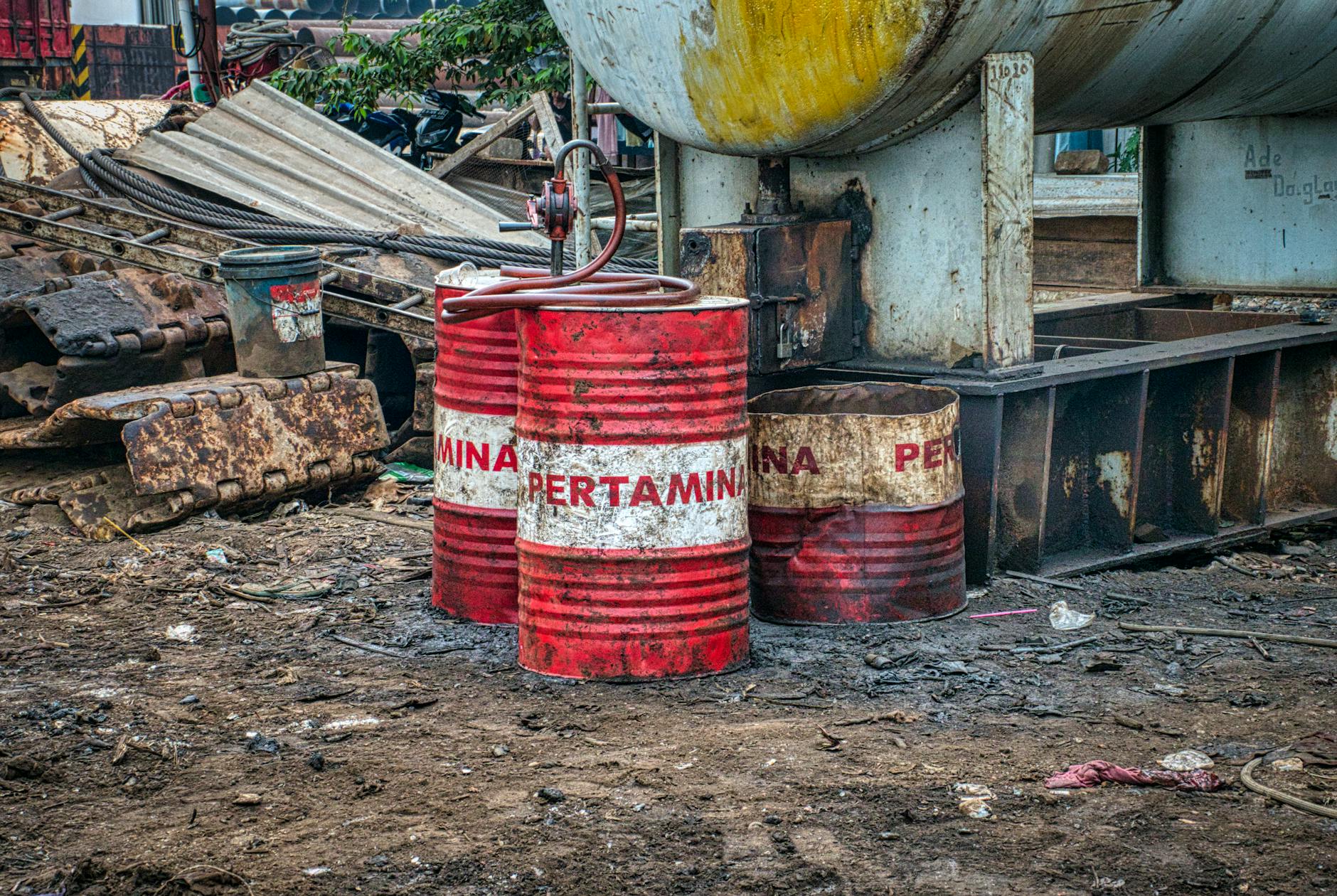
New reports highlight the human cost of environmental policy rollbacks, connecting a jet fuel spill in Pennsylvania to widespread plastic pollution in Guatemala. These incidents underscore a troubling trend where reduced oversight for the fossil fuel industry leads to significant health and environmental consequences for ordinary people. The stories reveal how weakened regulations can allow contamination to persist, affecting vital resources like drinking water and breathable air, emphasizing the urgent need for stronger environmental protections and sustainable solutions.
Alabama lawmakers recently grappled with a significant bill, HB 475, aimed at curbing the immense power and profits of Alabama Power, the state's dominant electric utility. This landmark legislation, which initially promised public rate hearings—a common practice in most states but absent in Alabama for 44 years—passed the House unanimously. However, during a crucial spring break, the bill's core reforms were stripped away and replaced with a diluted version. The resulting law largely reorganizes the Public Service Commission but fails to introduce the transparency and ratepayer protections initially sought, leaving consumers vulnerable to some of the nation's highest electricity bills and potentially hindering progress toward sustainable energy solutions.
SpaceX recently completed a major project by launching the final satellites for SES's O3b mPower constellation from Cape Canaveral. This network, a decade in the making, offers high-speed, reliable internet from medium Earth orbit. Unlike Starlink's consumer focus, O3b mPower targets businesses, airlines, and governments, providing enterprise-grade connectivity. Its strategic higher orbit means fewer satellites are needed to cover the globe, a smart approach for specialized service.
This week, Wuhan, China, becomes a focal point for global climate action as it hosts the Two Lakes Dialogue and China Carbon Market Conference. Leaders from around the world are gathering to advance discussions on expanding carbon markets, climate finance, and vital decarbonization strategies. These events underscore China's increasing commitment to environmental action and its growing influence in shaping global climate policy. With a potential bid to host COP33 in 2028 on the horizon, China aims to solidify its role in leading the urgent transition to a more sustainable, low-carbon future. Such initiatives are crucial for accelerating global efforts against climate change.
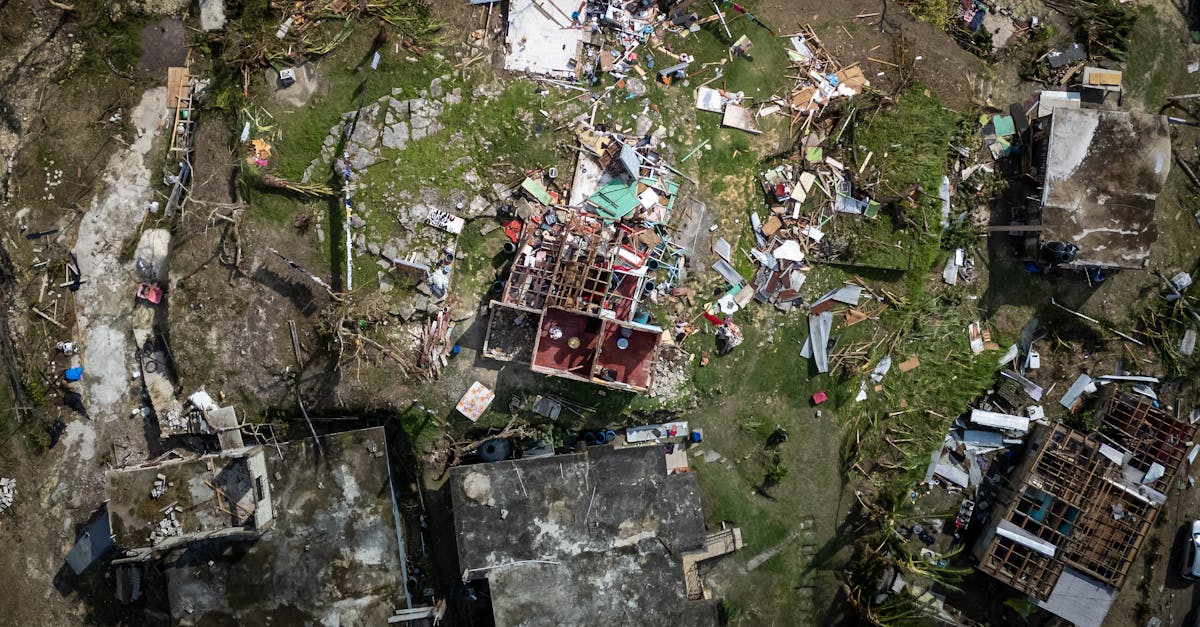
Florida is bracing for a potent El Niño this winter, with forecasters predicting a "super" event similar to the one that caused deadly tornadoes in 1998. This powerful weather pattern, intensified by a warming climate, significantly raises the risk of severe storms across the state. Thousands of Floridians living in older manufactured homes find themselves particularly vulnerable, often without safe shelters or adequate warning systems. This recurring threat underscores an urgent need for stronger community protections and climate resilience.
The Atlantic Ocean is experiencing an unusually quiet hurricane season, setting new records for the latest formation of a hurricane in the satellite era. This unprecedented calm is largely due to a powerful El Niño event, which is actively suppressing storm development despite record-warm ocean waters. While the Atlantic remains subdued, the same El Niño is fueling a parade of intense hurricanes in the Pacific, creating a striking contrast. Experts warn against complacency, however, emphasizing that even a single late-season storm can be catastrophic. This situation highlights nature's complex dynamics and the need for constant vigilance.
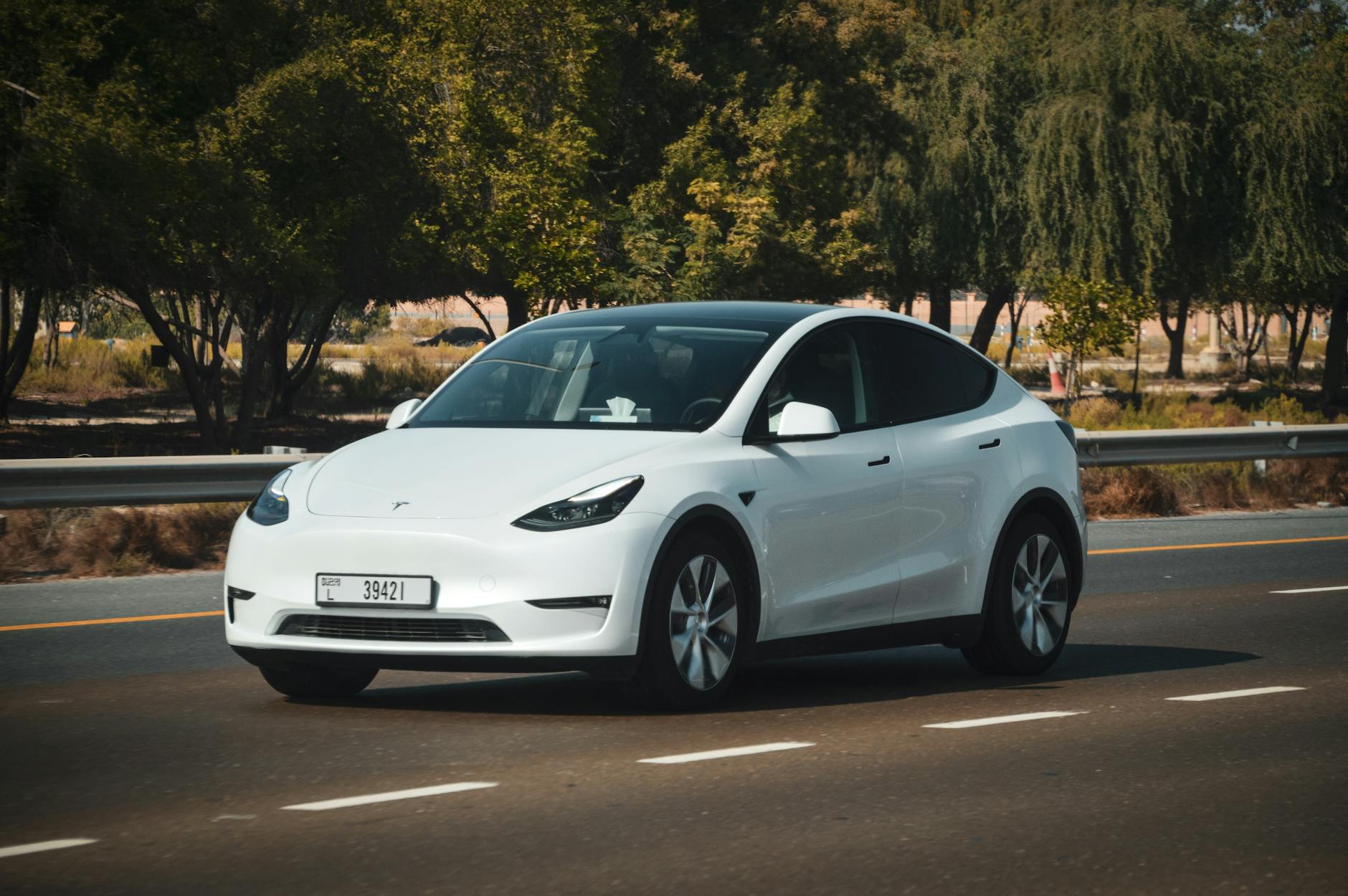
After a year and over 16,000 miles, one Tesla Model Y owner shares a compelling review, highlighting the transformative power of electric vehicles (EVs). The experience goes beyond just driving, deeply impacting daily routines and reducing stress. This personal account underscores the growing shift towards electrification, showcasing how advanced EV technology and sustainable solutions offer superior performance, lower costs, and a more enjoyable journey compared to traditional fossil-fuel vehicles, making a strong case for urgent climate action through vehicle choice.
After years of anticipation, Tesla has finally announced an official demonstration date for its next-generation Roadster. On October 1, the electric supercar is set to unveil its groundbreaking features, including a much-talked-about SpaceX-developed thruster package. This event marks a significant moment for electric vehicle technology, showcasing how sustainable solutions can push the boundaries of performance and engineering. The Roadster aims to redefine what's possible, promising speeds and capabilities far beyond traditional cars, emphasizing the exciting potential of electrification.
Move over, bears! The Rocky Mountain Biological Laboratory recently launched 'Fat Marmot Week,' a contest inspired by the popular Fat Bear Week, to highlight the yellow-bellied marmots they've studied for over 60 years. This fun competition, alongside surprising initiatives like an OnlyFans account and a meme coin, has generated significant funds, including over $140,000 from the crypto community. This crucial research helps us understand how climate change is impacting these animals, especially after a recent lack of snow caused a large die-off, underscoring the urgent need for ongoing environmental studies.