After years of anticipation, Tesla has finally announced an official demonstration date for its next-generation Roadster. On October 1, the electric supercar is set to unveil its groundbreaking features, including a much-talked-about SpaceX-developed thruster package. This event marks a significant moment for electric vehicle technology, showcasing how sustainable solutions can push the boundaries of performance and engineering. The Roadster aims to redefine what's possible, promising speeds and capabilities far beyond traditional cars, emphasizing the exciting potential of electrification.
Move over, bears! The Rocky Mountain Biological Laboratory recently launched 'Fat Marmot Week,' a contest inspired by the popular Fat Bear Week, to highlight the yellow-bellied marmots they've studied for over 60 years. This fun competition, alongside surprising initiatives like an OnlyFans account and a meme coin, has generated significant funds, including over $140,000 from the crypto community. This crucial research helps us understand how climate change is impacting these animals, especially after a recent lack of snow caused a large die-off, underscoring the urgent need for ongoing environmental studies.
In Winston County, Alabama, residents are facing criminal charges and even arrest for unpaid trash bills. Pam Benton, a 59-year-old painter, was handcuffed and booked over an overdue bill, sparking shame and distress. This practice, affecting dozens of residents over two decades, is deemed unlawful and immoral by legal experts. While authorities aim to collect debt, critics argue it's a perverse use of the criminal system that disproportionately impacts vulnerable community members.
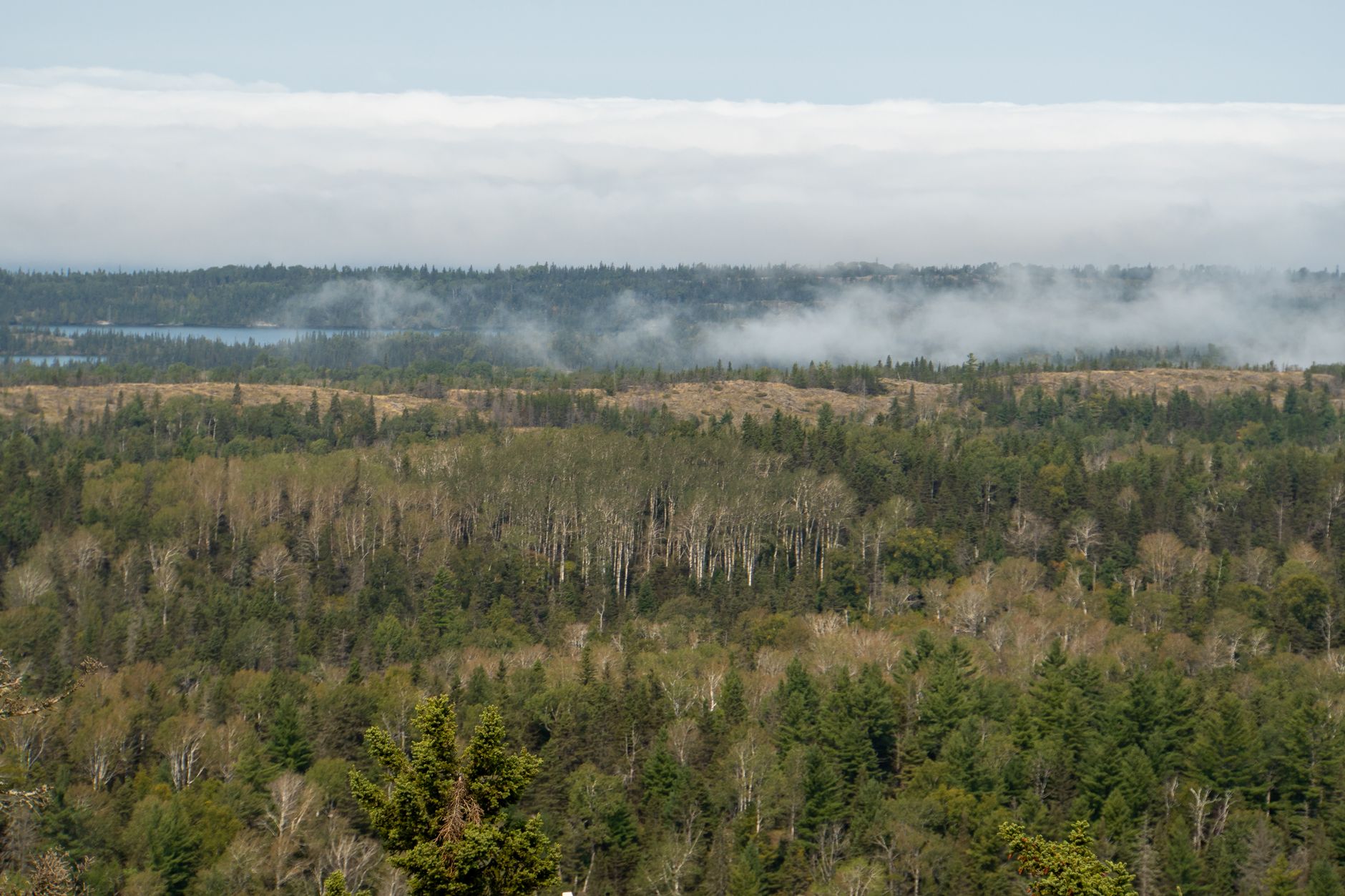
The U.S. Forest Service has formally proposed repealing the 2001 Roadless Rule, which currently safeguards nearly 59 million acres of national forest from logging and road construction. This move directly threatens crucial wilderness areas, particularly in the Midwest, including Michigan's Norwich Plains, home to endangered species and vital ecosystems. Environmental groups and experts are raising alarms, emphasizing the serious environmental impacts this change could bring to our natural heritage and urging public action to protect these irreplaceable landscapes.
The rapid growth of artificial intelligence is sparking a surge in data centers, bringing with it a troubling rise in health risks, according to former Environmental Protection Agency (EPA) officials. A new report highlights how these facilities, often powered by fossil fuels, contribute to dangerous pollution linked to serious illnesses. This expansion comes as environmental safeguards are reportedly being dismantled, raising urgent questions about our air, water, and public health. It’s a stark reminder of the environmental cost of unchecked technological advancement.
Over 60 advocacy groups in Maryland are urging state leaders to pause new data center projects. This comes as 14 local jurisdictions have already implemented their own temporary bans, highlighting widespread concerns. The groups argue that the rapid growth of these power-hungry facilities has outpaced the state's ability to assess their environmental impact and financial burden on communities. With rising energy bills and environmental worries, a coherent statewide policy is urgently needed to protect residents and natural resources.
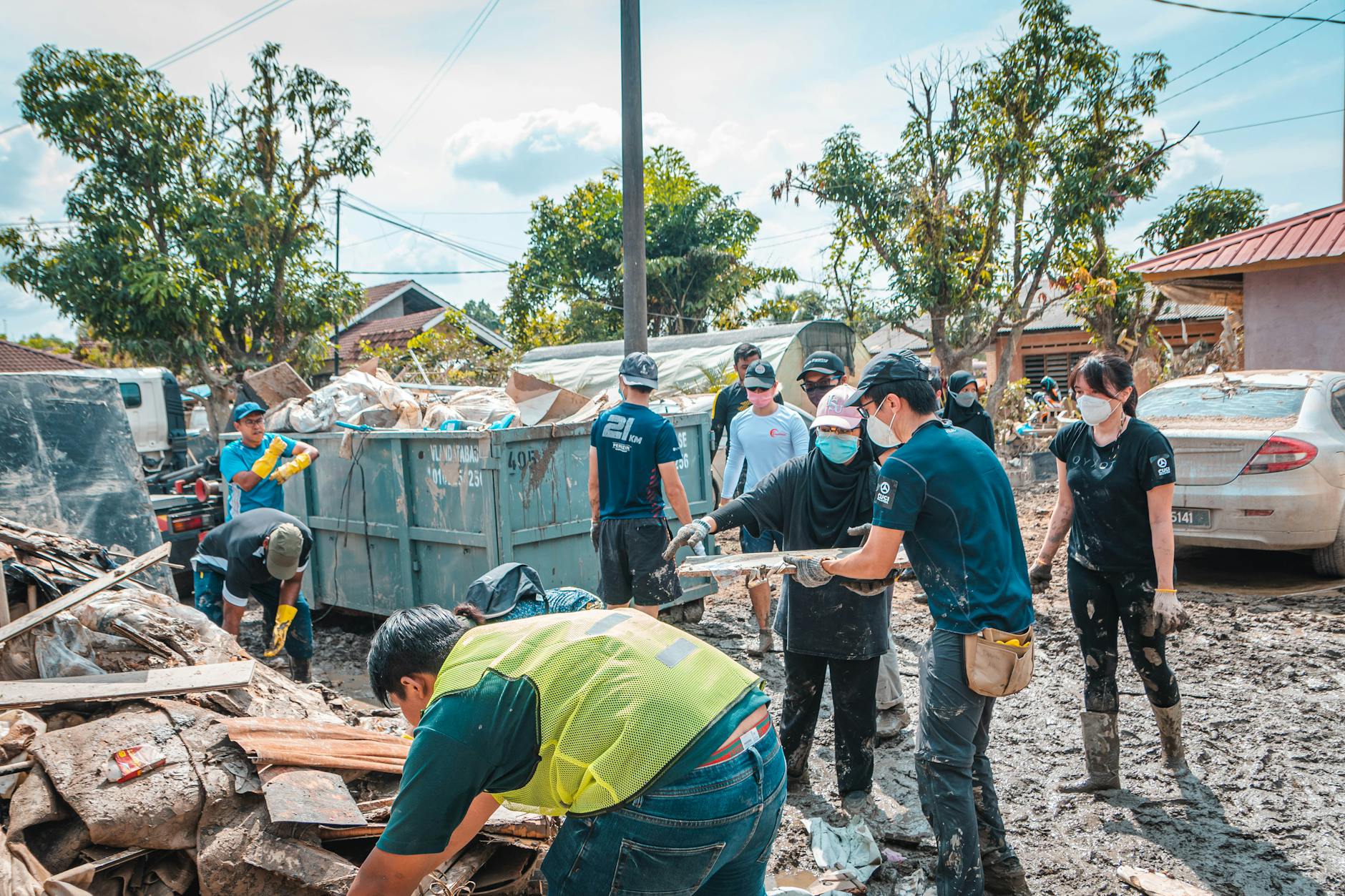
When disasters strike, children often seem like the most vulnerable. However, new insights from Lori Peek at the University of Colorado, Boulder, reveal that kids are far from passive victims. Instead, they often step up to actively assist their families and communities in recovery efforts. Their involvement, from helping in shelters to raising funds, not only aids recovery but also empowers them through difficult times, highlighting an important aspect of community resilience.
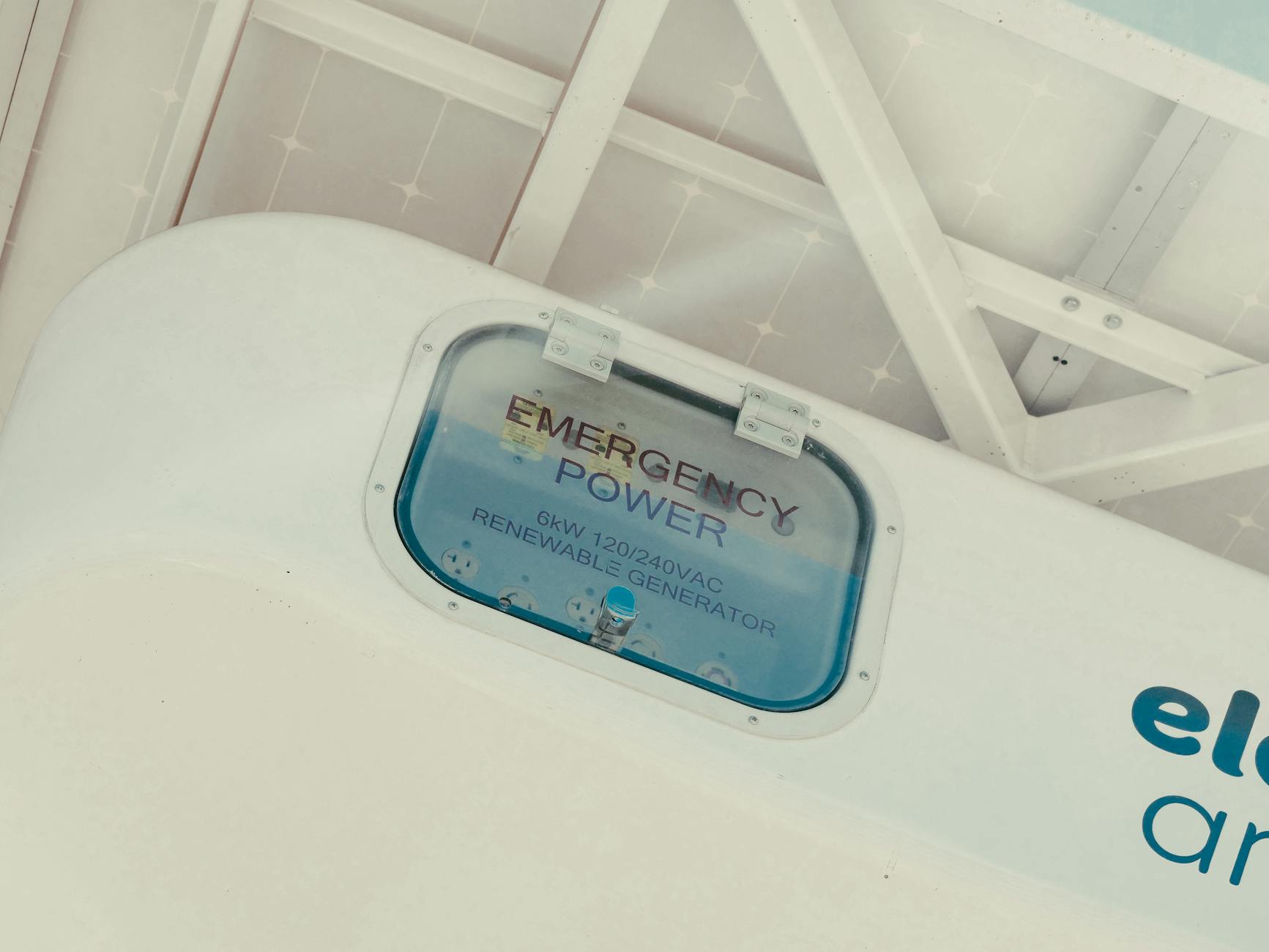
California has successfully navigated its hottest August on record without the inconvenience of rolling power outages or widespread energy reduction calls. This achievement marks a significant turnaround, driven by the state's strategic investment in grid resiliency. Crucially, a massive expansion of battery energy storage, coupled with an increase in renewable energy sources, has fortified the electrical system. This progress is vital as extreme heat events become more frequent due to global warming, underscoring the urgent need for sustainable infrastructure.
As the climate crisis intensifies, organizations are increasingly looking for effective ways to contribute to a sustainable future. Becoming a Carbon Literate Organisation (CLO) offers a powerful pathway, enabling businesses to accelerate their climate action and visibly commit to a low-carbon economy. This accreditation helps embed sustainability into company culture, enhance employee skills, and reduce emissions, creating benefits for both people and the planet. With the 2027 CLO Awards approaching, now is the crucial time for businesses to apply and showcase their dedication to environmental progress. The application deadline for the next awards is February 26, 2027.
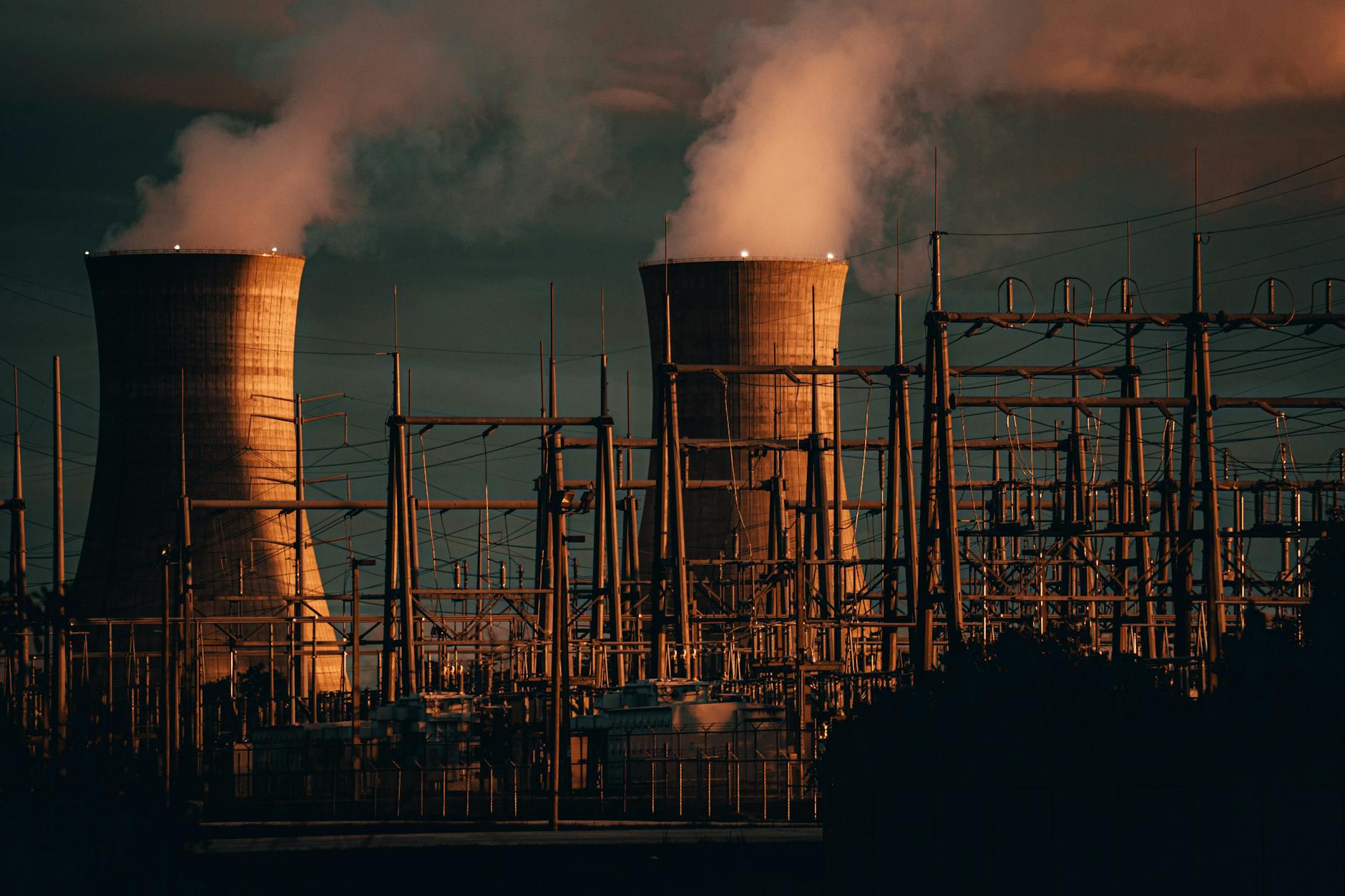
A federal appeals court has delivered a significant blow to efforts to keep old coal plants running, ruling against a Trump administration order for a Michigan facility. The court found that the Department of Energy overstepped its authority by using emergency powers, typically reserved for critical wartime situations, to force the J.H. Campbell coal plant to stay open. This decision underscores the urgency of transitioning to cleaner energy, challenging costly and polluting fossil fuel operations that hinder progress toward a sustainable future. It’s a win for environmental advocates and for Michigan residents seeking healthier air and water.
Australia's Senate has approved a controversial method to use carbon credits for protecting native forests, sparking a significant debate within environmental groups. While supporters see this as a way to fund conservation and tackle climate change, critics worry it might allow major polluters to avoid deep emissions cuts. This decision opens a new chapter for Australia's carbon market, aiming to safeguard precious ecosystems but raising crucial questions about the real-world benefits for our planet and its unique wildlife, like koalas.
A new 50-minute film, "The Public Emergency Briefing," offers a powerful way to engage communities and workplaces with the urgent realities of climate change. Presented by naturalist Chris Packham, it condenses a historic Westminster event where ten experts detailed both the crisis and the profound benefits of environmental action. This inspiring film aims to move viewers from understanding to action, serving as a compelling introduction to vital Carbon Literacy training. It highlights why taking collective steps towards a sustainable future is not just necessary but achievable for our planet.