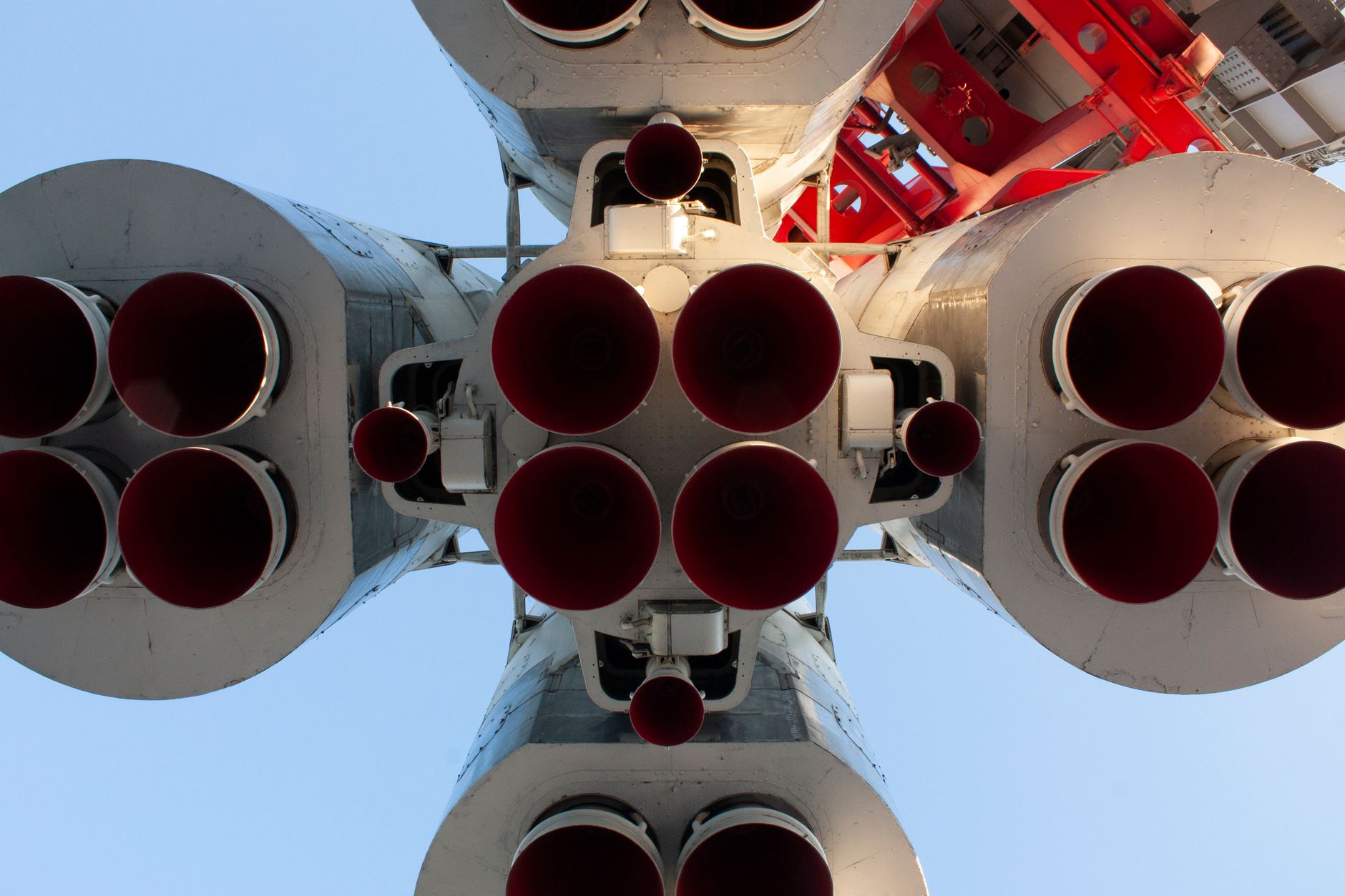
Tesla is gearing up for a highly anticipated event on October 1 in Waco, Texas, hinting at the official unveiling of its next-generation Roadster. After nearly a decade of development and increasing speculation, this electric supercar promises to redefine vehicle performance with features like a powerful "SpaceX developed thruster package." This upcoming demonstration is set to showcase the cutting-edge potential of electrification, pushing the boundaries of sustainable transport while setting new standards for speed and innovation in the automotive world. It underscores how clean energy solutions can offer unprecedented capabilities.
Brazil and China are in advanced talks to establish a bilateral carbon market agreement, with a potential announcement by COP31 in November. This deal could see China purchasing Brazil's Internationally Transferred Mitigation Outcomes (ITMOs), unlocking significant climate finance for Brazil. Such a partnership is crucial for global climate action, connecting two major emerging economies and fostering sustainable development. This collaboration underscores the urgent need for international partnerships to accelerate decarbonization efforts worldwide.
European leaders recently convened in Finland to address the rapidly changing Arctic region. Global warming is dramatically thinning Arctic ice, unlocking new shipping routes and access to vast natural resources. This environmental transformation is creating a "geopolitical hotspot," intensifying competition and raising significant security fears. Leaders are particularly concerned about Russia's increasing military presence and its implications for European stability, emphasizing the urgent need for a cohesive EU Arctic strategy.
Coastal towns across North Carolina, including Beaufort and Carolina Beach, are facing a growing challenge: frequent flooding even when the skies are clear. This isn't just about rain anymore; rising global sea levels mean that normal tides now push ocean water higher than infrastructure can handle. This persistent "sunny day flooding" disrupts daily life, forcing residents to miss work, school, and vital appointments. It’s a stark reminder of the urgent need for action as climate change continues to reshape our environments.
Frustrated by the constant 'doom and gloom' in climate conversations, Alec Turnbull and J. English Cook launched the Climate Film Festival. Their goal was to highlight stories of climate action and solutions, rather than just problems. Having screened over 100 films, Turnbull now shares his top streaming recommendations. These selections offer a fresh perspective, showcasing the power of human ingenuity and collective effort in addressing the global climate crisis and fostering a more sustainable future.
Following the hottest summer on record, the Trump administration’s Environmental Protection Agency (EPA) has rolled back crucial climate rules for power plants, a major source of greenhouse gas emissions. This move comes despite a United Nations warning about rising global temperatures pushing climate risks to dangerous levels. Experts are questioning the scientific basis and legal standing of the repeal, which undermines established efforts to protect public health and the environment from escalating climate impacts.
European airlines received billions in free carbon allowances from the EU Emissions Trading System (EU ETS) between 2013 and 2025. A new report by CE Delft reveals that most of this €10.9 billion windfall primarily boosted airline profits rather than fueling essential environmental investments. While intended to support a greener transition, airlines spent only a fraction on sustainable initiatives. This highlights a significant missed opportunity for accelerating aviation's decarbonization efforts and tackling global warming. The EU is now phasing out these free allowances by 2026, aiming for a more impactful approach to climate action.
While the Colorado River's drought crisis often grabs headlines, another vital waterway, the Rio Grande, is quietly enduring one of its driest years ever, as highlighted in a recent NPR report. This record-breaking parched period poses a severe threat to ecosystems and communities relying on its flow. The extreme conditions underscore the increasing urgency of global warming and its impact on water resources. However, a recent surge of water specifically designated for environmental recovery offers a glimpse into potential strategies for its future. This moment highlights the critical need for sustainable water management amidst a changing climate.
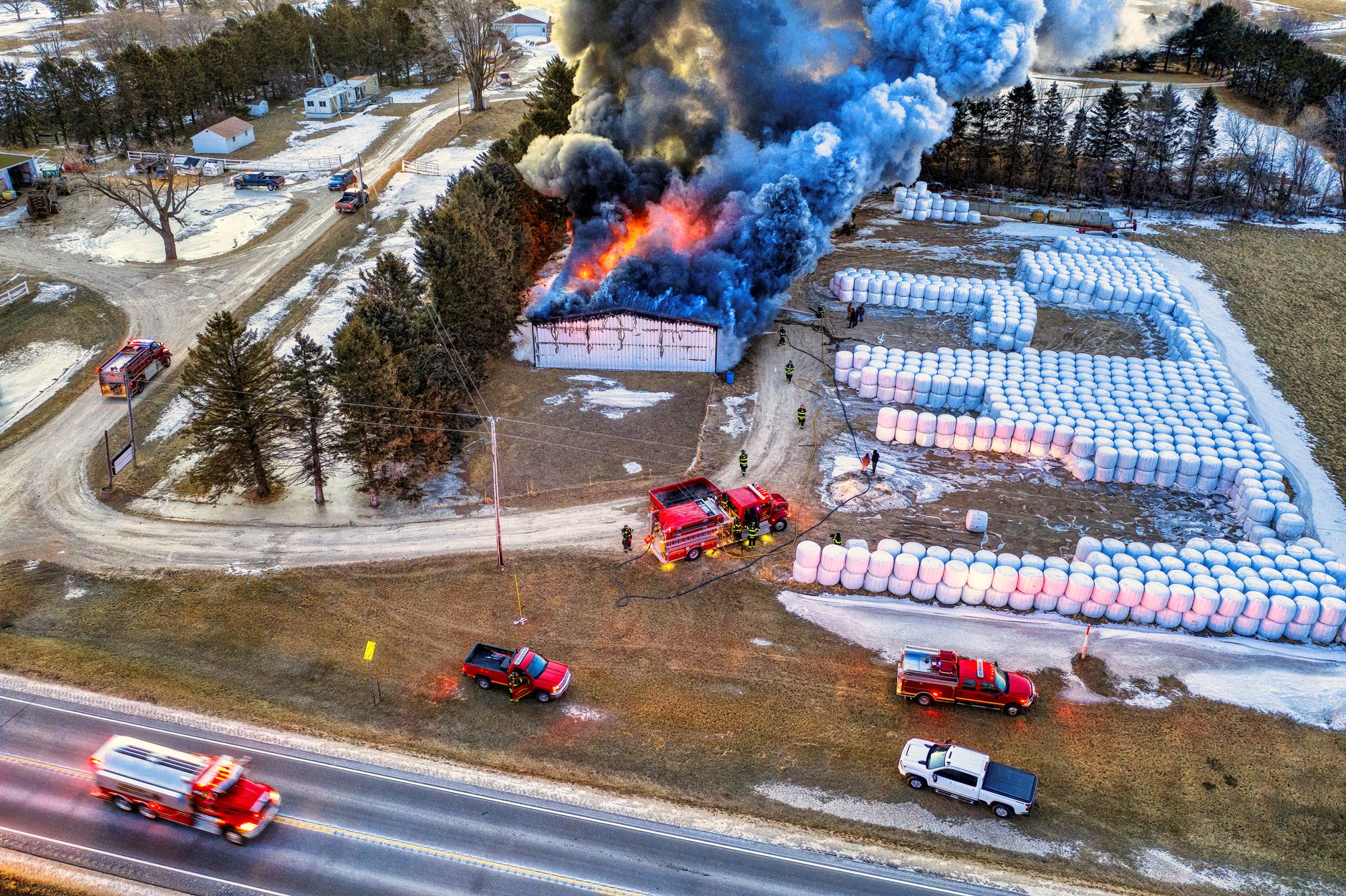
The Midwest, traditionally spared from the large-scale wildfires seen in the West, is now facing a significant and growing threat. Recent infernos in northern Minnesota and Canada’s boreal forest highlight a disturbing trend: climate change is intensifying extreme weather, creating perfect conditions for destructive blazes. This shift means longer fire seasons and more frequent, larger fires, fundamentally altering the region's landscape. Experts warn that this emerging crisis underscores the urgent need for action against global warming.
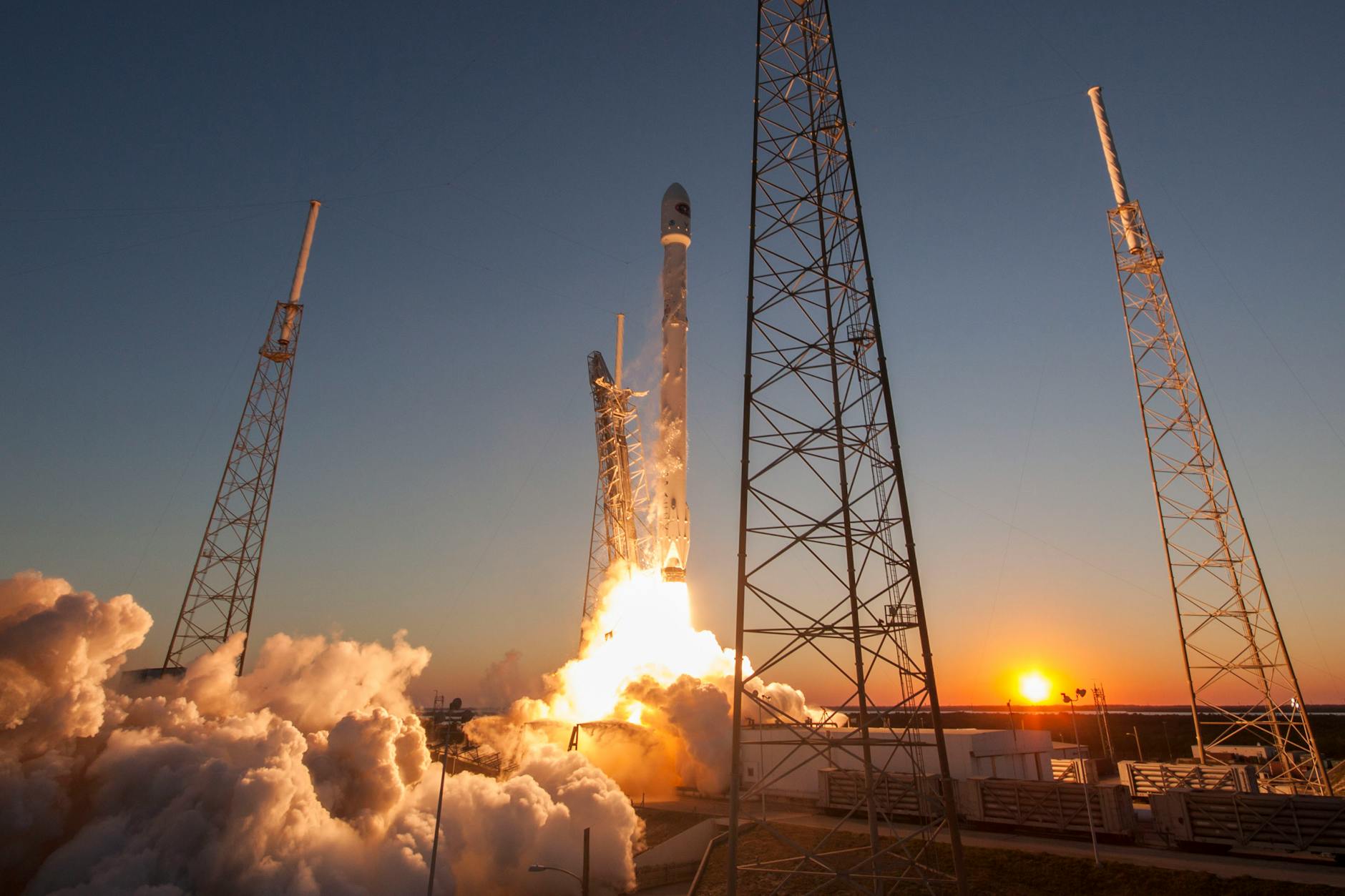
SpaceX has successfully launched the final three satellites for SES’s O3b mPower constellation, marking a significant milestone in global connectivity. This launch by a Falcon 9 rocket completes a project that has been over a decade in the making, promising high-speed, reliable internet service to enterprise customers worldwide. Unlike the more numerous Starlink satellites, O3b mPower uses a smaller, 13-satellite network in medium Earth orbit, offering powerful service with fewer spacecraft. This advanced system is designed to provide robust connectivity for demanding sectors like airlines, cruise lines, and governments, complementing existing networks.
A recent study reveals a troubling reality about urban trees planted by developers in England: many never get planted, and a significant number die shortly after. This widespread failure undermines efforts to create greener cities and combat climate change, as healthy, mature trees are crucial for absorbing carbon and cooling our urban environments. The findings highlight a critical gap in oversight and maintenance that demands urgent attention to protect our natural infrastructure.
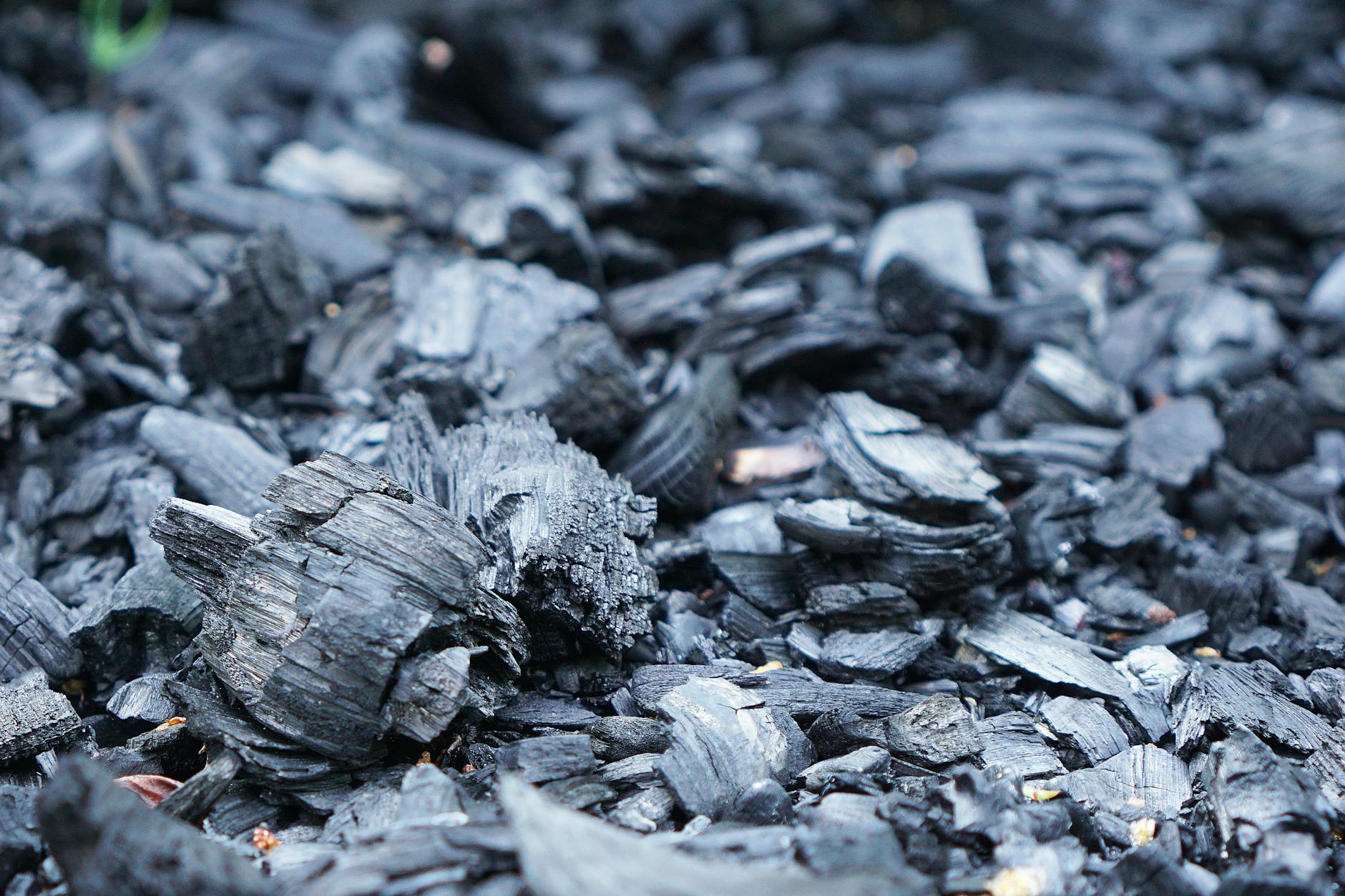
Biochar, a crucial tool for removing carbon from our atmosphere, is experiencing unprecedented demand. A new report from Supercritical reveals that companies are rapidly securing future supplies, leading to a potential shortage of high-quality biochar. This intense competition means many buyers might struggle to find the verifiable, impactful carbon removal solutions they need for their climate goals. The rush highlights biochar's growing importance in the fight against global warming, pushing businesses to act faster to secure sustainable options.