The U.S. Army is investing up to $40 million in Perpetua Resources to explore for tungsten in Idaho, aiming to establish a domestic supply of this crucial metal. This move seeks to reduce America's heavy reliance on China, which currently controls nearly 79% of the world's tungsten production. Tungsten is vital for manufacturing, defense, and the industrial tools necessary to build and maintain infrastructure for the energy transition. The project highlights a broader effort to secure critical minerals while also emphasizing the importance of responsible resource development and environmental protection.
Democrats have achieved a sweeping victory, seizing control of both houses of Congress and a majority of statehouses. This significant shift was largely propelled by widespread voter anger over high energy prices, unchecked data center growth, and perceived corporate influence, particularly from oil and tech industries. While climate change wasn't always a direct campaign focus, activists believe these results signal a strong public desire for change, setting the stage for renewed environmental policy and an accelerated move towards cleaner energy solutions. This outcome represents a clear rejection of policies that have boosted fossil fuel consumption and contributed to rising utility bills.
Palantir Technologies recently announced booming third-quarter revenues, nearly doubling from the previous year, driven by strong demand for its artificial intelligence software. Despite this financial success, the company's stock dipped, as investors scrutinized slower contract growth. More importantly, this rapid expansion brings crucial environmental questions: Can Palantir sustain its impressive growth while effectively managing the energy demands and greenhouse gas emissions inherent in large-scale AI operations? The latest climate report shows a troubling increase in overall emissions, highlighting the ongoing challenge for tech giants in a warming world.
For companies striving to reduce their environmental footprint, particularly in complex global supply chains, the path to genuine impact can be challenging. Many aim to support sustainable practices directly within their sourcing networks, a process known as "insetting." However, without a clear, verifiable strategy, these efforts can fall short of their goals and even lead to misleading claims. A new five-step playbook offers a practical guide, emphasizing the crucial need for transparency and measurable outcomes from the very start, ensuring that environmental actions truly contribute to a healthier planet and a more resilient business.
Miami is already experiencing severe flooding from king tides, a stark reminder of the escalating threat posed by rising sea levels. In response, the federal government has proposed an ambitious multibillion-dollar plan to elevate thousands of homes across Miami-Dade County. This critical effort aims to protect communities from increasingly frequent and intense deluges driven by climate change. However, experts and past experiences suggest that widespread public participation—essential for success—may be difficult to achieve, raising serious doubts about the plan's effectiveness.
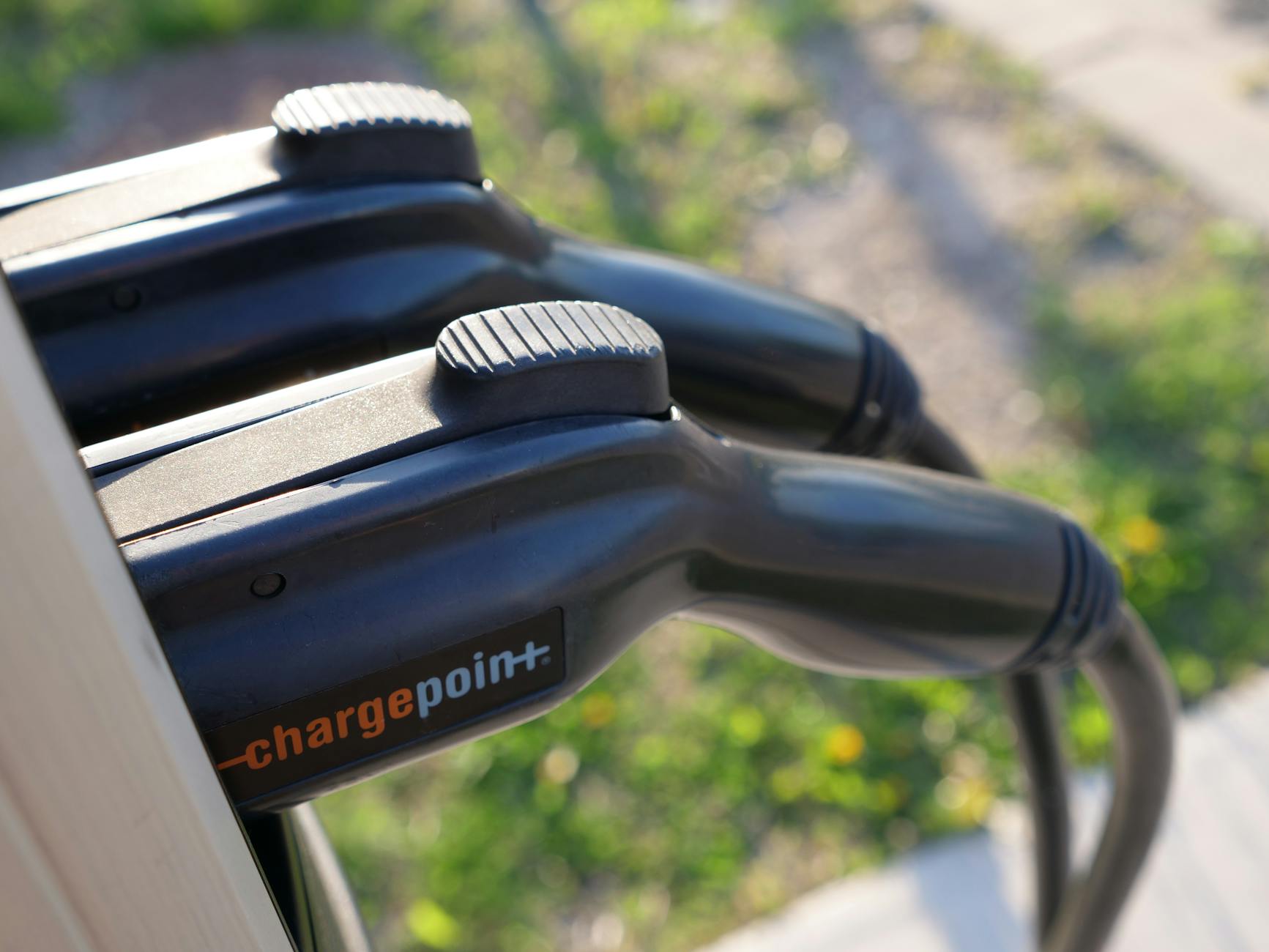
Electric vehicle drivers across the United States can now enjoy a much simpler charging experience, thanks to BP Pulse integrating its network into ChargeHub’s vast roaming ecosystem. This move means nearly 900 BP Pulse fast chargers are now accessible through a single app, eliminating the need to juggle multiple platforms. Simplifying access to charging stations is a crucial step in accelerating EV adoption, making sustainable transportation more convenient for everyone and contributing significantly to climate action.
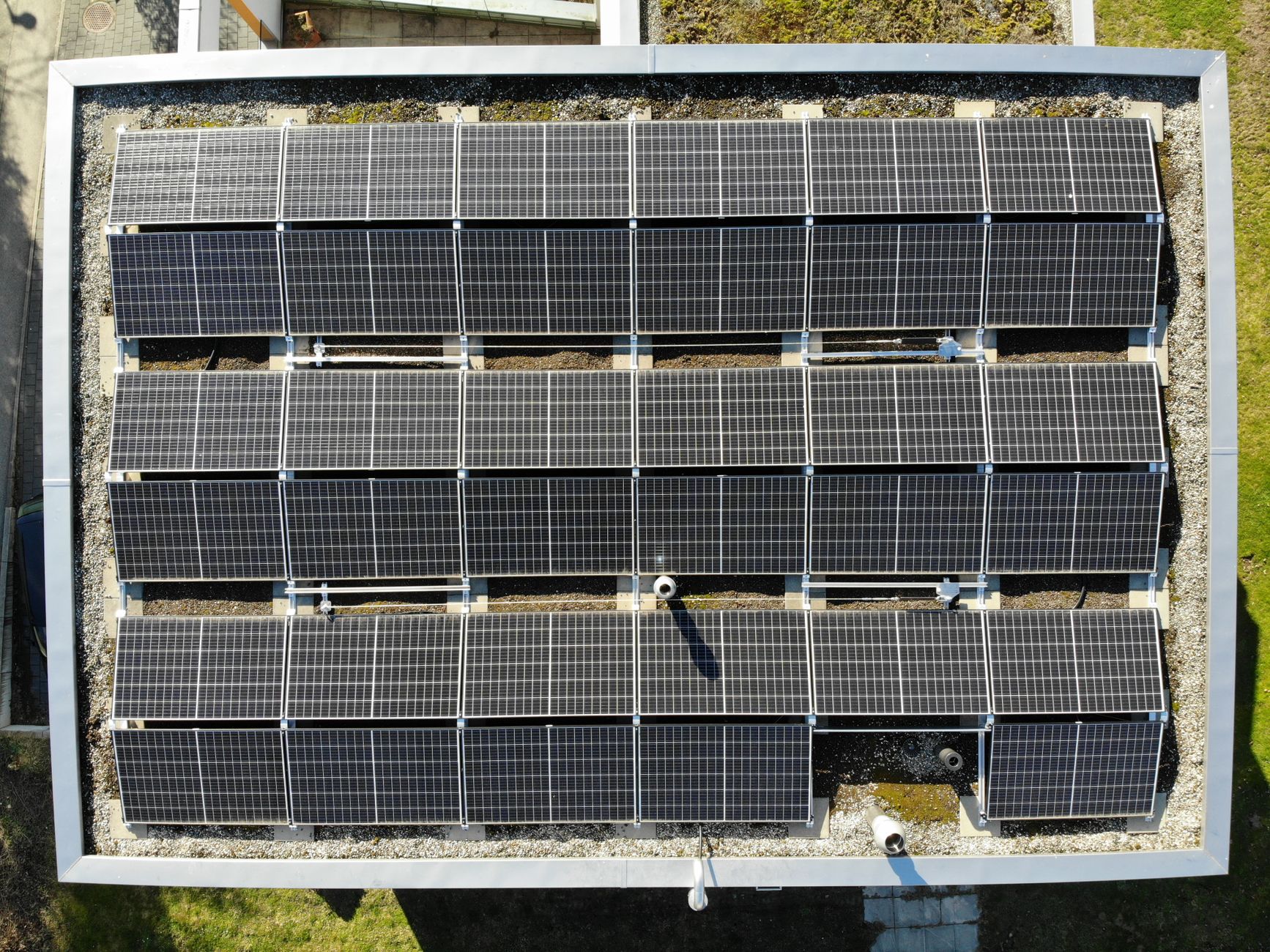
In a unique move toward a greener future, residents of Athens, Ohio, voted in 2018 to add a small carbon fee to their utility bills. This innovative local initiative raises around $100,000 annually, specifically dedicated to funding solar energy projects on public buildings across the city. This collective effort not only reduces carbon pollution but also lowers taxpayer costs for electricity, showcasing a powerful example of community-driven climate action and the benefits of sustainable electrification.
For decades, former Senator Mitch McConnell was a dominant force in U.S. politics, profoundly influencing the nation's approach to climate change. As he retires, his consistent opposition to climate initiatives—from legislative efforts to executive actions—stands out. His actions played a significant role in stalling progress on environmental protection, with far-reaching consequences for the planet's future. Understanding his impact helps highlight the urgent need for collective climate action and the benefits of embracing sustainable solutions.
California's major utility companies are aggressively lobbying for new laws that would limit how much they pay for wildfires their equipment causes, even when negligence is involved. This push comes as one utility faces a criminal investigation for a deadly blaze. Consumer advocates and some lawmakers are furious, arguing such protections remove incentives for safety and could force customers to bear the huge financial burden. Crucially, utilities have also hinted at cutting investments in crucial infrastructure, including projects to connect green energy, which could slow vital progress toward a cleaner, safer future.
The United States is losing its forests at an alarming rate, with new satellite data revealing the disappearance of a football field-sized area every two minutes. Between 1990 and 2017, a staggering 9.8 million acres of forest were lost, equivalent to releasing 2.3 billion metric tons of carbon dioxide into the atmosphere. This significant deforestation, detailed by the U.S. Forest Monitor tool from Clark University, underscores a critical environmental challenge right in our own backyards. As these vital carbon sinks vanish, the urgency of protecting our natural landscapes and promoting sustainable land use becomes even clearer for the future of our planet.
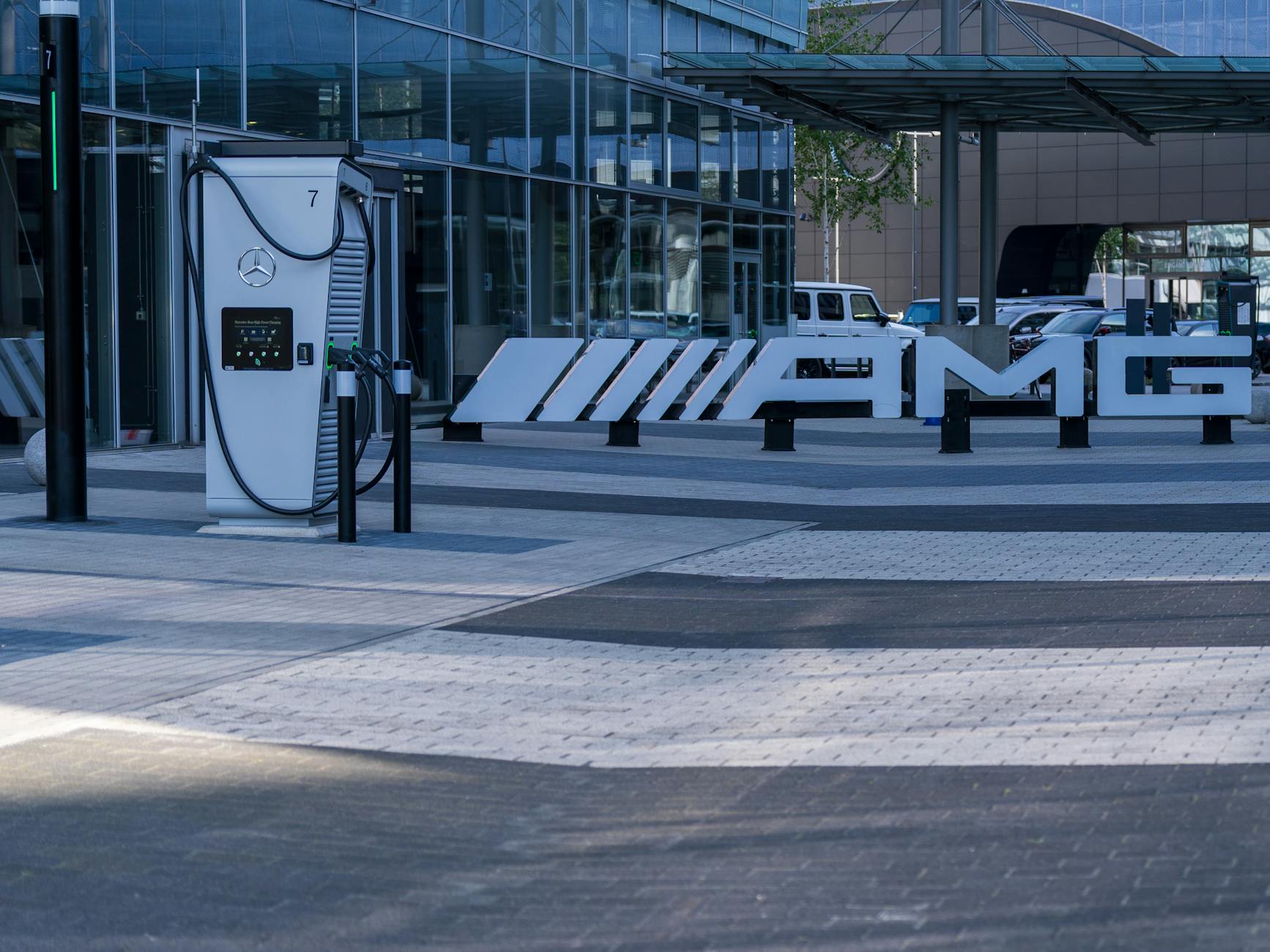
Mercedes-Benz has sold its European electric vehicle (EV) charging network to French operator Electra, marking a significant strategic shift. The move, disclosed in the automaker's third-quarter financial report, means Mercedes-Benz will now exclusively rely on partnerships for EV charging in Europe. This consolidation aims to enhance the charging experience for drivers and reflects a growing trend towards larger, integrated networks to support the accelerating shift to clean transportation.
BYD's Yangwang U9 Extreme, an electric hypercar known for its blistering speed, recently crashed during high-speed testing. This Chinese-made marvel had previously broken the 300 mph barrier, aiming to push even further. Despite the severe impact that heavily damaged the vehicle, the driver reportedly walked away without serious injuries, highlighting the robust safety design in advanced electric vehicles. The incident occurred during what was likely an attempt to achieve a new speed record.